上个月,OpenAI高级研究科学家诺姆·布朗在公司Slack频道中发布了一条关于OpenAI对先进芯片对华销售立场转变的新闻链接,并提出了一个直截了当的问题:“我们对芯片出口的政策是什么?”OpenAI政策负责人在Slack上回复称,引用了公司过去的帖子,例如6月发布的前沿人工智能安全蓝图,该蓝图支持普遍的芯片出口管制,但未具体涉及中国。他们还指示员工与负责制定新出口管制政策的全球事务团队成员交谈,而不是在Slack上讨论此事。
Last month, OpenAI Senior Research Scientist Noam Brown posted a link in a company Slack channel to a news story about OpenAI’s changing stance on advanced chip sales to China and asked a blunt question: “What is our policy on chip exports?”OpenAI policy leaders responded on Slack by citing past company posts, such as a safety blueprint on frontier AI published in June, that supported general chip export controls but did not address China specifically. They also directed staffers to speak to members of the global affairs team working on new export control policies, rather than discussing it on Slack.
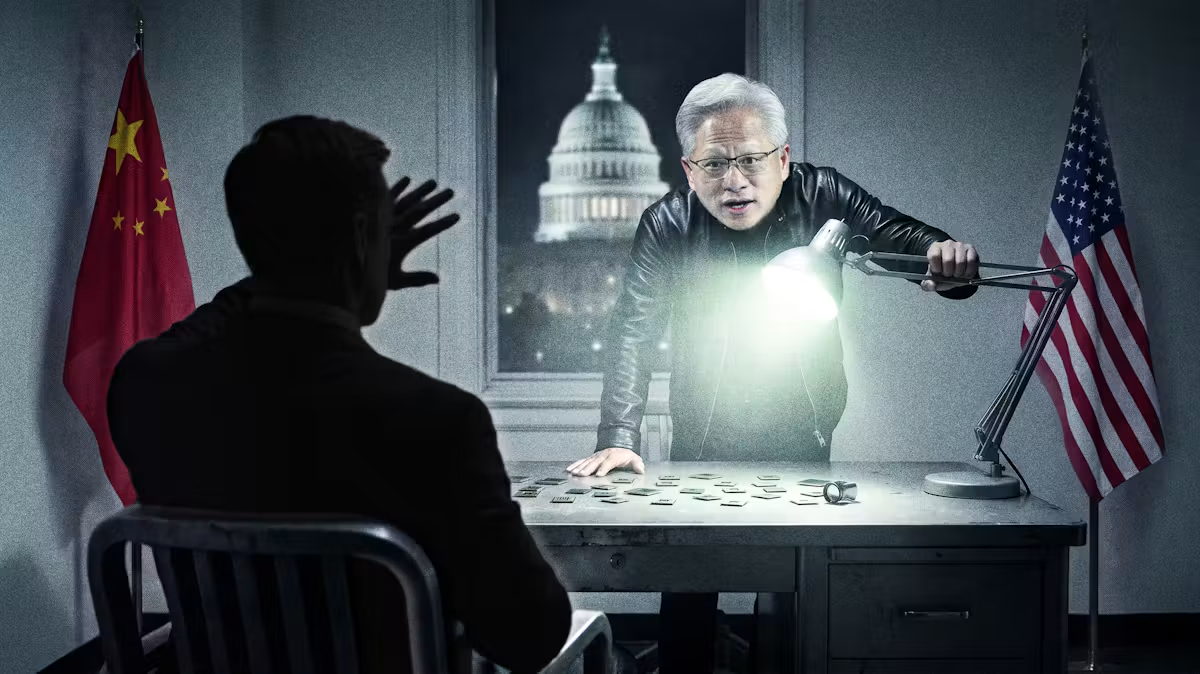
芯片限制是公司的一个敏感话题。过去一年里,OpenAI一直避免就芯片出口管制对华问题采取公开立场,因为OpenAI领导层(包括首席执行官萨姆·奥尔特曼)表示担心,这样做会疏远芯片制造商英伟达及其首席执行官黄仁勋,知情人士透露。去年,当国会将注意力转向出口管制立法时,一名OpenAI高级政策人员私下表示,OpenAI在芯片出口管制问题上不如拜登政府时期那么直言不讳,因为担心惹恼黄仁勋和英伟达,一名国会山工作人员透露。
Chip restrictions are a delicate topic at the company. Over the past year, OpenAI has avoided taking a public stance on the issue of chip export controls for China because OpenAI leaders, including CEO Sam Altman, have expressed concern that doing so will alienate chipmaker Nvidia and its CEO, Jensen Huang, according to people with knowledge of the company’s strategy. Last year, as Congress turned its attention to export control legislation, a senior OpenAI policy staffer privately said OpenAI was not as vocal on chip export controls as it had been under the Biden administration because it feared antagonizing Huang and Nvidia, according to a staffer on Capitol Hill.