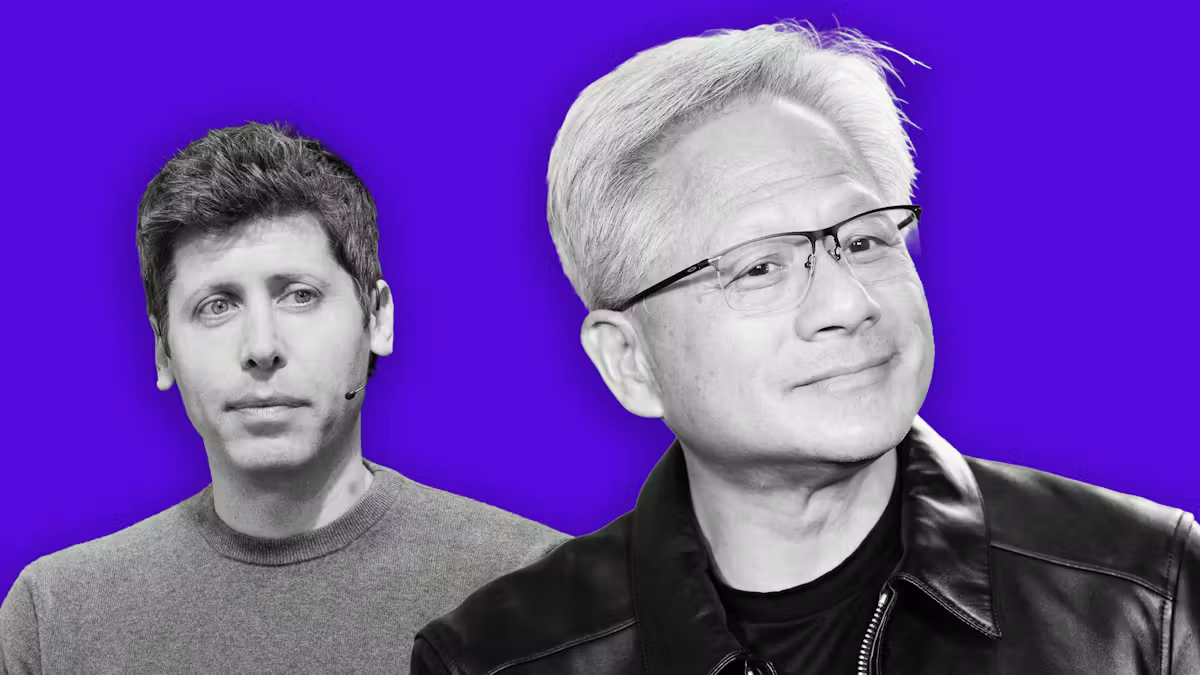
快讯:硅谷有很多人害怕英伟达CEO黄仁勋。正如Leo、Phoebe和我在今天早些时候的报道中详述的那样,他们有可以理解的理由感到恐惧。这家芯片制造商拥有大量资金和影响力可供挥霍,因为黄仁勋有几位高级政府官员的耳朵,包括特朗普总统。
News flash: A lot of people in Silicon Valley are afraid of Nvidia CEO Jensen Huang. They have understandable reasons to be fearful, as Leo, Phoebe and I detailed in our story this morning. The chipmaker has a lot of money and influence to throw around, since Huang has the ear of several top government officials, including President Trump.
对OpenAI等模型开发者更重要的是,英伟达控制着它们开发和运行当今最先进模型所需的AI芯片流向。AI开发者要获得这些芯片的使用权已经够难了,所以这些公司想要避免任何可能惹恼黄仁勋的事情,这很合理。
More importantly for model developers like OpenAI, Nvidia controls the flow of AI chips they need to develop and run today’s most advanced models. It’s been hard enough for AI developers to get access to those chips, so it makes sense that the companies would want to avoid anything that might upset Huang.
这导致了一种局面:OpenAI为了不疏远英伟达和黄仁勋,避免在当前关于对华芯片销售的辩论中表态。英伟达从中国公司获得大量收入,并希望进入中国市场本身。(英伟达不被允许直接向该市场出售其最先进技术,但字节跳动和DeepSeek等中国公司仍设法在境外获取这些芯片,或通过走私硬件获得。)
This has led to a situation where OpenAI has avoided taking a public stance on the current debate over chip sales to China for fear of alienating Nvidia and Huang, which generates plenty of revenue from Chinese companies and wants access to the Chinese market itself. (Nvidia isn’t allowed to sell its most advanced tech directly to that market, but Chinese firms like ByteDance and DeepSeek still find a way to access the chips outside China’s borders or through smuggled hardware.)