在乌姆杜尔曼的一所小房子里,苏丹赞赞流离失所营地高级行政官员哈桑·萨贝尔·朱马坐在一把简陋的木椅上。他翻看手机,寻找可能拍摄的赞赞的任何照片。赞赞靠近北达尔富尔首府法希尔,曾收容数十万人。
In a small house in Omdurman, Hassan Saber Jumaa, a senior administrator at the Zamzam displacement camp in Sudan, sat on a simple wooden chair. He scrolled through his phone, looking for any photograph he might have of Zamzam, which is near el-Fasher, the capital of North Darfur, and once sheltered hundreds of thousands.
他一无所获。朱马解释说,他的旧手机在去年苏丹快速支援部队对该营地发动的袭击中被洗劫一空。他指着周围光秃秃的墙壁说,他剩下的只有对营地的记忆,以及那些曾以此为家的人们。
He found nothing. Jumaa explained that his old phone was looted during last year’s attack by Sudan’s Rapid Support Forces on the camp. Pointing to the bare walls around him, Jumaa said that all he has left are his memories of the camp, and the people who once called it home.
赞赞成立于2004年,是西苏丹达尔富尔战争中流离失所者几代人的家园。这场战争始于2003年,持续了近二十年。与阿布舒克营地和萨拉姆营地一道,赞赞构成了达尔富尔最大规模流离失所者聚集地之一。
Zamzam, established in 2004, was home to generations of people displaced by western Sudan’s Darfur war, which began in 2003 and continued for nearly two decades. Alongside Abu Shouk camp and al-Salam camp, Zamzam formed part of one of Darfur’s largest concentrations of displaced people.
朱马回忆起一个熙熙攘攘的社区,市场每天开放,孩子们步行上学。
Jumaa recalled a bustling community, with its market open every day, and children walking to school.
赞赞一直是平民的避难所,直到苏丹当前战争爆发。这场战争始于2023年。快速支援部队与苏丹武装部队及其盟友作战,在数月攻势后于2025年4月攻占了该营地。2024年8月,该营地已被确认发生饥荒。
Zamzam continued as a refuge for civilians until Sudan’s current war, which began in 2023. The RSF, fighting the Sudanese Armed Forces and its allies, captured the camp in April 2025, after months of attacks. Famine had been confirmed in the camp in August 2024.
该袭击的幸存者穆赫塔尔·穆萨目睹了他熟悉的社区陷入饥饿与暴力。他说,对货物流动的限制耗尽了食物供应,使一些居民别无选择,只能吃动物饲料和花生壳。
Mukhtar Musa, a survivor of the assault, watched the community he knew descend into starvation and violence. He said restrictions on the movement of goods had exhausted food supplies, leaving some residents with little choice but to eat animal feed and peanut shells.
乌姆·库尔苏姆·阿里·萨利赫将最终袭击前的几个月描述为她生命中最艰难的时期。快速支援部队对赞赞的围困阻止了货物进入。她每天早上都在寻找食物,并回忆起看到妇女们煮草,将泥土与面粉混合烤面包。
Umm Kulthum Ali Saleh described the months before the final attack as the hardest of her life. The RSF siege on Zamzam stopped goods from entering. She searched for food every morning, and recalled seeing women cooking grass and mixing mud with flour to bake bread.
萨利赫认为,封锁不仅仅是军事手段,而是在最终进攻和赞赞陷落之前,故意削弱营地居民的一种方式。
Saleh believes the blockade was not merely a military measure, but a deliberate way to weaken the camp’s residents in advance of the final offensive, and Zamzam’s fall.
4月11日,RSF发动为期三天的攻击,使用汽车、骆驼和马匹,焚烧茅草房屋和医疗设施。
On April 11, the RSF launched a three-day assault using cars, camels, and horses, burning straw homes and health facilities.
联合国人权事务办公室的一份报告记录了至少1013名平民丧生,其中包括319人在家中、市场、学校、诊所和清真寺被处决。该报告还记录了其他虐待行为,包括强奸、轮奸、性奴役和其他形式的性暴力,特别是针对扎加瓦社区。
A United Nations Human Rights Office report documented at least 1,013 civilians killed, including 319 who were summarily executed in homes, markets, schools, clinics, and mosques. The report documented other abuses, including rape, gang rape, sexual slavery, and other forms of sexual violence, particularly targeting the Zaghawa community.
穆萨目睹了其中一些大规模屠杀,并表示他看到RSF战斗人员在高喊宗教口号时杀害平民。他描述说,看到尸体散落在主市场和学校附近,并说战斗人员继续沿着通往营地外的道路追捕平民。
Musa was a witness to some of those mass killings, and said he saw RSF fighters kill civilians while chanting religious slogans. He described seeing bodies scattered around the main market and near schools, and said fighters continued pursuing civilians along roads leading out of the camp.
萨利赫也回忆说,看到尸体散落在道路上,只有鸡、驴和羊在废弃的建筑物间游荡。
Saleh also recalled seeing bodies littering the roads, with only chickens, donkeys, and sheep wandering among the abandoned buildings.
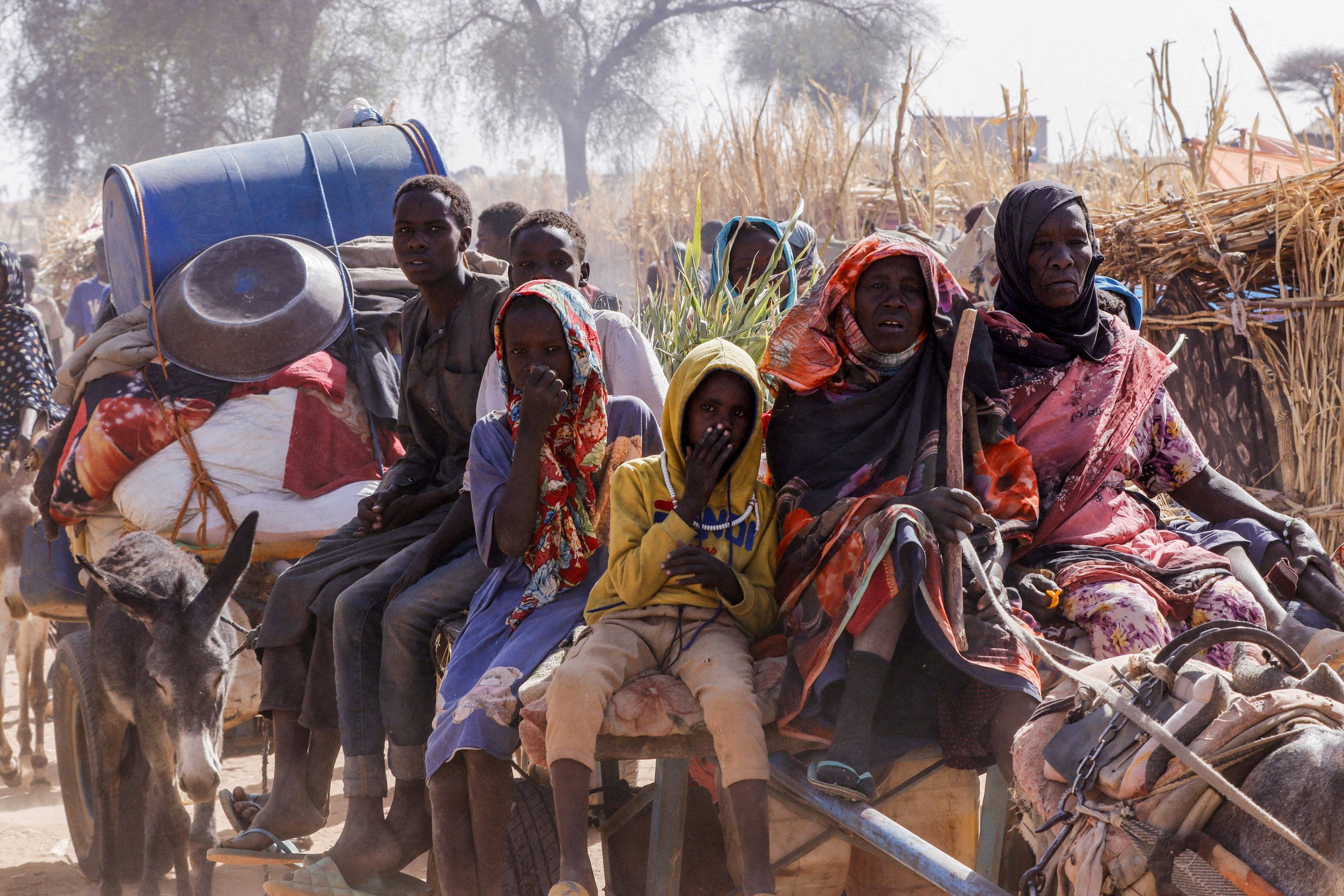
这次攻击迫使数万人逃离扎姆扎姆,许多人留在法希尔地区,另一些人向南逃往陶维拉和达尔萨拉姆。
The attack forced tens of thousands to flee Zamzam, with many remaining in the el-Fasher area, and others fleeing south to Tawila and Dar al-Salam.
在随后的几个月里,暴力继续笼罩法希尔及其周边的流离失所营地。
The violence continued to engulf el-Fasher and its surrounding displacement camps over the following months.
在控制扎姆扎姆后,RSF于2025年8月对法希尔发动攻击,并很快攻占了阿布舒克营地。
With Zamzam under its control, the RSF launched an attack on el-Fasher in August 2025, and soon captured the Abu Shouk camp.
联合国人权事务办公室表示,至少40名流离失所者在阿布舒克营地内丧生,另有19人受伤。国际移民组织报告称,当天至少有500名居民逃离了该营地。
The UN Human Rights Office said at least 40 displaced people were killed inside Abu Shouk, while 19 others were injured. The International Organization for Migration reported that at least 500 residents fled the camp that day.
RSF于2025年10月26日攻占了法希尔本身。据信,在法希尔及逃离该城市的逃生路线上,此次攻击中有超过6000人丧生。联合国发现,RSF战斗人员针对平民,包括非阿拉伯社区成员,并构成战争罪的行为。
The RSF captured el-Fasher itself on October 26, 2025. More than 6,000 people are believed to have been killed in the attack, in el-Fasher as well as on escape routes out of the city. The UN found that RSF fighters targeted civilians, including members of non-Arab communities, and committed acts amounting to war crimes.
RSF此前否认在扎姆扎姆和法希尔针对平民,同时承认一些战斗人员犯下了虐待行为。
The RSF has previously denied targeting civilians in Zamzam and el-Fasher, while acknowledging that some fighters committed abuses.
赞姆赞姆、舒克和法希尔的幸存者们专注于见证他们所面临的悲剧。
The survivors of Zamzam, al-Shouk, and el-Fasher focus on bearing witness to the tragedy they faced.
朱马表示,赞姆赞姆的毁灭并非暴力的终结,而是另一波流离失所的开始。
Jumaa said the destruction of Zamzam marked not the end of the violence, but the beginning of another wave of displacement.
对他来说,这个营地在曾经居住在那里的人们的记忆中幸存下来——尽管他们如今已流离失所他处。
For him, the camp survives in the memories of those who once lived there – even as they are now displaced elsewhere.
与此同时,穆萨表示,他无法忘记围困的最初几天,以及街头看到的尸体。“幸存者必须讲述所发生的事情,”穆萨说。
Musa, meanwhile, said he cannot forget the first days of the siege, and the bodies he saw on the streets. “Whoever survives must tell the story of what happened,” Musa said.