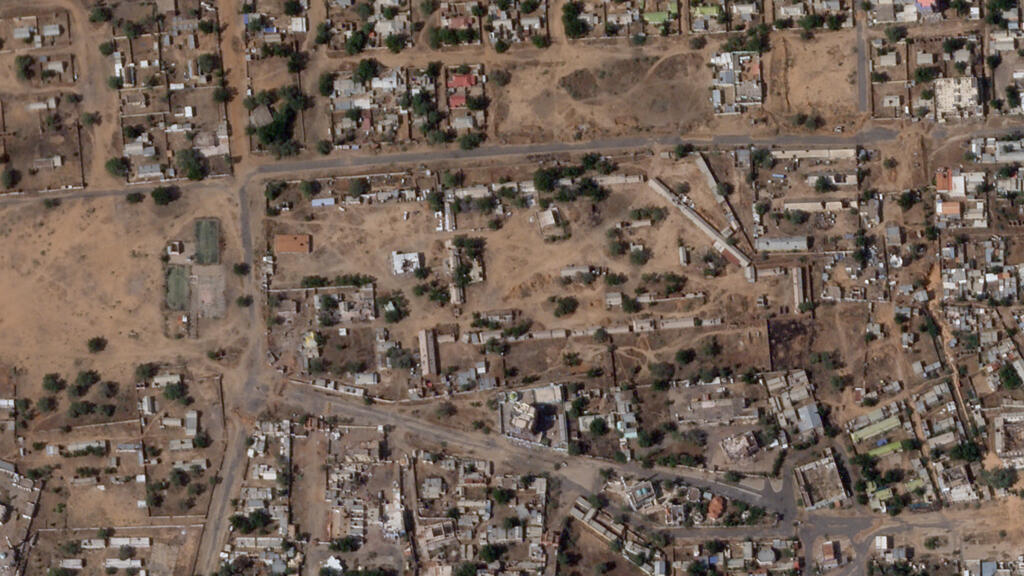
一年后,与苏丹军队交战的准军事部队攻占了战略要地法希尔,幸存者和援助人员报告称,北达尔富尔州首府仍然基本被遗弃。一些居民因恐惧不敢返回,而数千人仍下落不明——许多人被关押在拥挤不堪、条件恶劣的监狱中。
A year after paramilitary forces at war with the Sudanese army captured the strategic city of El Fasher, survivors and aid workers report that the capital of North Darfur state remains largely abandoned. Some residents are too scared to return, while thousands are still missing – many held in deplorable conditions in overcrowded prisons.
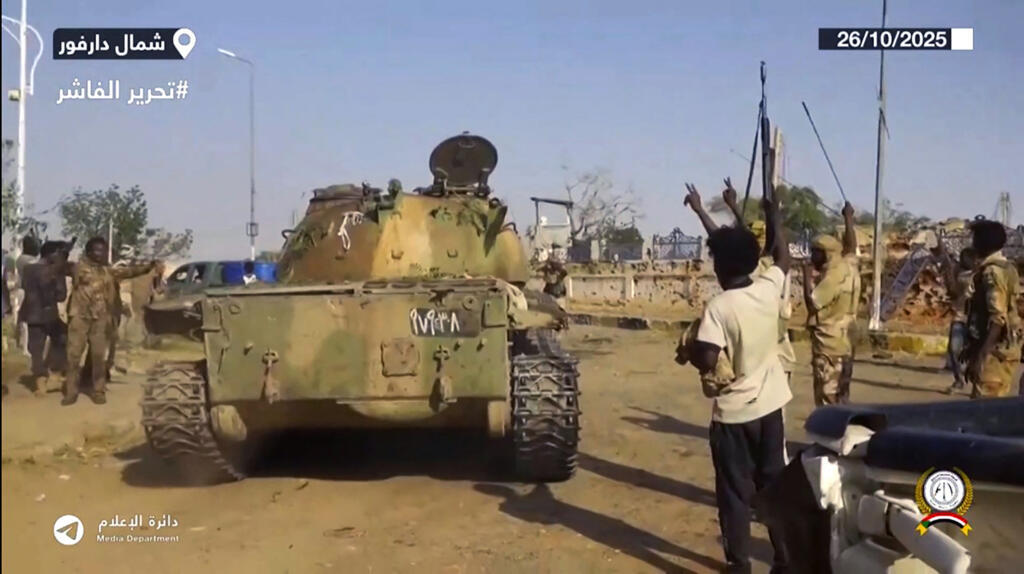
2025年10月26日,经过500天的围困,法希尔陷落于快速支援部队(RSF)之手,该武装团体自2023年4月起一直在与苏丹军队交战。
On 26 October, 2025, after 500 days of siege, El Fasher fell to the Rapid Support Forces (RSF), an armed group that has been fighting Sudan's army since April 2023.
这标志着冲突中最黑暗的篇章之一。准军事人员誓言要“净化”这座城市,并明确呼吁消灭非阿拉伯社区——特别是半游牧的扎加瓦人和达尔富尔最大族群富尔人。
It marked one of the darkest chapters of the conflict. The paramilitaries pledged to "cleanse" the city and explicitly called for the elimination of non-Arab communities – notably the semi-nomadic Zaghawa and the Fur, Darfur's largest ethnic group.
国际调查人员发现了大规模暴行的证据,包括大规模杀戮和性暴力。联合国估计约有6000人丧生,但研究卫星图像的研究人员怀疑死亡人数要高得多——达数万人。
International investigators have found evidence of widespread atrocities, including mass killings and sexual violence. The United Nations has estimated that some 6,000 people were killed, but researchers studying satellite imagery suspect the death toll is much higher – in the tens of thousands.
据国际移民组织(IOM)称,近10万人设法逃离。数千名平民下落不明,他们要么是在试图逃离途中死亡,要么被快速支援部队俘获。
According to the International Organisation for Migration (IOM), nearly 100,000 people managed to flee. Thousands more civilians are missing, having died while trying to escape or been captured by the RSF.
今年1月,在该市新当局的监督下,人道主义组织自准军事部队夺取控制权以来首次得以进入法希尔。他们形容这里是“一座鬼城,几乎没有平民留守”。
In January, under the supervision of the city's new authorities, humanitarian organisations were able to visit El Fasher for the first time since the paramilitaries seized control. They described "a ghost town, with few civilians remaining".
争议性的重新安置 “我的房子被毁了,”萨尔瓦说,她不愿透露全名。作为法希尔本地人,她在城市陷落前几天逃离。
Contested repopulation "My house was destroyed," says Salwa, who did not want to be identified by her full name. Born in El Fasher, she fled a few days before the city fell.
“他们砸毁了一切,把我们所有的东西都扔到了街上。我父亲的房子还在,但他们把我们不认识的人安置在里面了。”和许多逃离的居民一样,她认为新当局正试图用游牧阿拉伯部落的成员——快速支援部队的领导层和大部分战士都来自这些部落——来取代这座城市的原住民,主要是扎加瓦人和富尔人。
"They smashed everything and threw all our things into the street. My father's house is still standing, but they've put people we don't know in it." Like many residents who fled, she believes the new authorities are seeking to replace the city's original inhabitants – mainly Zaghawa and Fur – with members of nomadic Arab tribes, from which the RSF draws its leadership and most of its fighters.
苏丹快速支援部队准军事组织被指在法希尔犯下危害人类罪 “他们把外面的人带进来,把我们的房子分给他们。甚至还给他们发放文件证明他们是房主。这些人永远不会离开。除此之外,他们还在给这些人拍摄宣传视频,声称法希尔的居民已经返回。”由快速支援部队领导的平民和武装团体联盟“Tasis”,在南达尔富尔的尼亚拉市平行执政,呼吁流离失所的居民返回法希尔,并称正在帮助平民回归。
Sudan's RSF paramilitaries accused of crimes against humanity in El Fasher "They're bringing in people from outside and giving them our homes. They're even giving them documents to prove they're the owners. These people will never leave. On top of that, they're filming them for propaganda and claiming that the residents of El Fasher have returned." Tasis, a coalition of civilian and armed groups led by the RSF and governing in parallel from the city of Nyala in South Darfur, has called for displaced residents to go back to El Fasher and says it is helping civilians to return.
“这些不是法希尔的居民,而是被带来重新填充城市的人口,”萨尔瓦抗议道。
"These aren't residents of El Fasher, but people who were brought in to repopulate the city," Salwa protests.
挥之不去的创伤 法国人道主义组织“国际团结”已重返法希尔开展工作,该组织估计,在战前至少30万人口中,有4万至6万人已经返回或定期往返。
Lingering trauma Solidarités International, a French humanitarian organisation that has returned to work in El Fasher, estimates that between 40,000 and 60,000 people have either returned or come and go regularly, out of a pre-war population of at least 300,000.
“他们回来是为了寻求援助,看看自己的社区、自己的家。他们听说有非政府组织在这里,准军事组织关联的政府人道主义援助办公室正在组织发放食物,”该组织在苏丹的现场协调员雷诺·杜西告诉法广。
"They come to seek aid, to see their neighbourhood, their home. They've heard that an NGO is here, that the paramilitary-linked government's humanitarian aid office is organising food distributions," Renaud Douci, the organisation's field coordinator in Sudan, told RFI.
但他说,回返者往往会被眼前的景象吓退。“当你过去买食物的市场如今只剩下寥寥几个摊位、物价高得离谱,这根本不是你能带着家人回返的条件。”另一些人则因围困的记忆而不敢回返。“就目前而言,因为那500天的创伤和暴行,人们完全感觉还没准备好回返,”杜西说。
But returnees are often put off by what they find, he said. "When the market where you used to get food is now a meagre affair with a few stalls and exorbitant prices, those aren't conditions under which you can return with your family." Others are kept away by the memory of the siege. "For now, because of the trauma and violence of those 500 days, people don't feel at all ready to return," Douci said.
苏丹战争的女性受害者承受着“不可言说”暴力的创伤 国际特赦组织研究员劳拉·米尔斯认同他的评估。“只有一小部分人口回返了;人们太害怕了,”她对法广(RFI)表示。
Women victims of Sudan's war bear scars of 'indescribable' violence Laura Mills, a researcher at Amnesty International, shares his assessment. "Only a fraction of the population has returned; people are too afraid," she told RFI.
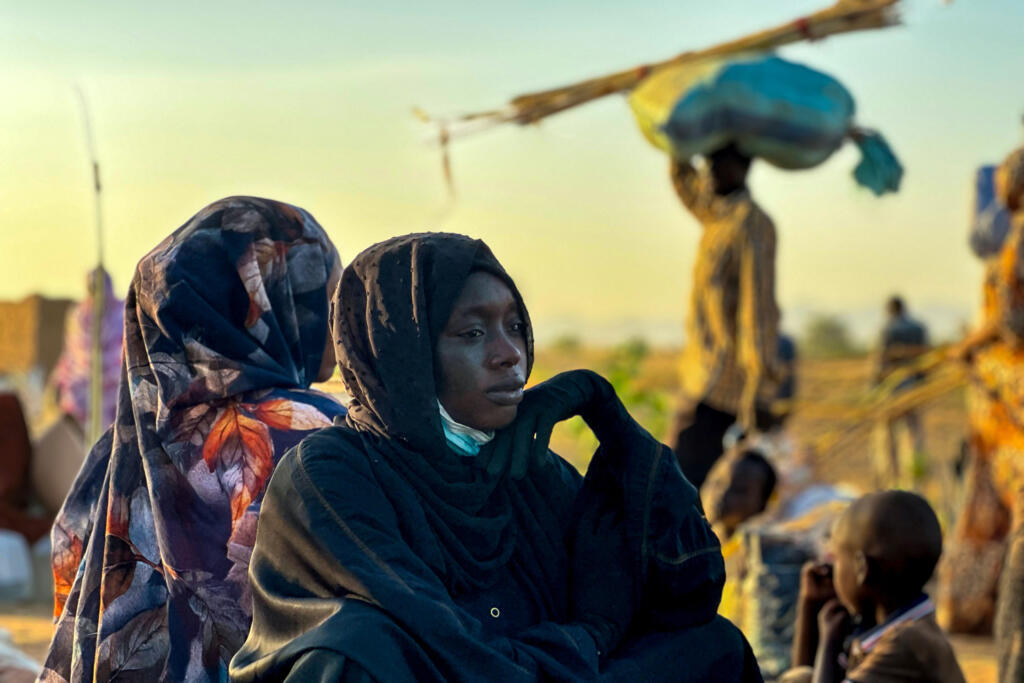
“援助人员告诉我们,还有零星的房屋屹立着。而在每一片房屋之间,街道空无一人。这座城市依然被遗弃。”
"Humanitarian workers tell us there are pockets of houses still standing. And between each pocket, the streets are deserted. The city is still abandoned."
对她而言,这种犹豫可以理解。“法希尔的居民因所经历的一切而备受创伤。准军事组织仍在那里、且从未为其行动被追责,他们为什么要回返?当你随时面临被逮捕和酷刑的风险时,为什么要回返?”
For her, the hesitation is understandable. "The residents of El Fasher are traumatised by what they've been through. Why would they return when the paramilitaries are still there and have never been held accountable for their actions? Why return when you risk being arrested and tortured at any moment?"
恐怖监狱 在攻占法希尔期间,快速支援部队抓捕了数千人:不仅有武装部队成员,还有平民——士兵的家属、教师、医生、记者、公民社会活动家,以及他们指控支持苏丹军队的其他人。
Prison of horror The RSF took thousands of people prisoner during the capture of El Fasher: not only members of the armed forces but civilians – soldiers' families, teachers, doctors, journalists, civil society activists and others they accused of supporting the Sudanese army.
易卜拉欣(化名)是法希尔广播电视台的记者,据其妻子透露,他在城市陷落前几周被准军事组织带走,妻子希望保持匿名。
Ibrahim (not his real name), a journalist with El Fasher Radio and Television, was taken by the paramilitaries a few weeks before the city fell, according to his wife, who wanted to remain anonymous.
“一天早上他出去找吃的,因为当时已经没什么吃的了。他早上出去,那天晚上和第二天都没回来,”她对法广说。
"One morning he went out to look for food, because at the time there was nothing left to eat. He left in the morning and didn't come back that evening or the next day," she told RFI.
妻子一度以为他受伤或已遇难,直到得知他被快速支援部队抓捕,并被送往达格里斯——这是位于尼亚拉郊外一座臭名昭著的监狱,被描述为“恐怖之地”。
His wife believed he was wounded or dead until she learned that he had been captured by the RSF and sent to Dagris, a notorious prison outside Nyala that has been described as a "site of horror". "The conditions were terrible," she said.
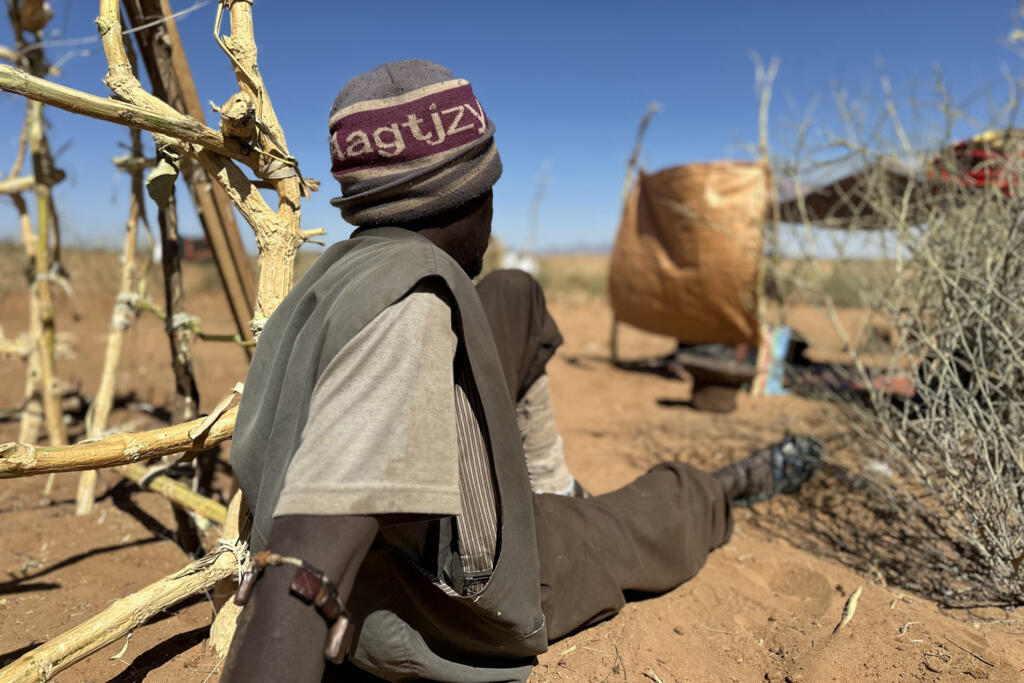
“条件非常糟糕,”她说。“被拘留者被塞进狭小的牢房。有时他们整整几周看不到阳光。偶尔会被带到外面,让他们晾晒物品、晒干衣服并驱除昆虫和跳蚤。而且厕所就在牢房里。那里的卫生条件令人作呕。”伊布拉欣因病消瘦,且单眼失明,九个月后在支付2000美元后终于获释。多份报告称索要赎金的要求很常见。
"The detainees were crammed into small cells. Sometimes they would go entire weeks without seeing the sun. Occasionally, they'd be taken outside so they could air their belongings, dry their clothes and get rid of insects and fleas. And their toilets were right inside the cells. The sanitary conditions there are disgusting." Sick, emaciated and having lost his sight in one eye, Ibrahim was finally released nine months later upon payment of $2,000. Numerous accounts report demands for ransom are common.
美国在“复杂战争”中“疏远”了苏丹军队,分析人士对RFI表示“他们带走了我的家人”。据人权组织称,今年早些时候,达格里斯监狱关押了13000至19500人——是该监狱官方容纳量4500人的数倍。
US has 'alienated' Sudan's army in 'complex war', analyst tells RFI 'They took my family' According to human rights organisations, between 13,000 and 19,500 people were being held at Dagris earlier this year – several times the prison's official capacity of 4,500.
扎姆赞是一名原籍埃尔法希尔地区、现流亡的记者,她说她的亲属在其中,被逮捕是因为她对冲突的报道。
Zamzam, a journalist originally from the El Fasher region who now lives in exile, says her relatives were among them, arrested as punishment for her coverage of the conflict.
“准军事部队(RSF)联系我,叫我停止写作,甚至还出钱收买我。但我拒绝了,于是他们带走了我的家人,”她对RFI说。
"The RSF contacted me to tell me to stop writing, they even offered me money. But I refused, so they took my family," she told RFI.
她的表兄是埃尔法希尔一家医院的医生,在进攻期间选择留下,至今失去联络。扎姆赞只听说他在从事建筑工作。
Her cousin, a doctor at a hospital in El Fasher who chose to stay throughout the offensive, remains incommunicado. Zamzam has heard only that he is working in construction.
“他们把囚犯当作建筑劳工、洗衣工,甚至清理准军事部队(RSF)战斗人员家属的住宅,”她声称。
"They use prisoners as labourers in construction, to do laundry, to clean the homes of RSF fighters' families," she claimed.
苏丹战争正在重塑忠诚,平民看到‘别无选择’只能投向军队。苏丹医生网络成员穆罕默德·费萨尔称,达格里斯监狱的条件不人道,且在某些情况下危及生命。
Sudan’s war reshapes loyalties as civilians see ‘no option’ but the army Conditions at Dagris prison are inhumane and in some cases life-threatening, according to Mohamed Faisal, a member of the Sudan Doctors Network.
“被拘留者没有任何权利,也无法与家人联系,”他说。“牢房严重拥挤。疾病很多,如霍乱和登革热,死亡率急剧上升。几个月前,每周有四人死亡。而且囚犯死亡后,家属甚至得不到通知。”
"The detainees have no rights and no contact with their families," he said. "The cells are overcrowded. There are lots of diseases, such as cholera and dengue fever, and we are seeing a sharp rise in mortality. A few months ago, there were four deaths every week. And when prisoners die, their families aren't even notified."
据该网络估计,达格里斯和南达尔富尔另一座监狱科贝尔共关押约73名医务人员。还有数名记者被拘,其中包括穆阿马尔·伊布拉欣,他是《半岛电视台》阿拉伯语频道的记者,自2023年4月冲突爆发以来一直在报道。
An estimated 73 medical personnel are being held in Dagris and Kober, another prison in South Darfur, the network believes. Several journalists are also detained, including Muammar Ibrahim, a correspondent for Al Jazeera's Arabic news channel who had been covering the conflict since it began in April 2023.
如今,达尔富尔几乎全部被准军事部队控制。战事已转移至科尔多凡地区,联合国警告称,埃尔法希尔的惨痛历史可能重演。
Today, Darfur is almost entirely under the control of the paramilitary forces. The fighting has shifted to the Kordofan region, where the UN has warned El Fasher's grim history could be repeated.