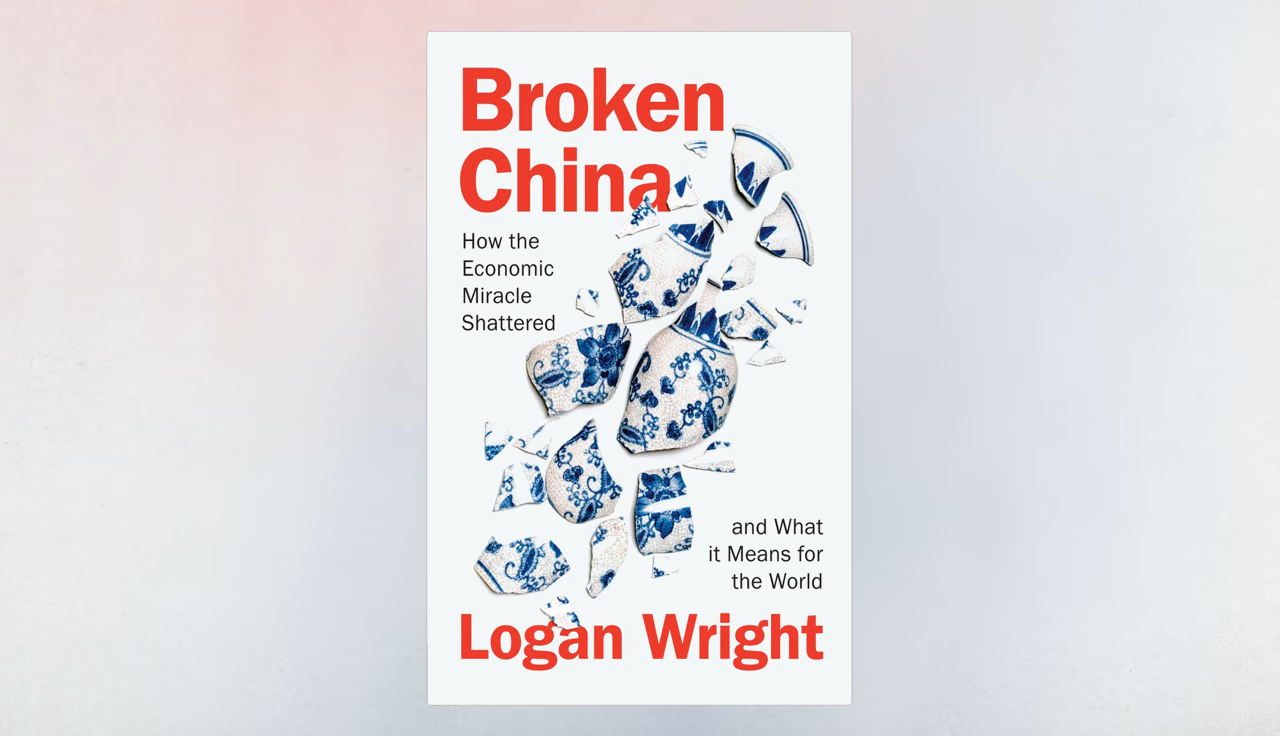
1972年,亨利·基辛格访华时曾向中国总理周恩来询问对法国大革命的看法。神秘莫测的周恩来回答:“言之尚早。”这一对话长期以来支撑着一种传统认知:美国按选举周期思考,而中国按世纪思考。当下华盛顿的混乱,与北京的五年计划和严密安排的全会形成对比,似乎让中国战胜西方显得不可避免。购买《破碎的中国:经济奇迹如何破碎及其对世界的意义》中国领导层并非如其所愿展现的那样具有远见。
During a visit to China in 1972 Henry Kissinger asked China’s premier, Zhou Enlai, for his thoughts on the French Revolution. “Too early to tell,” the enigmatic Zhou responded. Their exchange has long buttressed a conventional wisdom that says the U.S. thinks in electoral cycles while China thinks in centuries. Today’s chaos in Washington, set against Beijing’s five-year plans and tightly scripted plenums, makes China’s defeat of the West appear inevitable. Grab a Copy Broken China: How the Economic Miracle Shattered and What It Means for the World Polity We may earn a commission when you buy products through the links on our site.
原来周恩来很可能指的是1968年法国的抗议活动,而非1789年的法国大革命。而中国每年都能精准达成的增长目标,现在看起来越来越像波将金村般虚假。
China’s leadership is not as farsighted as it would like to project. Zhou, it turns out, was likely referring to the 1968 protests in France rather than to 1789. And China’s growth targets, hit with unfailing precision every year, now appear increasingly Potemkin-like.
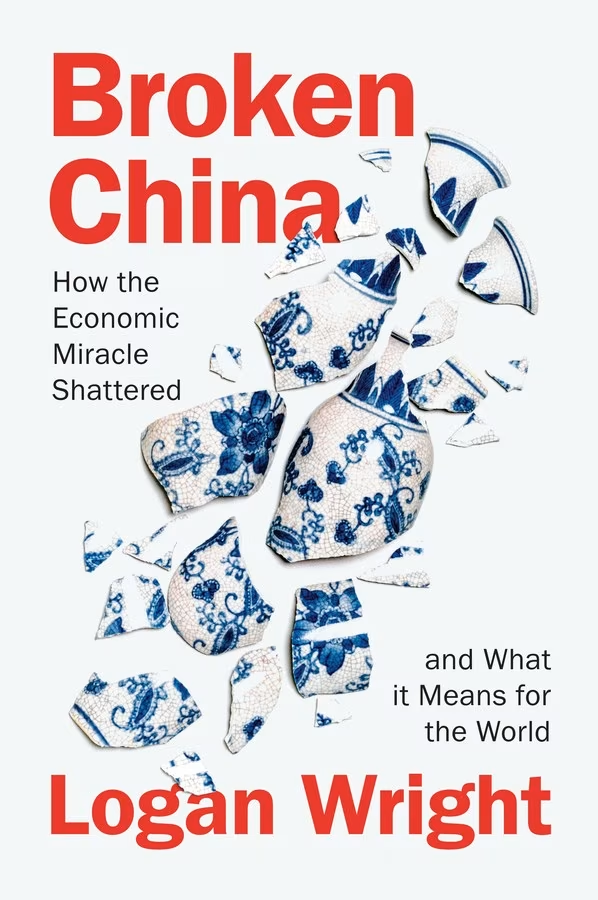
罗德集团合伙人洛根·赖特在《破碎的中国》一书中,对中国的经济轨迹提出了一个挑衅性且令人信服的观点。赖特先生认为,中国领导人并非完美规划,而是让中国的银行和地方政府背负了大量无效投资,将国家推向要么持续衰退的增长,要么痛苦的经济重组和核销不良债务的进程。
Logan Wright offers a provocative and convincing perspective on China’s economic trajectory in “Broken China.”Mr. Wright, a partner at the research firm Rhodium Group, argues that instead of perfect planning, China’s leaders have clogged China’s banks and local governments with unproductive investments, consigning the country either to steadily decaying growth or to the painful process of economic restructuring and writing off nonperforming debt.
中国的经济挑战已有详实记录。迈克尔·佩蒂斯和马修·克莱因的《贸易战争是阶级战争》(2020年)指出了中国消费不足、投资驱动模式的局限。近期报道指出,至关重要的房地产行业在2021年崩塌,以及新冠疫情后消费者信心暴跌。
China’s economic challenges have been well-documented. Michael Pettis and Matthew Klein’s “Trade Wars Are Class Wars” (2020) noted the limits of China’s consumption-starved, investment-led model. Recent accounts point to the implosion of the all-important property sector in 2021 and to plummeting consumer confidence after Covid-19.