根据彭博情报的一项调查,由于缺乏引人注目的新技术,中国消费者正推迟购买智能手机,这为全球最大手机市场进一步恶化奠定了基础。
Chinese consumers are putting off smartphone purchases in the absence of compelling new technology, setting the stage for further deterioration of the world’s largest mobile market, according to a Bloomberg Intelligence survey.
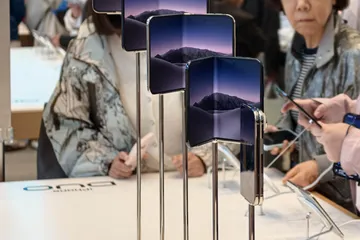
10月受访者中有69%表示,他们至少要等到2027年才会更换手机,这一比例较5月份翻了一番。更多人打算将手机使用两到三年,而苹果公司的折叠屏iPhone Duo等新品上市未能转化为大众市场需求。国内仅有5.8%的人正在使用或已决定购买折叠屏手机,凸显了该品类的小众吸引力。
Some 69% of respondents in October said they won’t upgrade their phone until at least 2027, doubling in share since May. More people intend to hold on to their device for two to three years, and new debuts like Apple Inc.’s foldable iPhone Duo have failed to translate into mass-market demand. Only 5.8% of people are either using or have decided to buy a foldable in the country, underscoring the category’s niche appeal.
彭博情报研究发现,电池续航、相机性能和内存规格等硬件特性仍是关键购买驱动因素,这凸显了一个正与不断上升的成本作斗争的行业所面临的挑战。由于人工智能基础设施项目的需求,内存价格在过去一年里飙升,据市场研究机构IDC称,这导致9月季度全球手机出货量出现有记录以来最严重的下滑。
Hardware features such as battery life, camera performance and memory specifications remain key purchase drivers, the BI research found, underscoring the challenge for an industry struggling with rising costs. Memory prices have skyrocketed over the past year due to demand from artificial intelligence infrastructure projects, leading to the worst decline in global phone shipments on record in the September quarter, according to market researcher IDC.
调查发现,高端设备注入人工智能功能并未激发更大的购买意愿。仅有8%的受访者将AI作为购买理由,低于一年前的12%,在11项升级诱因中排名垫底。另一方面,内存仍被视为关键规格,87%的受访者表示认为至少16GB是日常使用的理想容量。
The survey found that an infusion of AI into premium devices is not sparking greater purchase intent. Only 8% of respondents cited AI as a reason to make a purchase, down from 12% a year earlier and ranking last among 11 upgrade triggers. Memory, on the other hand, is still considered a key specification, as 87% said they consider at least 16GB the ideal amount for daily use.
苹果用户因其更高的价格容忍度和愿意为AI新功能买单而脱颖而出。与Oppo和Vivo等正将份额让给消费者偏好上升的华为技术有限公司的本土品牌相比,苹果似乎更有准备应对更广泛的低迷。
Apple users stood out for their greater price tolerance and willingness to spend on AI novelties. The company looks better prepared to navigate the broader slump than local brands like Oppo and Vivo, which have been conceding share to Huawei Technologies Co., a riser in consumer preferences.
“虽然 AI 单独作用可能无法刺激中国的智能手机需求,但它可能增强苹果对中国智能手机买家的吸引力,因为 iPhone 用户表现出更大的支付 AI 功能的意愿,”彭博产业研究分析师曾崇焜表示。“同时,27% 的非 iPhone 用户会考虑 AI 但拒绝支付额外费用,高于 19% 的 iPhone 用户。”即使是折扣促销,在 11 月 11 日“双十一”购物节前已开始启动,预计也无法有意义地刺激需求。
“While AI alone may not stimulate smartphone demand in China, it could strengthen Apple’s appeal among Chinese smartphone buyers, as iPhone users indicate greater willingness to pay for AI features,” said BI analyst Steven Tseng. “Meanwhile, 27% of non-iPhone users would consider AI but refuse to pay extra, higher than 19% of iPhone users.”Even discounts, which are starting to kick ahead of the Singles Day shopping festival on Nov. 11, are not expected to meaningfully stimulate demand.
曾崇焜称,企业发现自身几乎没有回旋余地,华为 Mate 70 Pro 和 Pro Max 以及小米集团的 18 Pro Max 等机型均不打折。
Companies are finding themselves with little leeway, and models such as Huawei’s Mate 90 Pro and Pro Max, along with Xiaomi Corp.’s 18 Pro Max, carry no discounts, Tseng said.