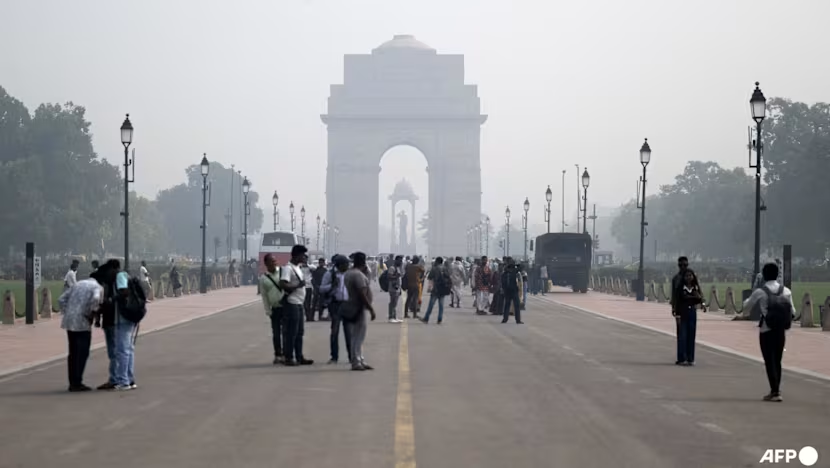
新德里:空气监测数据显示,印度首都新德里周三(11月4日)的有毒空气污染飙升至世界卫生组织建议日限值的30多倍。
NEW DELHI: Toxic air pollution in India's capital New Delhi surged on Wednesday (Nov 4) to more than 30 times the World Health Organization's recommended daily limit, data from air monitors showed.
此前三天,当局收紧了包括限制交通和建筑施工在内的措施,以遏制这座世界上污染最严重的首都之一的烟雾,大都会区人口超过3000万。
The deterioration came three days after authorities tightened measures including restrictions on traffic and construction, to curb smog in one of the world's most polluted capitals, with the wider metropolis home to more than 30 million people.
预计污染将在周日的迪瓦利节(印度教灯节)前恶化,届时焰火表演将增加本已有毒的空气负担。
Pollution is expected to worsen ahead of Sunday's Deepavali, the Hindu festival of lights, when firework displays add to the already poisonous air.
最高法院本月允许在迪瓦利节期间有限使用所谓的“环保”鞭炮,这种鞭炮旨在减少排放。但限制措施经常被无视,城市里回荡着爆炸声。
The Supreme Court this month allowed limited use of so-called "green" firecrackers, designed to reduce emissions, during Diwali. But restrictions are routinely flouted, with the city reverberating with explosions.
监测公司IQAir的数据显示,周三城市部分地区的PM2.5——一种足以进入血液的致癌微粒——浓度达到每立方米461微克以上。
On Wednesday, levels of PM2.5 - cancer-causing microparticles small enough to enter the bloodstream - hit more than 461 micrograms per cubic metre in parts of the city, according to monitoring firm IQAir.
据印度环境部称,车辆占德里冬季污染的23%,生物质燃烧(包括秸秆焚烧)贡献了20%。工业(包括燃煤电厂)贡献约9%。
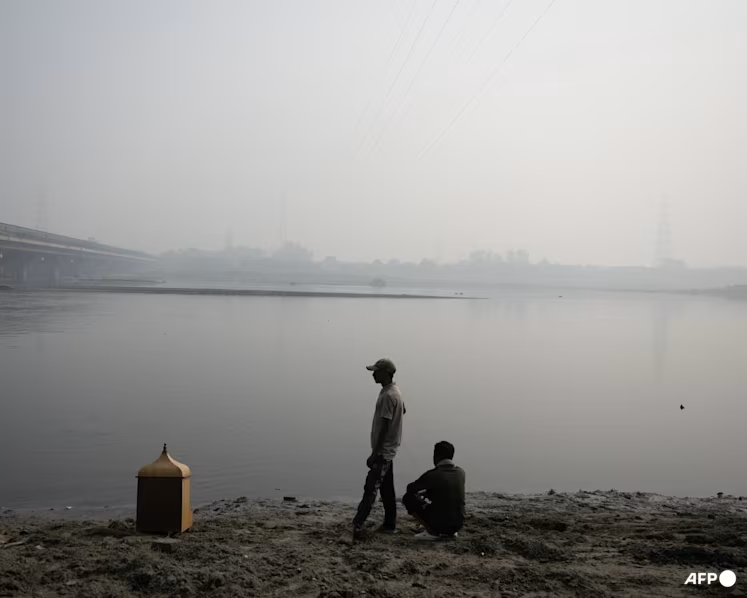
Vehicles account for 23 per cent of Delhi's winter pollution, while biomass burning, including farm stubble fires, contributes 20 per cent, according to India's environment ministry. People rest along the banks of river Yamuna amid smog in New Delhi on Nov 4, 2026.
最大份额的27%来自二次颗粒物,当车辆、工业、电厂和生物质燃烧释放的气体在大气中发生反应时形成。
Industry, including coal-fired power plants, contributes about 9 per cent. The largest share, 27 per cent, comes from secondary particles, formed when gases released by vehicles, industry, power plants and biomass burning react in the atmosphere.
新书《污染》作者雅各布·科希认为,首都周边田地大量施用化肥也助长了这些颗粒物的形成。化肥释放的氨与其他污染物反应生成二次颗粒物。
The formation of these particles is also fuelled by the vast quantities of fertiliser spread on fields around the capital, argues Jacob Koshy, author of a new book on pollution. Ammonia released by fertilisers reacts with other pollutants to form secondary particulate matter.
“进入大气层的氨气数量巨大,为其他污染物的反应形成了基础层,”《印度教徒报》科学编辑、《氮弹》作者科希说道。
"The sheer quantity of ammonia that is going into the atmosphere creates a base layer for other pollutants to react with," said Koshy, science editor of The Hindu newspaper and author of "The Nitrogen Bomb".
2024年发表在同行评审研究期刊《柳叶刀·行星健康》上的一项研究估计,2009年至2019年间,印度有380万人的死亡与空气污染有关。
A 2024 study published in The Lancet Planetary Health, a peer-reviewed research journal, estimated that 3.8 million deaths in India between 2009 and 2019 were linked to air pollution.