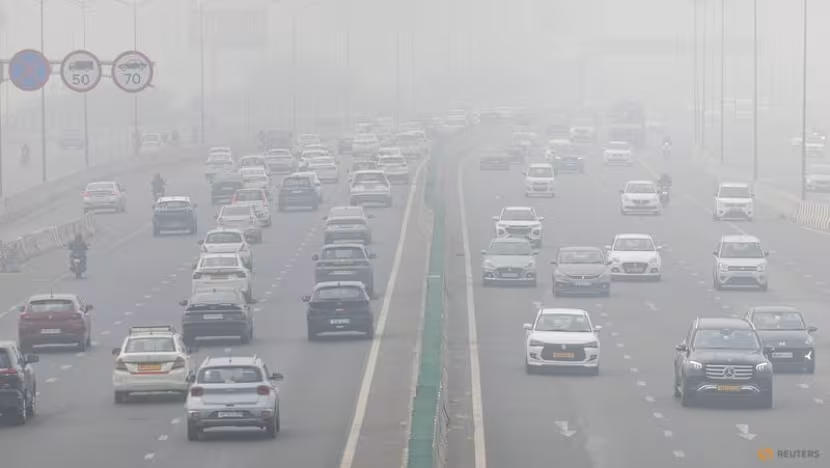
新德里:新德里当局已加大反污染措施力度,包括提高停车费和实行居家办公令,旨在遏制这座全球污染最严重的首都之一的有毒烟雾。
NEW DELHI: The authorities in New Delhi have stepped up anti-pollution measures, including higher parking fees and work-from-home orders, seeking to curb toxic smog in one of the world’s most polluted capitals.
这些于周日(11月1日)生效的限制措施包括将车辆停车费加倍,以及对政府和私营部门办公室实行居家办公安排,旨在减少交通排放。
The restrictions, which came into force on Sunday (Nov 1), include a doubling of vehicle parking charges and work-from-home arrangements for government and private-sector offices aimed at cutting traffic emissions.
当局还将禁止不符合规定排放标准的车辆进入首都,同时全面禁止产生粉尘的拆除和户外建筑活动立即生效。
The authorities will also bar vehicles that do not comply with mandated emission standards from entering the capital, while a ban on all dust-generating demolition and outdoor construction activity takes effect immediately.
首席部长雷卡·古普塔的办公室在一份声明中表示:“从11月1日起……德里的冬季行动计划正式生效,采取更严格的污染控制、更强有力的执法和全天候24小时监测。”
“From Nov 1... Delhi’s Winter Action Plan comes into effect with stricter pollution controls, stronger enforcement and 24×7 monitoring,” Chief Minister Rekha Gupta’s office said in a statement.
“我们诚挚请求所有德里市民遵循准则,为使德里的空气更清洁、更健康做出贡献。”过去一个月里,德里政府已经推出了多项污染控制措施,包括禁止焚烧垃圾以及限制使用煤炭或柴火的食品摊档。
“We humbly request all Delhiites to follow the guidelines and contribute towards making Delhi’s air cleaner and healthier.”Delhi’s government has already rolled out a range of pollution-control measures over the past month, including a ban on rubbish burning and restrictions on food stalls using coal or firewood.
但过去几年的类似努力收效甚微,未能阻止每年11月至次年1月吞没这座特大城市的年度雾霾,当时较低的气温将污染物困在近地面。
But similar efforts in previous years have done little to prevent the annual smog that engulfs the megacity from November to January, when cooler temperatures trap pollutants close to the ground.
主要的污染源包括车辆尾气排放、燃煤电厂、工业活动、建筑扬尘以及邻近邦的农作物秸秆焚烧。
Major sources of pollution include vehicle emissions, coal-fired power plants, industrial activity, construction dust and the burning of crop residue in neighbouring states.
根据印度环境部的数据,车辆占德里冬季污染的23%,而包括农作物秸秆燃烧在内的生物质燃烧占20%。包括燃煤电厂在内的工业贡献了大约9%。
Vehicles account for 23 per cent of Delhi’s winter pollution, while biomass burning, including farm stubble fires, contributes 20 per cent, according to India’s environment ministry. Industry, including coal-fired power plants, contributes about 9 per cent.
在冬季高峰月份,微小且能致癌、可深入肺部和血液的PM2.5颗粒物水平经常超过每立方米300微克,约为世界卫生组织推荐的每日限值的20倍。
Levels of PM2.5, tiny cancer-causing particles that can penetrate deep into the lungs and bloodstream, frequently exceed 300mcg per cu m during peak winter months, around 20 times the World Health Organization’s recommended daily limit.
2025年,污染水平峰值达到每立方米846微克,或为世卫组织指导值的56倍。
In 2025, pollution levels peaked at 846mcg per cu m, or 56 times the WHO guideline.
11月1日,监测仪记录的PM2.5为每立方米201微克,超过安全限值的13倍,这一读数可能得益于过去几天时间里断断续续的降雨。
On Nov 1, monitors recorded PM2.5 at 201mcg per cu m, over 13 times the safe limit, a reading that was likely helped by intermittent rain over the last few days.
发表在《柳叶刀·星球健康》上的一项2024年研究估计,2009年至2019年间,印度有380万人的死亡与空气污染有关。
A 2024 study published in The Lancet Planetary Health estimated that 3.8 million deaths in India between 2009 and 2019 were linked to air pollution.