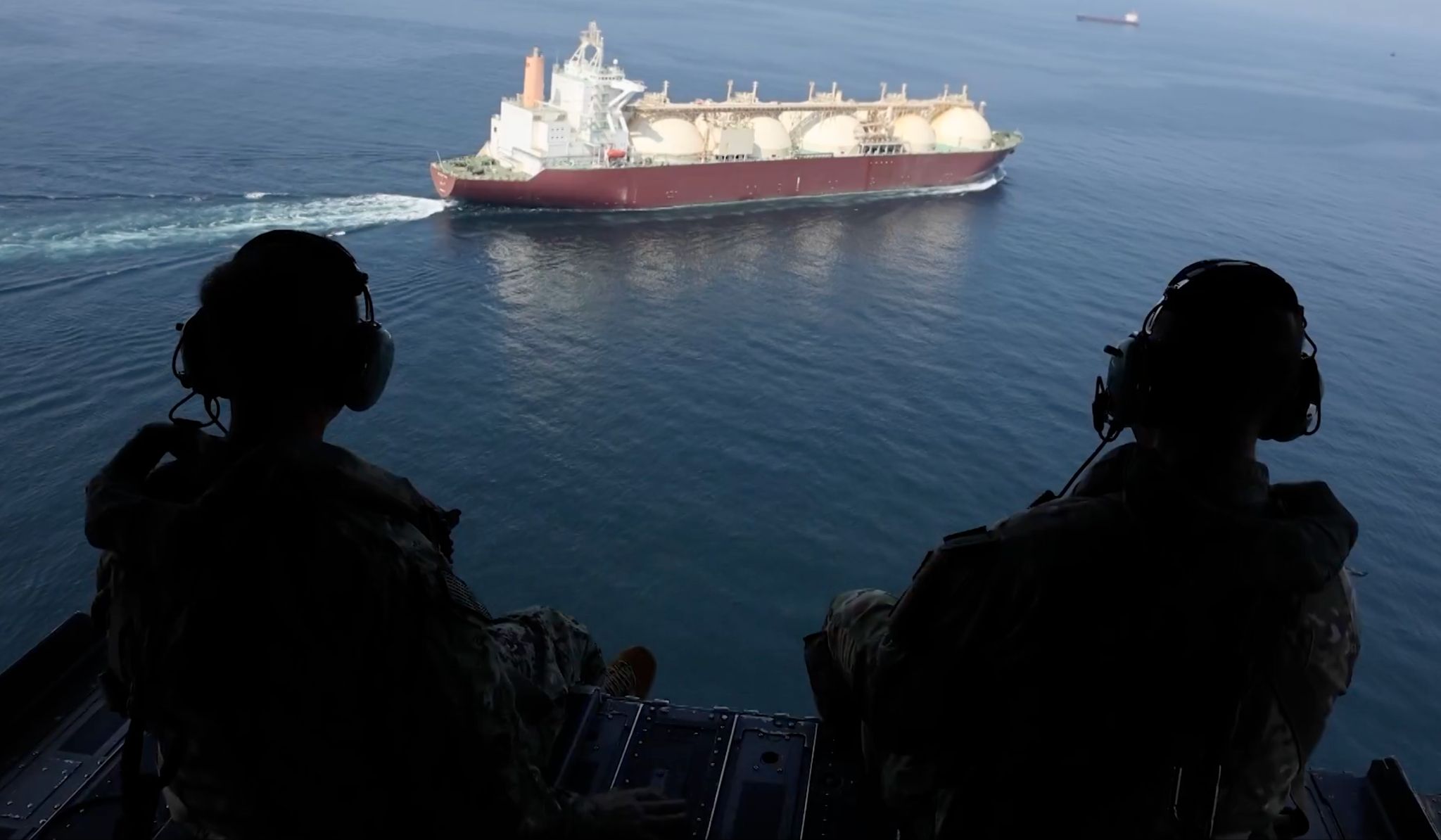
卡塔尔的大部分天然气仍被困在海湾地区,但多哈正在设法出口更多天然气,同时确保美国的供应,以履行其部分承诺。卡塔尔能源公司采用了地区原油出口商使用的“霍尔木兹穿梭”策略,将液化天然气出货量从3月的几乎为零提升至上月的战前水平约三分之一。据《金融时报》援引研究公司伍德麦肯兹的报道,该公司还有望在2033年前成为美国液化天然气的最大买家。
Most of Qatar’s gas remains trapped in the Gulf, but Doha is finding ways to export more of it while securing US supplies to meet some of its commitments. QatarEnergy has adopted the “Hormuz shuttle” tactic used by regional crude exporters, lifting LNG shipments from almost nothing in March to around a third of pre-war levels last month. It’s also on pace to become the biggest buyer of US LNG by 2033, the Financial Times reported, citing research firm Wood Mackenzie.
吉姆·克兰和亚历克斯·芒顿在贝克研究所的一篇论文中认为,为了挽回每月约40亿美元的收入损失,卡塔尔应推行“战略性对冲策略”,重点在于改善与伊朗和阿曼的商业关系、吸引中国股权投资,并通过乌代德空军基地强化与华盛顿的安全关系。
To recover roughly $4 billion in lost monthly revenue, Jim Krane and Alex Munton argue in a Baker Institute paper that Qatar should pursue a “strategic hedging strategy,” focused on improving commercial relations with Iran and Oman, attracting Chinese equity investment, and reinforcing security ties with Washington through Al Udeid Air Base.
多哈似乎正在遵循这一策略,但这并非没有风险。一艘据报道获准安全通过伊朗水域、目的地为巴基斯坦的油轮上周遭到袭击,而替代的霍尔木兹航线仍依赖美国军事保护。
Doha appears to be following that playbook, but it’s not without risk. A tanker that was reportedly granted safe passage through Iranian waters, destined for Pakistan, was struck last week, while the alternative Hormuz route still depends on US military protection.