
周二晚间前往投票站的选民,在决定投给谁时,更有可能参考自己喜爱的网红提供的信息,而非传统新闻。根据YouGov最近的一项调查,在接受调查的2000名成年人中,近65%表示他们从数字创作者那里获取政治信息。
A voter going to the polls Tuesday night was more likely than not to use information from their favorite influencer than traditional news when casting their vote. According to a recent YouGov survey, nearly 65 percent of 2,000 adults surveyed say they receive their political information from digital creators.
考虑到在Z世代中这一比例高达77%,这种趋势短期内不太可能改变。在民主党周二历史性地夺回众议院和参议院控制权之后,今年早些时候曾以民主党人身份竞选伊利诺伊州众议员的Kat Abughazaleh,以及共和党策略师CJ Pearson,于周三在迈阿密举行的WIRED World Fair(WIRED世界博览会)上,探讨了网红和算法的未来。
Given that that statistic jumps to 77 percent when you isolate Gen Z, it’s unlikely to change anytime soon. On the heels of a historic Democratic wave capturing the House and Senate Tuesday, Kat Abughazaleh, who ran for an Illinois House seat earlier this year as a Democrat, and Republican strategist CJ Pearson, talked about the future influencers and algorithms at the WIRED World Fair in Miami Wednesday.
特朗普政府在欢迎右翼创作者进入白宫方面表现得尤为积极。前新闻秘书Karoline Leavitt去年向数字创作者开放了正式新闻发布会,并在任内举办了专门面向网红的简报会。(Leavitt此举因偏向“软球提问”而招致大量批评,尤其是在政府打压更多传统媒体出席新闻发布会之际。)曾在共和党全国委员会(RNC)青年顾问委员会任职的Pearson直接参与了这些工作,他指出,多个联邦机构现在正在效仿白宫的做法。他表示,这仅仅是数字时代获取公众关注的代价。
The Trump administration has been particularly aggressive in welcoming right-wing creators into the White House. Former Press Secretary Karoline Leavitt opened formal press briefings to digital creators last year and hosted influencer-specific briefings during her tenure. (Leavitt’s move garnered hefty criticism for favoring softball questions, especially as the administration cracked down on the presence of more traditional media in press briefings.) Pearson, who previously served on the RNC’s Youth Advisory Council, has been directly involved in these efforts, and points out that multiple federal agencies are now copying the White House’s playbook. He said that it’s simply the cost of getting people’s attention in the digital age.
“这是一届极度长期在线的政府,”他说。“鉴于人们的注意力如此短暂,你必须让[事物]变得有趣。”
“It’s a very chronically online administration,” he said. “With how short people’s attention spans are, you have to make [things] interesting.”Not all of the White House’s efforts have been received smoothly on the right: Pearson believes the administration’s decision to distribute portions of the Epstein files to 15 right-wing creators last year was “a misstep.”For Abughazaleh, a former Media Matters reporter, the administration’s embrace of the internet signals something far more nefarious. Abughazaleh brought up the Department of Education’s recent use of the “Malfoid” meme—a gender-bent Harry Potter fascist figurehead—which, she said, was being promoted for a too-online audience of “incels.”And the White House’s embrace of “AI slop and brutality,” seen in ads about ICE actions, was turning “cruelty into content” rather than informing people, she says.
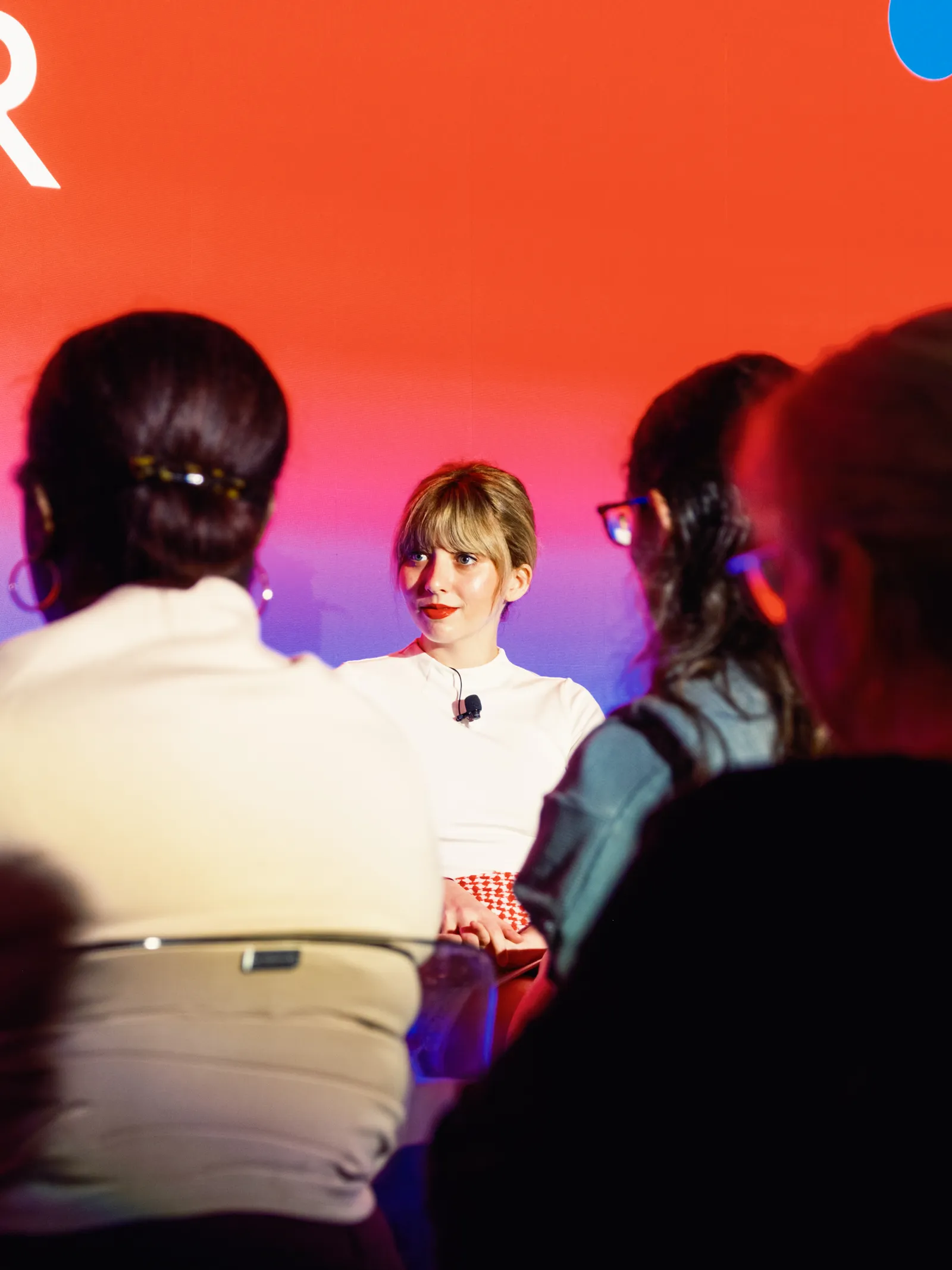
并非白宫的所有举措都在右翼得到顺利接受:皮尔森认为,政府去年决定向15位右翼创作者分发部分爱泼斯坦文件是“一次失误”。对前Media Matters记者阿布加扎勒而言,政府对互联网的拥抱暗示了更为险恶的东西。阿布加扎勒提到了教育部最近使用的“马尔福”表情包——一个性别颠倒的《哈利·波特》法西斯形象——她说,这一表情包正被推向“太过在线”的“单身男性”受众。
而白宫对“AI低俗与暴力”的推崇——体现在关于移民执法局(ICE)行动的广告中——正把“残忍变成内容”,而非向公众提供信息,她说。“他们在试图毁掉你的注意力跨度,”她说。
“They’re trying to ruin your attention span,” she said.
阿布加扎勒和皮尔森在政治光谱上相距甚远。WIRED论坛中出现了一些激烈的争论,包括是否可以称ICE设施为“集中营”——这一术语是阿布加扎勒使用的,她去年因在ICE设施外抗议被逮捕(在大陪审团前检方指控被指不当后,指控被撤销)——以及埃隆·马斯克是否把X平台变成了“言论自由的堡垒”,皮尔森持相反观点。
Abughazaleh and Pearson are pretty far apart on the political spectrum. The WIRED forum included some testy exchanges, including whether or not ICE facilities can be called “concentration camps”—a term Abughazaleh, who was arrested for protesting outside an ICE facility last year, used consistently (the charges were dropped after allegations of misconduct by prosecutors before a grand jury)—and whether or not Elon Musk had turned X into a “bastion of free speech,” according to Pearson.
但两人都同意,算法的依赖正日益在两党年轻美国人中制造回音室。
But both agreed that reliance on algorithms is increasingly making echo chambers with young Americans of both parties.
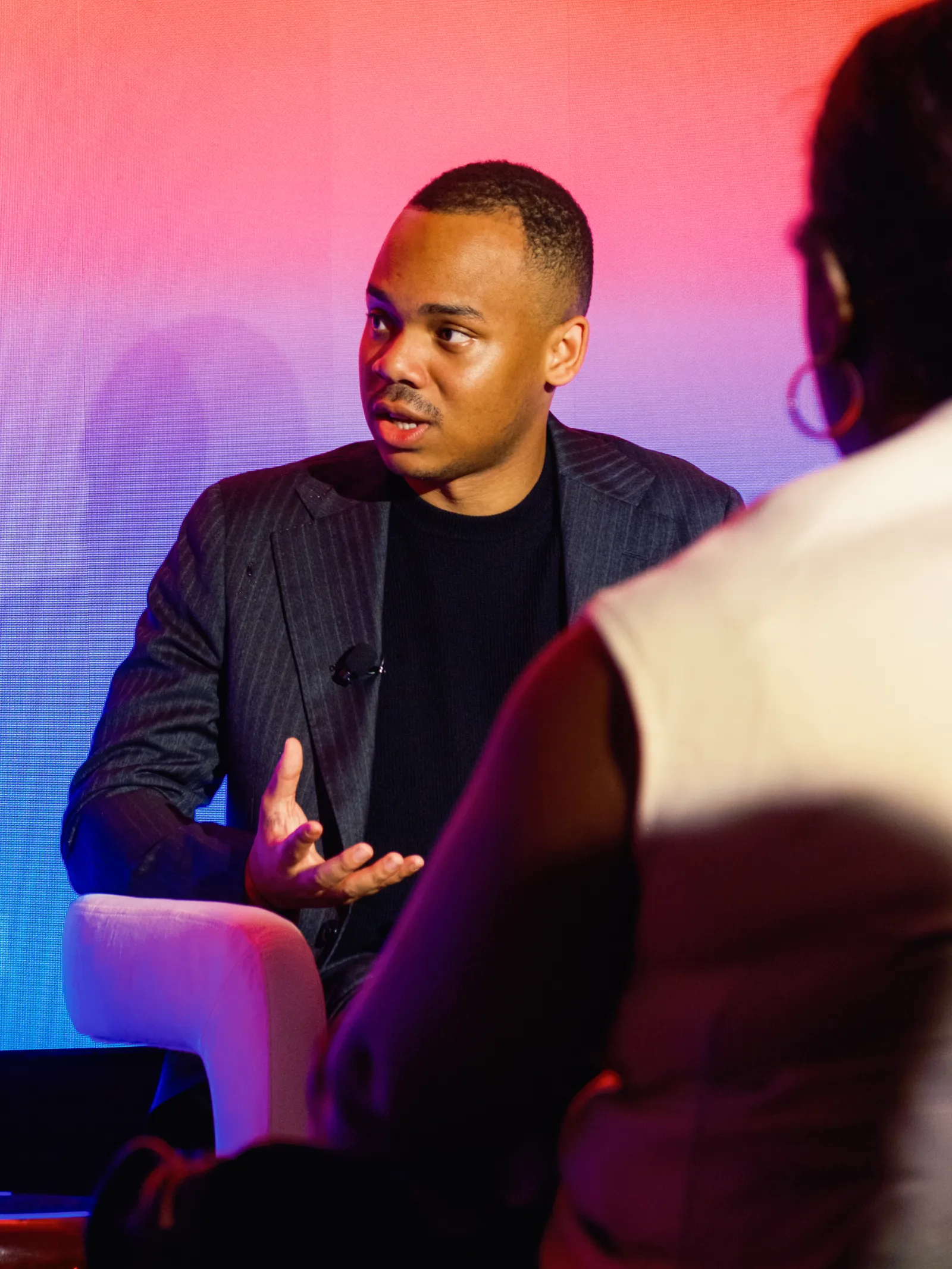
“算法向我们展示你想看的内容,”皮尔森说,并提到他的左翼朋友有时会给他发送他根本未曾见过的政治议题文章。“更深层的问题是,这对社会或民主有益吗?”对此,阿布加扎勒表示赞同。“我们没有共享的现实,”她补充道。
“Algorithms show us what you want to see,” Pearson said, mentioning that his friends on the left will sometimes send him articles on political topics he simply hasn’t seen before. “The deeper question is, is that good for society or for democracy?”On this, Abughazaleh agrees. “We have no shared reality,” she added.