在势均力敌的竞选中,任何能让支持率偏移几个百分点的群体都可被称为关键少数。然而在 2024 年,Z 世代选民确实赢得了聚光灯。
In tight races, any group that shifts a few points can be called decisive. In 2024, however, gen Z voters actually earned the spotlight.
以密歇根州为例,唐纳德·特朗普以约 1.4 个百分点的优势获胜:他与卡玛拉·哈里斯在青年选票上平分秋色,与 2020 年相比,民主党的优势崩塌了 24 个百分点。如果年轻选民仅占该州选民总数的 15%,他们向总统倾斜的幅度将价值约 3.6 个百分点,超过特朗普的全部胜选优势。
Take Michigan, where Donald Trump won by about 1.4 points: he and Kamala Harris evenly split the youth vote, a 24-point collapse in the Democratic edge since 2020. If young voters made up just 15% of the state’s electorate, their swing toward the president would be worth roughly 3.6 points, larger than Trump’s entire margin of victory.

从此,两党都争相拉拢那些似乎掌握着 Z 世代“耳朵”的风向标人物。
Ever since, both parties have scrambled to court the tastemakers who seem to have gen Z’s ear.
在她的首场新闻发布会上,前白宫新闻秘书卡罗琳·利维特在简报室预留了一个“新媒体席位”,邀请播客主、网红和内容创作者申请采访证。众议院共和党竞选机构全国共和党国会委员会(NRCC)已向一个保守派网红网络支付了超过 12 万美元,在账目中仅将这笔开支列为“媒体”。
At her debut briefing, the former White House press secretary Karoline Leavitt reserved a “new media seat” in the briefing room, inviting podcasters, influencers and content creators to apply for credentials. The NRCC, House Republicans’ campaign arm, has paid more than $120,000 to a network of conservative influencers, listing the expense simply as “media”.
民主党全国委员会(DNC)也不甘示弱,已通过其“网红与创意”项目与 500 多位网络名人建立合作关系——最近甚至提出了在 2028 年初选期间举办由创作者主持的辩论这一想法。
Not to be outdone, the DNC has partnered with more than 500 online personalities through its “Influencer & Creative” operation – and has lately floated the idea of a creator-hosted debate during the 2028 primaries.
所有这些努力的基础都是同一种一厢情愿的理论:两党似乎都认为,网络创作者只需上传政治观点,就能直接植入我们的大脑。
The same wishful theory undergirds all these efforts: both parties seem to think online creators can simply upload political opinions straight into our heads.
作为一名 Z 世代,我觉得这种理论颇具居高临下的意味。更关键的是,它并不符合事实:几乎没有证据表明,网络创作者在 Z 世代实际如何投票这件事上发挥了多大作用。如果年轻选民决定了这些中期选举的结果,网红不应获得赞誉。虽然有很多人观看网红内容,但极少有人深度信任他们。
As a zoomer myself, I find this theory rather patronizing. More to the point, it isn’t true: there’s little evidence that online creators play much of a role in how zoomers actually vote. And if young voters decide these midterms, influencers shouldn’t get the credit. Plenty of people watch influencers, but very few people deeply trust them.
在“媒体洞察项目”今年的一项调查中,63%的18至34岁受访者表示,他们“至少有时”会从网红那里获取新闻。然而,在那些确实从这些人那里获取新闻的青少年和成年人中,只有9%表示对他们听到的内容有极大的信心。(AI聊天机器人的信任率几乎相同,为10%。)其他民调也发现了大致相同的结果:舆观调查公司9月对八个摇摆州的年轻选民进行了调查,询问他们实际会向谁寻求政治建议,一半人说是家庭成员,三成人说是朋友。只有6%的人说是网红。
In a survey this year by the Media Insight Project, 63% of 18-to-34-year-olds said they get news from influencers “at least sometimes”. Yet among teens and adults who actually receive news from these people, just 9% report having a great deal of confidence in what they are being told. (AI chatbots enjoy a nearly identical rate of trust, at 10%.) Other polls have found much the same thing: when YouGov surveyed young voters across eight battleground states in September on whom they actually turn to for political advice, half named a family member and three in 10 named a friend. Just 6% named an influencer.
塔夫茨大学公民参与研究中心“Circle”今年春天发布的另一项针对年轻人的调查显示,只有9%的受访者表示,他们从网红和名人的社交媒体帖子中获取政治信息。另有14%的人表示,他们从网红、艺术家、喜剧演员或其他名人主持的播客中获取信息。
In another survey of young people released this spring by Circle, a civic-engagement research center at Tufts, just 9% of respondents said they got political information from social media posts by influencers and celebrities. Another 14% pointed to podcasts hosted by influencers, artists, comedians or other celebrities.
相比之下,45%的受访者——最大比例——从他们关注的政治、倡导或社区组织获取信息,而近三分之一的人提到与家人和朋友的交谈。
By contrast, 45% of respondents – the largest share – got their information from political, advocacy, or community organizations they follow, while nearly a third cited conversations with family and friends.
无论网络人物实际上能在多大程度上说服人们,他们的力量完全建立在一个幻觉之上:他们是在为自己代言。自然,两党都通过打破这一幻觉来做出回应。
To whatever extent that internet personalities actually persuade people, their powers rest entirely on the illusion that they speak for themselves. Naturally, both parties have responded by shattering that illusion.
竞选团队及其盟友越来越多地为这些声音付费,而且往往价格高昂。在今年加州州长竞选中,汤姆·斯泰尔至少向17名网红每人支付了5000美元或更多,而凯蒂·波特的竞选团队向一位生活方式创作者支付了2.5万美元,看起来只是为了一条帖子。一位拥有170万粉丝的TikTok创作者说,一个与共和党有关联的团体曾出价3.6万美元请她制作一段视频;而一家与共和党关系深厚的公司曾付钱给一群Z世代创作者,让他们在……为肯·帕克斯顿辩护,帕克斯顿现在是得克萨斯州共和党参议员候选人。
Campaigns and their allies increasingly pay for those voices, often at exorbitant prices. In this year’s race for California governor, Tom Steyer paid at least 17 influencers $5,000 or more apiece, while Katie Porter’s campaign paid one lifestyle creator $25,000 for what appeared to be a single post. A TikTok creator with 1.7 million followers said a Republican-affiliated group had offered her $36,000 for a video, and a company with deep Republican ties once paid a squad of gen Z creators to defend Ken Paxton, now Texas’s Republican Senate nominee, on Some influencers attempt to keep these “partnerships” hidden.
一些网红试图隐藏这些“合作关系”。《纽约时报》发现,拥有近80万粉丝的进步派创作者乔什·格林并不总是披露这样一个事实:在本选举周期中,他至少收过七名候选人和盟友团体的钱。
The New York Times found that Josh Greene, a progressive creator with nearly 800,000 followers, had not always disclosed the fact that he’d taken money from at least seven candidates and allied groups this cycle.
而当这些付款曝光时——它们往往会曝光——就有可能摧毁竞选团队原本想购买的那种可信度。正如雷尼公共政策中心今年夏天发现的那样,47%的选民表示,在得知一条政治帖子是由竞选团队付费后,他们会更不信任该创作者;只有11%的人表示会更信任他们。
And when the payments do come to light – as they tend to – they risk destroying the very credibility that campaigns were trying to buy. As the Rainey Center for Public Policy found this summer, 47% of voters said they’d trust a creator less after learning a political post had been paid for by a campaign; only 11% said they’d trust them more.
显然,互联网很重要。佐赫兰·马姆达尼在去年的纽约市长竞选中以约40个百分点的优势赢得了年轻男性的支持,他曾表示,他遇到的许多纽约人只是通过他做客播客节目才认识他,例如喜剧演员安德鲁·舒尔茨主持的《Flagrant》。(正如马姆达尼所说,民主党人应该“停止用我们在政治中经常看到和听到的那种居高临下的态度对待年轻人和年轻男性”。)而特朗普在2024年对播客圈的巡访,到当年大选次日已在YouTube上累计获得超过1亿次观看。
Obviously, the internet matters. Zohran Mamdani, who won young men by roughly 40 points in last year’s New York mayoral race, has said many New Yorkers he met knew him only from his appearances on podcasts such as Flagrant, hosted by the comedian Andrew Schulz. (As Mamdani put it, Democrats should “stop treating young people and young men with the condescension that we often see and hear in our politics”.) And Trump’s tour of the podcasting sphere in 2024 had racked up more than 100 million YouTube views by the day after the election that year.
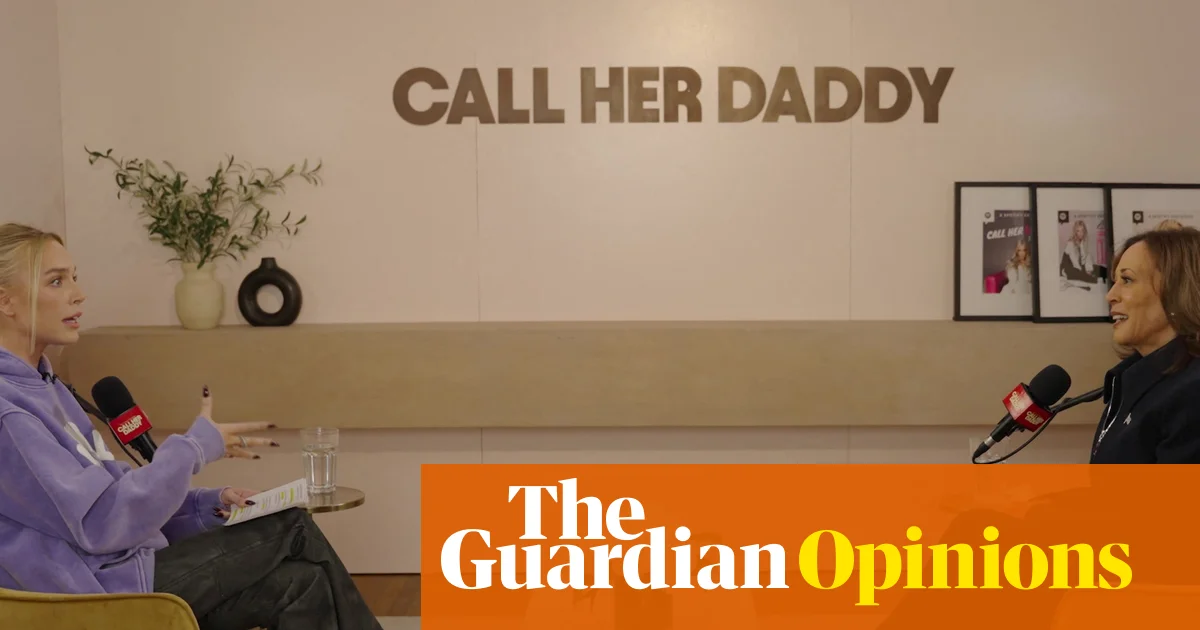
尽管如此,这两次露面都是采访,而不仅仅是付费内容。即便提问氛围友好,候选人依然承担了大部分的讲话。而且播客采访形式本身并非万灵药:卡马拉·哈里斯(Kamala Harris)在《Call Her Daddy》节目上的亮相似乎对争取年轻选民收效甚微。
Still, both appearances were interviews, not simply paid content. Even if the questioning is friendly, the candidates still do most of the talking. And the podcast-interview format itself isn’t magic: Kamala Harris’s appearance on Call Her Daddy seems to have done little to move young voters.
每一代年长者都会觉得下一代难以捉摸,而Z世代尤其令人难以看透。年长美国人难以理解在社交媒体时代迎来成年意味着什么,这是可以被原谅的。(诚然,我们的网络模因真的很奇怪。)不过,如果忽略我们的屏幕使用时间,我们其实相当正常。就像年龄是我们两倍的摇摆选民一样,由于物价依然顽固地居高不下,我们已经抛弃了共和党。尽管华盛顿花费了大量资金来解码我们的政治决策过程,但关于Z世代选民最令人惊讶的事情,或许正是我们是多么乏味地普通。
Every older generation finds the next one inscrutable, and gen Z is an especially tough read. Older Americans can be forgiven for struggling to grasp what it means to come of age in the era of social media. (Our memes are, admittedly, really weird.) Still, if you ignore our screen time, we’re pretty normal after all. Like swing voters twice our age, we’ve ditched the Republican party because prices remain stubbornly high. For all the money Washington is spending to decode our political decision-making, the most surprising thing about gen Z voters may be just how boringly ordinary we are.