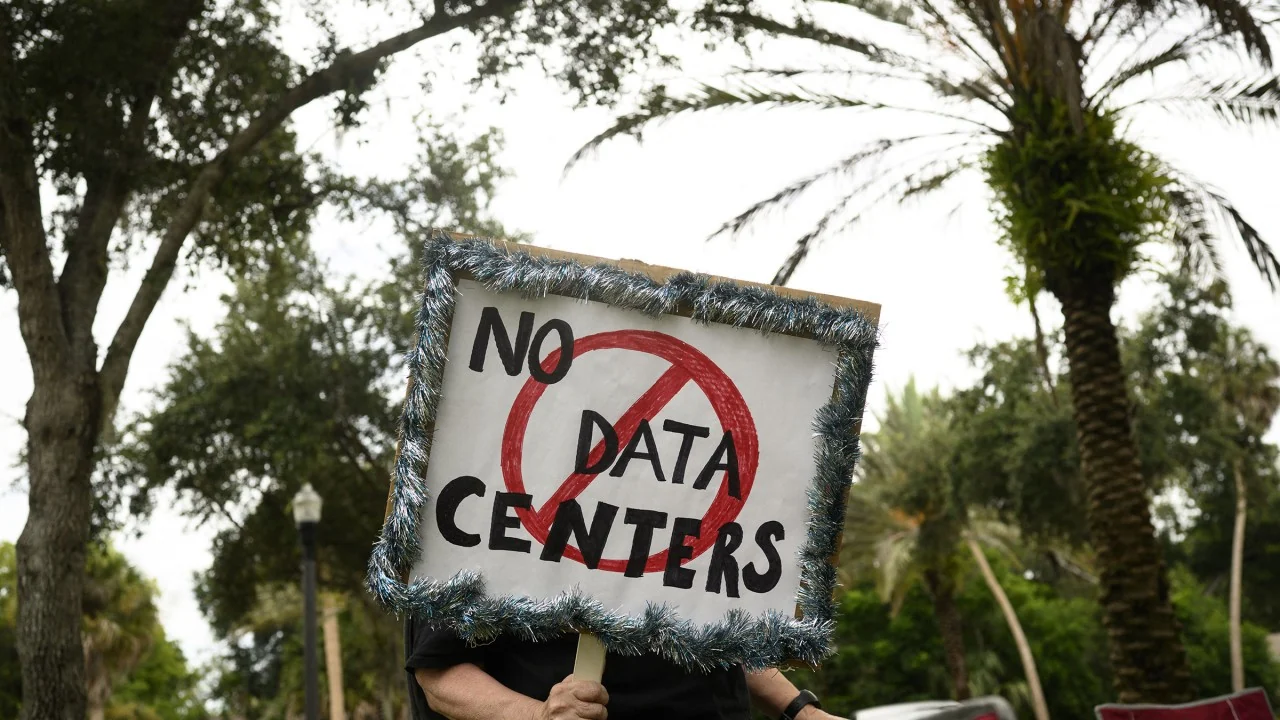
美国中期选举中选民强烈反弹,针对包括数据中心在内的AI基础设施项目,这表明将国内建设定位为与中国竞争的关键未能说服美国民众,并凸显了解决当地担忧的必要性,分析人士指出。
Strong voter backlash in the US midterm elections against AI infrastructure projects, including data centres, indicates that framing the domestic buildout as key to competing with China failed to convince Americans and underscores the need to address local concerns, according to analysts.
“我们需要建设更多数据中心以便在AI领域战胜中国这一论点,似乎不再具有以往那种共鸣力,坦白说,即便以前有也没有了,”布鲁金斯学会约翰·桑顿中国中心研究员凯尔·陈表示。
“The argument that we need to build more data centres to win in AI against China no longer seems to have the kind of resonance it did before, if it ever did, frankly,” said Kyle Chan, a fellow at the Brookings Institution’s John L. Thornton China Centre.
亚洲协会政策研究所研究员李莉呼应了这一评估,称:“教训是,援引中国作为科技和产业投资的理由正变得越来越无效。”特朗普政府和共和党以与中国的竞争为由,强行在全国推进AI基础设施建设,但选民选择优先考虑电费飙升、用水量以及生活质量等当地担忧,而非华盛顿与北京的技术竞争。
Lizzi Lee, a fellow at the Asia Society Policy Institute, echoed that assessment, saying: “The lesson is that invoking China as a justification for tech and industrial investment is becoming less effective.”The Trump administration and the Republican Party cited rivalry with China to barrel through AI infrastructure across the country, but voters chose to prioritise local concerns about soaring power bills, water use and quality of life above Washington’s technological competition with Beijing.
民主党赢得众参两院控制权后,承诺将介入,设立新的护栏,并为AI发展规划一条新的前进道路。
Democrats, having won control of the House and Senate, are promising to step in with new guardrails and map out a fresh path forward on AI development.
然而,专家表示,鉴于美国总统特朗普的对立优先事项以及两党缺乏持久共识,达成共识仍将十分困难。
Experts, however, say achieving a consensus will still be difficult given US President Donald Trump’s opposing priorities and a persistent lack of bipartisan agreement.
周二的选举中,主张反对不受约束的AI和数据中心扩张的民主党候选人取得重大胜利,在德克萨斯州和俄亥俄州赢得参议院席位,并在德克萨斯州、佐治亚州和俄亥俄州赢得州长选举。
Tuesday’s elections saw Democrats who campaigned against unchecked AI and data centre expansion score major victories, winning Senate races in Texas and Ohio and gubernatorial races in Texas, Georgia and Ohio.
此外,全国数十个镇的选民批准了禁止或限制新建数据中心的措施。
In addition, voters in dozens of townships across the country approved measures to ban or restrict the construction of new data centres.
“就选民而言,与中国在AI领域的竞争根本未成为竞选因素,”美中研究所资深驻会研究员古普塔表示。
“Competition with China on AI simply did not factor into the races as far as the electorate was concerned,” said Sourabh Gupta, resident senior fellow at the Institute for China-America Studies.
特朗普政府将人工智能基础设施扩张描述为跟上中国步伐、保持美国领导地位的关键,同时淡化当地社区的担忧,以及因安全风险而呼吁放缓前沿模型开发的声音。
The Trump administration framed AI infrastructure expansion as vital to keeping pace with China and preserving US leadership, while downplaying local communities’ concerns, along with calls to slow the development of frontier models amid safety risks.
“我们在人工智能领域领先中国,我们是世界上最先进的国家,坦白说,我希望保持这种局面,因为谁赢了人工智能,谁就赢了,”特朗普9月表示。
“We are leading China in AI, we’re the most sophisticated country in the world, and frankly, I want to keep it that way because whoever wins AI, wins,” Trump said in September.
短期内,DGA-奥布赖特斯通布里奇集团合伙人保罗·特里奥洛认为,对美中人工智能竞赛的担忧不太可能凌驾于当地社区对数据中心的担忧之上,例如电价和供水问题。
In the short term, Paul Triolo, a partner at the DGA-Albright Stonebridge Group, thinks it is unlikely that fears about the US-China AI race will override local concerns about data centres, such as electricity prices and water supplies.
他补充道:“目前,人工智能竞赛的概念并没有那么有吸引力,因为失业、人工智能安全和人工智能数据中心形成了一个坚实的负面‘三重奏’,将与中国的竞争排在大多数选民关注清单的很后面。”
“Right now the idea of a race around AI is not that appealing when job losses, AI safety and AI data centres form a solid negative trifecta around the issue, putting China competition well down the list for most voters,” he added.
在人工智能安全问题上,特朗普倾向于行业自愿监管而非政府监管。他9月在白宫会见了主要人工智能高管,并支持一项自愿协议,要求公司监控和审计自己的系统,他将该协议描述为“道德约束力”。
On AI safety, Trump has favoured voluntary industry oversight over government regulation. He met leading AI executives at the White House in September and backed a voluntary pact requiring companies to monitor and audit their own systems, describing the agreement as “morally binding”.
陈某表示:“我可以想象特朗普继续不愿遏制美国的人工智能进步,并继续希望将其描绘为美国第一、在人工智能领域击败中国。”
“I can imagine Trump continuing to be reluctant to rein in AI progress in the US and for him to continue to want to frame it as America being number one and beating China in AI,” Chan said.
然而,对于住在数据中心附近的居民来说,美国必须在人工智能领域超越中国这一论点分量较轻,他们更关心这些项目对其社区的直接影响。
However, the argument that the US must outpace China in AI carries less weight for residents living near data centres, who are more concerned about the projects’ direct impact on their communities.
林赛·肖和杰西卡·梅德罗斯亲身经历了美国数据中心繁荣带来的代价。她们居住在弗吉尼亚州北部的劳登县,该县人均数据中心数量居世界首位。
Lindsay Shaw and Jessica Medeiros know first-hand the toll of America’s data centre boom. They live in Loudoun County, northern Virginia, which has the most data centres per capita in the world.
在弗吉尼亚州斯特林她们家对面,一座巨大的设施昼夜运转,使她们不得不忍受燃气轮机、柴油废气和持续不断的工业噪音。
Across the street from their homes in Sterling, a massive facility runs day and night, subjecting them to gas turbines, diesel fumes and relentless industrial noise.
“住在数据中心旁边,我体会到,进步在幻灯片上看起来,和在自家后院看起来,差别很大,”梅代罗斯说。“我认为选民正在发出一个信号:增长很重要,但倾听那些承受影响的人同样重要。”肖同意这次投票表明人们对问责有更广泛的诉求,而不是反技术或反AI的立场。
“Living next to a data centre, I’ve learned that progress looks a lot different on a PowerPoint slide than it does from your backyard,” Medeiros said. “I think voters are sending a message that growth matters, but so does listening to the people who live with the impacts.”Shaw agrees the vote signals a broader appetite for accountability rather than an anti-technology or anti-AI stance.
“无论理由是赢得对华AI竞赛,还是仅仅为了安置和保护我们的数据——我们都需要它们。我们所有人日常生活中都在使用AI和互联网,”她说。“但无论用什么理由,都不能为对社区造成的影响开脱。”梅代罗斯持相同看法,她认为社区不应为了推进更广泛的政治议程而受苦,无论这一议程与AI、中国还是经济增长有关。
“Whether the argument is to win the AI race against China or just to house and protect our data – we need them. All of us use AI and the internet in our daily lives,” she said. “Whatever reason is used, though, does not justify the impact on communities.”Medeiros shared that view, arguing that communities shouldn’t suffer to advance a broader political agenda, whether tied to AI, China or economic growth.
“我就是不相信特朗普推动赢得对华AI竞赛应该以公民为代价,”她说。“我认为他在利用与中国的竞争来加快速度、建得更大,同时指望我们就这样接受后果。”虽然梅代罗斯希望选举结果能迫使全国各地的官员在建设新数据中心之前权衡社区影响,肖仍然持怀疑态度。
“I just don’t believe that Trump’s push to win the AI race with China should be at the citizens’ expense,” she said. “I think he’s using competition with China to move faster and build bigger, while expecting us to just accept the consequences.”While Medeiros hopes the election results will force officials across the country to weigh community impact before building new data centres, Shaw remains sceptical.
“当我看到领导人真正为人民挺身而出,把这些设施规划并建在工业区而不是社区中间时,我才会更有希望,”她说。
“I’ll feel more hopeful when I see leaders actually standing up for the people and plan and build these in industrial areas and not among communities,” she said.
“我希望其他地区的美国人在与大型科技公司打交道时更成功,但只要有足够的钱,我不确定会有哪位领导人会为他们的社区挺身而出。”中期选举刚刚获胜,民主党人正承诺要做的正是这件事。
“I hope Americans in other areas are more successful in working with big tech, but with enough money, I’m not sure any leader would stand up for their communities” Fresh off winning the midterms, Democrats are promising to do just that.
刘云平以较大优势赢得加利福尼亚州第36国会选区的连任,他是国会民主党AI委员会的联合主席。他周三表示,他的政党计划介入,为数据中心建设设置新的防护栏,并对AI实施更广泛的监管。
Ted Lieu, who comfortably won re-election from California’s 36th Congressional District and is the co-chair of the Democratic Commission on AI in Congress, said on Wednesday that his party plans to step in with new guardrails around data centre construction and broader AI regulation.
刘云平说:“下一届任期将有两件事发生变化。我们将就人工智能举行公开听证会。我们将通过立法,为人工智能设置合理的防护栏。”众议院民主党人工智能委员会是一个党内小组,旨在积累政策专业知识、接触科技利益相关者,并为人工智能制定立法防护栏和监督机制。
“Two things will change next term,” Lieu said. “We will hold public hearings on AI. We will pass legislation, reasonable guardrails, on AI.”The House Democratic Commission on AI is an internal party panel created to build policy expertise, engage tech stakeholders and shape legislative guardrails and oversight for artificial intelligence.
特里奥洛表示,民主党人可能会推动与数据中心相关的立法,但任何法案的通过都需要共和党人的支持。
Democrats could push for legislation related to data centres, but they would need Republican support to pass anything, said Triolo.
他补充说:“比人工智能基础设施建设更重要的是,新一届国会将讨论如何监管模型的开发和发布,以及政府应扮演怎样的监督角色。”
“Even more important than the AI infrastructure buildout will be discussion in the new Congress on regulating how models are developed and released and what the government oversight role should be,” he added.
随着过去几个月人工智能安全问题主导了关于政府监督的辩论,要求国会采取行动的呼声已经出现。
As AI safety issues have dominated the debate on government oversight over the past few months, calls for congressional action have already emerged.
特里奥洛表示,在新一届国会中,安全监督可能会比试图对数据中心实施全国性限制立法占据更多精力,后者在很大程度上仍是一个地方性问题。
Triolo said safety oversight is likely to take more bandwidth in the new Congress than attempts to legislate national restrictions on data centres, which have remained a largely local issue.
专门研究中国和技术政策的特里奥洛补充说:“如果中国企业在某些领域似乎正在跟上甚至超越美国人工智能企业,那么在民主党主导的国会中,将有更多人呼吁放松监管,并加大对数据中心建设的支持。”
“If Chinese firms appear to be keeping pace or even surpassing US AI firms in some areas, there will be more calls for both an easy hand on regulation and more support for data centre buildouts in a Democrat-led Congress,” added Triolo, who specialises in China and technology policy.