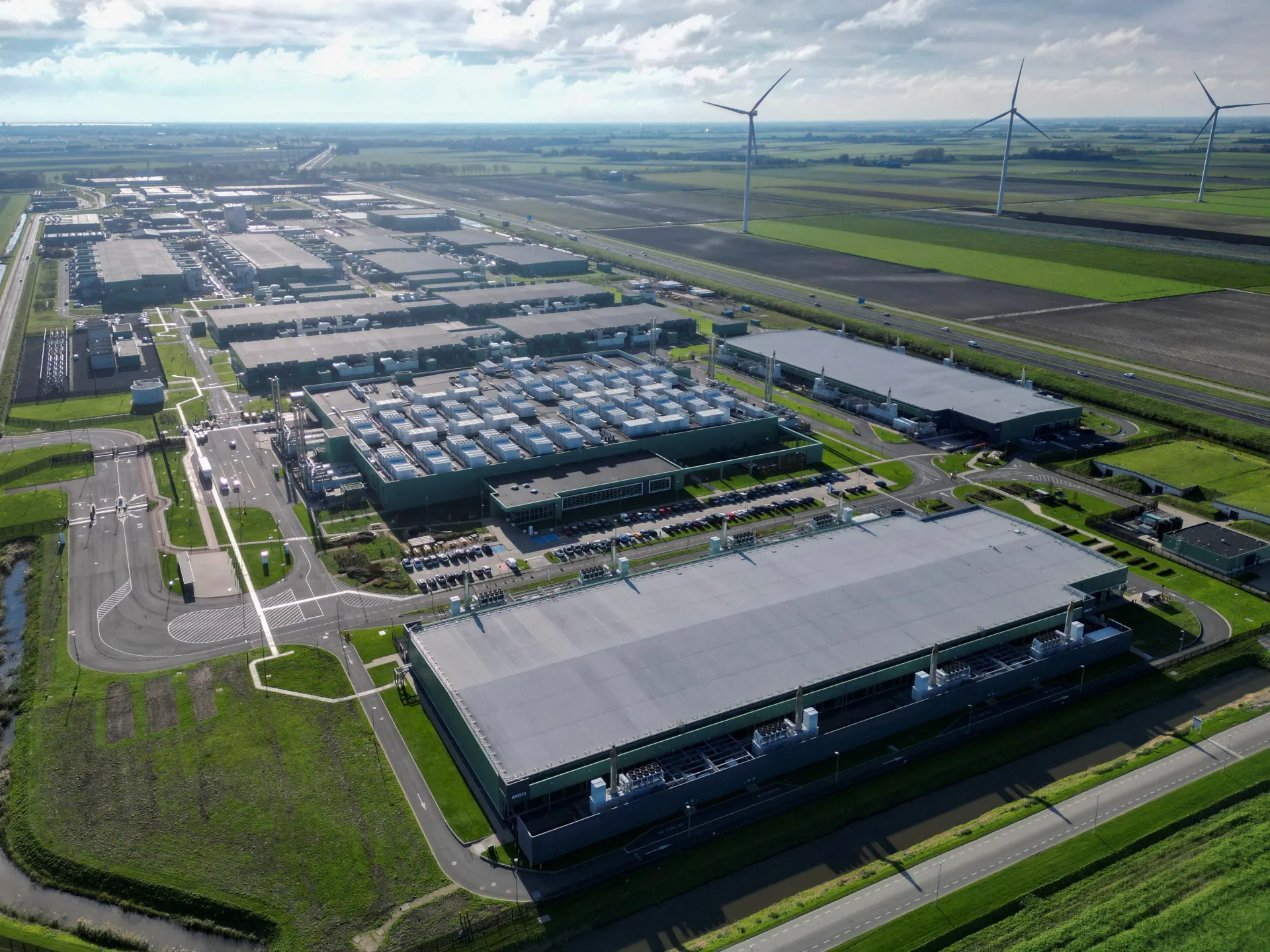
随着人工智能数据中心的快速增长加剧了全球能源危机,丹麦的工程师们找到了一种利用这些中心产生的巨量“废热”的方法,这些废热通常都会白白排入室外空气中。
As the rapid growth of AI data centres compounds the world’s energy crisis, engineers in Denmark have found a way to make use of the vast amounts of “waste heat” generated by these centres, which is usually lost to the outside air.
全球有超过1.25万个数据中心,并且每天都有更多数据中心投入运营,这给全球能源基础设施和资源带来了沉重压力。
There are more than 12,500 data centres around the world and more are coming online every day, straining global energy infrastructure and resources.
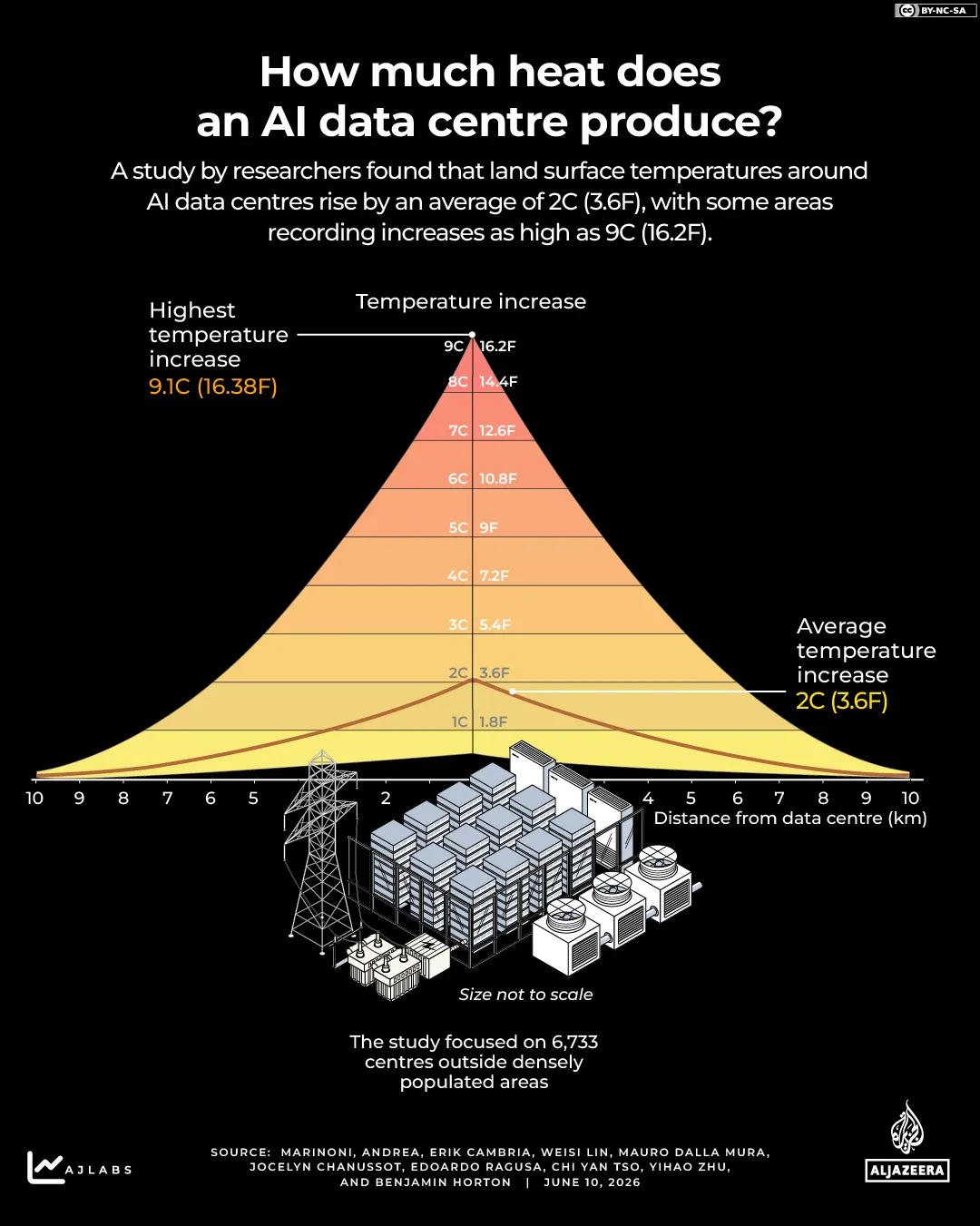
除了消耗数千亿升水之外,这些系统不仅对全球电网提出了巨大需求,而且很可能也在大规模地加剧全球变暖。
Beyond consuming hundreds of billions of litres of water, these systems not only place a massive demand on the global electrical grid, but are likely to be contributing to global warming on a massive scale as well.
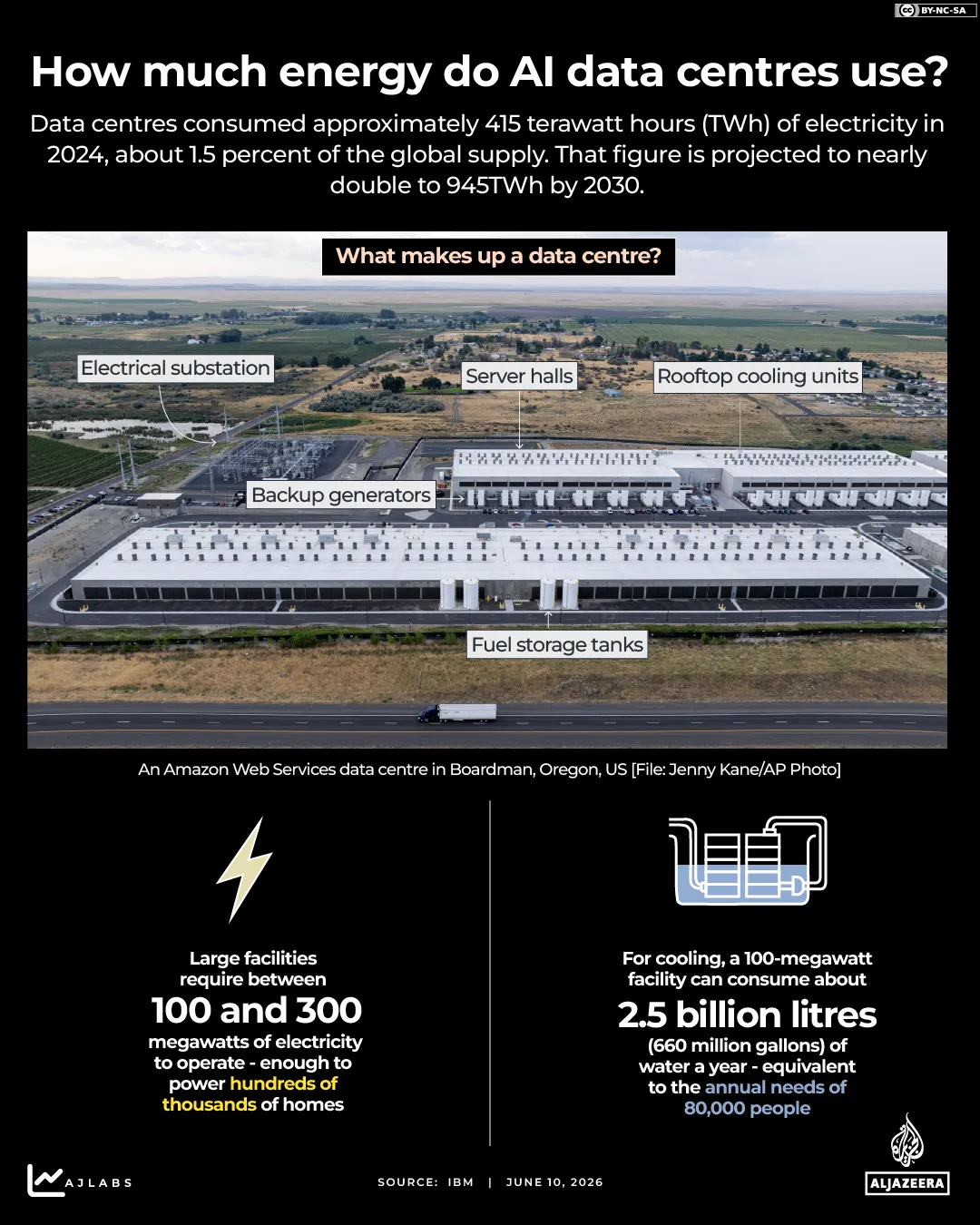
国际能源署(IEA)报告称,在2024年,数据中心消耗了485太瓦时的电力,相当于全球总能源供应的1.5%,或者德国的总发电量。
The International Energy Agency (IEA) has reported that, in 2024, data centres used 485 terawatt hours of electricity, the equivalent of 1.5 percent of the world’s total energy supply – or the total electricity generation of Germany.
到2030年,这一数字将翻一番,达到3%,其中由人工智能发展驱动的比例呈指数级增长。值此之际,各国正寻求能源独立,并需要大幅削减二氧化碳排放。
And this figure will double to 3 percent by 2030, with an exponentially growing proportion driven by AI development. This comes as nations are seeking energy independence and need to drastically cut their CO2 emissions.
事实上,联合国欧洲经济委员会已经警告称,人工智能超大规模数据中心(如谷歌、亚马逊和微软等大型云服务提供商)及其支持所需的庞大数据中心的快速扩张,对“全球电力系统构成了日益严重的威胁”。
Indeed, the United Nations Economic Commission for Europe has warned that the rapid expansion of AI hyperscalers – the large-scale cloud service providers like Google, Amazon and Microsoft – and the vast data centres required to support them – pose a “growing threat to electricity systems worldwide”.
数据中心的激增正引发广泛愤怒。在荷兰,警方于周五逮捕了抗议在阿姆斯特丹附近建造新的微软数据中心的抗议者。与此同时,埃隆·马斯克也招致了得克萨斯州居民的不满,他将自己的人工智能和太空探索技术公司(SpaceX)业务迁至该州以利用税收优惠。尽管马斯克为共和党砸下了数亿美元的竞选资金,但得克萨斯州居民在本周的中期选举中依然投票选出了近40年来的首位民主党参议员——詹姆斯·塔拉里科。
The proliferation of data centres is causing widespread anger. In the Netherlands, police arrested protesters against the construction of a new Microsoft data centre close to Amsterdam on Friday. Meanwhile, Elon Musk has earned the ire of residents of Texas, where he moved his AI and SpaceX operations to take advantage of tax breaks. Texans voted in their first Democratic senator – James Talarico – in nearly 40 years in this week’s midterm elections despite Musk sinking hundreds of millions of dollars into campaigns for the Republican Party.
捕获废热的工作原理今年5月在南丹麦大学森讷堡分校投入使用的“比特”超级计算机,是该国学术研究的首选人工智能资源。它提供了深度数据分析和复杂科学模拟所需的人工智能计算能力。
How capturing wasted heat works The Bitten supercomputer, which was launched in May this year at the University of Southern Denmark in Sonderborg, is the go-to AI resource for academic research across the country. It provides the AI computing power required for deep data analysis and complex scientific simulations.
但就像世界各地的超级计算机和人工智能数据中心一样,“比特”的性能与其耗电量成正比。在处理工作负载时,其专用处理器全天候产生极端数量的热能。
But like supercomputers and AI data centres everywhere, Bitten’s capability matches its power consumption. Twenty-four hours a day, its specialised processors generate extreme amounts of thermal energy as they handle the workload.
现在,丹麦工程公司丹佛斯(Danfoss)设计了先进的液体冷却技术,100%回收了这些废热,而不是像其他地方的人工智能中心那样让这些能量消散。这项技术取代了向室外空气排热的传统空调和风扇。
Now, instead of just allowing that energy to dissipate like AI centres elsewhere, 100 percent of the waste heat is recovered by advanced liquid cooling technology designed by the Danish engineering company Danfoss. This replaces traditional air conditioning and fans that vent to the outside air.
新系统将冷却液直接泵送至高温处理芯片上方,完全吸收废热。然后,这些热量可以直接输送到森讷堡的市政区域供热网络中,帮助该镇的7.5万名居民保持温暖。
The new system pumps coolant directly over the high-temperature processing chips, completely absorbing the waste heat. That heat can then be channelled directly into Sonderborg’s municipal district heating network to help the town’s 75,000 residents stay warm.
丹麦气候解决方案公司(Danfoss Climate Solutions)总裁克里斯蒂安·斯特兰德(Kristian Strand)对半岛电视台表示,每当我们拍摄照片或上传文档时,我们就会激活数据中心中的处理程序。
Kristian Strand, president of Danfoss Climate Solutions, told Al Jazeera that whenever we take a picture or upload a document, we activate processing in a data centre.
他说:“这会产生我们必须清除的热量。有了废热回收系统,在工艺结束时,你的数据中心基本上就会流出一根热水管。这些热水不仅可以用来加热房屋,还可以用于工业过程。”将数据中心转变为能源来源在世界各地,工业过程中产生的巨量能源直接消散到了大气中。斯特兰德对半岛电视台表示,丹佛斯经计算得出,欧洲一年内浪费的热量可以为整个巴黎市供电48年,而全球大约三分之二的能源都作为多余热量被排出了。
“That creates heat which we have to remove,” he said. “With the waste heat recovery system, at the end of the process you basically have a tap of hot water coming out of the data centre. That hot water can then be used not only to heat homes but in industrial processes, too.”Turning data centres into energy sources Across the world, a colossal amount of energy from industrial processes just vanishes into the atmosphere. Strand told Al Jazeera that Danfoss calculated heat wasted across Europe in one year could power the entire city of Paris for 48 years, while roughly two-thirds of the world’s energy is expelled as excess heat.
美国拥有的数据中心比其他任何国家都要多得多,目前约为4000个。它们消耗了该国5%的电力。然而,美国回收的热量却极少,因为这些热量无处可去。
The United States hosts more data centres than any other country by far, currently about 4,000. They draw down 5 percent of the nation’s electricity. Yet the US recovers very little heat because it has nowhere to go.
牛津大学能源与气候政策教授扬·罗森诺(Jan Rosenow)表示:“我们应该在能够利用热量的地方建设数据中心,而不仅仅是在土地最便宜的地方。”
“We should be building data centres where their heat can be used, not just where land is cheapest,” said Jan Rosenow, professor of energy and climate policy at the University of Oxford.
罗森诺说,斯堪的纳维亚半岛一直在捕获废热方面处于领先地位。“位于丹麦欧登塞的Meta数据中心每年回收约100吉瓦时,足以供6900个家庭使用。瑞典斯德哥尔摩自2014年以来一直将数据中心的热量输送至其供热网络。”在丹佛斯,其他潜在的废热来源也正在展示中,从超市冰箱系统到工厂和废水处理厂。
Scandinavia has been leading the way on capturing waste heat, Rosenow said. “Meta’s data centre in Odense in Denmark recovers around 100 GWh a year, enough for 6,900 homes. And Stockholm in Sweden has been feeding data centre heat into its network since 2014.”At Danfoss, other potential sources of waste heat are being showcased, from supermarket fridge systems, to factories and wastewater treatment plants.
其工程师最近用热泵系统替换了森讷堡医院的两个高碳排燃气锅炉,该系统可以捕获来自磁共振成像(MRI)扫描仪等医疗设备以及手术室、病房和走廊温度调节系统的废热。
Its engineers recently replaced two carbon-intensive gas boilers at Sonderborg Hospital with a heat pump system that captures waste heat from medical equipment like MRI scanners, and from temperature regulation systems in operating theatres, wards and corridors.
这些热量过去是通过冷却塔排到室外的。现在,该医院在一年中有九个月实现能源独立,并能够将热量输送回区域供热网络,从而节省了巨额取暖费。
This heat used to be vented outside via cooling towers. Now, the hospital is energy independent for nine months of the year and can feed heat back into the district heating network, saving significant sums on heating bills.
森讷堡医院技术服务主管拉斯·博·马德森(Lasse Bo Madsen)说:“实现这一目标的商业理由非常充分。该项目将在两年内收回成本,这意味着我们将能够把更多的钱花在患者护理和扫描仪等新设备上。”
“There was a very good business case for making this happen,” said Lasse Bo Madsen, head of technical services at Sonderborg Hospital. “The project will pay for itself inside two years, and it means we will be able to spend more money on patient care and new equipment, like scanners.”
克里斯蒂安·斯特兰德认为,这项技术是节省能源和减少碳排放的巨大机遇。斯特兰德说:“我们在废热中拥有大量未开发的能源资源。利用这些能量可以减少对化石燃料的依赖,同时也具有商业意义。”随着人工智能热潮的加速和新数据中心的上线,每一个数据中心都需要足以为一个小城市供电的电力,丹佛斯相信这种新型废热技术的扩展性可以帮助缓解目前正在给全球供应带来压力的飙升需求。
According to Kristin Strand, this technology is a huge opportunity to save energy and reduce carbon emissions. “We have a vast untapped source of energy in waste heat,” Strand said. “Putting that energy to use reduces reliance on fossil fuels while also making business sense.”As the AI boom accelerates and new data centres come online, each demanding enough electricity to power a small city, Danfoss believes the scalability of this new waste-heat technology could help ease the soaring demand that is currently stretching global supply.