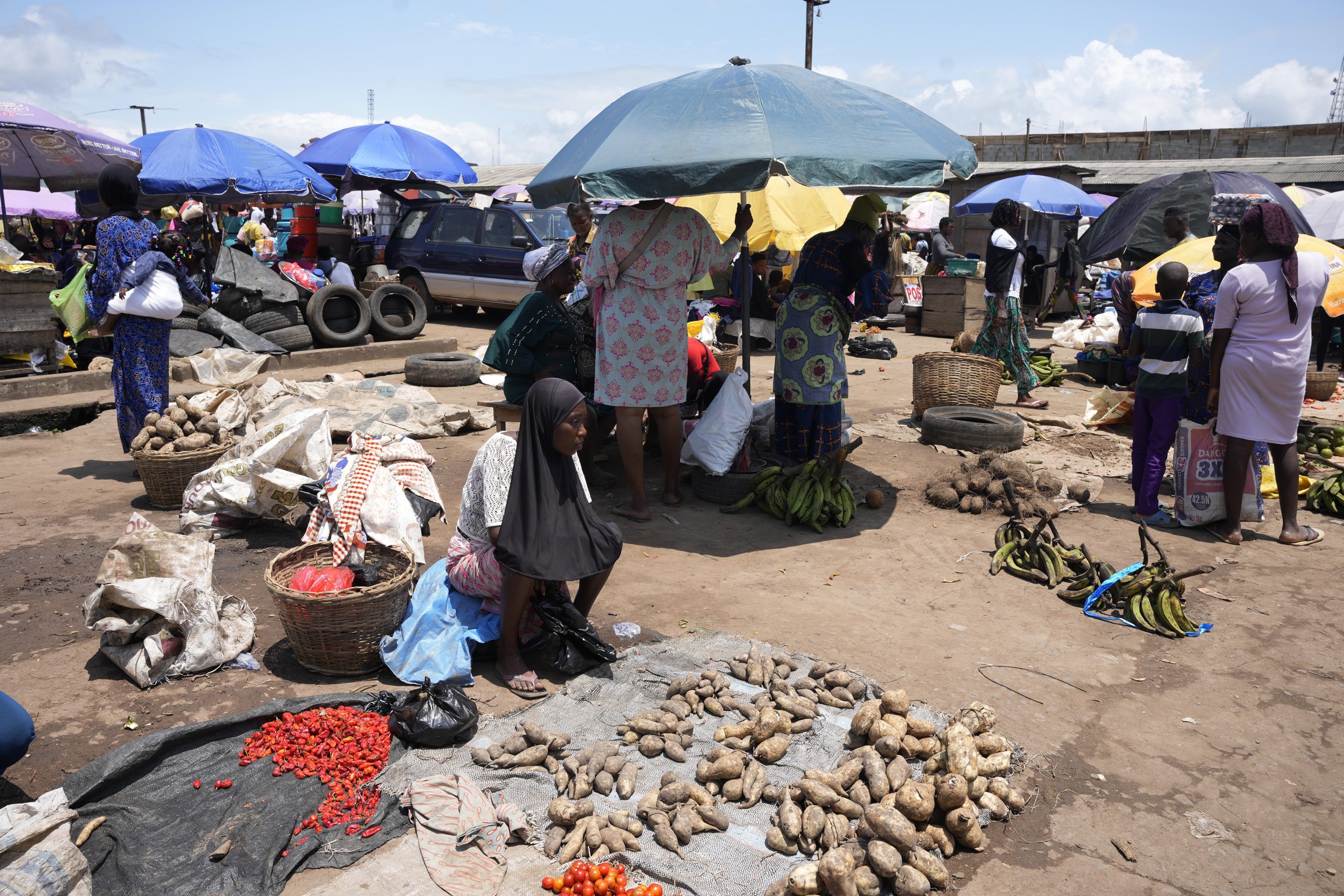
尼日利亚拉各斯——努鲁丁·桑尼(Nurudeen Sanni)和摄制组在阿贾开始拍摄纪录片半小时后,几名男子包围了他们,要求支付10万奈拉(约合75美元)才允许继续拍摄。
Lagos, Nigeria – Half an hour after Nurudeen Sanni and his crew began shooting a documentary in Ajah, several men surrounded them and demanded 100,000 naira (about $75) before they could continue filming.
在摄制组协商期间,一名男子打了试图保护摄影器材的组员一巴掌。随即发生扭打,这些男子拿出刀和砍刀。摄制组逃离现场,但有一名成员颈部被刺,伤势严重,桑尼说。
As the crew negotiated, one of the men slapped a crew member who tried to protect the cameras. A scuffle broke out, and the men produced knives and cutlasses. The crew fled, but one member was stabbed in the neck and seriously injured, Sanni said.
“最痛苦的是,我们眼睁睁看着一名组员被殴打,却无能为力,”现年40岁的录音师桑尼说。
“The painful part was that we saw a member of our crew being beaten and we could not do anything,” said Sanni, a 40-year-old sound recordist.
他的经历反映了电影人、内容创作者、摄影师和记者表示他们在尼日利亚最大城市兼商业中心拉各斯街头工作时面临的风险。
His experience illustrates the risks that filmmakers, content creators, photographers and journalists say they face while working on the streets of Lagos, Nigeria’s largest city and commercial hub.
当地被称为“agberos”(通常指街头讨生活者、地痞)的男子,其中包括一些向商业运输经营者收取摊位费的人,被指控向在公共场所拍摄的人索要钱财,并威胁拒绝付费者。
Men locally known as agberos, a term commonly used for street touts, including some who collect levies from commercial transport operators, have been accused of demanding money from people filming in public and threatening those who refuse to pay.
8月,音乐视频导演桑克戈德·奥莫里(ThankGod Omori),职业名为TG Omori,描述了一场在伊科伊的夜间拍摄于凌晨3点左右被一群索要钱财的人打断。他说,他将现场交给助理导演和安保人员,还有一个场景未拍完。据尼日利亚《PUNCH报》报道,第二天早上,他得知这些男子冲破大门,殴打了一名拒绝让他们进入的安保人员。
In August, music video director ThankGod Omori, known professionally as TG Omori, described a night shoot in Ikoyi that was disrupted at about 3am by a crowd demanding money. He said he left the set in the hands of his assistant directors and security personnel, with one scene still unfinished. The following morning, he learned that the men had broken through a gate and injured a security guard who had refused them entry, according to Nigerian newspaper PUNCH.
演员兼内容创作者KieKie也描述了在奥巴伦德拍摄短视频后遭遇男子拦截的经历。她说对方最初索要100万奈拉(约合750美元),协商后她支付了约70万奈拉(约合525美元)。在卡拉(靠近伯杰)的另一次拍摄中,她说在安保上花费了近50万奈拉(约合375美元)。
Actress and content creator KieKie has also described being confronted by men after filming a short video in Obalende. She said they initially demanded one million naira (about $750), but she paid approximately 700,000 naira (about $525) after negotiations. For a separate shoot around Kara, near Berger, she said she spent close to 500,000 naira (about $375) on security.
总部位于拉各斯的风险咨询公司SBM Intelligence的分析师Stanley Ikechukwu表示,创作者经常举报遭受骚扰和勒索。他将这种情况描述为“针对摄像机的战争”。
Stanley Ikechukwu, an analyst at Lagos-based risk advisory firm SBM Intelligence, said creators regularly reported harassment and extortion. He described the situation as a “war on camera”.
全球风险咨询公司Africa Practice的分析师Nabila Okino表示,电影制作人尤为脆弱,因为放弃一个拍摄地点可能意味着损失时间和金钱。
Nabila Okino, an analyst at global risk advisory firm Africa Practice, said filmmakers were particularly vulnerable because abandoning a location could mean losing time and money.
“因为电影制作人通常需要在特定地点拍摄,那些索要钱财的人知道放弃一个地点并重新开始是有成本的,这使他们有了筹码来勒索现金,”她告诉半岛电视台。“它制造了自我审查”对于记者来说,后果不仅限于拍摄成本。威胁和骚扰可能阻止记者报道事件,导致一些社区和事件报道不足。
“Because filmmakers often need to shoot in specific locations, those demanding money know that there is a cost to abandoning a location and starting again, which gives them leverage to extract cash,” she told Al Jazeera. ‘It creates self-censorship’For journalists, the consequences extend beyond the cost of filming. Threats and harassment can prevent reporters from covering events and leave some communities and incidents underreported.
今年1月,Karina Adobaba-Harry为尼日利亚电视频道News Central报道马科科拆迁事件时,该地区的男子走近她的摄制组,要求给钱才允许拍摄。她在该台担任摄像师。
When Karina Adobaba-Harry covered the demolition of Makoko in January for News Central, the Nigerian television channel where she works as a camera operator, men in the area approached her crew and demanded money before they could film.
“我觉得这很可笑,因为我们是来讲述你们的故事的,你们希望政府听到你们的声音……却还要我们付钱给你们。这对我来说听起来很荒谬,”她告诉半岛电视台。
“That was funny to me because we are here to tell your story, you want the government to hear your voice … and you want us to still pay you. That sounded ridiculous to me,” she told Al Jazeera.
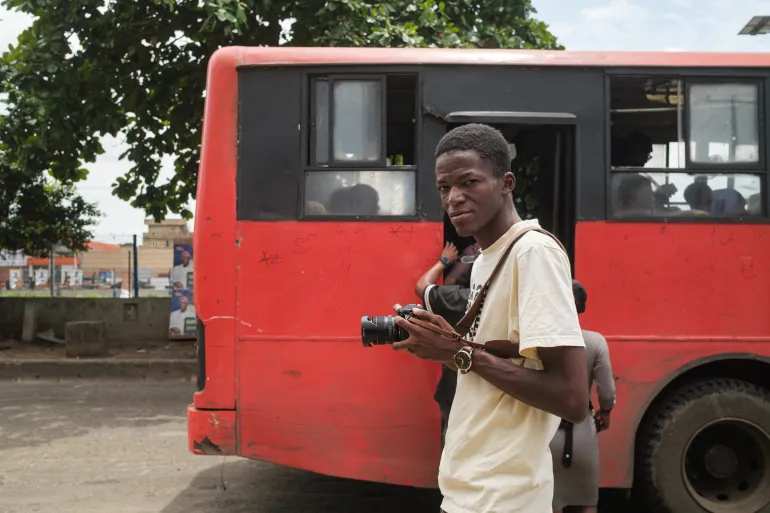
Adobaba-Harry表示,她在报道时经常遇到男子索要钱财。有些人在她解释自己没钱后就离开了;另一些人则威胁要扣押或损坏她的摄像机。她说,记者有时会自掏腰包付钱,或者动用雇主提供的杂项资金。
Adobaba-Harry said she regularly encountered men demanding payments while reporting. Some left when she explained that she had no money; others threatened to seize or damage her camera. She said reporters had sometimes paid out of their own pockets or used miscellaneous funds provided by their employer.
Ikechukwu表示,此类事件可能影响公众对城市事件的了解。
Ikechukwu said such incidents could affect what the public learns about events in the city.
“一名在报道洪水、火灾或抗议活动时遭到骚扰或摄像机被扣押的记者,不仅仅是被抢劫了,公众也被剥夺了知情权。这制造了自我审查。记者将开始避开某些地区,新闻将只来自‘安全’的地方,”他告诉半岛电视台。
“A reporter who is harassed or whose camera is seized while covering a flood, a fire, or a protest is not just being robbed, the public is being denied information. It creates self-censorship. Reporters will start avoiding certain areas, and the news will only come from ‘safe’ places,” he told Al Jazeera.
对于小型制作团队而言,意外支出增加了摄像机租赁、场地费、剧组工资和交通费的成本。有些团队还会为安保费用,或抵达场地后可能被迫交出的钱款预留预算。
The cost of filming For small production teams, unexpected payments add to the cost of camera rental, location fees, crew wages and transport. Some also budget for security or money they may be pressured to hand over after arriving at a location.
阿多巴巴-哈里表示,她已经学会在面对索要钱财的男子时改变自己的神态。
Adobaba-Harry said she had learned to change her demeanour when confronted by men demanding money.
“有时,你必须表现得像个‘阿格贝罗’(注:拉各斯当地指代收费人员或街头混混的俚语),这样当他们看到你不那么好惹时,就会放过你,”她说。她说,许多受害者不报案,是因为怀疑投诉不会带来任何行动。
“Sometimes, you have to take up the persona of the agbero so that when they see that you are not as calm, they will leave you,” she said. She said many victims did not report incidents because they doubted that complaints would lead to action.
“即使你报案,找到那些人的可能性也很低。在拉各斯这被视为常态,除非你的生命受到威胁。但如果只是想从你那里骗钱,没人会在乎,”她说。
“Even if you report, chances that you will find the guys there [are] low. It is seen as a normal thing in Lagos, except if your life is in danger. But if it is just a case of wanting to take money from you, nobody will care,” she said.
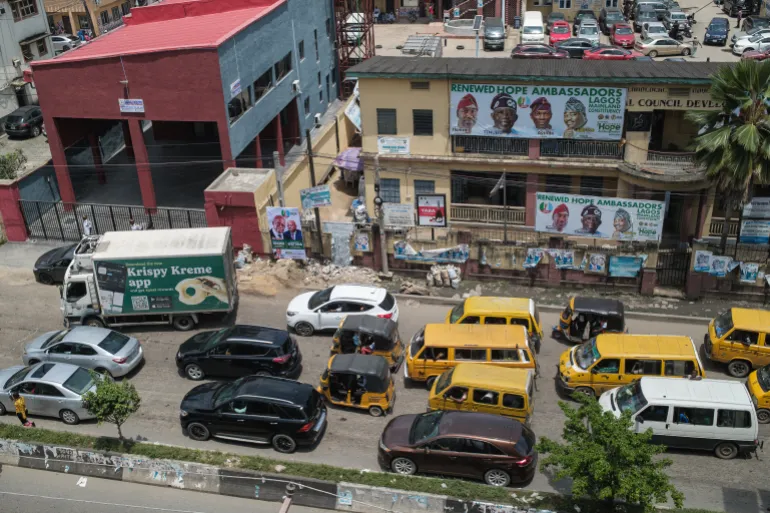
伊凯丘库表示,被盯上成为电影人策划拍摄时必须考量的另一项风险。
Ikechukwu said the risk of being targeted had become another consideration for filmmakers planning a shoot.
“电影人必须在摄像机租赁、场地、剧组、餐饮之外,预算‘摆平费用’。这增加了成本。它扼杀了即兴创作;你不能只因看到一个美好的拉各斯瞬间就立刻捕捉。你必须思考:‘我会不会被骚扰?’”他说。
“A filmmaker has to budget for ‘settlement’ on top of camera rental, location, crew, and food. It increases cost. It kills spontaneity; you cannot just see a beautiful Lagos moment and capture it. You have to think, ‘Will I be harassed?’” he said.
奥基诺表示,当局应与社区领袖、市场和车站协会及其他当地团体合作,为公共场所拍摄制定明确规则,并确保不容忍骚扰和勒索。“别带相机来”记录拉各斯的外国内容创作者也报告过遭遇骚扰。9月,中国旅行内容创作者“小Jony”分享了一段视频,显示他在城内一处市场拍摄时遭男子对峙。
Okino said authorities should work with community leaders, market and park associations and other local groups to establish clear rules for filming in public spaces and ensure harassment and extortion are not tolerated. ‘Don’t bring your camera’Foreign content creators documenting Lagos have also reported harassment. In September, Chinese travel content creator Xiao Jony shared a video of men confronting him while he was filming at a market in the city.
他说对方索要钱财,并且在约10公里(6.2英里)的路程中,他遇到了20多个检查点,有人向他索要费用。这些检查点由谁运营,以及是否与任何政府机构有关联,目前仍不清楚。
He said they demanded money and that, over a stretch of about 10 kilometres (6.2 miles), he encountered more than 20 checkpoints where people asked him for payment. It remains unclear who operated the checkpoints or whether they were linked to any government agency.
奥基诺表示,此类经历可能会让游客和制作公司望而却步,不再选择在尼日利亚拍摄。
Okino said such experiences could discourage tourists and production companies from filming in Nigeria.
“他们可能会认为,在尼日利亚制作内容的成本和风险大于收益。在边际上,这可能意味着转而选择拍摄环境更可预测、更简单直接的邻国,”她说。
“They may decide that the cost and risk of producing content in Nigeria outweigh the benefits. At the margin, that could mean choosing neighbouring countries with more predictable and straightforward filming environments instead,” she said.
伊凯丘库表示,展示游客遭骚扰的视频可能会破坏在国外推广尼日利亚的努力。
Ikechukwu said videos showing tourists being harassed could undermine efforts to promote Nigeria abroad.
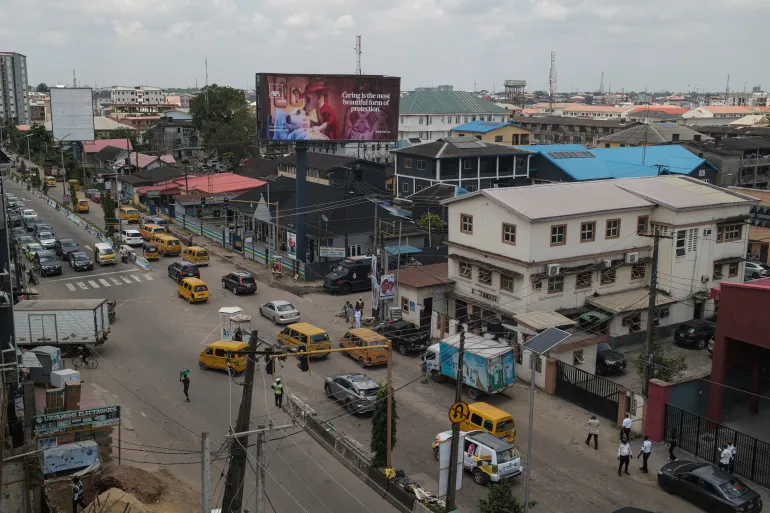
“我们对世界说‘来拉各斯’,但我们自己的行为却在说‘别带相机来’,”他说。
“We tell the world, ‘Come to Lagos,’ but our own behaviour says, ‘Don’t bring your camera,’” he said.
拉各斯州信息与战略专员格本加·奥莫托肖表示,没有人有权向在公共场所拍照或摄像的人索要钱财。
Gbenga Omotosho, Lagos state’s commissioner for information and strategy, said nobody had the authority to demand money from people taking photographs or filming in public.
“如果有流氓声称,在你拍照之前、在你走在街上之前,必须给他们钱,这是不可接受的;这种案件将由警方处理,政府绝不容忍这种胡闹,”他对半岛电视台表示。
“If there are ruffians who are saying that before you can take a picture, before you can walk the street, you have to pay them money, that is not acceptable; that kind of case will be handled by the police, the government will not stand for that nonsense,” he told Al Jazeera.
对于摄影记者让-菲德勒·E·阿纳努来说,这些威胁改变了他记录拉各斯的方式。他过去每天外出拍摄他所描述的城市之美。此后,他因担心自身安全和设备受损而停止了拍摄。
For photojournalist Jean-Fidele E Ananou, the threats have changed how he documents Lagos. He used to go out daily to photograph what he describes as the beauty of the city. He has since stopped because of concerns for his safety and equipment.
“仔细想想,这根本讲不通。当你看到其他国家的人在拍摄自己的国家时,就会不禁纳闷,为什么这里就不行。这简直是个疯狂的祸害,”31岁的阿纳努对半岛电视台表示。
“When you think about the whole thing, it just doesn’t make sense. When you see other people from other countries taking pictures of their country, it just makes you wonder why can’t it be the same here. It’s just a really crazy menace,” Ananou, 31, told Al Jazeera.
“对于摄影记者和街头摄影师来说,讲述故事变得越来越困难,”他说。
“For photojournalists and street photographers, it is getting increasingly difficult to tell stories,” he said.