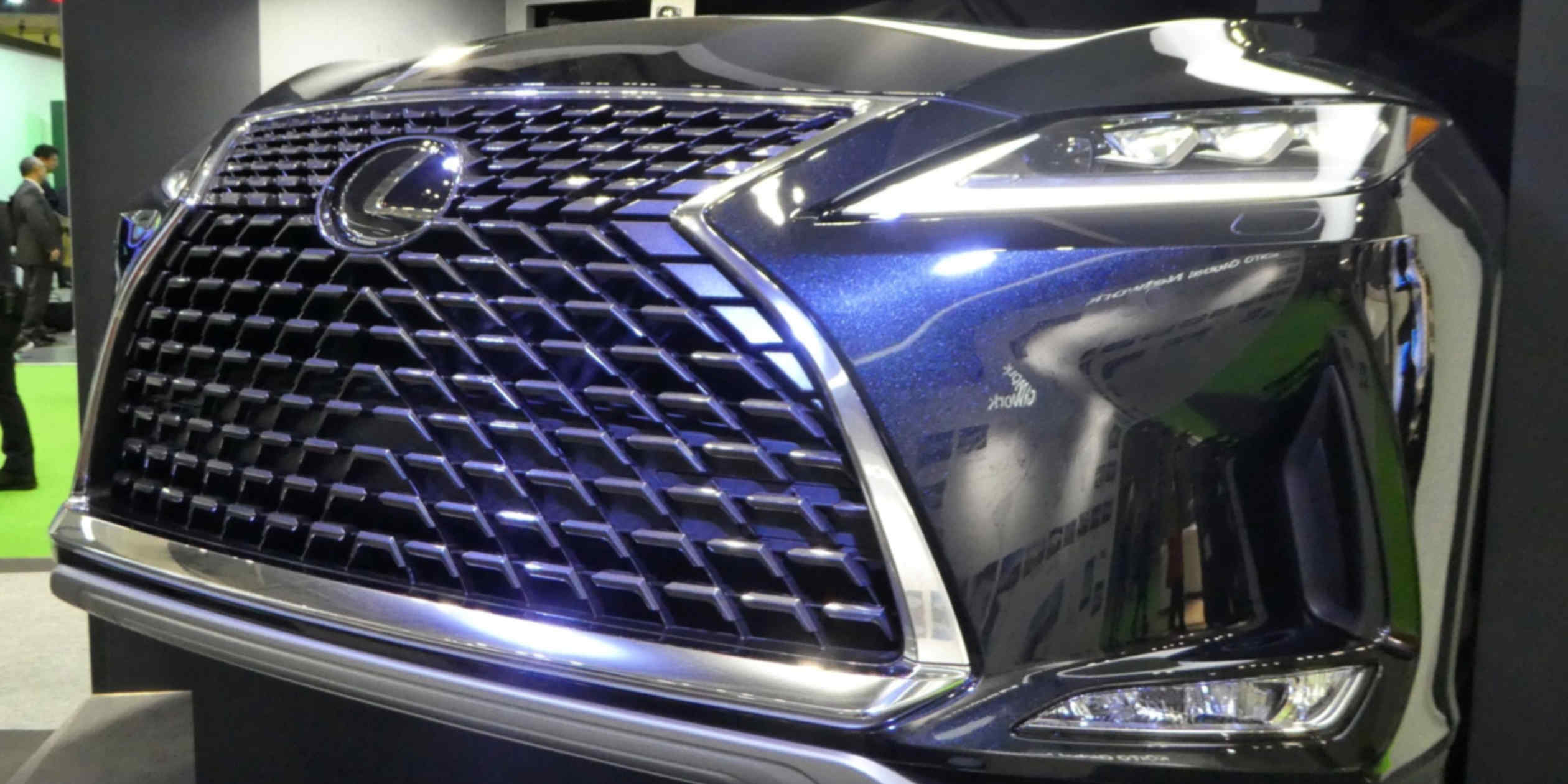
东京——日本汽车灯具龙头企业小糸制作所计划到2030财年将生产成本削减约30%,并且正在拆解中国竞争对手的产品,以了解它们为何更便宜。
TOKYO -- Japanese automotive lamp leader Koito Manufacturing aims to cut around 30% of production cost by fiscal 2030, and it is literally taking its Chinese competition apart to learn what makes them less expensive.
位于日本中部小糸制作所静冈旗舰工厂的“标杆室”内,陈列着来自世界各地的汽车灯具。
The "benchmark room" at Koito's flagship Shizuoka plant in central Japan is lined with automotive lamps from around the world.
小糸制作所每年在那里拆解约100件产品,分析其结构、材料和灯具数量。包括一个单独的仓库在内,该公司储存了约600个车灯。
Koito disassembles about 100 products a year there, analyzing their structure, materials and number of lights. Including a separate warehouse, the company stores around 600 headlights.
其中包括比亚迪和爱驰的中国产品,爱驰是华为技术和赛力斯集团开发的一个品牌。
Among them are Chinese products from BYD and Aito, a brand developed by Huawei Technologies and Seres Group.
“我不明白它们如何能做到那些价格,”一名小糸制作所工程师说,他大约三年前开始注意到中国产品的变化。“按这个速度,我们会输掉。”标杆室的分析现在集中于了解中国制造商价格竞争力的秘诀。“中国价格现在已成为标杆,”执行副社长内山正美说,他敦促员工向中国学习。
"I don't understand how they are able to achieve those prices," said a Koito engineer, who began noticing a shift in Chinese products about three years ago. "At this rate, we're going to lose." Analysis in the benchmark room is now focused on understanding the secrets of Chinese manufacturers' price competitiveness. "Chinese prices have now become the benchmark," said Executive Vice President Masami Uchiyama, who urges employees to learn from China.
小糸制作所将首先重新设计产品,并标准化光源单元等部件,这些部件此前因车型而异。
Koito will begin by redesigning products and standardizing components like light source units, which previously varied by vehicle model.
外观设计不同的灯具将共享内部组件。更大的采购量应有助于降低采购成本。
Lamps with different exterior designs will share internal components. Bigger procurement volumes should help lower purchasing costs.
在材料方面,该公司计划在确认质量和供应链可靠性后,从中国采购更低成本的塑料和其他产品。
For materials, the company plans to source lower-cost plastics and other products from China after confirming their quality and supply chain reliability.
“只要符合我们的质量标准,越便宜越好,”内山正美说。小糸制作所已经找到一种方法,将下一代光源单元的成本降低一半。
"As long as they meet our quality standards, cheaper is better," Uchiyama said. Koito has already identified a way to cut costs for next-generation light source units by half.
该公司还在引入更大程度的自动化。在静冈县的一家工厂,人工智能驱动的摄像头和机器人被用来帮助运输组件。该系统消除了每当车型更换时就要重新建造设备的需要。
The company is also introducing greater automation. At a plant in Shizuoka prefecture, artificial intelligence-powered cameras and robots are used to help transport components. The system eliminates the need to rebuild equipment whenever vehicle models change.
AI 还将用于产品开发,以汇总过去的设计数据、现行法规以及同类产品的信息。预计它将协助创建 3D 数据并进行性能模拟。
AI will also be used in product development to compile past design data and current regulations and information on similar products. It is expected to assist in creating 3D data and conducting performance simulations.
小糸制作所计划在 2030 年左右在产品开发中引入 AI,目标是到 2030 财年将设计工作量较 2025 财年减少约 30%。
Koito plans to introduce AI in product development around 2030, aiming to reduce design workloads about 30% in fiscal 2030 from fiscal 2025.
公司希望这些努力有助于缩小与中国竞争对手的价格差距,但目前小糸在中国市场举步维艰。
The company hopes these efforts will help narrow the gap with Chinese competitors' prices, but for now, Koito is struggling in China.
公司已决定关闭在中国的两家工厂,并将业务整合至广州,这反映出其在华销售主力——日本车企的困境。小糸旨在拓展与比亚迪等中国车企以及印度塔塔汽车的业务往来。
It has decided to close two plants there and consolidate operations in Guangzhou, reflecting the struggles of Japanese automakers, which account for the bulk of its sales in China. Koito aims to increase business with Chinese automakers like BYD and Indian manufacturer Tata Motors.