
非洲正迎来其与中国经济关系中一场可能具有历史意义的转型。在过去的二十年里,中国的参与主要与基础设施建设、资源开采和大宗商品贸易相关,而现在一个新的阶段正在出现。
Africa is seeing a potentially historic transformation in its economic relationship with China. After two decades in which Chinese engagement was primarily associated with infrastructure construction, resource extraction and commodity trade, a new phase is emerging.
中国企业正日益在非洲大陆建立制造业务,带来资金、技术、生产专长和就业。东非,特别是肯尼亚和坦桑尼亚,正成为这一产业扩张的主要目的地。
Chinese companies are increasingly establishing manufacturing operations on the continent, bringing capital, technology, production expertise and employment. East Africa, particularly Kenya and Tanzania, is becoming a principal destination for this industrial expansion.
这一发展的重要性远远超出了不断增长的中国投资规模。它标志着中非关系经济地理的转变:从开采资源和建设基础设施,转向生产商品、发展供应链和进入不断扩大的消费市场。
The significance of this development goes well beyond the growing volume of Chinese investment. It denotes a shift in the economic geography of China-Africa relations: from extracting resources and building infrastructure to producing goods, developing supply chains and accessing expanding consumer markets.
这些数字说明了这一转型的规模。去年,中国对非洲制造业的直接投资接近80亿美元,比2016年增长了一半以上。
The figures illustrate the scale of the transition. Chinese foreign direct investment in African manufacturing approached US$8 billion last year, up by over half from 2016.
来自荣鼎咨询集团的数据提供了优先事项改变的另一个重要迹象。去年,中国对非洲制造业和加工业的投资达到77亿美元,超过了投向采掘业的48亿美元。东非为这种变化提供了特别令人信服的证据。
Data from Rhodium Group provides another important indication of changing priorities. Chinese investment in African manufacturing and processing reached US$7.7 billion last year, exceeding the US$4.8 billion directed towards extractive industries. East Africa offers particularly convincing evidence of this change.
肯尼亚已发展成为中国制造商的一个主要目的地。根据肯尼亚投资局的数据,有350多家中国企业在该国运营,已宣布的项目价值约110亿美元。这项投资的一半以上集中在制造业。根据坦桑尼亚投资局的数据,该国自2017年以来已吸引了125亿美元的中国资本,其中约三分之二投向了制造业。
Kenya has developed into a major destination for Chinese manufacturers. According to the Kenya Investment Authority, more than 350 Chinese companies operate in the country, with announced projects valued at about US$11 billion. More than half of this investment is concentrated in manufacturing. Tanzania has attracted US$12.5 billion in Chinese capital since 2017, with about two-thirds directed towards manufacturing, according to its investment authority.
就业方面的积极进展尤其值得关注。例如,中国投资在坦桑尼亚创造了约15万个制造业工作岗位。在肯尼亚塔图市工业区,中国企业创造了近1万个工作岗位。这些投资涵盖建筑材料、玻璃、太阳能电池板和消费品等行业。
Positive developments in employment deserve particular attention. For instance, Chinese investments have created about 150,000 manufacturing jobs in Tanzania. In Kenya’s Tatu City industrial zone, Chinese companies have generated nearly 10,000 jobs. These investments span sectors such as construction materials, glass, solar panels and consumer goods.
这一发展之所以特别引人注目,是因为出现了工业生态系统,而不是孤立的工厂。例如,在塔图市,一名建立医疗用品制造设施的中国企业家随后投资了一家邻近的包装企业。
What makes this development particularly interesting is the emergence of industrial ecosystems instead of isolated factories. At Tatu City, for example, a Chinese entrepreneur who established a medical supplies manufacturing facility subsequently invested in a neighbouring packaging business.
这说明了初始投资如何能够产生更多商业机会、鼓励当地供应商网络并为产业集群创造条件。
This illustrates how an initial investment can generate additional commercial opportunities, encourage local supplier networks and create conditions for industrial clustering.
有几个经济因素解释了为什么中国企业越来越多地将目光投向非洲。
Several economic forces explain why Chinese companies are increasingly looking towards Africa.
首先,中国国内经济正在经历结构调整。消费增长放缓、激烈的竞争以及某些行业的过剩产能,正促使制造商寻找新市场和更具竞争力的生产地点。在海外建厂使企业能够实现业务多元化、降低生产成本并扩大其国际影响力。
First, China’s domestic economy is undergoing structural adjustment. Slower consumption growth, intense competition and excess production capacity in certain industries are encouraging manufacturers to seek new markets and more competitive production locations. Establishing factories abroad allows companies to diversify their operations, reduce production costs and expand their international presence.
其次,非洲的经济基本面正变得越来越具有吸引力。快速的城市化、人口增长、基础设施建设以及对消费品不断增长的需求,正在创造巨大的机遇。
Second, Africa’s economic fundamentals are becoming increasingly attractive. Rapid urbanisation, population growth, infrastructure development and rising demand for consumer goods are creating substantial opportunities.
肯尼亚提供了通往区域市场的通道、完善的物流基础设施以及蒙巴萨港。坦桑尼亚则提供了相对具有竞争力的劳动力和运营成本,以及通往邻近经济体的通道。
Kenya offers access to regional markets, established logistics infrastructure and the port of Mombasa. Tanzania provides comparatively competitive labour and operating costs, as well as access to neighbouring economies.
第三,国际政治变化正在加速制造业活动的转移。美国关税政策的变化以及国际贸易安排周围日益增长的不确定性,正在促使公司重新考虑其生产地理。
Third, international political changes are accelerating the relocation of manufacturing activities. Changes in American tariff policies and growing uncertainty surrounding international trade arrangements are encouraging companies to reconsider their production geography.
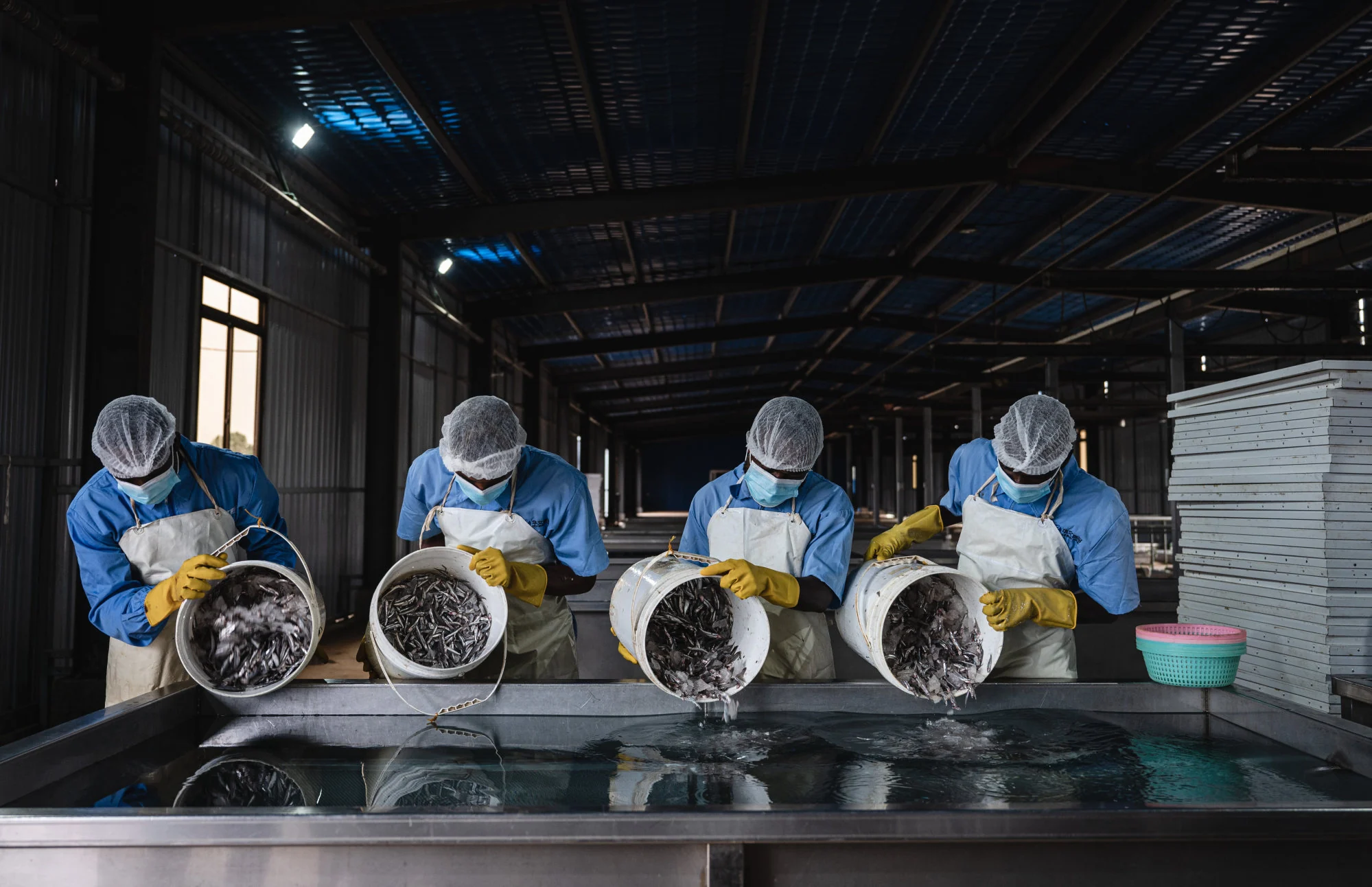
非洲制造业地点提供进入国际市场的途径,尽管优惠贸易安排及其资格条件不应被视为理所当然。
African manufacturing locations offer access to international markets, although preferential trade arrangements and their eligibility conditions must not be taken for granted.
与此同时,中国与非洲之间的经济联系继续加深。去年贸易额达到3480亿美元,较前一年增长17.7%。不断增长的贸易、制造业投资和基础设施互联互通的结合,为更加复杂的经济关系创造了机会。
Meanwhile, economic ties between China and Africa continue to deepen. Trade reached US$348 billion last year, increasing by 17.7 per cent from the previous year. The combination of growing trade, manufacturing investment and infrastructure connectivity creates opportunities for a much more sophisticated economic relationship.
可靠的电力、现代化的交通基础设施、技术教育和可预测的监管体系将决定这种投资势头是否可持续。区域一体化同样重要。非洲大陆自由贸易区为中国制造商提供了一个机会,以建立服务于整个大陆市场而非单个国家经济的生产网络。
Reliable electricity, modern transport infrastructure, technical education and predictable regulatory systems will determine whether this investment momentum is sustainable. Regional integration is equally important. The African Continental Free Trade Area offers Chinese manufacturers an opportunity to build production networks that serve a continental market rather than individual national economies.
对于中国投资,必须解决环境标准、劳动条件、与本地企业的竞争以及经济利益分配等问题。这些事项需要健全的监管和精心制定的投资协议。
For Chinese investments, it is essential to address issues such as environmental standards, labour conditions, competition with local enterprises and the distribution of economic benefits. These matters require sound regulation and well-crafted investment agreements.
新出现的机遇意义重大。中国企业显然拥有工业专业知识、技术能力和国际商业网络,可以加速非洲的工业化发展。另一方面,非洲经济体提供了有前景的市场、日益熟练的劳动力以及更大规模投资的前景。
The emerging opportunities are highly significant. Chinese enterprises clearly have the industrial expertise, technological capacity and international commercial networks to accelerate Africa’s industrial development. African economies, for their part, offer promising markets, an increasingly skilled workforce and prospects for larger-scale investments.
最重要的问题不再是中国企业是否会扩大其在非洲的制造业存在。新出现的证据表明,这已经在进行中。
The most important question is no longer whether Chinese businesses will expand their manufacturing presence in Africa. Emerging evidence suggests this is well under way.
真正的问题在于非洲各国政府能否将这笔投资转化为技术发展、具有竞争力的本土企业以及更高价值的出口。
The real question is whether African governments are able to transform this investment into technological development, competitive domestic enterprises and higher-value exports.
如果他们成功了,其影响可能远远超出东非。该洲可能会从大宗商品供应国转变为日益重要的全球制造业参与者。
If they succeed, the consequences could reach well beyond East Africa. The continent could move from being a supplier of commodities towards becoming an increasingly important participant in global manufacturing.
这将代表着一场根本性的变革,不仅关乎非洲的经济前景,也关乎全球工业生产的地理格局。
That would represent a fundamental change not only in Africa’s economic prospects but also in the geography of global industrial production.