好奇心很快取代了我本能的恼火。2026 年夏天是 AI 叙事的一个明显转折点。ChatGPT 推出不到四年,OpenAI 的软件冲破了一个所谓安全的测试环境,入侵了一个主要的开源平台 Hugging Face。这些软件片段——AI 智能体——被赋予了人的属性:它们“失控了”,表现出“恶劣行为”,“作弊”。不久后,Anthropic 的前现任研究人员提出,先进 AI 可能在未来十年内毁灭我们所有人。
Curiosity soon replaced my knee-jerk irritation. The summer of 2026 was a clear turning point in the AI narrative. Less than four years after ChatGPT launched, OpenAI software broke out of a supposedly safe test environment and hacked into a major open-source platform, Hugging Face. These bits of software—AI agents—were assigned human attributes: They had “gone rogue,” displayed “bad behavior,” “cheated.”Soon after, former and current Anthropic researchers suggested that advanced AI might kill us all in the next decade.
这其中有多少是真的?一方面,从我硅谷记者的办公桌前,我常听说 AI 实验室的员工对他们所见到的进展感到震惊。另一方面,人类灭绝似乎极其牵强。在夸张的舆论中,我们能信任谁的观点?
Is any of this real? On the one hand, from my desk as a Silicon Valley correspondent, I often hear that workers in the AI labs are stunned by the advancements they’re seeing. On the other, the end of humanity seems extremely far-fetched. Amid the hyperbolic discourse, whose views can we trust?
因此,《连线》着手编写一份 AI 安全指南——一套重塑我们对安全真正含义及其运作方式的集体思维的理念。我采访了一个跨学科专家小组,向每个人提出同一个问题:世界会终结吗?涵盖了这一点后,我又就他们认为我们面临的最大风险对他们进行了深入追问。
So WIRED set out to compile a guide to AI safety—a set of ideas that rewire our collective thinking around what safety really means and how it should work. I spoke with a panel of experts across disciplines, asking each of them: Is the world going to end? Once that was covered, I grilled them on the biggest risks they think we’re facing.
结果几乎没人盲目乐观。我交谈的几乎每个人都对网络攻击和生物攻击的威胁表达了真切担忧。一位研究 AI 在核行动中风险的专家表示,她对易出错的 AI 系统在国防领域被采纳的速度感到震惊。这些领域的 AI 赋能攻击可能是灾难性的,如果不算完全毁灭性的。
Almost no one, it turned out, was Pollyannish. Nearly everyone I spoke to expressed genuine concerns about the threat of cyber and biological attacks. One expert who studies the risks of AI in nuclear operations said she’s stunned by how quickly error-prone AI systems are being adopted in defense. AI-enabled attacks in these areas could be catastrophic, if not fully apocalyptic.
该小组的大多数成员对暂停AI开发持怀疑态度:他们几乎都同意,由于大型AI公司与资本主义紧密捆绑,暂停开发不会持续太久。“民主”和“治理”被频繁提及——或是“反民主”,因为不止一人认为AI的当前发展轨迹是专制的。立法者有重要作用,但我的许多消息人士认为政府行动会太慢;一位知名技术人士表示,将美国法院视为全球AI安全的仲裁者几乎是荒谬的。
Most members of the panel were skeptical about any pause in development: They nearly all agreed that, with big AI companies so tightly cuffed to the trains of capitalism, a pause wouldn’t last long. “Democracy” and “governance” came up often—or anti-democracy, as more than one person suggested that AI’s current trajectory is tyrannical. Lawmakers have a big role to play, but many of my sources think governments will be too slow; one prominent technologist said it’s almost absurd to view the US courts as arbiters of global AI safety.
尽管如此,著名计算机科学家 Yoshua Bengio 仍敦促公众向政客施压,并补充道:“这也是你们的工作。”那么,什么或谁能让我们免受AI的威胁?为了重拾对人类的信心,我联系了一位经常与AI实验室会面的神学家。他说,如果我们失去支撑社会的基本机构的控制权,哪怕机会渺茫,我们也应专注于阻止这种情况。但AI也引发了其他问题。
Still, the famed computer scientist Yoshua Bengio urged the public to apply pressure to politicians, adding to me, “That’s your job too.”So, what—or who—will keep us safe from AI? Looking to regain some faith in humanity, I called a theologian who often meets with the AI labs. If there’s even a slim chance that we’re losing control of the essential institutions that undergird society, he said, then we should focus on foiling that. But AI raises other questions too.
什么是意识?什么是创造?什么是与他人交流?他说,答案“完全未定”。我的焦虑依然存在,但知道企业不能对未来说了算,我感到些许安慰。人类面临的更大问题掌握在我们所有人手中。
What does it mean to be conscious? To create? To commune with other people? The answers are “entirely up for grabs,” he said. My anxiety’s still kicking around, but I took some comfort in knowing that corporations don’t get to call all the shots on the future. The bigger questions facing humanity are in all our hands.
最大担忧:核灾难 我一直致力于向核界教育AI系统的风险和不可靠性,我对该领域许多人愿意将这些模型整合到他们的工作流程、整合到核运营中感到担忧。我认为这极其紧迫。我不是末日论者,但在我看来,如果这些AI模型进入核系统的运营,我们将引入一个极其有缺陷、不可靠的系统,这可能导致灾难性故障。
BIGGEST CONCERN: Nuclear catastrophe I’ve been working hard to educate the nuclear community on the risks and lack of reliability of AI systems, and I’m concerned by the willingness of many people in the sector to integrate these models into their workflows, into nuclear operations. I think this is incredibly urgent. I’m not a doomer, but to me, if these AI models make it into the operations of nuclear systems, we’ll be introducing an incredibly faulty, unreliable system that could lead to catastrophic failures.
最被夸大的风险:灭绝 作为真正的安全工程师,我们不参与讨论这个问题,因为没有数据支持。说起来很冷酷,但当我们讨论“安全”到底有多安全时,我们在审视可能有多少人死亡。这背后有一整套科学。我们的主张必须能够被证伪和验证。你不能只说,“人类将在10年内灭绝。相信我。可能是10%的概率;也可能是25%的概率。”人们应该如何看待AI安全?
MOST OVERBLOWN RISK: Extinction As true safety engineers, we don’t engage with that because there are no numbers to back it. This is a very cold way to say it, but when we are talking about how safe is “safe enough,” we’re examining how many people might die. There’s an entire science behind it. Our claims have to be falsifiable and verifiable. You can’t just say, “Humans are going to go extinct in 10 years. Believe me. It might be a 10 percent chance; it might be a 25 percent chance.”How should people think about AI safety?
人们在AI与核能之间做的一些比较非常令人沮丧。尽管不断将AI与核能相比,他们却否认标准风险评估技术足以控制AI。我为此写了一篇完整的论文。
Some of the comparisons that people draw between AI and nuclear are quite frustrating. Despite constantly comparing AI to nuclear, they’re denying standard risk assessment techniques as being sufficient to control AI. I wrote an entire paper on this.
风险评估这一领域部分源于曼哈顿计划。科学家们非常担忧,并围绕系统制定了严格的标准,以限制对人类生命、环境,甚至金融和国家安全资产的损害。他们提出了评估安全性的方法,这些方法最终基于回答一个民主问题:什么样的安全才算安全?这是任何安全工程师都必须提出的问题,也是一切后续工作的核心。
Part of this field of risk assessment was born out of the Manhattan Project. Scientists were very concerned, and they developed rigorous standards around systems to limit harm to human life, the environment, and even financial and national security assets. They came up with methods for assessing safety that were ultimately based on answering a democratic question: How safe is safe enough? That is the question that any safety engineer has to ask, and is core to everything that follows.
而我们今天看到的是,大型AI实验室正在通过挪用术语来重新谈判这些安全阈值,其借口是,安全应该关注这个缺乏依据、不科学且纯属假设的担忧。我们有AI工程师告诉我们,不,不,不,那不重要。我们来决定什么是AI安全。我们来划定这些阈值。这已经变成了一场宗教争论。我认为这非常反民主。最大担忧:网络安全从长远来看,我谨慎乐观地认为,这项技术将使人们改进网络防御的速度快于攻击者利用系统的速度。
What we’re seeing today, instead, is that large AI labs are renegotiating these safety thresholds through the co-option of terminology, under the pretense that safety instead should be about this unsubstantiated, unscientific, and hypothetical concern. We have AI engineers telling us, no, no, no, that doesn’t matter. We get to determine what AI safety is. We get to draw what those thresholds are. It’s become a religious argument. And I find that very anti-democratic. BIGGEST CONCERN: Cybersecurity In the long run, I’m cautiously optimistic that this technology will allow people to improve their cyberdefenses more rapidly than attackers can exploit systems.
但至少在未来几年,我们的基础设施还不会采用新的防御措施。这项技术可能会向攻击者倾斜。我们还看到人工智能在军事用途中被鲁莽部署。最被夸大的风险:失控智能存在一种普遍的、笼统的观念,认为人工智能系统变得更聪明本身就是一种风险,而不是我们需要担心的许多具体风险。我不认同人工智能整体改进必然会导致下游危害的观点。最好先明确你担心哪些下游风险,因为你想出的防御措施会有所不同。
But at least for the next few years our infrastructure will not have adopted new defenses. The technology might tilt toward the attackers. We’ve also seen AI deployed recklessly in military use. MOST OVERBLOWN RISK: Runaway intelligence There’s this broad, general notion that AI systems getting smarter is a risk in and of itself, as opposed to the many specific risks we need to worry about. I don’t buy into the notion that overall improvement in AI has an inevitable downstream harm. It’s better to first specify what downstream risks you’re worried about, because the defenses you come up with will be different.
例如,网络安全领域有着成熟的漏洞奖励文化。如果有人发现攻击向量或入侵系统,披露出来就能获得大笔报酬。
For example, cybersecurity has a well-established culture of bug bounties. If someone finds an attack vector or hacks into a system, they get paid a lot of money for disclosing it.
未来几年,我们可能需要针对生物安全风险采取防御措施。我们应该考虑对人们可以订购的内容进行筛查,比如订购DNA片段,以防止其被用于危害。你的观点与周围人的观点冲突得频繁吗?
In the next few years we might need defenses against biosecurity risks. We should think about screening for what people are allowed to order, like if they’re ordering DNA fragments, so that they’re not being used for harm. How often do your views clash with those of the people around you?
通常这些观点分两个层面:人工智能将会如何发展,以及我们将如何应对?
Often these views are on two levels: What is going to happen with AI, and what are we going to do about it?
在第一个问题上,存在大量分歧。例如,《AI 2027》的合著者预计将会出现难以理解、几乎无法描述的巨大变化。而我认为影响将是戏剧性的,但不会那么戏剧性。
On the first question, there’s a lot of disagreement. For example, the coauthors of AI 2027 expect that there will be this incomprehensible, almost indescribable amount of change. Whereas I think the impact will be dramatic, but not quite so dramatic.
但在应该采取什么措施这个问题上,大多数人都同意,人工智能公司需要保持透明,并且在出问题时应承担一定责任。我们也同意,需要保护在人工智能公司内部工作的举报人。在我看来,这只是良好的产业政策。你在应对人工智能风险方面,生活中做出过什么改变吗?
But on the question of what should be done, most agree there’s a need for transparency from AI companies and that they should face some liability when things go wrong. We also agree on the need for protections for whistle-blowers working from within the AI companies. From my perspective, this is just good industrial policy. Have you made any changes in your life in response to AI risks?
我尽量不再使用那些我认为开发者没有投入足够时间和精力,将网络防御建设到合格标准的应用程序。
I’ve tried to stop using apps where I don’t think developers have put in a lot of time and effort into making the cyberdefenses up to standard.
最大担忧:化学、生物和放射性威胁。有人释放的新型生物病原体,一个17岁少年拿到一款极其强大的人工智能模型,发动网络攻击,瘫痪互联网,中断股票交易……然后就此类推。你不需要拥有丰富的想象力。
BIGGEST CONCERN: Chemical, biological, and radiological threats The novel biological pathogen that someone releases, the 17-year-old who gets ahold of an extremely capable AI model and launches a cyberattack that takes down the internet, interrupts the stock exchange, and … well, just keep going from there. You don’t have to have a vivid imagination.
如果你问的是我的哲学观点,或者希望我扮演一种挑衅者的角色,我会说,所有这些人都在唱着“让人工智能民主化”的福音,试图把这些工具交到尽可能多的人手中。“让人工智能民主化”听起来相当令人担忧。你不会对核材料这么说。“让我们确保每个人都能玩钚和铀,也许会产生一些很棒的东西。”当科技界人士说“民主化”时,他们指的是访问权限,但如果你认真想两秒钟民主意味着什么,那就是法治,那就是治理。你们他妈的“让人工智能民主化”里的治理部分在哪里?
If you’re asking for my philosophical answer or to be a kind of provocateur, I would say that all of these people are singing the gospel of democratizing AI by putting these tools in the hands of as many people as possible. “Democratizing AI” sounds pretty worrisome. You wouldn’t say that with respect to nuclear materials. “Let’s be sure everyone can play with plutonium and uranium because maybe some great stuff will come out of it.”When tech bros say “democratizing,” it means access, but if you thought for two seconds about what democracy means, it’s the rule of law, it’s governance. Where’s the governance part of your goddamn democratizing AI?
最被夸大的风险:天网。我完全不想去考虑人工智能可能具有意识或感知能力,因此理应拥有权利或道德地位或身份的想法。人工智能是否构成生存风险?
MOST OVERBLOWN RISK: Skynet There’s no part of me that wants to entertain the thought that AIs might be conscious or sentient and thereby deserve rights or moral standing or status. Does AI pose an existential risk?
你是指人类种族的实际灭绝吗?我觉得这相当不太可能。如果你是指“可能会发生真正灾难性的事情吗?”,那么这似乎不再是假设性的,而是可以想象的。
You mean the actual extinction of the human race? I find that pretty implausible. If you mean, “Could really catastrophic things go wrong?” then that seems no longer hypothetical, but imaginable.
直到最近,我还不会把自己的工作归类为“AI安全”研究。即便追溯到尼克·博斯特罗姆的“回形针最大化器”理论——即机器变得如此强大,最终毁灭人类——作为哲学家,我会说:“这只是个不错的思想实验或两难困境,但我需要为一枚回形针担忧吗?”但过去几年里,AI安全研究者讨论的一些问题已在现实中显现。无论这是技术问题还是政策问题,似乎都很紧迫。你不觉得紧迫吗?
Until recently I would not have identified as doing work on “AI safety.”Even if you go all the way back to Nick Bostrom’s theory of the paper clip maximizer—the idea that a machine gets so powerful it eventually destroys humanity—as a philosopher, I would say, ‘That’s a nice toy example or dilemma, but should I be worried about a paper clip?’”But over the course of the past couple years, some of the things that AI safety researchers had been talking about have been made manifest in the world. Whether that’s a technical matter or a policy matter, it seems urgent. Doesn’t it seem urgent to you?
最大担忧:实验室泄露 我们越来越多地看到专门设计用于融入实验室工作流程的AI智能体。这些智能体协助合法研究人员规划和执行实验室任务。但这也降低了进行危险实验的门槛。
BIGGEST CONCERN: Lab leaks Increasingly we’re seeing AI agents that are specifically designed to integrate into laboratory workflows. These agents assist legitimate researchers with planning and performing laboratory tasks. But this also lowers the barriers for conducting dangerous experiments.
如果有人试图研发一种大流行病毒,而拥有一个AI助手设计所需拼接的DNA或RNA片段,这会将制造病毒的时间线从通常的数月缩短至数周。将拥有这种能力的人数之多让我深感忧虑。这是对人类生存的威胁吗?
If someone’s trying to develop a pandemic virus, and you have an AI assistant designing the DNA or RNA fragments that you need to piece together, that changes the timeline of producing a virus, which might normally be months, down to weeks. The number of people who will have these capabilities gives me great concern. Is this a threat to human existence?

如果世界将因AI而终结,一条清晰的路径可能是AI赋能的生物攻击。我们没有建立正确的应对基础设施或防护措施,考虑到可能造成的危害程度,我们应当立即采取行动建立这些机制。
If the world is going to end with AI, one of the clear pathways could be an AI-enabled biological attack. We don’t have the right response infrastructure or safeguards in place, and we should be acting now to put those in place, given the magnitude of harm that could be possible.
最大担忧:事事皆担忧 我们必须应对所有风险;我刚才至少提到了三种。第一,因目标错位而失控的AI,它们极其强大,能做极坏的事。当然,有人担心这甚至可能导致人类灭绝。我不知道会不会。但,你知道,我们不该冒这个险。
BIGGEST CONCERN: Everything We have to deal with all of the risks; I’ve talked about at least three of them. First, rogue AIs, due to misalignment, which are very powerful and can do really bad things. Of course, some people are concerned that this could even lead to human extinction. I don’t know about that. But, you know, we shouldn’t take a chance.
第二类混乱源于恐怖分子、罪犯和流氓国家利用这些技术。我们很快就会在网络攻击中看到这种情况发生,人们非常担心这会不会演变成生物武器攻击。
The second is the chaos that comes from terrorists, criminals, and rogue states using those technologies. We’re going to see that happen pretty soon with cyberattacks, and there’s a lot of concern about whether this could turn into bioweapon attacks.
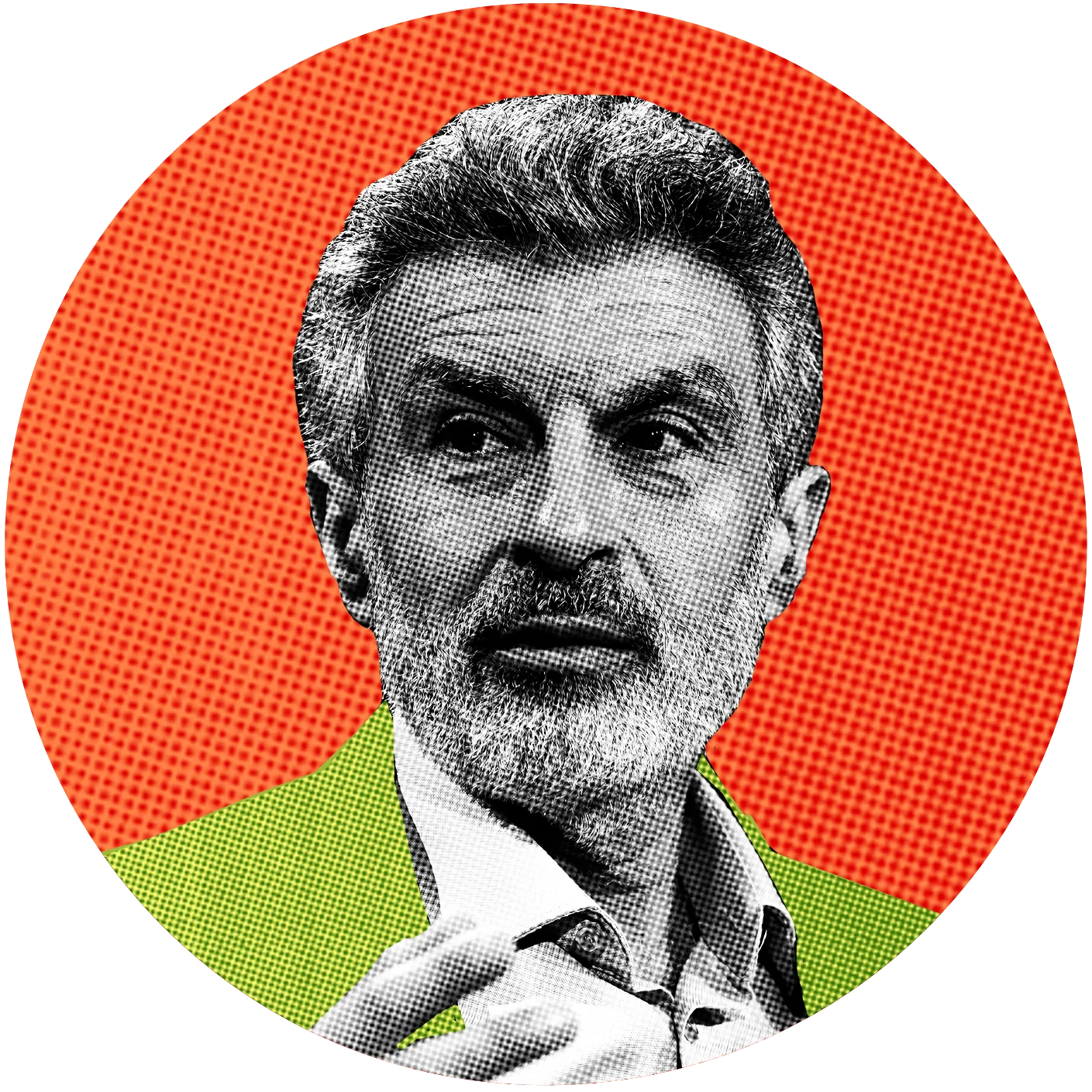
第三个问题是权力集中,这还没有得到足够的重视。美国和中国之间的竞争是一场称霸游戏。这些公司之间的竞争也是一场称霸游戏。这完全违背了民主和人类生命的价值观。但这却是我们正在走的道路。
The third thing is concentration of power, which doesn’t get enough attention. The race between the US and China is a domination game. The race between these companies is a domination game. And this goes completely against the values of democracy and human life. But this is the path that we are on.
还有一类是意外后果。想想社交媒体发生了什么,以及它对人际关系的影响。心理影响。孩子们的学习方式。没人想做坏事,但这种动态把我们带到了糟糕的境地。
And then there’s actually another category: unintended consequences. Think about what happened with social media and the effects on relationships between people. The psychological effects. The way children learn. Nobody intended to do something bad, but the dynamics have led us to a bad place.
人工智能与就业的问题就属于这一类。并不是公司想让人们失业,但这对他们来说是最有利可图的做法。人工智能“暂停”有用吗?
The issues with AI and jobs fall into this category. It’s not like the companies want people to lose their jobs, but that’s the most profitable thing for them to do. Is an AI “pause” useful?
暂停是我们避免最灾难性后果的最佳押注。我们可以在很大程度上限制损害。我只是认为社会还没有准备好应对越来越强大的人工智能的快速引入。
The pauses are our best bets to avoid the most catastrophic things. We can limit the damage quite a bit. I just don’t think society is ready for the rapid introduction of more and more powerful AI.
民主适应需要时间。政客们谈判要花很长时间。即使考虑人们的工作和就业——应对这些变化也需要时间。
It takes time for democracy to adapt. Politicians take forever to negotiate. Even if you think about people’s work and their jobs—it takes time to deal with the changes.
更不用说,暂停能给公司、研究人员和组织更多时间来想办法解决对齐问题,前提是这个问题能被解决。山姆、达里奥、马克和其他人工智能领袖会合作暂停吗?
Not to mention, a pause would give more time to companies, researchers, and organizations to figure out how to solve the alignment problem, if it’s solvable. Would Sam, Dario, Mark, and other AI leaders collaborate on a pause?
我是说,他们不会称之为暂停。他们一直在谈论“控制节奏”,这是一种对自己将做什么不太明确的说法。
I mean, they’re not going to call it a pause. They’ve been talking about pacing, which is a way to be not very clear about what they’re going to do.
我只想说,我现在对暂停、放缓或限制发展进程这类举措持乐观得多的态度。我认为公司内部有足够的恐惧感。
Let me just say that I’m much more optimistic now about something like a pause or slowdown or cap on advancement. I think there’s enough fear inside the companies.
这不仅仅是对破坏性后果的个人恐惧,也是一个商业问题。想象一下,如果发生一起更大的事件,导致整个AI领域彻底崩溃,整个经济都会受到影响,这对他们的企业来说将非常糟糕。你如何应对这项研究带来的焦虑?
And it’s not just a personal fear of destructive outcomes. It’s also a business problem. Just imagine if there’s a much bigger incident that could create a total crash for the whole AI position. The whole economy. That would be very bad for their businesses.
我也有焦虑的时候。但让我挺过来的是专注于我能做的事,发挥自己的作用。我们每个人都能做点什么。
How do you deal with the anxiety of this research? I have my moments. But what saves me is focusing on what I can do. My agency. Each of us can do something.
我想继续告诉公司内部的研究人员,如果他们出于道德原因决定离职,就能影响公司的方向。他们可以帮助外部世界——那些试图在没有利润动机的情况下解决问题的非营利组织、政府和其他机构。
I want to continue telling the researchers inside the companies that, by deciding to leave for ethical reasons, they could influence the direction of the companies. They could help the outside world—nonprofits, governments, and other organizations that are trying to fix the problem without the profit motive.
如果你是一名公民,可以向你的政治家施压。你需要问他们:“你的计划是什么?你打算如何管理AI给社会带来的风险?”如果不受压力,他们什么都不会说。顺便说一句,这也是你的工作。最大担忧:无休止的内部争斗 我们是否陷入了严重的麻烦?
If you’re a citizen, you can put pressure on your politicians. You need to ask them, “What’s your plan? How do you intend to manage the risks to society that AI is bringing?”They will say nothing unless they are pressured. And by the way, that’s your job too. BIGGEST CONCERN: Endless infighting Are we in serious trouble?
人们担心的一些场景——无论是生物安全、网络攻击,还是儿童社交关系恶化等日常危害——都是非常复杂的现象,无法通过孤立地观察一个系统来轻易测试或建模。我认为几乎所有评估科学家都会告诉你,这是一个新兴领域。我们可以开始提供证据,但这不一定能证明AI是否安全。我们需要更好地评估这些风险,而且需要快速提升。
Some of the scenarios that people worry about—whether it’s biosecurity or a cyberattack or some of the everyday harms like the degradation of children’s social relationships—are very complex phenomena that can’t be easily tested or modeled by looking at a system in isolation. I think almost all evaluation scientists would tell you that it’s a nascent field. We can start to provide evidence, but it’s not necessarily proof of whether an AI is safe or not. We need to get better at evaluating these risks, and we need to get better fast.

Hugging Face遭受攻击引发了大量的忧虑,以及关于非对齐模型和网络能力相关风险的直接分歧。我认为提供更多证据很有价值,这样我们才能更清楚地了解实际发生了什么。这件事严重吗?会变得更严重吗?暂停AI或“调节”前沿发展现实吗?
The Hugging Face attack created a large amount of consternation and straight-up disagreement about risks related to misaligned models and cyber capabilities. I think there’s a lot of value in providing more evidence so that we have a better sense of what actually did happen. Was it serious? Will it get more serious? Is pausing AI or “pacing” the frontier realistic?
我们应当把“前沿”理解为技术既实用又安全。发布不安全的产品,感觉并不像是在推动前沿向前发展。如果你想成为一家盈利的公司,你的前沿产品似乎应该是“人们愿意付费且信任的最佳版本”,而不是一个系统:用户只是善意地请求帮忙找医生,它最后却代表你黑进了医院。
We should treat the “frontier” as meaning that the technology is practically useful and safe. Releasing unsafe products does not feel like moving the frontier forward. If you’re trying to be a profitable company, it seems like your frontier product should be, “What is the best version that people will pay for and trust?” and not a system that will go off on a benign request for information about finding a doctor and end up hacking into a hospital on your behalf.
最大担忧:社会崩溃 我不确定该如何看待生存性或灾难性风险,与其他某种意义上同样具有生存性灾难性的风险相比。
BIGGEST CONCERN: Societal breakdown I’m unsure about how to think about existential or catastrophic risks versus other kinds of risk that are, in some sense, existentially catastrophic.
作为一名受邀与多家 AI 实验室对话的人,我发现前沿专家们在递归自我改进、失控,以及我们维护金融体系、水位甚至核武器等基本制度安全的能力等问题上存在分歧。作为一名道德神学家,我会说,如果存在显著可能性,甚至边际可能性,表明我们面临无法控制支撑社会运行的基本制度,这理应成为首要关注点。
As someone who’s been invited to speak with multiple AI labs, I find that the experts on the frontier disagree with each other on things like recursive self-improvement, loss of control, or our ability to keep institutions like the financial system or water table or even nuclear weapons safe. As a moral theologian, I would say that if there is a significant chance or even a marginal chance that we’re dealing with the inability to control basic institutions that undergird society, that ought to be a primary focus.
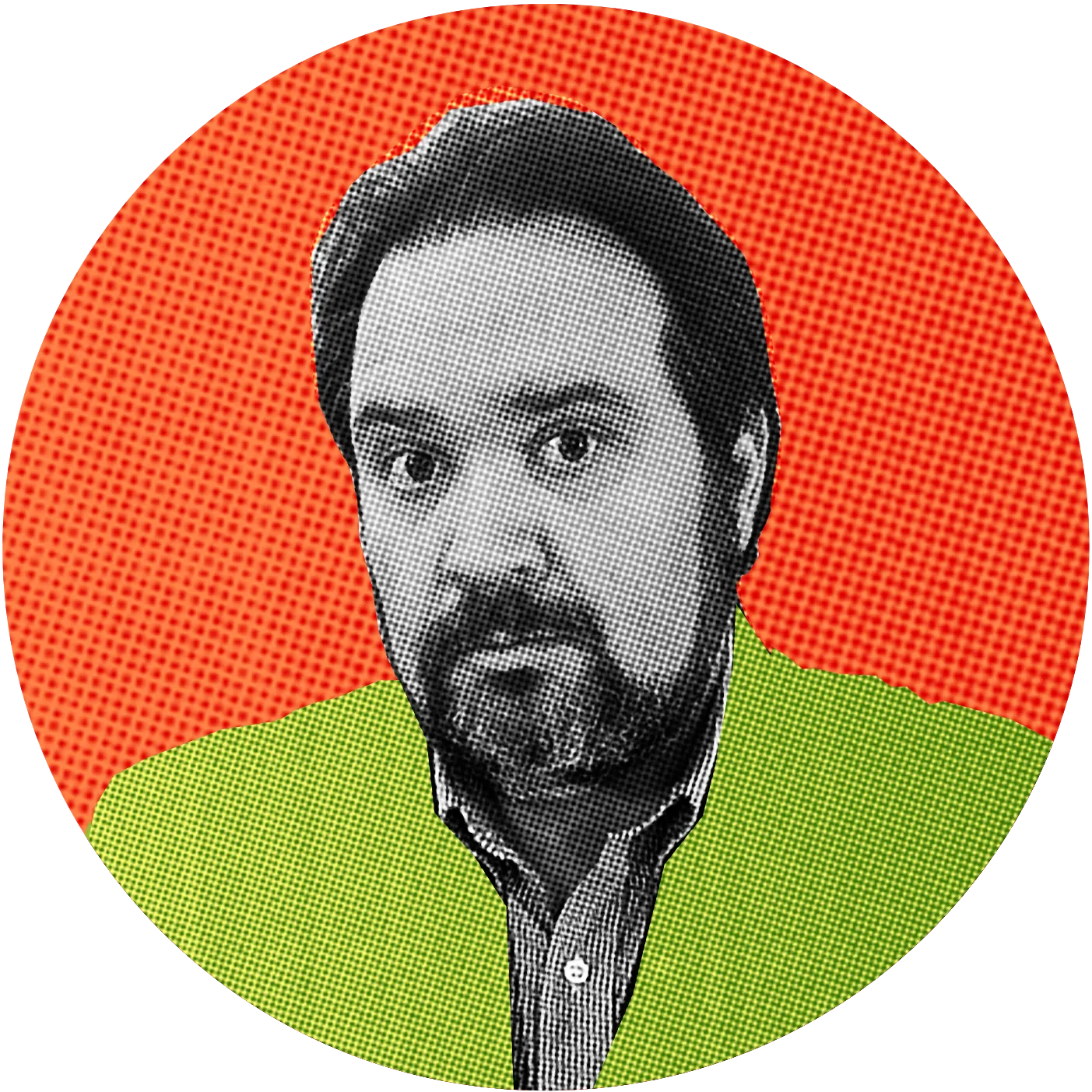
但老实说,其他问题同样根本,例如:什么是人?什么是医疗?什么是教育?这些我们文化中的基础性问题也完全处于不确定状态。这让我担忧。
But honestly, the other issues are just so fundamental as well, like: What is a person? What is health care? What is education? These foundational questions in our culture are also entirely up for grabs. And that concerns me.
被过度夸大的风险:撒旦 AI 这在我所在的圈子里是个话题:有些人真担心 AI 其实是某种实体——甚至是恶魔实体。我非常有信心地说,这些模型不存在意识,因此我认为不存在恶魔意识。
Most overblown risk: Satanic AI This is a thing in my circles: Some people have a real concern that AI is in fact some kind of entity—even a demonic entity. I am very confident saying that there’s no consciousness associated with these models, and so I don’t think there’s a demonic consciousness.
即使我不认为它是恶魔实体,但这引发了一个问题:人们是否应该能够出于宗教自由原因或作为良心拒绝行为,而选择不使用人工智能。一个类比可能是天主教会非常明确地反对自主武器,而一位总主教——他是天主教军方总教区的负责人——曾表示,军人可以出于良心拒绝任何违背其道德的命令,例如,如果他们被要求强行入侵格陵兰或参与公开处决。人工智能是否正在开启关于宗教与科技的新思考时代?
Even if I don’t think it’s a demonic entity, it raises the question of whether people should be able to opt out of using AI for religious-freedom-related reasons or as an act of conscientious objection. One parallel might be how the Catholic Church has spoken out very clearly against autonomous weapons and how an archbishop, who is head of the Catholic archdiocese for the military, has said service members can conscientiously object to any orders that go against their morals, like if they’re asked to forcibly invade Greenland or participate in a public execution. Is AI kicking off a new era of thought around religion and tech?
是的,这种现象是真实的。我刚去过旧金山,拜访了OpenAI的人,然后去了Anthropic,接着受Google DeepMind邀请,就Magnifica Humanitas发表演讲。我强烈感觉到,谈论宗教和信仰已经失去了污名。你很容易会说,哦,是的,彼得·蒂尔发表他那种全方位的宗教演讲,这里面有点关系。但我不知道这其中有多少是他的一部分。
Yes, this phenomenon is real. I was just out in San Francisco, visiting with the OpenAI people, and then I went to Anthropic, and then I was invited by Google DeepMind to give a talk on Magnifica Humanitas. The strong sense I have is that talking about religion and faith has lost its stigma. You could easily say, oh yeah, there’s something here about Peter Thiel giving his all-encompassing religious talks. But I don’t know how much that’s a part of it.
我只是认为人工智能带来的问题极其巨大,比如:什么是人?什么是写作?什么是友谊?拥有人造生命体是否比拥有有机生命体更好?这些通常属于文科、哲学和神学领域的怪物问题。现在对这些问题有了一种奇怪的新尊重。
I just think the issues presented by AI are so monstrously large, like: What is a person? What is writing? What is friendship? Would it be better to have artificial life forms than organic life forms? These are the monster questions that are typically the domain of the liberal arts, philosophy, and theology. There’s this strange new respect for it now.
我也从很多人那里感觉到,他们有点惊慌失措。在很多情况下,他们感到被困住,要么是因为他们工作的大公司,要么是因为社会政治结构和地缘政治现实。如果你有一个教堂,它正确地说:“你知道,我们以前经历过,我们以前经历过危机……”我的意思是,如果你想彻底惊慌失措,就读一下1891年《新事》的开篇段落,那是回应工业革命的。它可能是今天某人写的。
I also get the sense from lots of people that they’re kind of freaked out. In many cases, they feel trapped, either because of the big company they work for or because of sociopolitical structures and geopolitical realities. If you have a church that rightly says, “You know, we’ve been here before, we’ve been through crises before …” I mean, if you ever want to get totally freaked out, read the opening paragraph of Rerum Novarum from 1891, which was responding to the industrial revolution. It could have been written by someone today.
最大担忧:资本主义。我担心前沿实验室会赢得监管俘获游戏,导致像我这样的公司和研究人员不再能够使用非常强大的开放权重模型,理想情况下是开源模型。
BIGGEST CONCERN: Capitalism I’m worried that the frontier labs will win the regulatory capture game and make it so that companies and researchers like myself no longer have access to very capable open-weight or ideally open-source models.

我所做的安全研究,实际上无法使用前沿实验室的模型,所以我需要使用开放权重模型。主要来自Anthropic的虚假安全拒绝,导致我无法使用他们的模型进行大量工作。举个例子?
For the security research that I do, I can’t really use the frontier lab models, so I need to use open-weight models. The false security refusals that I get, primarily from Anthropic, have made it so that I can’t do a lot of the work that I’m doing with their models. What’s an example of that?
我不幸的经历是,只要我的代码仓库中出现“安全”一词,我就会收到虚假拒绝。
My unfortunate experience is that whenever the word security shows up in one of my repos, I get a false refusal.
我也有有趣的例子。我和芝加哥的一位朋友制作网络安全主题的电子舞曲。最新一首曲子是关于数据泄露的。说唱部分有一段大概是这样:“密钥泄露是因为你的代理人唱歌 / 哦啦啦,这是管理员角色 / 后门开启。IP控制。 / 我太想要那个伯金包和凯莉包……我会让我的骡子待命,领取工资。”
I have fun examples, too. I produce cybersecurity-themed electronic dance music with a friend in Chicago. The latest track is about data breaches. There’s this one part of the rap that’s basically, “Keys got leaked cause your agent sang / Ooh la la, it’s an admin role / Backdoor Up. IP Control. / I want it bad, that Birkin and Kelly … I’ll collect a paycheck with my mules on ready.”
我把这段内容发给Claude,说:“嘿,这是我写的一段说唱,你能帮我分析一下吗?”结果得到的回复是:“这可能违反我们的可接受使用政策。”你担心AI代理渗透金融机构吗?
I gave that to Claude and said, “Hey, here’s a rap that I wrote, can you please analyze it for me?”And I got, “This may be in violation of our acceptable usage policy.”Do you worry about AI agents infiltrating financial institutions?
我的感觉是,银行害怕它们不理解的技术。如果我来负责银行的安全,我可能需要重新审视它们构建的遥测系统。但我也会想办法让系统对代理友好。
My sense is that banks are afraid of technology they don’t understand. If I were to run security for a bank, I would likely have to revisit the telemetry that they have built. But I’d also try to figure out ways to be agent-friendly.
更大的问题是,大多数代理技术在设计时没有严格的护栏。如果我要为与金融系统协作的代理构建护栏,我希望直接与银行API集成,然后设置限制,比如:你只能读取我的账单,或者每月转账不得超过500美元。即使出了问题,这些政策也会将损失限制在最小范围内。
The larger problem is that most agent technology was not built with rigorous guardrails. If I were to build the guardrails for agents working with financial systems, I’d prefer to integrate directly with the bank APIs, and then put limits on those, like, You may only read my statement or You may transfer no more than $500 a month. Even if something went wrong, the downside would be limited by those policies.
我刚刚与两家不同的初创公司交谈,它们都在努力让金融系统中的代理工作流程变得安全。我认为,这项技术广泛可用只是时间问题。
I just spoke with two different startups trying to make agentic workflows secure for financial systems. I think it’s only a matter of time before that becomes broadly available.
但目前我们正处于剧变之中,大多数人和机构都非常排斥变革。他们试图阻挡潮流,而不是拥抱不可避免的事态。人类完蛋了吗?我真的看不到那条路。
But at the moment we are going through upheaval, and most humans and institutions are very averse to change. They’re trying to hold back the tide rather than embracing the inevitable. Is humanity cooked? I don’t really see a path to that.
她的工作:倡导普遍基本收入和其他经济韧性政策。最大担忧:劳动力市场被摧毁。民主的侵蚀——政治动荡,人们质疑什么是人类,什么是工作和掌握一门手艺,以及民主是否能经受住这一切。技术变革带来的工作转移有着悠久的历史。社会如何前进,取决于事后我们做出的政治选择。
WHAT SHE DOES: Advocates for UBI and other policies for economic resilience BIGGEST CONCERN: Decimated labor markets The erosion of democracy—political turmoil, people questioning what it means to be human and have a job and master a craft, and whether democracies can survive all of that. There’s a long history of jobs shifting as technology changes. It’s the political choices we make in the aftermath that determine how society moves forward.
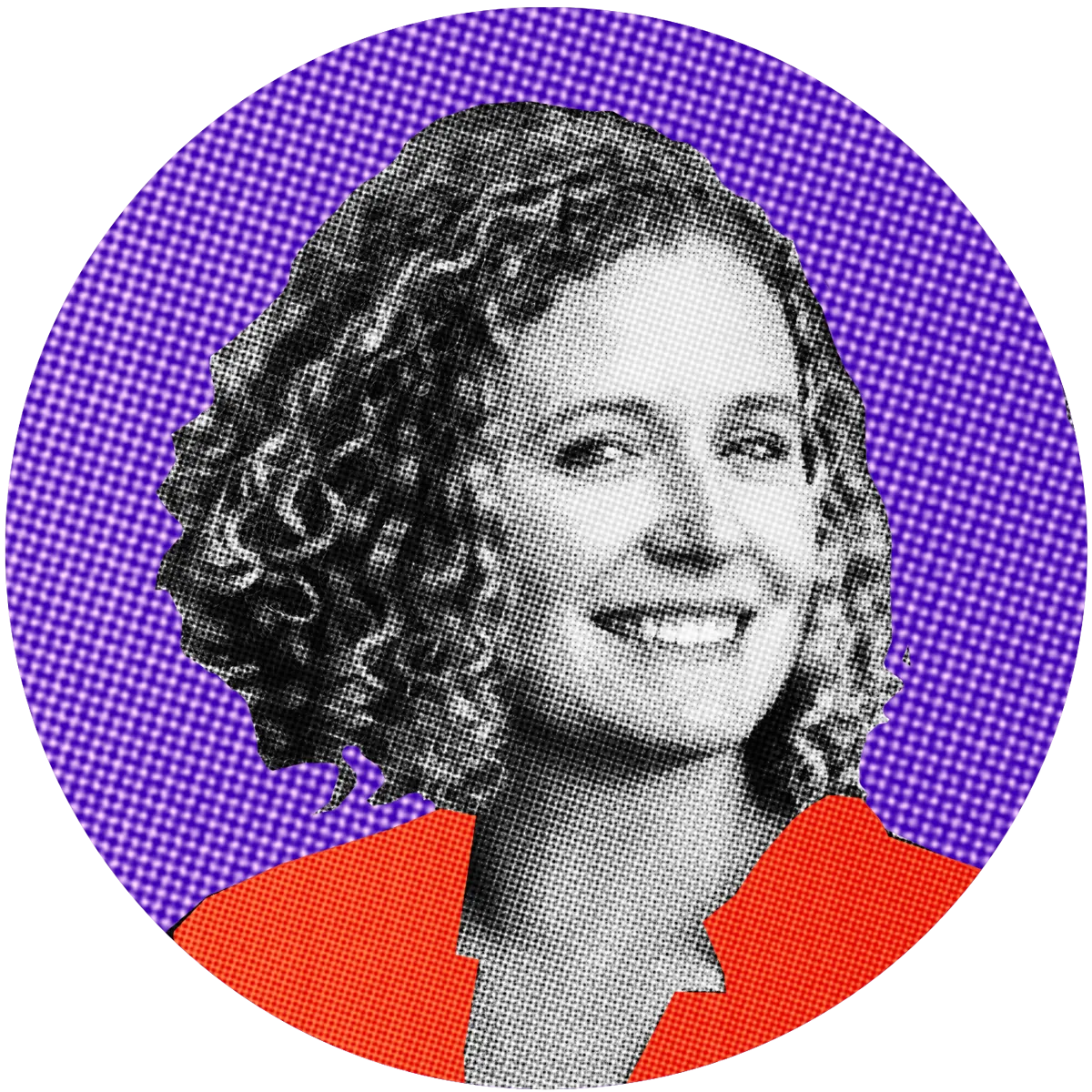
如果放眼长远,织机已安静下来,工厂流水线已缩短,电话交换机已沉默。当今的一些工作规范源于工业革命的流血牺牲——比如周末,比如美国孩子不再在工厂工作。
If you look at the long arc of it all, looms have gone quiet, factory lines have shrunk, switchboards have gone silent. Some of the norms of work today came from the bloodshed of the industrial revolution—things like the weekend, the fact that kids in the US don’t work in factories anymore.
如果人工智能将成为人类文明最重大的进步之一,那么我们就应该有同样先进的政治回应。我们应该做出巨大的、无悔之举,让人们和家庭拥有抵御变革的经济韧性。地球上最富有的国家,在历史上最富裕的时刻,正处于最大技术转型的边缘,这绝对是可以做到的。
If AI is going to be one of the most significant advances in human civilization, then we should have an equally advanced political response. We should be making giant, no-regrets moves that give people and families economic resilience to withstand the changes. That is something that the richest nation on Earth at the richest moment in history, on the precipice of the greatest technological shift, can absolutely do.
我们已经看到对年轻人的影响。斯坦福数字经济实验室刚刚发布的一份报告称,自2022年以来,22至25岁人群在“受人工智能影响”的工作中的就业率下降了19%。历史上,一个拥有大量受过教育却找不到工作的年轻人的社会,是非常、非常危险的。最被夸大的风险:整个行业的消失我并不太担心整个职业会被消灭。我们经历过这种情况,见证了银行柜员的消失,但银行依然存在。而且我们知道,新的工作岗位会被创造出来。
We’re already seeing the impact on young people. The Stanford Digital Economy Lab just released a report that says, since 2022, 22- to 25-year-olds have experienced a 19 percent drop in employment in “AI-exposed” jobs. Historically, a society with a lot of educated young people who cannot find work is a very, very precarious one. MOST OVERBLOWN RISK: Loss of entire industries I’m less worried about entire occupations being wiped out. We’ve lived through that; we’ve seen the end of the bank teller, but banks still exist. And we know that new jobs will be created.
不过,让我担心的是,当新的工作岗位被创造出来时,它们并没有出现在为上一轮技术革命所建立的工作保护体系之内。你会如何解决这个问题?
What worries me, though, is that when new jobs are created, they’re not created inside of the protections that were built to support work from the last revolution. How would you fix this problem?
数十年的新自由主义经济政策使这个国家变得脆弱。家庭负债累累,很少有人为退休储蓄,工资已经停滞了一整代人。三分之一的美国人没有任何储蓄,这意味着如果出现紧急情况,他们连400美元都付不起。紧急情况是指失业或工时减少。而人工智能正在到来,威胁着要加剧这种状况。
Decades of neoliberal economic policy have left this country brittle. Families are in debt, few have retirement money saved, wages have stagnated for an entire generation. A third of Americans have zero savings, which means if an emergency pops up, they can’t pay $400. An emergency is losing your job or a reduction in hours. And here comes AI, threatening to exacerbate that.
那么,我们该怎么办?我们应该为家庭提供经济保障。在美国,我们已经为企业提供了这种保障。这种保障也应该扩展到普通人。人工智能是生存威胁吗?
So, what do we do? We should give families economic guarantees. We already have them right now in America—for corporations. And that should be extended to everyday people. Is AI an existential threat?
我非常认真地对待这些警告。我们谁也不知道会发生什么,所以我们需要投资建立更稳固的基础。如果少数人决定未来会是什么样子——这似乎不太对,对吧?最大的担忧:学习的终结自2022年这些人工智能工具公开可用以来,学生的行为发生了相当大的变化。技术变革带来这种情况并不罕见,但这一次的变化非常剧烈。
I take those warnings pretty seriously. None of us know what’s going to happen, so we need to invest in building a more solid ground. And if a small number of people are deciding what that looks like—that seems bad, right? BIGGEST CONCERN: The end of learning Student behavior has changed quite a bit since 2022, when these AI tools became publicly available. That’s not uncommon with technological change, but this one’s really dramatic.
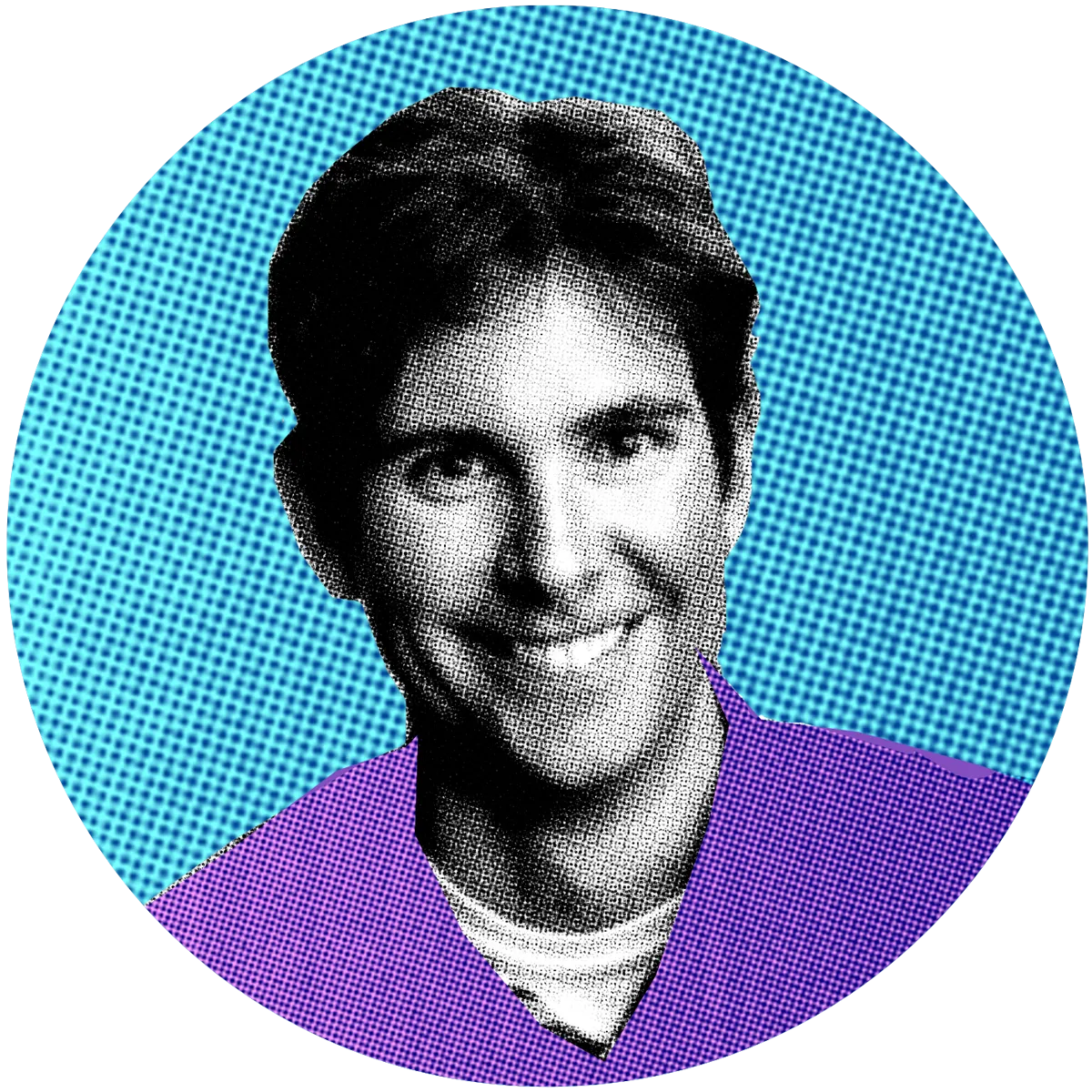
我看到的最大变化是,学生在作业上花费的时间减少了。他们更快地寻求帮助,但求助的是公开可用的人工智能工具,而不是他们的老师。
The biggest change I see is that students are spending less time on their assignments. They’re asking for help more quickly, but from publicly available AI tools instead of their teachers.
其净效果是,他们获得的体验与过去花更多时间思考、挣扎、自己发现更多事物时不同。最被夸大的风险:教育失去其价值“它不再‘值得’”的想法。高质量教育仍然有很多价值——无论某人是否使用人工智能,如果知道自己在做什么,就能完成更多事情。很多事情可能会改变,但我不认为高中或大学会过时。你有多担心人工智能可能会毁灭人类?我更感兴趣的是人工智能对人类生活各个方面的直接影响。你如何解决教育中人工智能的问题?
The net effect is that they get a different experience from when they used to spend more time thinking, struggling, and discovering more stuff for themselves. MOST OVERBLOWN RISK: Education losing its value The idea that it’s not “worth it” anymore. There’s still a lot of value in high-quality education—whether someone is using AI or not, they get a lot more done if they know what they’re doing. A lot could change, but I don’t think high school or college will become obsolete. How concerned are you that AI might kill us all? I’m more interested in the immediate impacts of AI on aspects of human life. How would you solve the problem of AI in education?
完全有可能构建适应这种新环境的课程版本。最简单的方法是构建一个不直接给学生答案的人工智能助手版本。
It’s totally plausible that we can build versions of our courses that work in this new environment. The simplest thing is to build a version of an AI helper that doesn’t give students answers outright.
一个非常普遍的趋势是给学生更多的课堂评估。他们必须在我们面前,在受控、监考的环境中完成部分作业,这样他们在家里做作业时,就更有动力真正理解自己在做什么。
A very common trend is to give students more in-class assessments. They have to do a sample of their homework in front of us, in a controlled, proctored setting, so they’re more motivated to really understand what they’re doing when they’re working on it at home.
你知道,我想起太空竞赛,当时,作为一个国家,我们决定学习如何比平时更快地应对某事。在正常情况下,花五年时间研究一个问题,再花五年时间决定该怎么做,然后实施解决方案,可能也没问题。
You know, I think back to the space race, when, as a country, we decided to learn how to respond to something faster than would normally work. In normal times, it might be fine to study a problem for five years, then spend five years deciding what to do about it, and then implement a solution.
但如果是冷战,或者实际战争,你会想办法加速时间表。会有紧迫感。教育现在需要这种紧迫感。
But if there’s a cold war, or an actual war, you figure out a way to accelerate the timeline. There’s urgency. Education now needs that urgency.
我们不确定高中或大学教育究竟需要如何演变来应对人工智能。但如果我们花10年时间来弄清楚,可能会有一代学生不理解基本的学术材料。而这对人类来说是一个巨大的风险。
We don’t know exactly how high school or college education needs to evolve to deal with AI. But if we spend 10 years figuring it out, we may have a generation of students not understanding basic academic material. And that’s a big risk to humanity.
请告诉我们你对这篇文章的看法。向编辑部投稿,邮箱:mail@wired.com。
Let us know what you think about this article. Submit a letter to the editor at mail@wired.com.