中国欧盟商会主席警告称,如果当前趋势持续下去,欧洲制造商可能在十年内放弃与中国同行竞争的努力,同时人们担忧会出现大规模失业。
Europe’s manufacturers could give up on attempting to compete with their Chinese counterparts by the end of the decade if current trends continue amid fears over mass job losses, the head of the European Union Chamber of Commerce in China has warned.
延斯·埃斯凯伦德表示,在“打不过就加入”的情况下,在华运营的欧洲公司现在正在思考,“在中国为中国制造”可能会被“在中国为世界制造”的理念所取代。
In a case of “if you can’t beat them, join them”, Jens Eskelund said European companies operating in China were now thinking “Made in China for China” could be replaced by a philosophy of “Made in China for the world”.
埃斯凯伦德是这家总部位于北京、颇具影响力的机构的主席。他表示,到本十年末,欧洲制造商可能会发现自己处于生死存亡的十字路口,并自问:“做贸易的意义是什么?”随着欧盟对华采取强硬态度,对华贸易逆差达到每天10亿英镑(11.8亿欧元)的创纪录水平,布鲁塞尔、柏林和巴黎的保护主义情绪日益高涨,他表示,欧洲国家可能需要转变政策,允许国内制造商成为中国企业供应链的一部分,而不是将它们视为竞争对手。
Eskelund, who heads the influential Beijing-headquartered body, said European manufacturers could find themselves at an existential crossroads by the end of the decade, asking themselves: “What is the point of trading?”As the EU gets tough with China with a deficit running at a record £1bn (€1.18bn) a day and an increasing mood for protectionism in Brussels, Berlin and Paris, he said European countries might need to shift their policies to allow domestic manufacturers to become part of Chinese firms’ supply chains, rather than treat them as competitors.
埃斯凯伦德同时也是航运集团马士基中国业务的董事总经理。他提到高盛的一份报告,该报告预测,到本十年末,中国出口将使欧盟国内生产总值降低0.5%,同时使德国国内生产总值降低多达0.9%。
Eskelund, who is also a managing director of the shipping group Maersk’s Chinese operations, pointed to a report by Goldman Sachs that forecasted Chinese exports would lower the EU’s gross domestic product by 0.5% by the end of the decade while reducing Germany’s by up to 0.9%.
“这提出了一个问题:如果中国的贸易带来负价值,为什么要贸易?”这位丹麦商人说。
“It raises the question, if China’s trade delivers negative value, why trade?” the Danish businessman said.
“如果你突然处于这样一种情况:贸易为一方创造了大量价值,却摧毁了另一方的价值,各国就会开始自问,我们为什么要贸易?”他说,并指出一种潜在的末日情景:制造业从欧洲国家消失,导致大规模失业、税基崩溃,并可能造成多代人失业和社会福利成本螺旋上升。
“If you are suddenly in a situation where trade creates a lot of value for one party, but it destroys value for the other, countries will begin to ask themselves, why do we trade?” he said, pointing to a potential doomsday scenario in which manufacturing disappeared from European countries, causing mass job losses, collapse in the tax base and potential multigenerational unemployment and spiralling social benefits costs.
他在布鲁塞尔发表讲话时表示,欧洲正处于转折点。他一直在布鲁塞尔与欧盟委员会官员接连举行会议,向他们反馈北京方面的意见。
Speaking in Brussels, where he has been in back-to-back meetings with European Commission officials to give them feedback from Beijing, he said Europe is at an inflection point.
埃斯凯伦德补充说:“如果我们制造新的依赖,最终可能导致欧洲失去决定自身未来的能力”,并造成大量失业和社区瓦解。
“If we create new dependencies, ultimately that might result in Europe losing its ability to determine its own future,” with mass job losses and fraying of communities, Eskelund added.
这种生存威胁已经开始在欧洲的汽车、化工和可再生能源行业显现,德国汽车工业遭受双重打击:一方面在中国利润下降,另一方面在国内面临比亚迪、吉利和上汽集团等中国公司的廉价竞争。上周,宝马表示其今年前九个月在华销量下降了22%,符合国内需求受抑的预期,同时发布了今年第二次利润预警。
That existential threat is already beginning to bite in Europe’s car, chemicals and renewable energy sectors, with the German automotive industry hit by a double whammy of reduced profits in China and cheap competition at home from Chinese companies such as BYD, Geely and SAIC Motor. Last week, BMW said its sales in China had dropped 22% in the first nine months of the year, in line with expectations of suppressed domestic demand, while issuing a second profit warning this year.
埃斯凯伦德不喜欢“第二次中国冲击”这个说法。该词指的是过去五年中国汽车、化工产品和零部件出口大幅增长对欧盟本地产业造成的影响。他表示,这不应令人意外,因为自2015年北京方面商定“中国制造”战略以来,取代进口的计划一直是过去三个五年计划中贯穿始终的主题。
Eskelund is not a fan of the term “China shock 2.0” – which refers to the impact of the huge rise in exports of, cars, chemicals and components – on local industry to the EU in the last five years. He said it should not have come as a surprise as Beijing’s plans to displace imports were the enduring theme of the last three five-year plans since Beijing’s Made in China strategy was agreed in 2015.
埃斯凯伦德说:“我不太喜欢‘第二次中国冲击’这个说法,因为正在发生的这些事情不应该成为冲击,因为这一切都写在他们(中国)的五年计划里,所以你应该能够预见到。”
“I don’t really like the term China shock 2.0 because these things that are happening should not be a shock because it is all written in their five-year plans so you should be able to anticipate that,” Eskelund said.
他补充说:“这里的证据是,过去30年中国一直高度专注于减少自身的依赖”,并指出进口也相应减少。
“The proof of concept here is that China has been laser-focused on reducing its own dependencies over the last 30 years,” he added, pointing to a concomitant reduction in imports.
欧洲改革中心(CER)最近的一份报告敦促德国停止“仰慕”北京,并改变其战略,而中国最新的五年计划(2026年至2030年)则是在加倍推进“自力更生”。
A recent report by Centre for European Reform (CER) urged Germany to stop “admiring” Beijing and change its strategy, with China’s latest five-year plan (2026 to 2030) a doubling-down on “self-reliance”.
欧洲改革中心表示:“中国致力于在仍依赖外国供应的少数几个领域取代进口。”
“It is committed to displacing imports in the few sectors where it still depends on foreign supply,” said the CER.
中国最新五年规划确定的重点领域包括人工智能、量子计算、机器人、智能与绿色技术、生物制造、脑机接口以及6G通信。
The sectors that have been identified in China’s latest five-year plan are AI, quantum computing; robotics; smart and green tech; biomanufacturing; brain-computer interfaces; and 6G communications.
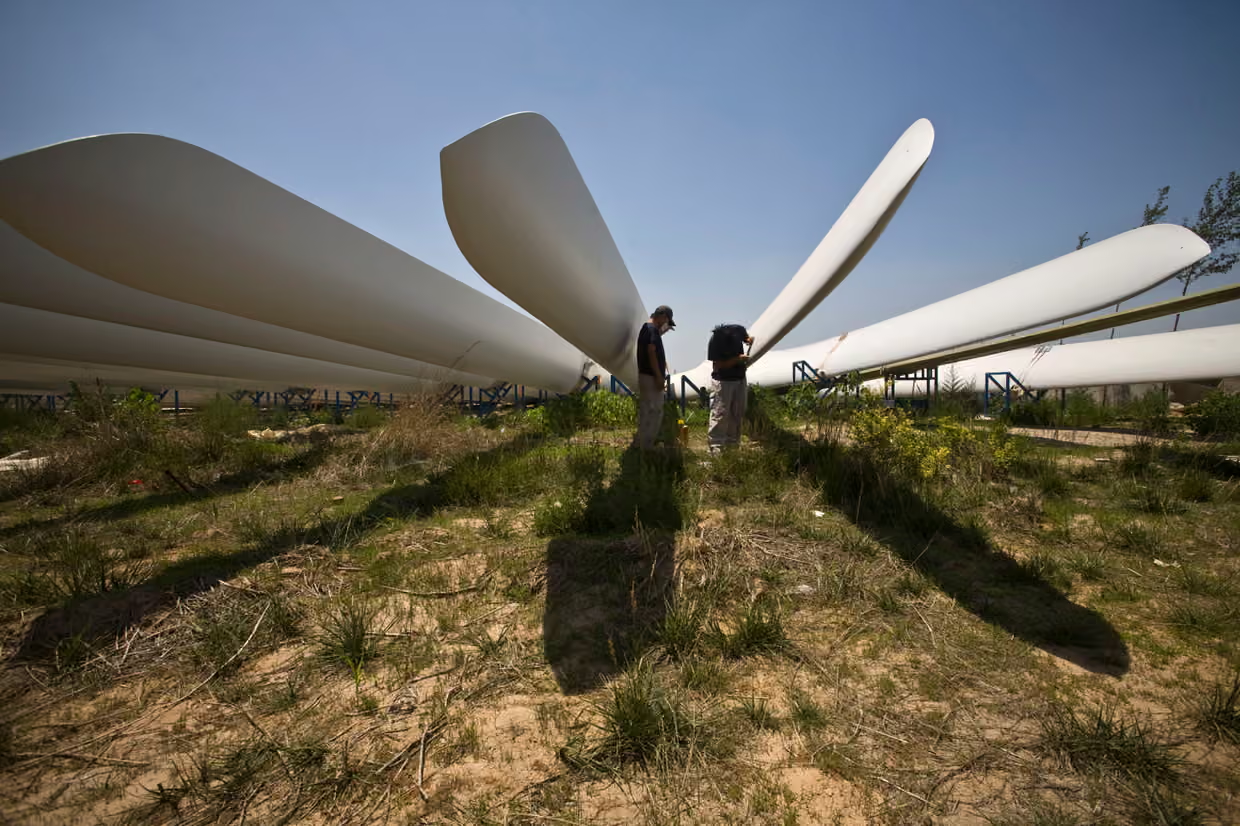
太阳能电池板、风力涡轮机、机器人、无人驾驶汽车、先进芯片,都是中国争夺全球主导地位新战略的一部分。
Solar panels, wind turbines, robots, driverless cars, advanced chips are part of China’s new strategy for global domination.
埃斯凯隆德给欧洲这些行业的建议是:不要躲避,而要做好准备迎接中国的交付能力。一旦北京确定了一项战略,激励措施、税收减免和补贴就会按地区层层下达到乡镇和村庄。他说,全国各地官员都知道该聚焦什么、该做什么。
Eskelund’s advice to those industries in Europe is not to hide but brace themselves for China to deliver. Once a strategy is decided in Beijing, incentives, tax breaksand subsidies flow down by region to town and village levels. Officials across the country know what to focus on and do, he said.
他给欧盟领导人的建议是:“与中国接触,讨论如何达到一个双方都能看到为彼此创造价值的地步。”他认为北京方面理解这一点。
His advice to EU leaders: “Engage with China and discuss getting to a point where everyone can see value is being created for both sides”, something he thinks Beijing understands.
尽管这一点可能显而易见,但埃斯凯隆德表示,欧洲需要从根本上转变做法。
While this might be an obvious point, Eskelund said a fundamental shift in approach was needed in Europe.
“中国一直非常注重结果,而欧洲更注重原则。这引出了一个问题:遵循原则是否正在带来不可取的结果,”埃斯凯隆德说。
“China has always been very focused on outcomes, whereas Europe has been more focused on principles. It raises the question of whether following principles is delivering undesirable outcomes,” Eskelund said.
埃斯凯隆德表示,包括英国在内的一些方面认为,可以通过增加出口来解决贸易失衡,这种观点纯属“幻想”。今年中国对世界其他地区的贸易顺差预计将超过2025年创纪录的1.2万亿美元(9000亿英镑)。
A view expressed in some quarters, including the UK, that trade imbalance could be addressed by increasing exports was just “fantasy”, said Eskelund, with this year’s surplus against the rest of the world expected to surpass 2025’s record $1.2tn (£900bn).
埃斯凯隆德说,许多公司在中国仍然赚得可观利润,但中国供应链中残酷的竞争,加上人民币被低估约30%,让欧洲人望尘莫及。
Eskelund said many companies were still making good money in China but the brutal competition in the country’s supply chains, combined with a currency undervalued by about 30%, left Europeans in the dust.
“我们现在看到的是,在几乎所有工业垂直领域,在世界上几乎任何地方,你都会有一个、而且很可能有好几个中国竞争对手,”他说。
“What we see right now is that in almost all industrial verticals, almost anywhere in the world, you would have one and probably several Chinese competitors” he said.
“在大多数行业,与中国竞争非常、非常困难。”放弃贸易并非答案。打不过就加入。商会发现,这正是目前正在发生的情况。
“It’s just very, very difficult in most industries to compete with the Chinese.”Giving up on trade is not the answer. If you can’t beat them join them. And that is what is now happening, the chamber has found.
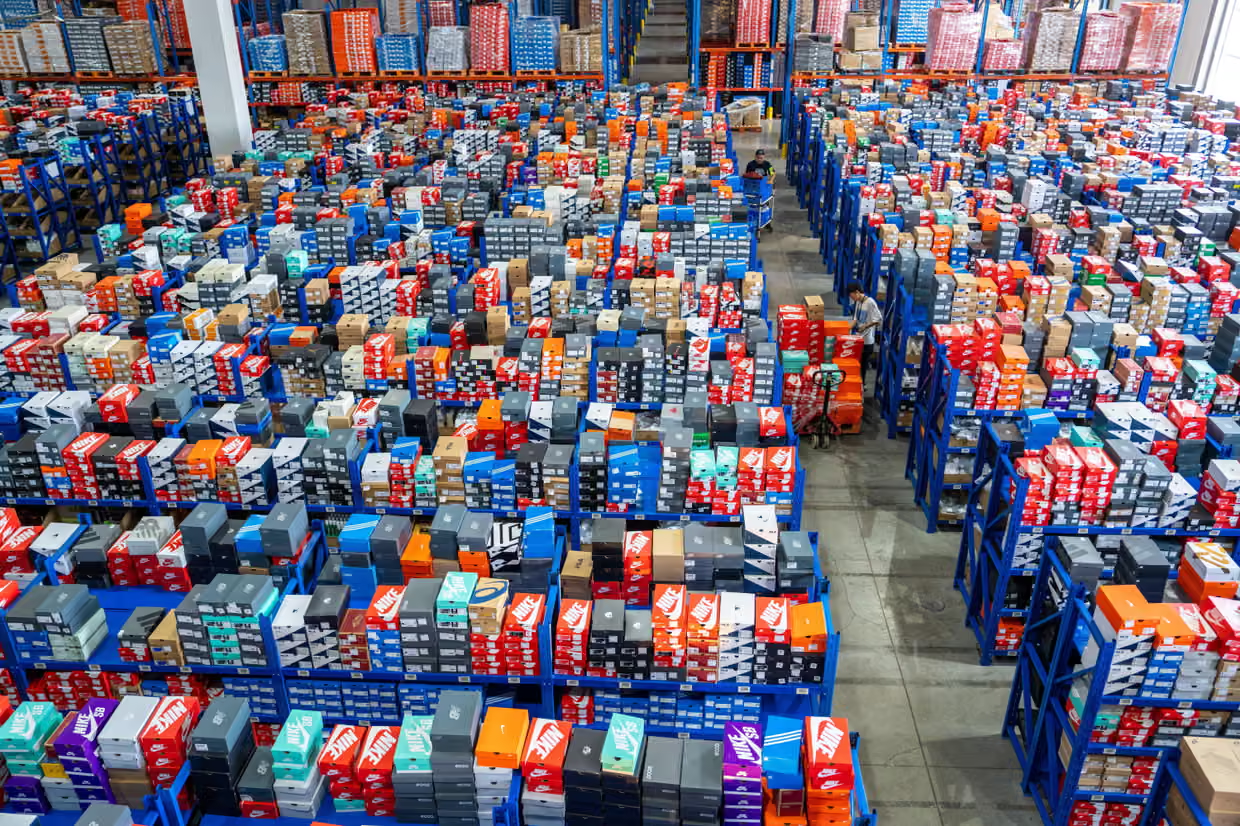
埃斯凯伦德说:“他们与中国供应链竞争的一种方式,就是自身成为中国供应链的一部分。”
“One way that they can compete with the Chinese supply chain is to become a part of the Chinese supply chain itself,” Eskelund said.
“对许多公司来说,在中国赚多少利润并不那么重要,重要的是中国供应链让你能够在全球市场上竞争。”这可能意味着与中国国内的合作伙伴共同在中国生产产品,并与中国企业联手进入全球供应链。
“For many companies it’s not the profit that you make in China that matters as much as the way Chinese supply chains enable you to compete on a global marketplace.”This could mean making the products in China in joint domestic partnerships with European companies and getting into global supply chains in conjunction with Chinese firms.
埃斯凯伦德说:“这是一种演变,过去你来中国,是为了在中国为中国市场服务。现在变成了:在中国,为世界。我认为这是一个相当重大的转变。”对他的许多成员来说,这导致过去一年“信心上升”。
“It is a sort of evolution from the old days when you came to China to service the Chinese market in China for China. It has now become: be in China, for the world. I think it’s a fairly significant shift,” Eskelund said. For many of his members this had led to an “uptick in confidence” in the past year.
他说:“这已成为企业适应的一种方式,面对中国饱和的市场,它们开始探索出口。”
“This has turned out to be one of the ways that companies adapt, faced with a saturated market in China, they begin to explore exports,” he said.