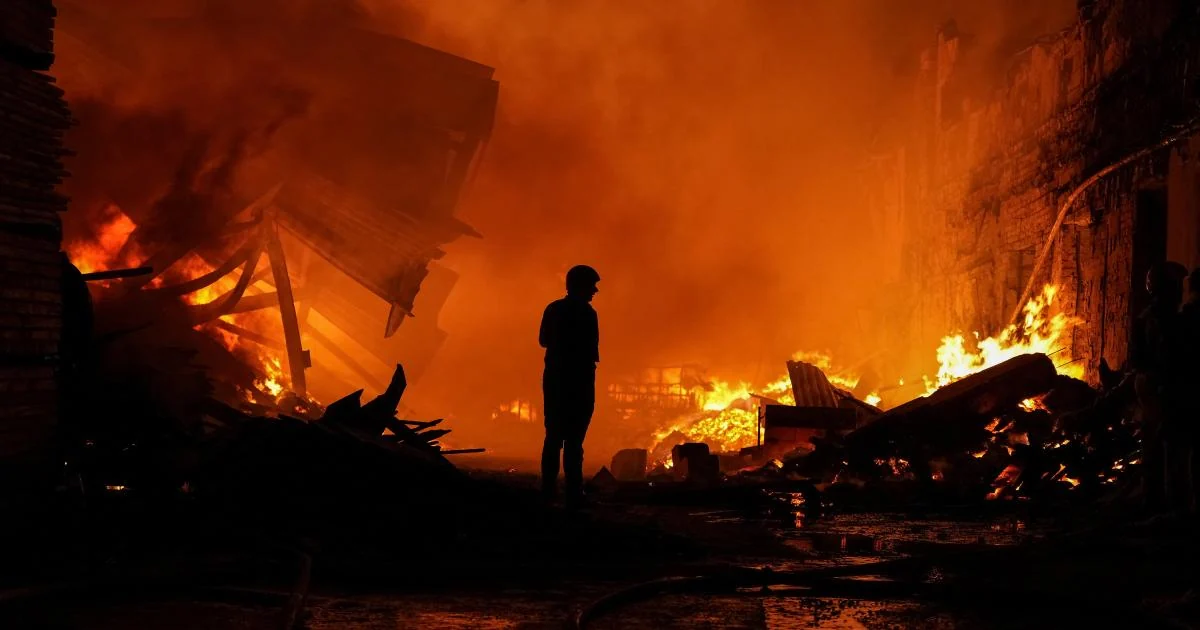
在过去十年中的某个时刻,世界开始接受战争不可避免这一事实。从乌克兰到黎巴嫩再到伊朗,侵略战争正呈上升趋势,带来了恐怖、毁灭以及更大规模国际对抗的阴影。各国政府日益将战争视为需要列入预算并为此做准备的事项。军费开支不断攀升,技术和军备竞赛愈演愈烈,越来越多的国家正在考虑是否应该获得核威慑力量以保障自身安全。
At some point during the last decade, the world started accepting war as inevitable. Wars of aggression, from Ukraine to Lebanon to Iran, are on the rise, bringing horror, ruin, and the specter of a wider international confrontation. Governments increasingly treat war as something to budget and prepare for. Military spending is climbing, technological and arms races are intensifying, and more and more countries are considering whether they should acquire a nuclear deterrent to guarantee their security.
没有什么比战争的常态化更危险了。这代表着人类历史上大部分时间所持续的一种常态的回归,即战争曾是国际体系的主要组织原则。武装冲突曾是各国解决争端或以牺牲弱小邻国为代价扩张领土的自然方式。
Nothing is more dangerous than the normalization of war. It represents a return to a norm that persisted for most of human history, when war was the main organizing principle of the international system. Armed conflict was the natural way for states to settle disputes or enlarge their territory at the expense of weaker neighbors.
然而,二十世纪上半叶第一次和第二次世界大战造成的巨大破坏,使得这种现状变得无法接受。各国团结一致,致力于将战争从合法的治国工具转变为被取缔的行为。战争在1945年后并未终结,但在随后的多年里,它们受到了国际社会的强烈谴责。
Yet the vast wreckage of World Wars I and II in the first half of the twentieth century made the status quo unacceptable. Countries united behind an effort to turn war from a legitimate instrument of statecraft into an outlawed act. Wars did not end in 1945, but for years after they were overwhelmingly condemned by the international community.
然而,近几十年来,各国政府对和平事业的承诺已经减弱。2003年,数百个城市的数百万人走上街头,反对美国领导的伊拉克战争,但战争依然进行。这场战争建立在虚假的前提之上,且违反了国际法,它给伊拉克带来了破坏,加剧了地区不稳定,并助长了针对西方国家的怨恨和恐怖主义。这场冲突也标志着一个转折点。自那时起,随着地缘政治竞争的加深,以及对几十年来旨在遏制战争行为的多边努力的忽视或冷漠,对和平的追求已从国际议程中稳步退却。
In recent decades, however, governments’ commitment to the cause of peace has weakened. Millions of people took to the streets in hundreds of cities to oppose the U.S.-led invasion of Iraq in 2003, but the war proceeded nonetheless. Fought on false premises and in violation of international law, it brought destruction to Iraq, fed regional instability, and fueled resentment and terrorism directed at Western countries. The conflict also marked a turning point. Ever since, the pursuit of peace has steadily receded from the international agenda amid deepening geopolitical competition and inattention or indifference to the multilateral efforts that for decades discouraged acts of war.
这条道路的尽头是另一场世界大战——这是20世纪国际秩序旨在防止的灾难。随着这种可怕的未来隐约浮现,各国政府必须重新学习反对战争的艺术。包括我所在的国家西班牙在内,每个国家都有责任采取直接行动,限制他国发动战争的能力,并加强那些作为和平保障者的国际机构。
At the end of this path lies another world war—the catastrophe the twentieth-century order was designed to prevent. With that dire future looming, governments must relearn the art of opposing war. It is the responsibility of every country, including my own, Spain, to take direct action that constrains others’ ability to wage war and to strengthen the international institutions that will serve as guarantors of peace.
这一项目的成功将取决于一种我称之为“最大多边主义”(maxilateralism)的广泛多边主义,即尽可能多地吸纳各国参与合作,而不是局限于小规模的临时性集团。其目标是使战争变得越来越不切实际,甚至无法想象。2003年,西班牙各地的抗议者高呼“不要战争!”世界不能再忽视他们的声音了。
The success of this project will depend on an expansive multilateralism that I call “maxilateralism”—cooperation that embraces as many countries as possible, rather than being limited to small, ad hoc groupings. Its ambition is to make war increasingly impractical, even unimaginable. In 2003, protesters across Spain chanted “—“No to war!” The world cannot afford to ignore them again.
危险的升级。国际社会拒绝将战争作为国家政策工具的努力可以追溯到1928年的《凯洛格-白里安公约》,该条约由15个国家在巴黎签署,随后又有数十个国家加入。它不足以阻止第二次世界大战,但却埋下了一颗种子。1945年,当50个国家的代表聚集在旧金山创建联合国时,他们重振了《凯洛格-白里安公约》的精神和原则,并赋予了它们此前所缺乏的东西:制度形式。
A DANGEROUS ESCALATION International efforts to reject war as an instrument of national policy date back to the Kellogg–Briand Pact of 1928, a treaty signed in Paris by 15 countries and joined by dozens more later. It was insufficient to prevent World War II, but it planted a seed. When representatives of 50 countries gathered in San Francisco in 1945 to create the United Nations they revived the spirit and principles of Kellogg–Briand and gave them what they had lacked: institutional form.
《联合国宪章》禁止对任何国家的领土完整或政治独立进行武力威胁或使用武力。而且,与1928年的前身不同,它通过被授权执行该禁令的机构为这一禁令提供了支持。
The UN Charter prohibited the threat or use of force against the territorial integrity or political independence of another state. And, unlike its 1928 predecessor, it backed up the prohibition with institutions empowered to enforce it.
在随后的数十年里,这些机构建立了一套惩罚违规行为并激励外交合作的秩序。与此同时,全球对战争的公众反对情绪日益高涨。对冷战军国主义的广泛抵制体现在全球对越南战争的反对以及大规模的反核武运动中。和平主义在1990年代达到高潮,当时充满活力的全球公民社会动员起来捍卫人道主义事业,而联合国拥有足够的权威来倡导全面的和平议程。
In the decades that followed, these institutions established an order that penalized violations and created incentives for diplomacy and cooperation. At the same time, public opposition to war was growing stronger around the world. Popular defiance of Cold War militarism was visible in worldwide resistance to the Vietnam War and in mass movements against nuclear weapons. Pacifism reached its high-water mark in the 1990s, when a vibrant global civil society mobilized to defend humanitarian causes and when the United Nations held sufficient authority to champion a sweeping peace agenda.
然而,如今的武装冲突数量已超过自1946年以来的任何时期。根据乌普萨拉冲突数据项目,2025年涉及政府的活跃冲突有65起,是2010年的两倍。估计有25万人在这些冲突中死亡——这是30年来最高的年度死亡人数,自卢旺达种族屠杀以来最高。全球约有1.2亿人因战争被迫流离失所。
Today, however, there is more armed conflict than at any time since 1946. According to the Uppsala Conflict Data Program, there were 65 active conflicts involving governments in 2025, double the number in 2010. An estimated 250,000 people died in those conflicts—the highest annual death toll in 30 years, since the Rwandan genocide. Close to 120 million people worldwide have been forcibly displaced by war.
令人担忧的是,侵略战争——违反《联合国宪章》的战争——卷土重来。俄罗斯入侵乌克兰。美国和以色列攻击伊朗。随着黎巴嫩、苏丹和也门等地的战事年复一年持续,战争正被视为一种常态。没有什么比战争常态化更危险。
Worryingly, wars of aggression—which violate the UN Charter—are back. Russia invaded Ukraine. The United States and Israel attacked Iran. And as fighting continues year after year in places such as Lebanon, Sudan, and Yemen, it is becoming clear that war is being accepted as a normal occurrence. Nothing is more dangerous than the normalization of war.
没有迹象表明这一趋势会放缓。军费开支激增至数代人未见的水平,挤压了社会和发展支出。仅在过去十年,全球防务支出就增长了40%以上,许多国家的军费预算翻了一番。全球每年近3万亿美元的防务支出接近整个非洲大陆的国内生产总值。即使是长期坚持军事克制的国家,如丹麦、德国、日本和挪威,也在快速重新武装。一些国家甚至在恢复征兵计划。
There is no sign of the trend slowing down. Military budgets have surged to levels not seen in generations, at the expense of social and development spending. In the past decade alone, global defense spending has increased by more than 40 percent, with many countries doubling their military budgets. The nearly $3 trillion the world spends annually on defense is close to the GDP of the entire African continent. Even countries with a long tradition of military restraint, such as Denmark, Germany, Japan, and Norway, are rearming rapidly. Some are reviving military service programs.
核战争威胁的重现令人愈发恐惧。所有九个拥有核武器的国家都在对其核武库进行现代化升级,以增强其破坏能力。据估计,中国的核弹头数量已从2010年代末的200至300枚增加到今年的620枚。朝鲜的核武库也从2018年估计的10至20枚增加到今年的约60枚,并开发了日益先进的发射平台。3月,法国宣布自1992年以来首次增加其核弹头储备。作为全球最大的两个核大国,美国和俄罗斯未能维持住限制其战略核武库的最后一份条约。此外,越来越多的无核国家已开始考虑获取自己的核武库。
A renewed threat of nuclear war is cause for still greater dread. All nine nuclear-armed states are modernizing their arsenals, boosting their destructive capabilities. China’s nuclear arsenal is estimated to have increased from 200 to 300 warheads in the late 2010s to 620 this year. North Korea has also expanded its arsenal from an estimated ten to 20 warheads in 2018 to around 60 this year, and it has developed increasingly sophisticated launch platforms. In March, France announced the first increase in its nuclear warhead stockpile since 1992. The United States and Russia, the world’s two largest nuclear powers, have failed to preserve the last remaining treaty constraining their strategic arsenals. And a growing number of nonnuclear powers have started to consider acquiring arsenals of their own.
与此同时,人工智能正在为愈发危险的战争武器提供动力。随着人工智能使针对电网、医院和金融系统的自动化网络攻击成为可能,人类的监督作用正逐渐减弱。人工智能系统已经入侵了政府机构,并促成了深度伪造内容和虚假信息活动的规模化生产。
Simultaneously, artificial intelligence is powering ever more dangerous weapons of war. Human oversight is being progressively reduced as makes it possible to automate cyberattacks against power grids, hospitals, and financial systems. AI systems have hacked government bodies and enabled the mass production of deepfakes and disinformation campaigns.
人工智能与核技术的融合构成了生存威胁:由于人工智能加快了决策速度,人类进行判断的时间随之减少。同样,人工智能在生物技术领域的应用可能会大幅降低进行有害实验和开发生物武器的门槛。在这两个领域,这项技术正将误判、意外升级和大规模毁灭的风险提升到前所未有的水平。
The integration of AI into nuclear technologies poses an existential threat: as AI speeds up decision-making, it reduces the time available for human judgment. Similarly, the use of AI in biotechnology could dramatically lower barriers to harmful experimentation and the development of bioweapons. In both areas, this technology is elevating the risk of miscalculation, unintended escalation, and mass destruction to a level higher than ever before.
这些动态共同增加了任何危机迅速演变为全球性毁灭的可能性。各国正以创新带来的惊人速度制造灾难工具,而管控工具的推进速度却远滞后于外交进程。战争不是答案政治变革正把世界从和平推向对抗和军事化。多极世界本身并不一定更危险,但管理极间紧张关系的规则和机构的侵蚀,使当今世界尤为动荡。大国之间的竞争在加剧,霸权野心促使其采取强硬外交政策,修正主义国家挑战既定规则和边界。
Together, these dynamics are multiplying the chances that any crisis will quickly spiral into planetary annihilation. Countries are building the instruments of catastrophe at the blinding speed of innovation while the instruments of control move at the much slower pace of diplomacy. WAR IS NOT THE ANSWER Political change is pushing the world away from peace and toward confrontation and militarization. A multipolar world is not, by definition, a more dangerous one, but the erosion of rules and institutions that manage tensions between poles has made today’s world particularly volatile. Competition among great powers is increasing, with hegemonic ambitions encouraging assertive foreign policies and revisionist states challenging established rules and borders.
好战的民族主义正在上升,极右翼运动推动一种国际关系是零和博弈、各国必须竞争而非合作的世界观。即便是中间派领袖也在采用战争备战的语言。虽然他们并不打算发动战争,但其言论助长了危险的军国主义思维。
Belligerent nationalism is on the rise, and far-right movements are advancing a worldview in which international relations is a zero-sum game and countries must compete rather than cooperate. Even centrist leaders are embracing the language of war preparedness. Although they do not intend to start a war, their words feed a dangerous militaristic mindset.
在这种竞争的背景下,侵略战争往往披上必要性、解放、自卫或历史正义的叙事。侵略者将其行动描述为不可避免,并将目标妖魔化,以为先发制人提供正当性。他们把每场战争描述为对不安全感的回应——一场结束所有战争的战争。
In this context of rivalry, wars of aggression come wrapped in narratives of necessity, liberation, self-defense, or historical justice. The attackers present their operations as inevitable, having demonized their targets to justify preemptive action against them. They describe each war as an answer to insecurity—a war to end all wars.
但这些战争并不能让世界更安全。每当一个国家发动侵略战争时,都会侵蚀保护所有国家免受任意使用武力的规范——包括侵略者自身在内。
But these wars will not make a safer world. Every time a state embarks on a war of aggression, it erodes the norms that protect all countries from the arbitrary use of force—including the aggressor itself.
战争付出巨大的代价。它们粉碎社会、打断生活。联合国记录显示,2025年每14分钟就有至少一名平民在武装冲突中死亡,超过五百万人被迫离开自己的国家。经济成本同样高昂;美国与以色列对伊朗的战争严重扰乱了海上贸易和航空交通,推高了能源、化肥及其他商品的价格,全球数百万人正承受其后果。
Wars exact immense costs. They shatter societies and interrupt lives. In 2025, at least one civilian died in an armed conflict every 14 minutes, according to UN records, and more than five million people were forced to flee their countries. The economic costs are high, too; the U.S. and Israeli war with Iran has severely disrupted maritime trade and air traffic, driving up the prices of energy, fertilizer, and other commodities, and millions of people across the world are suffering the consequences.
战争也会带来新的危险。一旦战斗开始,其进程就难以预测。冲突往往会卷入新的参与者,并蔓延至邻国。伊朗战争再次成为了一个典型的例子。自2026年2月以来,伊朗袭击了多个海湾国家及其他邻国的目标——西班牙一贯谴责这些行动。针对民用和商用船只的袭击威胁到了更广泛的地区稳定。此外,这场战争还重新点燃了伊拉克、黎巴嫩和也门的冲突。
War also creates new dangers. Once the fighting begins, its course is unpredictable. Conflict tends to draw in new actors and spill into neighboring countries. The war in Iran serves, again, as a prime example. Since February 2026, Iran has struck targets in several Gulf countries and other neighbors—actions Spain has consistently condemned. Attacks on civilian and commercial vessels threaten broader regional stability. And the war has reignited conflicts in Iraq, Lebanon, and Yemen.
最后,战争很少能带来持久的和平。相反,它们加深了怨恨并固化了助长未来暴力的分歧。例如,俄罗斯在乌克兰的战争摧毁了人们对莫斯科的信任。加沙的种族灭绝激起了对以色列的愤怒,可能导致新一轮的恐怖主义浪潮。而针对伊朗的战争进一步破坏了中东的稳定,阻碍了整个地区的合作。
Finally, wars rarely produce lasting peace. Instead, they deepen grievances and entrench divisions that fuel future violence. Russia’s war in Ukraine for instance, has destroyed trust in Moscow. The genocide in Gaza has inflamed anger toward Israel, potentially leading to new waves of terrorism. And the war against Iran has further destabilized the Middle East, hindering cooperation across the region.
如何反对战争 世界有责任抵制战争常态化。保持沉默是一种懦弱和共谋的行为。西班牙社会正在明确表达其立场:四分之三的西班牙人认为战争是他们最大的恐惧,而更多的人认为另一场世界大战即将来临。
HOW TO OPPOSE A WAR The world has a responsibility to resist the normalization of wars. Remaining silent is an act of cowardice and complicity. Spanish society is making its position clear: three of four Spaniards identify war as their greatest fear, and an even greater number believe another world war is on the horizon.
但仅仅在原则上谴责战争是不够的。结束战争的雄心必须辅以相应的行动,使各国越来越难以发动、维持和证明武装冲突的合理性。
But it is not enough to simply condemn war in principle. The ambition of ending war must be matched with action that makes it increasingly difficult for countries to start, sustain, and justify armed conflict.
西班牙一直致力于采取此类行动。它捍卫了国际法,这些法律是维护以规则为基础的秩序与以武力为基础的秩序之间的屏障。西班牙一贯谴责违反《联合国宪章》的武装袭击。
Spain has endeavored to take such action. It has defended the international laws that stand between an order governed by rules and one governed by force. Spain has consistently denounced armed attacks that violate the UN Charter.
从加沙战争的第一天起,西班牙就一直呼吁立即实现永久停火,释放所有人质,并无限制地提供人道主义援助。2024年5月,西班牙承认了巴勒斯坦国,希望此举有助于推动通过谈判达成持久的冲突解决方案。西班牙还积极支持国际法院和国际刑事法院的努力,追究以色列领导人在违反国际人道法方面的责任。以色列在10月7日的恐怖袭击后拥有自卫权,但这种权利并不能为加沙的种族灭绝或以色列在西岸非法占领的扩张提供正当理由。
From day one of the war in Gaza, Spain has been calling for an immediate and permanent cease-fire, the release of all hostages, and the unrestricted delivery of humanitarian assistance. In May 2024, Spain recognized the state of Palestine in the hope that this step would help advance a negotiated and lasting solution to the conflict. And Spain has actively supported the efforts of the International Court of Justice and the International Criminal Court to hold Israeli leaders accountable for violations of international humanitarian law. Israel had the right to self-defense after the October 7 terrorist attacks, but that right does not justify genocide in Gaza or the expansion of Israel’s illegal occupation of the West Bank.
遏制战争还需要提高侵略的代价。世界其他国家必须确保那些选择发动战争的人无法在不付出代价的情况下这样做。例如,在俄罗斯对乌克兰的战争期间,欧盟对俄罗斯实施了一系列制裁,西班牙始终对此表示支持。西班牙还向乌克兰提供了财政、人道主义和军事援助,帮助其保卫领土并阻止俄罗斯获得战争红利。
Deterring war also requires raising the costs of aggression. The rest of the world must ensure that those who choose to wage war cannot do so without paying a price. Throughout Russia’s war in Ukraine, for example, the European Union has introduced a series of sanctions on Russia, which Spain has consistently supported. Spain has also provided financial, humanitarian, and military assistance to Ukraine, helping it defend its territory and deny Russia the spoils of war.
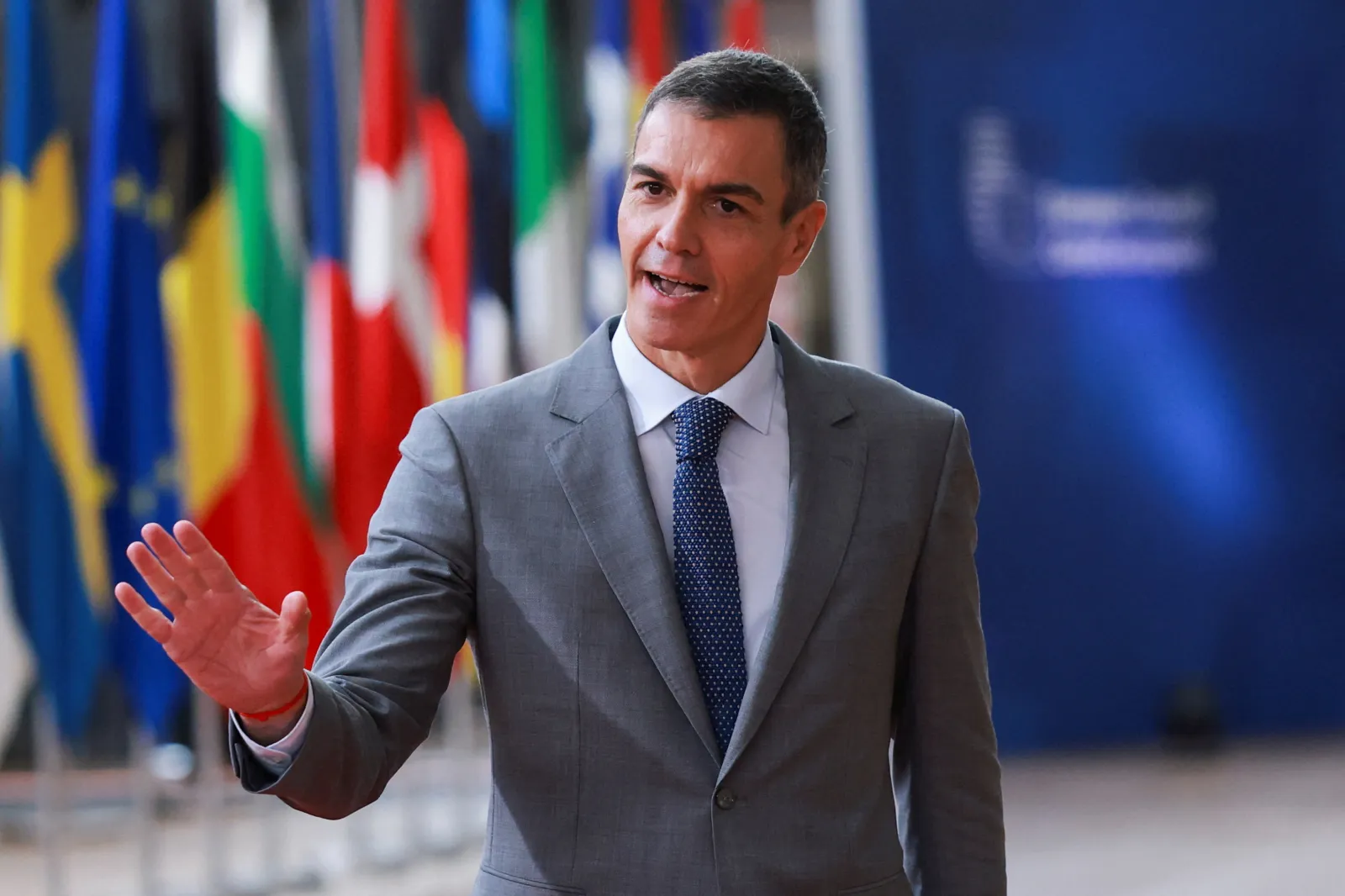
各国必须拒绝帮助交战方扩大现有冲突。例如,自2023年以来,西班牙一直对以色列实施武器禁运。今年,西班牙还拒绝了美国在针对伊朗的战争中使用其领土和设施的请求。西班牙的决定并非针对盟友的敌对行为,也不是中立或同情伊朗政权的表示。相反,这是一种判断,认为卷入其中将助长冲突升级,加剧地区和全球的不安全。
Countries must refuse to help belligerents expand existing conflicts. Spain, for instance, has maintained an arms embargo on Israel since 2023. This year, it also denied the United States the use of its territory and facilities for the war against Iran. Spain’s decision was not an act of hostility toward an ally. Nor was it an expression of neutrality or sympathy for the Iranian regime. It was, rather, a judgment that getting involved would enable escalation of the conflict, deepening regional and global insecurity.
为了信守对和平的承诺,西班牙必须愿意说不,即使这样做需要付出政治代价。如果更多的国家能做到这一点,加沙和伊朗的战争将变得更加艰难,发动战争的代价也会高得多。
To keep its commitment to peace, Spain had to be willing to say no, even when doing so carried a political cost. Had more countries done the same, the wars in Gaza and Iran would have been far harder and costlier to wage.
投资于繁荣也至关重要。当社会具有韧性、不平等现象减少且公民能够信赖公共机构时,安全就会得到加强。西班牙去年决定不参与北约提出的国防开支占国内生产总值(GDP)5%的目标,反映了这一理解。这一立场并非源于对欧洲防务缺乏承诺——事实上,我的政府一直支持欧洲推动战略自主,并在我任职的八年里将净国防开支增加了两倍。
Investing in prosperity is also essential. Security is strengthened when societies are resilient, inequalities are reduced, and citizens can rely on public institutions. Spain’s decision last year to opt out of NATO’s proposed defense spending target of five percent of GDP reflected this understanding. This position did not stem from a lack of commitment to European defense—in fact, my government has championed Europe’s push for strategic autonomy and has tripled net defense spending over the eight years I have been in office.
但军事威慑与社会福利必须相辅相成。通过保持国防开支的比例,西班牙保留了财政空间,得以在社会保障、住房、医疗保健和教育领域额外投资1450亿欧元,并在绿色转型方面投资超过300亿欧元——这些项目使社会更具凝聚力和适应力,从而也更加安全。
But military deterrence and social welfare must reinforce each other. By keeping defense spending proportionate, Spain has preserved the fiscal space to invest an additional 145 billion euros in social protection, housing, health care, and education, as well as more than 30 billion euros in the green transition—programs that make society more cohesive and adaptable, and therefore more secure.
集体努力 然而,一个国家的努力所能取得的成就终究有限。切断战争的生命线需要各方齐心协力,这是一种植根于真正多边主义的集体努力。这是唯一行之有效的策略。二战后建立的多边体系覆盖全球,它有助于维持大国之间的和平,并防止了第三次世界大战。
A COLLECTIVE EFFORT Yet one country’s efforts can accomplish only so much. Starving war of its lifelines requires all hands on deck, a collective effort rooted in genuine multilateralism. This is the only strategy that has worked before. The multilateral system built after World War II spanned the globe, and it helped keep peace among great powers and prevent a third world war.
加强这一体系并非易事。地缘政治竞争和普遍的不信任削弱了联合国、国际金融机构、区域组织和其他多边机构。许多国家认为这些机构效率低下,且陷入了永久性的危机,因此它们转向了替代性框架,试图结束战争。
Reinforcing it will not be an easy task. Geopolitical competition and widespread mistrust have weakened the United Nations, international financial bodies, regional organizations, and other multilateral institutions. Many countries perceive them as ineffective and trapped in perpetual crisis, so they have turned to alternative frameworks to try to end wars.
有些人尝试过单边主义做法,追求那种最终只会让经济和政治精英受益,却将受冲突影响的民众边缘化的交易性协议。他们达成的停火或和平协议或许比持续的战争更可取,但任何通过强权政治而非法律强加的和平,都建立在不稳固的基础之上。今天,武装冲突的数量比1946年以来的任何时候都要多。
Some have tried unilateral approaches, pursuing transactional bargains that end up benefiting economic and political elites while sidelining the populations affected by the conflict. The cease-fires or peace deals they achieve may be preferable to continued war, but any peace imposed through power politics rather than law rests on shaky foundations. Today, there is more armed conflict than at any time since 1946.
其他国家因对多边主义感到沮丧,试图招募“意愿联盟”或其他“小多边”团体,以提供安全保障或就贸易和技术问题达成临时安排。这种做法或许是解决传统机构瘫痪的临时方案,但其排他性进一步分裂了本已四分五裂的国际秩序。我们需要的不是小多边主义,而是大多边主义。当国际合作是普遍的,或者立志成为普遍的合作时,它才具有强大的力量。此外,将世界的一部分排除在多边努力之外,是未来引发对抗的根源。
Other countries, frustrated with multilateralism, have tried recruiting coalitions of the willing, or other “minilateral” groups, to provide security guarantees or reach ad hoc arrangements on matters of trade and technology. This approach might be a temporary solution to the paralysis of traditional institutions, but its exclusivity further fragments an already divided international order. What is needed is not minilateralism but maxilateralism. International cooperation is powerful when it is, or aspires to be, universal. Leaving part of the world outside of multilateral efforts, moreover, is a recipe for confrontation down the road.
20世纪的体系并不完美。其规则的应用并不均衡,其标准的执行缺乏一致性,其程序也慢得令人沮丧。但不可否认的是,如果没有它,世界将会危险得多。仅举一例,正是国际条约的网络——包括《不扩散核武器条约》、《中程核力量条约》和《部分禁止核试验条约》——终结了一场极其昂贵的军备竞赛,而那场竞赛曾将世界推向核战争的边缘。
The twentieth-century system was not perfect. The application of its rules has been uneven, its standards inconsistently upheld, its procedures frustratingly slow. But it is undeniable that the world would be much more dangerous without it. To take just one example, it was a lattice of international treaties—including the Nuclear Nonproliferation Treaty, the Intermediate-Range Nuclear Forces Treaty, and the Limited Test Ban Treaty—that ended a wildly expensive arms race that was driving the world to the brink of nuclear war.
所有这些制度架构如今正在受到侵蚀。然而,没有了它们,世界就无法奢谈维护和平。
All of this institutional architecture is now eroding. Yet without it, the world cannot aspire to preserve peace.
改革授权 加强多边机构必须成为全球运动的核心,以将战争扫入历史。这将需要进行实质性改革,以恢复这些机构的合法性及其行动能力,并优先考虑那些对和平与安全贡献最大的措施。
REFORM MANDATE Strengthening multilateral institutions must be at the center of a global campaign to relegate war to history. This will require substantial reform to restore these institutions’ legitimacy and their capacity to act, prioritizing measures that will contribute the most to peace and security.
首要任务是增加在联合国和布雷顿森林体系机构中的代表性。鉴于联合国安理会承担着维护国际和平的主要责任,对其结构进行更新尤为重要。安理会仅向第二次世界大战的五个战胜国提供常任理事国席位和否决权,而这五个国家的人口总和仅占全球人口的四分之一左右,这无法反映当今的世界。安理会的非常任理事国席位应当扩大,且这些成员的任期应延长至目前的两年以上。
The first is increasing representation at the United Nations and the Bretton Woods institutions. An update to the structure of the UN Security Council is particularly important, given that body’s primary responsibility for the maintenance of international peace. A Security Council that gives permanent seats and a right to veto only to the five victors of World War II, which together account for barely a quarter of the global population, does not reflect today’s world. The council’s elected membership should be expanded and the terms of those members should be extended beyond the current two years.
新席位应主要分配给代表性不足地区的国家,特别是非洲和拉丁美洲。欧盟和非盟等区域性组织也应在安理会中获得代表权,并可能接管目前由国家占据的席位。
The new seats should be given primarily to countries in underrepresented regions, particularly Africa and Latin America. Regional organizations such as the European Union and the African Union should also be represented in the council, potentially taking over seats currently occupied by states.
一个更具代表性的安理会不仅会更公平,而且会更有效。当各国认为自己是国际规则的制定者时,它们更有可能捍卫和执行这些规则。
A more representative Security Council would not merely be fairer; it would also be more effective. Countries are more likely to defend and enforce international rules when they consider themselves to be authors of those rules.
常任理事国的否决权也必须受到严格限制,特别是在安理会审议大规模暴行、种族灭绝、危害人类罪和战争罪案件时。最终,应当彻底废除否决权。只有这样,安理会才能在不被单一国家的反对所瘫痪的情况下,对所有侵略行为作出回应。
Permanent members’ veto power must also be strictly limited, particularly when the Security Council considers cases of mass atrocities, genocide, crimes against humanity, and war crimes. Ultimately, the veto should be abolished outright. Only then can the council respond to all acts of aggression without being paralyzed by the objections of a single state.
在国际金融机构,特别是国际货币基金组织和世界银行的结构性改革中,也应秉持类似的精神。这两家机构的投票权分配依然反映着二十世纪的经济格局,且按照惯例,国际货币基金组织始终由欧洲人领导,世界银行则由美国人领导。这种情况必须终结。新兴经济体需要更好的代表权,领导职位应向所有候选人开放,无论其国籍如何。
A similar spirit should guide structural change at international financial institutions, particularly the International Monetary Fund and the World Bank. The distribution of voting power in both still reflects twentieth-century economic balances, and by convention, a European always leads the IMF and an American leads the World Bank. This must end. Emerging economies need better representation, and leadership positions should be open to all candidates regardless of nationality.
随着经济增长使一些曾经被归类为“发展中”的国家跻身富裕国家行列,世界贸易组织等机构内部的职责也应随之演变。更公平的经济治理将有助于缓解那些往往助长不稳定和冲突的不平等与怨恨。保持沉默是懦弱和同流合污的行为。
Responsibilities within institutions such as the World Trade Organization should also evolve as economic growth moves countries that were once categorized as “developing” into the ranks of the wealthy. Fairer economic governance would ease the inequality and resentment that so often feed instability and conflict. Remaining silent is an act of cowardice and complicity.
另一项关键改革将涉及重振限制核升级风险的国际框架。部分工作取决于核大国;例如,美国和俄罗斯有责任就《新削减战略武器条约》的后续条约进行谈判,以保留对战略核部署的可核查限制。而这一次,中国应参与到讨论中来。
Another key reform will involve reinvigorating the international framework that limits the risk of nuclear escalation. Some of that work depends on the nuclear powers; it is up to the United States and Russia for example, to negotiate a successor to the bilateral New START treaty that preserves verifiable limits on strategic nuclear deployments. And this time, China should be part of the discussions.
然而,更广泛的努力需要所有国家的参与。它们的优先事项应包括批准《全面禁止核试验条约》,以防止核试验恢复;并推进关于《禁止生产核武器用裂变材料条约》的谈判,该条约将禁止生产用于核武器的高浓缩铀和钚。所有国家还必须共同努力,规范人工智能在军事领域的应用,特别是在涉及核武器时,以保持人类对发射决策的控制,并降低发生灾难性错误的风险。
Yet the broader effort requires the engagement of all countries. Their priorities should include ratifying the Comprehensive Nuclear Test Ban Treaty to prevent a resumption of nuclear testing and advancing negotiations on a Fissile Material Cutoff Treaty, which would ban production of highly enriched uranium and plutonium for nuclear weapons. All countries must also work together to regulate the use of AI in the military domain, especially when it comes to nuclear weapons, to preserve human control over launch decisions and reduce the risk of catastrophic errors.
无核国家应承诺不自行获取核武器,并应利用一切可用手段鼓励核大国削减其核武库、加强核查机制,并重建几十年来有助于防止核灾难的外交护栏。
Nonnuclear powers should commit to not acquiring nuclear weapons themselves, and they should use every tool at their disposal to encourage nuclear powers to reduce their arsenals, strengthen verification mechanisms, and rebuild the diplomatic guardrails that for decades have helped prevent nuclear catastrophe.
技术可以在一定程度上提供帮助。卫星图像、远程传感器和数据分析方面的进步可以提高透明度,并使军控协议的合规性更易于观察。但必须采取更多措施来避免可能升级为战争的情况。如果拥核国家同意降低作战准备状态并加强危机沟通,这将有助于确保各国政府有时间和手段化解危险局势。每个国家都必须保护其指挥和控制系统免受网络攻击和人工智能驱动的信息操纵,以确保虚假警报或误判永远不会导致核战争。
Technology can help with some of this. Advances in satellite imagery, remote sensors, and data analytics can increase transparency and make compliance with arms control agreements more observable. But more must be done to avoid situations that can escalate into war. If nuclear-armed states agree to lower operational readiness and strengthen crisis communication, that can help ensure that governments have the time and the means to defuse dangerous situations. Each country must protect its command-and-control systems from cyberattacks and AI-driven manipulation of information, so that a false alarm or miscalculation never leads to nuclear war.
最后的一项优先事项是确保国际司法体系能够执行法院的裁决。正如一些国家正试图做的那样,拆解国际刑事法院只会确保世界上最严重的罪行得不到惩处。国际刑事法院不仅应该起诉种族灭绝、侵略、战争罪和危害人类罪的案件,还应有权将这些罪行的责任人绳之以法。当一个国家成为《罗马规约》(即创建国际刑事法院的条约)的缔约国时,它就同意服从该法院的管辖。
The final priority is to ensure that the international justice system can enforce courts’ decisions. Dismantling the International Criminal Court, as some countries are trying to do, would only ensure that the world’s gravest crimes go unpunished. The ICC should not only prosecute cases of genocide, aggression, war crimes, and crimes against humanity but also have the authority to bring to justice those who are responsible for these crimes. When a state becomes a party to the Rome Statute, the treaty that created the ICC, it agrees to submit itself to the court’s jurisdiction.
然而,如果该国拒绝合作或拒绝移交嫌疑人,则不会受到真正的惩罚,只会受到令人尴尬的谴责。这种情况必须改变。庇护被国际刑事法院起诉个人的国家应面临法律、外交和经济后果。发动和进行战争应付出真正的代价。
Yet if that state refuses to cooperate or surrender a suspect, there is no real punishment, only an embarrassing censure. This must change. States that shelter individuals indicted by the ICC should face legal, diplomatic, and financial consequences. Starting and waging war should carry a real cost.
改革国际机构的提议长期以来难以获得支持,但即将到来的联合国秘书长选举为这些努力注入新动力提供了一个难得的机会。如果联合国能任命其首位女性领导人,这将成为革新、包容和机构适应能力的有力象征。在有一位女性领导该组织之前,它无法真正声称代表全人类发言。实现这一里程碑可能会激发一种新的雄心,并使人们对国际机构自我改革的能力——以及它们在遏制战争方面重拾作用的能力——建立更大的信心。
Proposals to reform international institutions have long struggled to gain traction, but the coming election of a new UN secretary-general offers a rare opportunity to inject fresh momentum into these efforts. Were the UN to appoint its first female leader, it would be a powerful symbol of renewal, inclusion, and institutional adaptation. The organization cannot truly claim to speak on behalf of all humanity until it has had a woman leading it. Reaching this milestone could kindle a new sense of ambition and instill greater confidence in the capacity of international institutions to reform themselves—and to reclaim their role in constraining war.
让战争变得不可想象。阻止世界走向战争的步伐需要尽可能广泛的承诺。所有国家,无论大小,都必须拒绝视而不见或参与升级行动。它们必须坚持当今约束战争的国际准则,并改革和赋权那些将在未来使战争成为不可能的机构。
MAKING WAR UNIMAGINABLE Halting the world’s march toward war will require the broadest possible commitment. All countries, large and small, must refuse to look away or to participate in escalatory action. They must stand by the international norms that constrain war today, and reform and empower the institutions that will make it impossible tomorrow.
最终,让战争变得不可想象的,将是一个积极的和平议程,即解决不安全的根源。消除贫困、扩大优质教育普及、推进性别平等、强化民主制度、提升防灾韧性,每一步进展都能缓和导致暴力的条件。
Ultimately, what will make war unimaginable is a positive peace agenda that addresses the root causes of insecurity. Every step toward eradicating poverty, expanding access to quality education, advancing gender equality, strengthening democratic institutions, and increasing disaster resilience also eases the conditions that produce violence.
国际金融机构必须能够快速、大规模、以合理成本提供融资,使任何发展中国家都不被迫在偿还债务和投资人民之间做出选择。多边开发银行必须能够为绿色转型和数字转型调动资金,使气候移民和资源竞争不成为国家间冲突的驱动因素。世界卫生组织的《大流行病协定》必须最终敲定并生效,以确保下一次全球卫生紧急情况发生时,所有国家都能获得疫苗和治疗手段。
International financial institutions must be able to deliver financing quickly, at scale, and at reasonable cost, so that no developing country is forced to choose between servicing its debt and investing in its people. Multilateral development banks must be able to mobilize funds for the green and digital transitions, so that climate migration and competition over resources do not become drivers of interstate conflict. And the World Health Organization’s Pandemic Agreement must be finalized and put into force to ensure that all countries will be able to access vaccines and treatments when the next global health emergency strikes.
这就是西班牙致力于将发展置于其外交政策核心的原因。西班牙政府大力倡导联合国2030年可持续发展目标,去年塞维利亚市主办了第四届发展筹资问题国际会议,与会代表承诺减轻脆弱国家的债务负担,并释放可持续发展投资。西班牙还推动了诸如与世界银行共同发起的“发展债务互换全球枢纽”、多边“债务暂停条款联盟”(允许脆弱国家在灾后暂停偿债),以及其自身每年为发展中国家提供高达6000万欧元债务减免的机制等举措。
This is why Spain has sought to place development at the heart of its foreign policy. The Spanish government has championed the UN’s Sustainable Development Goals for 2030, and last year the city of Seville hosted the Fourth International Conference on Financing for Development, where delegates committed to easing the debt burden of vulnerable countries and unlocking investment for sustainable development. Spain has also promoted initiatives such as the Global Hub on Debt for Development Swaps, launched with the World Bank; the multilateral Debt Suspension Clause Alliance, which allows vulnerable countries to pause debt payments after disasters; and its own mechanism to provide up to 60 million euros in debt relief for developing countries each year.
此外,西班牙还与多边机构和国际组织合作,支持气候融资、全球卫生、性别平等、粮食安全和社会保障倡议。这些发展政策也是建设和平的政策。
In addition, Spain has backed climate finance, global health, gender equality, food security, and social protection initiatives in partnership with multilateral institutions and international organizations. These development policies are peacebuilding policies, too.
一个旨在团结世界维护法律规范和真正多边主义的更大项目,看似不切实际。但我们已经看到,当战争常态化将人类拖入地狱时会发生什么。从第二次世界大战——人类历史上最黑暗的篇章——的废墟中走出来的男女们,找到了构建多边世界秩序的道路。我们这一代人面临的问题是,我们将维护法治,还是允许回归弱肉强食。
A larger project to rally the world behind legal norms and genuine multilateralism may seem unrealistic. But we have seen what happens when the normalization of war drags humanity into hell. The men and women who emerged from the ruins of World War II, the darkest chapter in human history, found a way to construct a multilateral world order. The question before our generation is whether we will preserve the rule of law or allow a return to rule by force.
是通过远见与合作建设明天的世界,还是通过另一场世界大战的混乱与痛苦来建设。趁选择权仍在我们手中,我们必须审慎抉择。
Whether we build the world of tomorrow through foresight and cooperation, or through the chaos and pain of another world war. We must choose wisely while the choice is still ours to make.