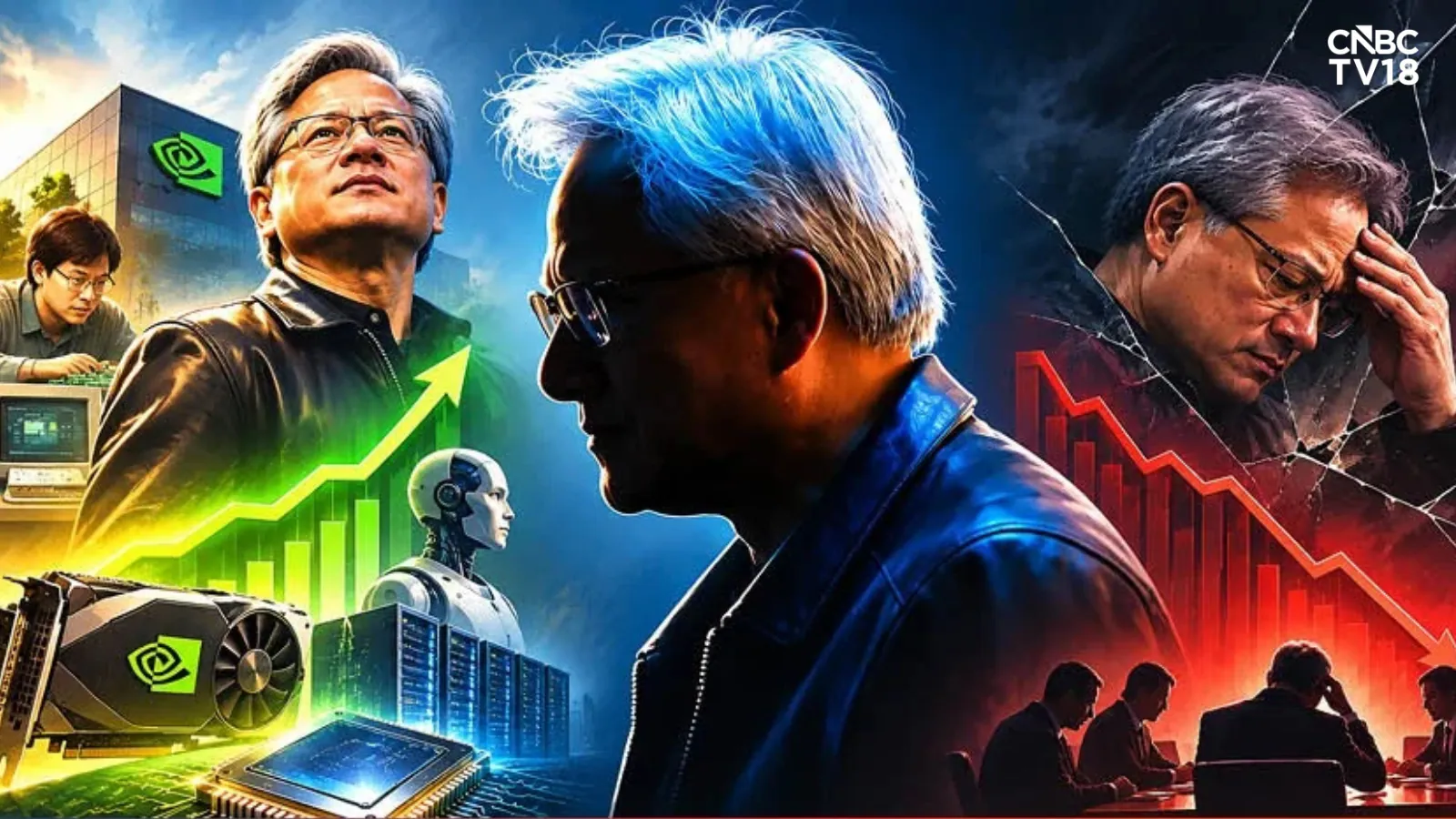
英伟达首席执行官黄仁勋因与员工和客户存在未披露的关系,使公司面临风险,而被董事会要求离职,这与拥有双重股份结构的创始人不同。
Nvidia CEO Jensen Huang faced departure by the board due to undisclosed relationships with employees and customers, exposing the company to risks, unlike founders with dual-class shares.
英伟达首席执行官因发生一两桩婚外情而不得不辞职。这难道不是私事吗?为什么他必须离职?
The CEO of Nvidia had to resign because he having an affair or two. Isn't that a private matter, and why should he have had to exit?
问题在于:如果与业务无关的人发生婚外情,那确实是私事。例如,亚马逊创始人杰夫·贝佐斯曾有过婚外情,导致离婚,但并未因此离职,因为对方与业务无关。更不用说他分享的那种照片,连13岁孩子都有足够常识不去发。但在黄仁勋的案例中,据称存在两桩与公司员工的婚外情。
Here is the thing: It IS a private matter if you have an affair with somebody unrelated to the business. For example, Jeff Bezos of Amazon had an affair, which resulted in his divorce, but did not result in his having to leave the company because that was with somebody unrelated to the business. Never mind that he shared the sort of pictures a 13-year-old would have enough sense not to. But in Huang’s case, there are two supposed affairs with employees of the company.
在美国企业董事会眼中,这是绝对的红线。所有首席执行官的合同中都有规定:如果与公司内部任何人发生恋爱关系,至少必须告知董事会。
Now, this is an absolute red line as far as corporate boards in the US are concerned. It is there in the contracts of all CEOs that if they have a romantic relationship with anyone in the company, they are at the very least, supposed to inform the board.
事实上,这对公司其他员工同样适用。他们应告知人力资源部(HR),以确保双方之间不存在汇报关系。但首席执行官的情况不同,公司所有员工最终都向首席执行官汇报。
In fact, that is true of everyone else working in the company as well. In their case they are supposed to inform human resources (HR) to ensure there is no reporting relationship between the parties involved. But in the CEO’s case, everyone working for the company eventually reports to the CEO.
所有人都是首席执行官的下属或汇报对象,因此必须告知董事会,因为与员工发生婚外情会使公司面临来自股东、其他员工的法律诉讼风险,并可能触发美国证券交易委员会(SEC)调查。
Everybody is a reportee or a subordinate, so they have to inform the board, because having an affair with an employee leaves the company open to legal liabilities from shareholders, from other employees, and can trigger an SEC investigation.
过去,麦当劳、英特尔及其他多家公司的首席执行官均因同一原因被迫辞职。
In the past CEOs of McDonald's, Intel and several others have had to quit for the same reason.
另一桩目前已知的婚外情对象是公司客户,这同样成问题,因为当时向阿丽西亚·黄(Alicia Huang,或其最终确认的名字)所代表的公司出售的芯片处于短缺状态。
The other so far known affair is with a customer of the company, which is also problematic, because the chips that were being sold to the company that Alicia Huang, or whatever her eventual name comes out to be, was representing, were in short supply.
这些是尖端 AI 芯片,而 CEO 黄仁勋是决定由谁获得这些芯片的人。因此,无论她是否为间谍,至少看起来这家相对较小的公司从英伟达获得了大量“插队”供应的芯片,这很成问题。无论黄仁勋知不知道这些芯片被转往中国,无论哪种情况都存在问题。
These were cutting edge AI chips, and CEO Jensen was the one deciding that who should have those chips. So whether or not she was a spy, at least it appears that for a relatively small company, they were getting a lot of out of turn supply of chips from Nvidia, which is problematic. Whether Jensen knew these were getting routed to China or not, either way there is a problem.
因此,有太多事情与业务交织在一起,董事会坦率地说别无选择,只能让他离职,尽管大多数董事任职已有数十年,会是他的朋友。但董事会此时的首要任务是规避风险,这对他们来说是唯一的出路。这对公司业务是否有利,在目前这个时刻是次要的。
Therefore there were too many things which were intertwined with the business, and the board frankly had no choice but to let him go, even though most of the directors have been around for decades and would be his friends. But the board's priority at this point was risk mitigation, and this was the only way for them. Whether it is great for the business of the company is secondary at this moment.
在这样的情况下,必须止损,这就是董事会的出发点。如果马斯克和 Meta 的马克·扎克伯格等其他科技 CEO 陷入类似境地,会发生在黄仁勋身上的事也发生在他们身上吗?
In such situations, you have to cut your losses, that's where the board came from. Can what happened to Jensen Huang of Nvidia happen to other tech CEOs like Musk and Mark Zuckerberg of Meta if they were to be found in a similar situation?
简短的回答是:不会。原因如下:许多科技公司设有两类股份。这两类股份获得相同的股息,对公司资产拥有相同的索赔权,但投票权不同。
The short answer is no. And the reason is this: Many of the tech companies have two categories of shares. Now, both categories of shares get the same dividend and they have the same claim on the assets of the company, but the voting rights are different.
可以设立 A 类股,面向公众发行,每股一票。然后设立 B 类股,通常分配给创始人、发起人、管理层,每股拥有超过一票的投票权。极端的例子是 SpaceX,马斯克持有的股份每股拥有 10 票。实际上,公众给了 SpaceX 资金,但那里几乎没有公司治理可言。“统治的神圣权利”仍掌握在马斯克手中。公众股东无法在该公司行使任何约束力。
So you can have a category A, which goes to the public, where there is one vote per share. And then you can have a category B, which typically goes to founders, promoters, management, which has more than one vote per share. The extreme being SpaceX, where Musk has shares, which carry 10 votes per Effectively the public has given money to SpaceX, but there is almost zero corporate governance. The ‘divine right to rule’ remains with Musk. The public shareholders cannot enforce anything in that company.
马斯克可以更换董事会成员。他可以实际上按自己的意愿给自己发放薪酬。他可以按自己想要的任何估值将自己的私人公司并入SpaceX——而公众股东毫无办法。这就是拥有差异化投票权的极端例子。
Musk can change the board of directors. He can effectively pay himself what he wants. He can merge his own private company at whatever valuation he wants into SpaceX - and the public shareholders have no recourse. That's the extreme example of having these differential voting rights.
上一次差异化投票权股份出现繁荣是在20世纪20年代,当时美国大量家族企业上市。虽然它们从公众手中募集了资金,但投票权仍掌握在家族手中。
The last time there was a boom in these differential voting rights shares was in the 1920s, when a large number of family businesses went public in the US. And while they raised money from the public, the voting rights remained with the families.
当然,这最终以糟糕的结局收场,这还算是轻描淡写。1929年后,发生了持续数十年的大股市崩盘,随后是大萧条。作为后果,纽约证券交易所实际上禁止了拥有两类股份公司的上市。
And that, of course, ended badly, to put it mildly. After 1929, there was the big stock market crash that lasted for decades and then the Great Depression. And as a fallout of that, New York Stock Exchange actually banned the listing of companies with two categories of shares.
但这类股份慢慢又卷土重来,尤其是在谷歌2004年上市之后。许多首次公开募股(IPO),特别是科技类IPO,都采用了这种双重股份结构。在拟议的Anthropic上市案中,仅持股14%的创始人提议将多数投票权保留在自己手中。
But slowly they have crept back, especially after Google's IPO in 2004. Many IPOs, especially in technology, have had these two classes of shares. In the case of the proposed Anthropic listing, the founders with only 14% shareholding are proposing to keep the majority voting rights with themselves.
但英伟达是在20世纪90年代上市的,当时公司不发行差异化投票权股份。
But Nvidia went public in the 1990s when companies did not issue differential voting right shares.
因此,如今持有英伟达不足4%股份的黄仁勋,无法阻止董事会实际上将他解职。事情就是这样发展的。
And therefore, Jensen Huang, who now holds less than 4% of Nvidia , could not stop the board from effectively firing him. That is how it goes.
在我看来,设立这两类股份存在危险,我将在另一时间谈论这个问题。
There are dangers to having these two categories of shares, in my opinion, which I will talk about another time.
当然,所有这些规范只适用于公司——全球范围内所有名字出现在爱泼斯坦名单中的人,都不必辞职。
And of course all these norms only apply to corporations - all those whose names appear in the Epstein files across the world have not had to resign.
德维娜·梅赫拉是First Global的创始人、董事长兼董事总经理,该公司是一家印度及全球性的资产管理公司,她也是《金钱、迷思与真言:终极投资指南》的作者。她是印度艾哈迈达巴德管理学院(IIMA)的金牌毕业生,从事投资业务已超过30年。观点为个人见解。
Devina Mehra is Founder, Chairperson and Managing Director of First Global, an Indian and global asset management company, and author of ‘Money, Myths and Mantras: The Ultimate Investment Guide’. She is a gold medalist from IIMA and has been in the Investment business for over 30 years. Views are personal.