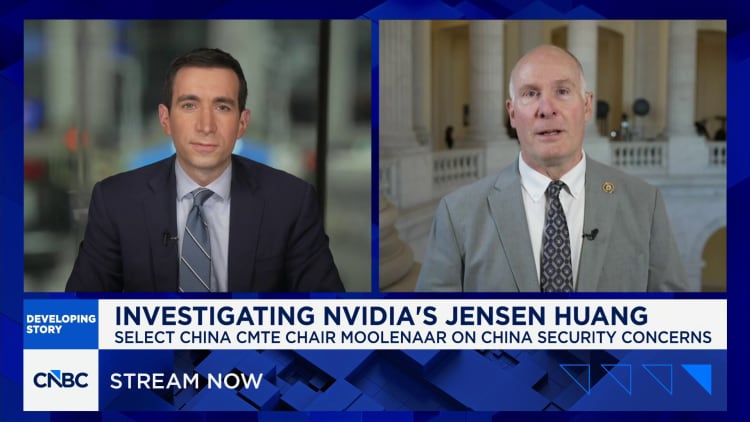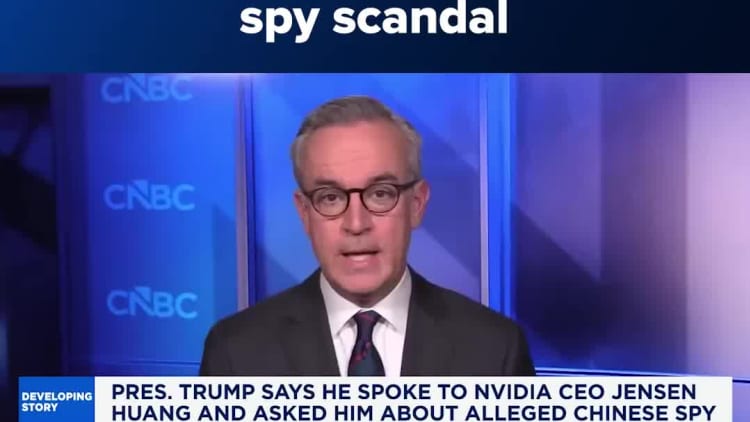
围绕英伟达首席执行官黄仁勋的丑闻不断发酵,这不仅是一个人的失败,更是科技行业、市场和政治领导层在更广泛层面上的失败。
The unfolding scandal involving Nvidia CEO Jensen Huang is not just the failure of one man but a failure of the tech industry, the market, and political leadership at a much wider level.
硅谷长期以来一直推崇远见卓识的创始人,推崇那些天才被认为超越传统管理和传统公司治理的不可或缺的高管,而投资者也对此给予回报。
Silicon Valley has long celebrated the visionary founder, the indispensable executive whose genius supposedly transcends conventional management and traditional corporate governance, and investors have rewarded it.
在人工智能时代,这种“关键人物”风险变得更加危险,美国总统和国会必须立即采取行动。
In the artificial intelligence era, this 'key man' risk becomes considerably more dangerous, and both the U.S. president and Congress must take action now.
2013年6月,时任美国总统奥巴马欢迎中国国家主席习近平访问加利福尼亚州的僻静庄园桑尼兰兹,举行非正式峰会。在外交寒暄背后,奥巴马就中国国家主导的网络间谍活动和窃取美国知识产权一事与习近平对质,警告称此类活动威胁着美国公司和更广泛的双边关系。
In June 2013, President Barack Obama welcomed Chinese President Xi Jinping to Sunnylands, a secluded California estate, for an informal summit. Behind the diplomatic pleasantries, Obama confronted Xi over Chinese state-directed cyber-enabled espionage and theft of American intellectual property, warning that such activities threatened American companies and the broader bilateral relationship.
桑尼兰兹峰会13年后,威胁已发生显著演变,争夺主导权正在重塑中美关系。风险更高,技术更具影响力,漏洞越来越多地涉及试图拉拢或收买国家顶尖科技公司掌舵人的“关键人物”。
Thirteen years after the Sunnylands Summit, the threat has evolved significantly as the race to dominate frames the U.S.-China relationship. The stakes are higher, the technology more consequential, and the vulnerabilities increasingly involve attempts to compromise or coopt the "key man" at the helm of the nation's top technology companies.
随着围绕英伟达首席执行官黄仁勋的丑闻不断发酵,责任应首先由首席执行官本人承担,但不应止于此。这一情况说明,硅谷、企业和政治领导层在更广泛层面上存在失败。
With the unfolding scandal involving Nvidia CEO Jensen Huang the blame should start with the CEO himself, but it should not end there. The situation illustrates a failure of Silicon Valley, corporate and political leadership at a much wider level.
黄仁勋承认与一名名为艾丽丝·黄的女性存在婚外情,报道称她是新加坡公司美加速的前高管,也是英伟达的客户。美国情报官员据报道认为,她被中国国家安全部招募,以收集信息,并可能影响英伟达放宽美国半导体出口限制的努力。中国否认这些指控。
Huang has acknowledged an extramarital affair with a woman identified in reporting as Alice Huang, a former executive at Singapore-based Megaspeed an Nvidia customer. American intelligence officials reportedly believe she was recruited by China's Ministry of State Security to gather information and potentially influence Nvidia's efforts to loosen American semiconductor export restrictions. China denies the allegations.
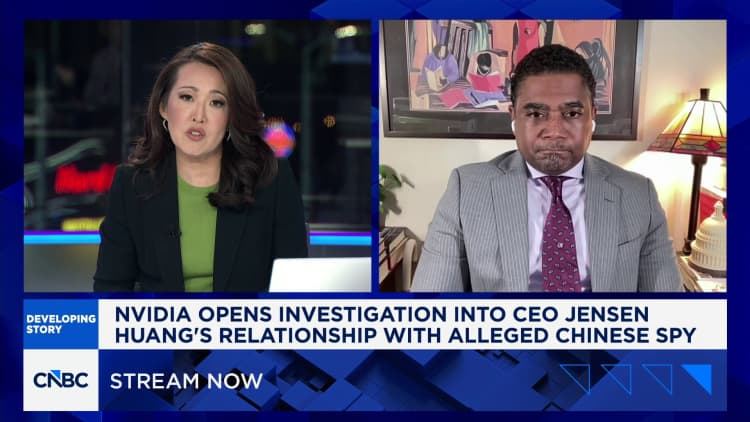
英伟达的独立董事已启动调查,迄今为止,他们表示尚未确认公司商业秘密或国家安全信息遭到泄露。但问题远不止于黄仁勋或英伟达。单纯关注专有技术或商业秘密是否被转移,根本误解了此类行动可能具有的情报价值。
Nvidia's independent directors have launched an investigation and so far, they say no compromise of company secrets or national security information has been established. But the problem extends well beyond Huang or Nvidia. Focusing exclusively on whether proprietary technology or trade secrets were transferred fundamentally misunderstands the potential intelligence value of such an operation.
对北京而言,深入了解、影响或可能干预美国技术政策制定,同样具有价值。提前掌握出口管制讨论、监管意图、谈判立场或政府内部的分歧,都能带来战略优势,而无需窃取任何一项半导体设计。
For Beijing, gaining insight into, influencing, or potentially compromising American technology policymaking could be equally valuable. Advance knowledge of export-control deliberations, regulatory intentions, negotiating positions, or divisions within the administration could provide strategic advantages without a single semiconductor design being stolen.
据报道,特朗普政府在丑闻公开之前就已收到关于这段关系的警告。尽管如此,黄仁勋在半导体政策讨论中仍是一位有影响力的参与者,同时他还主张更大程度地进入中国市场。
The Trump administration reportedly received warnings about the relationship before the scandal became public. Nevertheless, Huang remained an influential participant in semiconductor policy discussions while advocating greater access to China's market.
新的报道还引发了关于英伟达与商务部官员在“巨速”调查期间互动的疑问,该调查随后被移交司法部。尚未确认存在不当影响,但企业对政府决策的接触,应与专有技术一样受到审查。
New reporting also raises questions about interactions between Nvidia and Commerce Department officials during an investigation into Megaspeed, subsequently transferred to the Justice Department. No improper influence has been established, but corporate access to government decision-making deserves scrutiny alongside proprietary technology.
这是人工智能时代的新型“关键人物”风险。是否采取了适当的保护措施,目前尚不清楚。特朗普总统公开为黄仁勋辩护,称黄仁勋告诉他,他不知道那名女子可能是间谍,他信任这位首席执行官,并且如果国家情报部门曾就此威胁向总统发出警告,正如报道所说,他不记得了——这几乎未能传达出针对一家战略上不可或缺的美国公司的外国情报行动所指控所应具备的紧迫性。
It is a new era of 'key man' risk with AI Whether appropriate protective measures were taken remains unclear. President Donald Trump's public defense of Huang— saying that Huang told him he had no idea the woman could be a spy and that he trusted the CEO, and that if national intelligence had warned the president about this threat, as has been reported, he didn't remember — hardly conveyed the urgency warranted by allegations of a foreign intelligence operation targeting a strategically indispensable American company.
特朗普自重返白宫以来已三次会晤习近平,预计11月和12月还将有两次会面。这些会晤为特朗普提供了效仿奥巴马的机会,直接向习近平提出中国国家指导或赞助的针对美国科技公司、其高管,甚至可能针对美国政策制定过程的间谍活动问题。
Trump has met Xi three times since returning to office, with two additional encounters anticipated in November and December. These meetings offer Trump an opportunity to follow Obama's example by confronting Xi directly over Chinese state-directed or sponsored espionage targeting American technology companies, their executives, and potentially the U.S. policymaking process.
国会也应当对硅谷进行更正式的审查。硅谷长期以来推崇远见卓识的创始人,推崇那些天才被认为超越了传统企业管理和传统公司治理的不可或缺的高管。投资者奖励了这种权力集中,而董事会也过于频繁地对此予以纵容。
It is also time for a more formal check from Congress on Silicon Valley, which has long celebrated the visionary founder, the indispensable executive whose genius supposedly transcends conventional corporate management and traditional corporate governance. Investors have rewarded this concentration of authority, while boards have all too frequently accommodated it.
企业治理专业人士称这种情况为“关键人物”风险,即组织过度依赖某个个人,该个人的离职、财务不当行为或道德妥协可能对企业造成实质性损害。在人工智能时代,这种风险变得更加危险。当少数几位高管控制着对美国经济竞争力、军事能力和情报优势至关重要的技术时,他们的个人脆弱性就可能成为潜在的国家安全脆弱性。
Corporate governance professionals call this "Key Man" risk excessive organizational dependence on an individual whose departure, financial misconduct, or moral compromise could materially damage the enterprise. In the artificial intelligence era, this risk becomes considerably more dangerous. When a handful of executives control technologies central to America's economic competitiveness, military capabilities, and intelligence advantages, their personal vulnerabilities become potential national security vulnerabilities.
当这些高管还享有进入白宫和高级政策制定者的非凡渠道时,他们就可能成为外国情报收集和影响的潜在渠道,这种收集和影响不仅针对他们的公司,还针对美国人民和美国政策本身。
When those executives also enjoy extraordinary access to the White House and senior policymakers, they become potential conduits for foreign intelligence collection and influence directed not simply at their companies, but at the American people and American policy itself.
国会如何从硅谷手中夺回控制权 国会有机会加强美国的防御,必须立即行动。
How Congress can act to take back control from Silicon Valley Congress has opportunities to strengthen America's defenses and must act immediately.
《人工智能监督法案》将加强对先进半导体出口及相关国家安全许可条件的监督。
AI OVERWATCH Act would strengthen oversight of advanced semiconductor exports and associated national security licensing conditions.
《匹配法案》将解决对先进半导体制造设备限制中的弱点,包括外国供应商和服务安排。
MATCH Act would address weaknesses in restrictions on advanced semiconductor manufacturing equipment, including foreign suppliers and servicing arrangements.
《芯片安全法案》将加强对先进芯片的追踪机制以及发现转移的机制。
Chip Security Act would strengthen mechanisms for tracking advanced chips and detecting diversion.
重要的是,《远程访问安全法案》将出口管制权限扩展到某些远程访问安排,包括云计算,以解决受限美国技术能力可能在不实际出口底层设备的情况下被访问的可能性。
Importantly, the Remote Access Security Act would extend export-control authorities to certain remote access arrangements, including cloud computing, addressing the possibility that restricted American technological capabilities could be accessed without physically exporting the underlying equipment.
这些措施共同解决了重要的技术和监管缺口及漏洞。但控制芯片、设备和计算访问权限,诚然无法解决人为漏洞问题——即对美国技术霸权和国家安全的所谓“关键人物”风险。
Together, these measures address important technological and regulatory gaps and vulnerabilities. But controlling chips, equipment, and computing access admittedly will not solve the human vulnerabilities problem — the so-called "Key Man" risks to U.S. technology supremacy and national security.
这些法案大多获得国会两党相当程度的支持。然而,它们遭到了科技行业及其游说人士的强烈抵制,以及在出口管制政策具体细节上的一些非常详细的分歧。白宫对这些法案的支持也存在不确定性,而由共和党控制的国会也不愿与白宫作对。不过,毫无疑问,英伟达争议为支持者提供了新的行动理由。民主党控制两院,可能会进一步加强国会监督,并增强将这些法案中的大部分内容编纂成法律的意愿。
Most of these bills have a good amount of Congressional bipartisan support. However, they have encountered stiff resistance from the technology industry and their lobbyists, and some very detailed disagreements over specifics of export-control policy. There has also been uncertainty about White House support for these bills and an unwillingness by the Republican-controlled Congress to get on the wrong side of the White House. However, there is no doubt in my mind the Nvidia controversy has given supporters a new argument for action. The Democratic takeover of both chambers could further strengthen congressional oversight and an appetite for codifying much of this into law using these pieces of legislation.
美国政府和企业治理领域的关键专家也应当认真讨论,战略上重要的技术公司是否需要明确的董事会层面反间谍责任、独立的高管安全评估,以及向适当渠道报告外国情报接近的保密机制。
There should also be a serious discussion among key U.S. government and corporate governance experts about whether strategically important technology companies need explicit board-level counterintelligence responsibilities, independent executive-security assessments, and confidential mechanisms for reporting foreign intelligence approaches to the appropriate channels.
这不是要道德审查高管的私生活。而是要认识到,掌控美国最敏感技术、并影响相关政策的个人,一旦被拉拢,就是有价值的情报目标和资产。
This is not about morally policing executives' private lives. It is about recognizing that individuals controlling America's most sensitive technologies, and influencing the policies governing them, are valuable intelligence targets and assets if compromised.
不幸的是,特朗普政府的更广泛理念似乎强调行业自愿承诺,并信任技术高管自我约束的能力。道德不是治理体系。个人保证不是反情报防护措施。重要的是,股东利益并不总是与国家利益等同。
Unfortunately, the Trump administration's broader philosophy appears to emphasize voluntary industry commitments and confidence in technology executives' ability to police themselves. Morality is not a governance system. Personal assurances are not counterintelligence safeguards. Importantly, shareholder interests are not always synonymous with the national interest.
奥巴马在桑尼兰兹明白,保护美国创新需要直接对抗中国。那次接触有助于明确阐述美国的红线,即反对为商业优势而实施的网络支持的知识产权窃取。
Obama understood at Sunnylands that protecting American innovation required confronting China directly. That engagement helped to clearly articulate American redlines against cyber-enabled theft of intellectual property for commercial advantage.
特朗普现在有机会,也有责任,将这一原则延伸到当今的情报威胁。在即将举行的与习近平的会晤中,他应当明确表示,针对美国技术高管的国家指导或赞助的行动,以及试图拉拢美国技术政策制定的行为,都是不可接受的,并将对双边关系造成后果。
Trump now has an opportunity, and a responsibility, to extend that principle to today's intelligence threats. At his forthcoming meetings with Xi, he should make clear that state-directed or sponsored operations targeting American technology executives and attempts to compromise U.S. technology policymaking are unacceptable and carry consequences for the bilateral relationship.
但对抗北京只是责任的一半。华盛顿还必须正视规范技术准入的法律体系中的弱点,并对美国的企业机构和治理发表意见。
But confronting Beijing is only half the responsibility. Washington must also confront weaknesses within the body of laws governing technology access and must weigh in on America's corporate institutions and governance.
美国不能一边宣称人工智能对国家安全至关重要,一边将其技术、高管和政策制定过程的保护主要交由企业自行决定。硅谷最大的脆弱性可能不在于我们出口的技术,而在于受托保护它的人员和治理体系,以及决定谁能获得访问权的政策。国会和白宫都不应放心将这一责任留给硅谷自己的道德准则。
America cannot declare artificial intelligence essential to national security while leaving protection of its technology, executives, and policymaking process primarily to corporate discretion. The greatest vulnerability in Silicon Valley may not be the technology we export, but the people and governance systems entrusted to protect it, and the policies determining who gets access to it. Neither Congress nor the White House should be comfortable leaving that responsibility to Silicon Valley's own moral code.