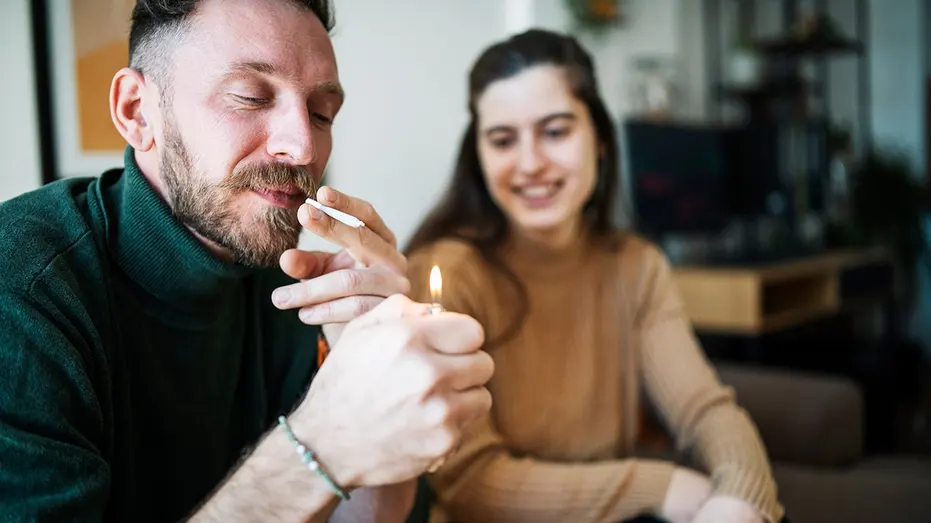
一项西北大学医学院的最新研究发现,尽管大麻被广泛用作助眠剂,但它可能正在让睡眠质量变得更差。
Marijuana may be making sleep quality worse, despite its widespread use as a sleep aid, a recent Northwestern Medicine study found.
这项研究纳入了1,266名参与者,结果显示,无论是终身使用大麻者还是近期使用者,其客观睡眠质量均较差,尽管他们并未主观报告睡眠变差。
The findings of the study, which included 1,266 participants, showed that both lifetime and recent cannabis users objectively had worse sleep quality, although they did not report their sleep to be worse.
参与者接受了近35年的监测,从青年时期延续至中年,科学家在此期间追踪了他们随时间推移的大麻使用情况。
Participants were monitored for almost 35 years, from young adulthood into middle age, with scientists tracking their use of cannabis over time.
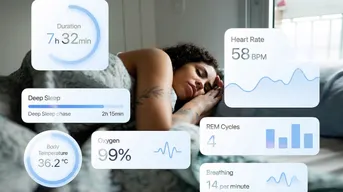
在中年阶段,参与者在手腕上佩戴睡眠监测仪一周,并填写了关于睡眠质量的调查问卷。这使研究人员能够对比参与者睡眠的客观与主观报告。
In middle age, participants wore a sleep monitor on their wrist for a week and filled out surveys about their sleep quality. This allowed researchers to compare objective and subjective reports of participants’ sleep.
“我们的数据不支持大麻作为助眠剂有益这一观点,”资深研究作者、博士Mercedes R. Carnethon表示,据《西北大学新闻》报道。
"Our data do not support the belief that cannabis is helpful as a sleep aid," said senior study author Mercedes R. Carnethon, Ph.D., as Northwestern Now reported.
Carnethon补充道:“随着大麻变得日益易得且被接受,更好地了解其与睡眠等健康行为的长期关联非常重要。”
"As cannabis becomes increasingly available and accepted, it's important to better understand its long-term associations with health behaviors such as sleep," Carnethon added.
在所有参与者中,终身接触大麻程度越高,与客观睡眠质量越差相关联。
Among all participants, a greater lifetime exposure to marijuana was linked to worse objective sleep quality.
随时间推移大麻使用量较高者,通常实际睡眠时间占整夜的比例较低,且经历的睡眠中断更多。
Those who had a higher cannabis usage over time were generally asleep for a lower percentage of the night and experienced more sleep disruption.
同样,与从未使用该物质的人相比,近期大麻使用者更可能出现更多的睡眠碎片化和更低的睡眠效率。
Similarly, recent cannabis users were more likely to have more sleep fragmentation and lower sleep efficiency, compared to people who never used the substance.
研究还发现,近期大麻使用者每晚睡眠超过8小时的可能性要大得多。该研究探讨了睡眠质量的客观报告与主观报告之间的差异。
The study also found there was a much higher chance that recent cannabis users would sleep longer than eight hours per night. The study discusses the differences between objective and subjective reports of sleep quality.
“本研究特别有趣的地方在于,使用大麻的参与者在客观测量中表现出较差的睡眠质量,但他们对自己睡眠质量的主观评估并未反映出这些差异,”加州执业、持有急诊医学委员会认证的医生Alfred Joshua博士对Fox News Digital表示。(他未参与这项新研究。)“换句话说,某人可能认为大麻帮助了他们的睡眠,而客观测量却表明并非如此。”研究人员考虑了多种外部因素,包括年龄、种族、性别、吸烟频率、饮酒情况、身体活动等。
"What makes this study particularly interesting is that participants who used cannabis demonstrated objectively poorer sleep, yet their own assessments of sleep quality did not reflect those differences," Alfred Joshua, M.D., a board-certified emergency medicine physician based in California, told Fox News Digital. (He was not involved with the new study.) "In other words, someone may believe marijuana is helping them sleep, while objective measurements suggest otherwise." Researchers considered multiple outside factors including age, race, sex, smoking frequency, alcohol consumption, physical activity and more.
即使考虑了这些因素,研究仍发现大麻使用与客观测量到的较差睡眠之间存在一致的相关性。大麻的消费方式(如吸烟与食用食品)未被纳入考量。
Even with these factors taken into account, the study found a consistent correlation between cannabis use and poorer objectively measured sleep. The mode of cannabis consumption, such as smoking versus taking edibles, was not considered.

“长期使用大麻的受试者实际睡眠质量比不吸大麻者差,这并不令人惊讶,因为那些声称睡前必须吸大麻才能放松的人,只是在自我欺骗,”加州执业、持有精神科委员会认证的医生Carole Lieberman博士对Fox News Digital表示。(她同样与这项新研究无关。)“这更多是一种心理成瘾,而非生理成瘾,”她补充道。“他们享受那种立竿见影的快感,但大麻并不能帮助他们睡得更好。”
"It is not surprising that the actual quality of sleep of these subjects, after chronic marijuana use, is poor compared to those who do not smoke marijuana because people who claim that they need to smoke marijuana before they go to sleep, in order to relax, are only kidding themselves," board-certified psychiatrist Carole Lieberman, M.D., of California told Fox News Digital. (She, too, was not affiliated with the new study.) "It is more a psychological addiction than a physical one," she added. "They enjoy the high that they get right away, but the marijuana doesn't help them to sleep better."
“研究人员发现,累积大麻暴露量越大,与睡眠效率降低、睡眠碎片化增加以及入睡后清醒时间增多相关,”持有急诊医学委员会认证的医生Joshua博士表示。
"The researchers found that greater cumulative cannabis exposure was associated with reduced sleep efficiency, increased sleep fragmentation and more time spent awake after initially falling asleep," said Joshua, the board-certified emergency medicine physician.
“这些发现引发了一个重要问题:习惯性使用大麻是否是管理睡眠问题的可持续策略,”他补充道。
"These findings raise important questions about whether habitual marijuana use is a sustainable strategy for managing sleep problems," he added.
Fox News Digital近期还报道了其他关于大麻的研究发现。
Fox News Digital recently reported on other cannabis findings.
一项针对近 45 万名美国成年人的研究显示,大麻使用与中风和心血管疾病风险增加有关。
A study of nearly 450,000 American adults, for instance, linked cannabis use to an increased risk of stroke and cardiovascular disease.
该研究结果原定于 11 月 6 日至 9 日在芝加哥举行的美国心脏协会 2026 年科学年会上发布。结果显示,与不使用者相比,偶尔和大量使用大麻者患心脏疾病的几率均更高。
The findings were scheduled for presentation at the American Heart Association’s Scientific Sessions 2026 in Chicago Nov. 6–9. They showed that both casual and heavy marijuana users have higher odds of heart conditions compared to non-users.
Fox News Digital 的 Khloe Quill 对本文有贡献。
Khloe Quill of Fox News Digital contributed reporting.