
一封邀请您参加 OpenAI 独家活动的邮件出现在您的收件箱中。它承诺展示最新的人工智能工具,甚至提供三个月免费使用 ChatGPT Pro。您只需使用工作账户即可。听起来是个不错的交易,对吧?但在您点击注册按钮之前,有件事您应该知道。
An invitation to an exclusive OpenAI event lands in your inbox. It promises a look at the latest AI tools and even offers three months of ChatGPT Pro for free. All you have to do is using your work account. Sounds like a pretty good deal, right? Well, before you click that registration button, there's something you should know.
网络犯罪分子正利用虚假的人工智能活动邀请,诱骗员工授权其访问微软和谷歌账户。其中一些攻击甚至能绕过我们许多人依赖的额外安全检查。
Cybercriminals are using fake AI event invitations to trick employees into giving them access to their Microsoft and Google accounts. And some of these attacks can get past the extra security checks many of us rely on.
根据 Push Security 的一份最新报告,攻击者创建了冒充 OpenAI、SpaceX 和 Anthropic 的逼真活动注册页面。Push Security 表示,它在 2026 年 10 月底检测并拦截了其客户浏览器中对这些恶意活动注册页面的访问。令人担忧的是,一封看似合法的邀请竟能如此轻易地导致某人交出其工作账户的访问权限。以下是研究人员的发现以及如何保护自己。
According to a new report from Push Security, attackers have created convincing event registration pages impersonating OpenAI, SpaceX and Anthropic. Push Security says it detected and blocked visits to the malicious event registration pages on its customers' browsers in late October 2026. The concerning part is how easily an invitation that appears legitimate can lead to someone handing over access to their work account. Here's what researchers discovered and how to protect yourself.
我们的免费 CyberGuy LIVE 课程“五种更智能旅行并省钱的方法”已结束,但您仍可观看完整回放。Kurt“网络男人”克努特森将带您了解五种保护手机和个人信息的实用方法,避免常见的旅行诈骗,找到更好的优惠,节省预订费用,并利用技术让您的旅行更轻松、更少压力。无需技术经验。
Our free CyberGuy LIVE class, 5 Ways to Travel Smarter and Save Money, has ended, but you can still watch the full replay. Kurt "CyberGuy" Knutsson walks you through five practical ways to protect your phone and personal information, avoid common travel scams, find better deals, save money on bookings and use technology to make your travels easier and less stressful. No technical experience is needed.
攻击者正利用人们对人工智能日益增长的兴趣。毕竟,许多员工都想了解人工智能如何让自己的工作更轻松。一个免费的高级订阅可能就足以吸引某人的注意。Push Security发现的钓鱼页面宣传的活动看似来自知名科技公司。一个假冒OpenAI的活动宣传了11月4日的一场名为“面向社交与数字营销团队的ChatGPT”的直播。
The attackers are taking advantage of the growing interest in artificial intelligence After all, plenty of employees want to learn how AI can make their jobs easier. A free premium subscription could be enough to get someone's attention. The phishing pages discovered by Push Security promote events that appear to come from recognizable technology companies. One fake OpenAI event advertised a November 4 livestream called "ChatGPT for Social & Digital Marketing Teams."
注册页面承诺向参与者提供三个月的ChatGPT Pro。另一个页面宣传了一场原定于11月12日举行的仅限受邀参加的SpaceX简报会。访客据称可以在三个月的Grok Heavy或一份“SpaceX股份”之间进行选择。研究人员还发现了一个冒充Anthropic在AWS re:Invent 2026上举办活动的钓鱼页面。他们调查时,该页面已不再活跃。
The registration page promised three months of ChatGPT Pro to participants. Another page promoted an invitation-only SpaceX briefing scheduled for November 12. Visitors could supposedly choose between three months of Grok Heavy or a "SpaceX share." Researchers also identified a phishing page impersonating an Anthropic event at AWS re 2026. That page was no longer active when they investigated it.
这些页面冒充了合法的科技公司,所宣传的奖励也是钓鱼计划的一部分。Push Security并未暗示OpenAI、SpaceX或Anthropic运营了这些欺诈性活动。而事情尤其令人担忧的地方在于,这些假网站告诉访客,必须使用其公司的Microsoft或Google账户来完成注册并领取承诺的奖励。这一请求为钓鱼攻击打开了大门。
These pages impersonated legitimate technology companies, and the advertised rewards were part of the phishing scheme. Push Security did not suggest that OpenAI, SpaceX or Anthropic operated these fraudulent events. And here's where things get especially concerning. The fake websites tell visitors they must using their corporate Microsoft or Google accounts to complete registration and claim the promised rewards. That request opens the door to the phishing attack.
犯罪分子在让这些邀请看起来可信方面投入了相当大的精力。他们没有直接将人们引导到明显的钓鱼网站,而是利用熟悉的在线服务来掩盖链接的去向。Push Security发现,该活动通过与Google和Zapier相关的短链接引导访问者。早些时候的相关攻击也使用了合法的Zoom活动页面和GoTo Webinar的电子邮件基础设施。因此,有人检查邀请时,可能会在到达恶意注册页面之前看到一个熟悉的服务。研究人员尚未确认较新活动中每封邀请的初始投递方式。
The criminals have put considerable effort into making these invitations appear credible. Rather than sending people directly to an obvious phishing website, they use familiar online services to help disguise where the links lead. Push Security found that the campaign routed visitors through shortened links associated with Google and Zapier. Earlier related attacks also used legitimate Zoom event pages and GoTo Webinar's email infrastructure. As a result, someone checking an invitation might see a familiar service before reaching the malicious registration page. Researchers have not confirmed the initial delivery method for every invitation in the newer campaign.
一旦有人到达可疑网站,另一个熟悉的功能就会出现。Cloudflare安全验证要求访问者确认自己是人类。你在购物或访问合法网站时,可能遇到过类似的检查。但是,犯罪分子也可以利用它们。在这个活动中,该验证也使自动化安全扫描器更难检查恶意页面。完成检查后,访问者会到达一个看起来像专业活动注册网站的页面。他们会看到两个熟悉的按钮:“使用Microsoft继续”和“使用Google继续”。根据某人选择哪个按钮,攻击者会启动一种不同的方法,旨在获取该账户的访问权限。
Once someone reaches the suspicious site, another familiar feature appears. A Cloudflare security challenge asks visitors to confirm they are human. You have probably encountered similar checks while shopping or visiting legitimate websites. However, criminals can use them too. In this campaign, the challenge also made it harder for automated security scanners to examine the malicious pages. After completing the check, visitors arrive at what looks like a professional event registration website. They're presented with two familiar buttons: "Continue with Microsoft" and "Continue with Google." Depending on which button someone selects, the attackers launch a different method designed to capture access to that account.
攻击变得巧妙的地方就在这里。如果有人选择“使用Microsoft继续”,钓鱼网站会连接到一个名为Kali365的服务。这是一个钓鱼即服务平台,犯罪分子可以利用它来实施账户攻击。Kali365会生成一个Microsoft设备身份验证代码。然后,虚假注册页面会指示访问者复制该代码,并在Microsoft合法的登录网站上输入它。现在,这就是为什么这可能会骗过某人的原因。
This is where the attack gets clever. If someone selects "Continue with Microsoft," the phishing website connects to a service called Kali365. It's a phishing-as-a-service platform that criminals can use to carry out account attacks. Kali365 generates a Microsoft device authentication code. The fake registration page then instructs the visitor to copy that code and enter it on Microsoft's legitimate sign-in website. Now, here's why that can fool someone.
微软的设备身份验证流程是真实的。你可能在将流媒体设备连接到账户时使用过类似的东西。然而,攻击者发起了这次身份验证请求。当受害者输入提供的代码并批准登录时,微软可以向攻击者的会话颁发身份验证令牌。
Microsoft's device authentication process is real. You may have used something similar when connecting a streaming device to an account. However, the attacker started this authentication request. When the victim enters the supplied code and approves the sign-in, Microsoft can issue authentication tokens to the attacker's session.
这些令牌可能让攻击者无需账户密码即可访问 Microsoft 365 资源。攻击可能会从这里继续。Push Security 发现,该活动在设备代码步骤后将微软用户重定向到另一个名为 VoidProxy 的网络钓鱼服务。第二阶段试图捕获他们的密码和经过身份验证的会话 Cookie。成功的攻击可能会暴露存储在 Microsoft 365 中的公司电子邮件或文档。其他连接的工作场所应用程序也可能面临风险,具体取决于被攻破账户关联的权限和访问权限。
Those tokens may provide access to Microsoft 365 resources without the attacker needing the account password. And the attack may continue from there. Push Security found that the campaign redirects Microsoft users to another phishing service called VoidProxy after the device code step. That second stage attempts to capture their password and authenticated session cookie. A successful compromise could expose company email or documents stored in Microsoft 365. Other connected workplace applications may also be at risk, depending on the permissions and access associated with the compromised account.
谷歌选项采用了另一种方法。当访问者点击“使用 Google 继续”时,网络钓鱼页面会打开一个看似包含 Google 熟悉登录界面的弹出窗口。然而,该过程通过 VoidProxy 运行,VoidProxy 在登录者和 Google 实际身份验证服务之间充当中介。
The Google option takes another approach. When visitors click "Continue with Google," the phishing page opens a pop-up that appears to contain Google's familiar sign-in screen. However, that process runs through VoidProxy, which acts as an intermediary between the persong in and Google's actual authentication service.
当有人输入凭据时,网络钓鱼服务可以捕获该信息。它还可以拦截某些多因素身份验证响应并窃取会话 Cookie。那么,什么是会话 Cookie?可以把它看作是一种数字通行证,帮助网站记住你已经登录。一旦你的身份得到验证,该 Cookie 就可以让你在不每次页面都输入密码的情况下继续使用账户。
As someone enters their credentials, the phishing service can capture the information. It can also intercept certain multifactor authentication responses and steal session cookies. So, what exactly is a session cookie? Think of it as a digital pass that helps a website remember you've already signed in. Once your identity has been verified, that cookie can allow you to continue using your account without entering your password on every page.
如果犯罪分子获得了可用的会话 Cookie,他们也许能够重新使用这个已认证的会话,无需再次完成通常的流程即可获得访问权限。这就是为什么这类攻击对某些人尤其危险,这些人认为启用多因素认证会自动保护自己免受每一次账户接管尝试的影响。需要指出的是,Push Security 记录了恶意基础设施,并屏蔽了对钓鱼页面的访问。其报告并未确定在这项活动中究竟有多少账户(如果有的话)被成功入侵。
If a criminal obtains a usable session cookie, they may be able to reuse that authenticated session and gain access without completing the usual process again. That's why these attacks are particularly dangerous for people who believe that enabling multifactor authentication automatically protects them from every account takeover attempt. It's important to note that Push Security documented the malicious infrastructure and blocked visits to the phishing pages. Its report did not establish how many accounts, if any, were successfully compromised through this campaign.
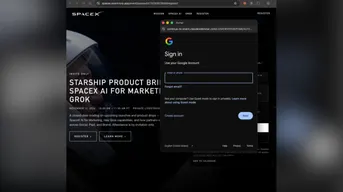
攻击者将两种钓鱼服务组合在相同的注册页面背后。Kali365 针对微软的设备认证流程,而 VoidProxy 针对已认证的会话。与此同时,虚假活动网站借用了常见品牌的外观。随着旧页面被发现,犯罪分子还可以更改网站和活动主题。研究人员还发现,欺诈性注册页面能够自动以访客的语言显示内容。这使攻击者无需创建全新网站,就能为不同地区人群调整同一个钓鱼活动。
The attackers are combining two phishing services behind the same registration pages. Kali365 targets Microsoft's device authentication process, while VoidProxy targets authenticated sessions. Meanwhile, the fake event websites borrow the appearance of familiar brands. The criminals can also change their websites and event themes as older pages get discovered. Researchers also discovered that the fraudulent registration pages could automatically display content in a visitor's language. That allowed the attackers to adapt the same phishing campaign for people in different regions without creating entirely new websites.
Push Security 识别出两个用于创建虚假活动页面的钓鱼工具包。研究人员称它们为 ZoomMock 和 MSDRoot。他们发现的证据表明,这两个工具包出自同一操作者之手,但这一关联并未得到确凿证实。
Push Security identified two phishing kits used to create the fake event pages. The researchers call them ZoomMock and MSDRoot. They found evidence suggesting the same operators were responsible for both kits, although the connection was not conclusively established.
研究人员还发现,没有证据表明 Kali365 和 VoidProxy 的开发者之间存在关联。相反,他们认为,这场活动骗局的幕后攻击者是这两种钓鱼服务的客户。结果是,这种攻击在多个环节都能显得可信。短链接可能使用知名服务,安全验证看起来也合规,甚至微软的认证页面也可能是真实的。对于经常参加线上会议或行业网络研讨会的员工来说,这种熟悉感可能让骗局更难识别。
Researchers also found no evidence linking the developers of Kali365 and VoidProxy. Instead, they believe the attackers behind the event campaign are customers of both phishing services. The result is an attack that can appear credible at several points. A shortened link may use a recognized service. A security challenge can look legitimate. Even the Microsoft authentication page can be genuine. For employees who regularly attend virtual meetings or participate in industry webinars, that familiarity could make the scam harder to recognize.
在回应我们的置评请求时,微软发言人表示:“我们认真对待有关恶意网络活动的报告,并持续努力帮助客户防范不断演变的威胁。Microsoft Defender 包含检测功能,可阻止报告中识别的威胁。”我们还联系了谷歌、OpenAI、Anthropic 和 SpaceX 请其置评,但在截稿前未收到回复。
In response to our request for comment, a Microsoft spokesperson said, "We take reports of malicious online activity seriously and continuously work to help protect our customers from evolving threats. Microsoft Defender includes detections to block the threats identified in the report." We also reached out to Google, OpenAI, Anthropic and SpaceX for comment but did not receive responses before our deadline.
一些谨慎的习惯可以大大降低你落入这些骗局的几率。以下是如何保护自己。
A few careful habits can significantly reduce your chances of falling for these attacks. Here's how to protect yourself.
如果你收到来自 OpenAI、SpaceX 或其他科技公司的意外邀请,先花点时间确认该活动是否真实存在。打开新的浏览器标签页,亲自访问该机构的官方网站。通过其经过认证的渠道查找该活动。如有必要,使用独立于邀请之外获得的信息联系主办方。当陌生活动要求你提供公司账户凭据时,要格外小心。
If you receive an unexpected invitation from OpenAI, SpaceX or another technology company, take a moment to check whether the event actually exists. Open a new browser tab and visit the organization's official website yourself. Look for the event through its verified channels. If necessary, contact the organizer using information obtained independently of the invitation. Be especially careful when an unfamiliar event requests your corporate account credentials.
承诺提供高级人工智能使用权限的邀请可能听起来很诱人,尤其是当它看似来自一家备受尊敬的科技公司时。然而,承诺提供有价值的东西可能会促使人们在核实细节之前就贸然行动。如果注册要求你使用工作账户才能获得奖励,请先独立核实该邀请,然后再继续。
An invitation promising premium AI access may sound appealing, especially when the offer appears to come from a respected technology company. However, the promise of something valuable can encourage people to act before checking the details. If registration requires you to with a work account to receive a reward, verify the offer independently before proceeding.

这是此次钓鱼活动中最重要的教训之一。如果一个网站要求你复制设备验证码并在微软页面上输入,请考虑你是否发起了合法的设备登录。如果你只是在注册网络研讨会,那么这种意外的设备代码请求就应该引起警觉。即使是合法的微软身份验证网页,也可能在犯罪分子诱骗你批准其请求时成为钓鱼攻击的一部分。注意任何要求你批准访问的微软登录提示。即使网站地址是合法的,你也可能正在授权一个由犯罪分子发起的会话。
This is one of the most important lessons from the campaign. If a website asks you to copy a device authentication code and enter it on a Microsoft page, consider whether you initiated a legitimate device sign-in. If you were simply registering for a webinar, that unexpected device code request should raise concerns. Even a legitimate Microsoft authentication webpage can become part of a phishing attack when criminals trick you into approving their request. Pay attention to any Microsoft sign-in prompt asking you to approve access. Even if the website address is legitimate, you could be authorizing a session started by a criminal.
在输入账户凭据之前,检查网站地址,并思考你是如何到达那里的。显示熟悉品牌的页面仍可能属于犯罪分子。短链接也可能掩盖最终目的地。只要有可能,请通过受信任的书签或官方网站直接打开微软或谷歌。请记住,挂锁图标和HTTPS连接并不能保证网站是可信的。
Before entering account credentials, examine the website address and consider how you arrived there. A page displaying familiar branding may still belong to a criminal. Shortened links can also conceal the final destination. Whenever possible, open Microsoft or Google directly through a trusted bookmark or the official website. Remember that a padlock icon and HTTPS connection do not guarantee that a website is trustworthy.
即使某些网络钓鱼攻击能够击败某些形式的多因素身份验证,也应继续使用多因素身份验证。为获得更强保护,可考虑使用防网络钓鱼身份验证,例如 FIDO2 安全密钥或受支持的通行密钥。这些方法可帮助防止攻击者通过欺诈网站窃取凭证。虽然这些方法能提供更强的防网络钓鱼保护,但如果攻击者通过其他方式获得有效的已验证会话,它们无法保证提供保护。
Continue using multifactor authentication even though some phishing attacks can defeat certain forms of it. For stronger protection, consider phishing-resistant authentication, such as FIDO2 security keys or supported passkeys. These methods can help prevent attackers from stealing credentials through fraudulent websites. While these methods offer stronger protection against phishing, they cannot guarantee protection if an attacker obtains a valid authenticated session through another method.
然而,没有任何单一安全措施能阻止每一种可能的攻击。组织还应考虑采取额外控制措施,以保护已验证的会话,并降低被窃取令牌被重复使用的风险。微软建议在不需要设备代码身份验证的地方限制其使用。IT 管理员在审查合法业务需求后,可通过 Microsoft Entra 条件访问策略应用这些限制。
However, no single security measure stops every possible attack. Organizations should also consider additional controls to protect authenticated sessions and reduce the risk of stolen tokens being reused. Microsoft recommends restricting device code authentication wherever it isn't necessary. IT administrators can apply those restrictions through Microsoft Entra Conditional Access policies after reviewing legitimate business needs.
强大的防病毒软件和浏览器保护可帮助您在与之交互之前识别可疑链接和危险网站。请选择能帮助检测网络钓鱼页面和恶意下载的保护功能。保持浏览器和安全工具更新,以便能够获得最新可用的保护。不过,请记住,攻击者经常创建新网站以规避检测。安全软件可以降低您的风险暴露,但无法保证每一封欺诈性邀请都会被拦截。
Strong antivirus software and browser protections can help identify suspicious links and dangerous websites before you interact with them. Look for protection that helps detect phishing pages and malicious downloads. Keep your browser and security tools updated so they can benefit from the latest available protections. However, remember that attackers frequently create new websites to evade detection. Security software can reduce your exposure, but it cannot guarantee that every fraudulent invitation will be blocked.
在 Cyberguy.com 获取我为 Windows、Mac、Android 和 iOS 设备挑选的 2026 年最佳防病毒保护获奖者。如果您已经点击了可疑的活动邀请,请不要惊慌。您接下来该做什么取决于您在登录过程中的进度。以下是保护您账户的步骤。
Get my picks for the best 2026 antivirus protection winners for your Windows, Mac, Android & iOS devices at Cyberguy.com If you've already clicked on a suspicious event invitation, don't panic. What you do next depends on how far you got in the sign-in process. Here are the steps to take to protect your accounts.
越早报告可疑活动,在造成更多损害之前阻止未经授权访问的机会就越大。
The sooner you report suspicious activity, the better the chances of stopping unauthorized access before more damage occurs.
罪犯知道人们渴望跟上人工智能的步伐,他们正利用这种兴趣让诈骗更具迷惑性。提供免费ChatGPT Pro或参加独家活动的邀请听起来很诱人。但真正让我担心的是,你可能登上微软的真实登录页面,却仍然让黑客获得你的账户访问权限。想想看吧。即使检查网站地址,也可能不足以保护你。所以,在报名参加下一场人工智能活动之前,花点时间确认它是否合法。我宁愿错过免费优惠,也不愿让罪犯接触我的工作账户。
Criminals know people are eager to keep up with AI, and they're using that interest to make their scams more convincing. An invitation offering free ChatGPT Pro or access to an exclusive event sounds pretty tempting. But what really concerns me is that you can land on Microsoft's actual sign-in page and still give a hacker access to your account. Think about that. Even checking the website address may not be enough to protect you. So before you sign up for that next AI event, take a minute to make sure it's legitimate. I'd rather miss out on a free offer than hand a criminal access to my work account.
你是否收到过看似好得令人难以置信的线上活动邀请?是什么让你产生怀疑?请写信告诉我们,地址是
Have you ever received an invitation to an online event that seemed too good to be true? What made you suspicious? Let us know by writing to us at