你在Instagram上发布了几张演唱会的照片。第二天,你收到一封邮件,看起来像是演出场馆发来的,说可以让你获取演出的独家照片。邮件提到了你看到的那位艺人,甚至提到了你参加的那一晚。听起来很可信,对吧?你可能会忍不住不假思索地点开。但如果这封邮件来自一个骗子,他用人工智能研究了你发在社交媒体上的帖子呢?
You post a few photos from a concert on Instagram. The next day, an email arrives that appears to be from the venue, offering you access to exclusive photos from the show. It mentions the artist you saw and even references the night you attended. Sounds legitimate, right? You might be tempted to click without giving it a second thought. But what if that email came from a scammer who used artificial intelligence to study your social media posts?
这正是得克萨斯大学阿灵顿分校的研究人员发现的令人担忧的可能性。他们的研究显示,广泛可用的AI工具能够从公开的社交媒体账号中收集个人详细信息,并把它们变成极具说服力的钓鱼邮件。更令人担忧的是,这项技术能够大规模生成这类个性化信息,而过去这样做需要花费多得多的时间和精力。想想你最近分享的照片和动态。有人会不会利用这些细节让你相信一封邮件是真的?根据这项研究,答案可能是会。
That's the alarming possibility researchers at the University of Texas at Arlington have uncovered. Their study shows how widely available AI tools can gather personal details from public social media accounts and turn them into highly convincing phishing emails Even more concerning, the technology can generate these personalized messages at a scale that once required far more time and effort. Think about the photos and updates you've shared recently. Could someone use those details to convince you an email is legitimate? According to this research, the answer could be yes.
我们的免费CyberGuy直播课程《更聪明出行的5种方法并省钱》已经结束,但你仍然可以观看完整回放。库尔特·“CyberGuy”·克努特松将带你了解五种实用方法,帮你保护手机和个人信息、避开常见的旅行骗局、找到更划算的交易、在预订上省钱,并利用科技让你的旅行更轻松、压力更小。无需任何技术经验。
Our free CyberGuy LIVE class, 5 Ways to Travel Smarter and Save Money, has ended, but you can still watch the full replay. Kurt "CyberGuy" Knutsson walks you through five practical ways to protect your phone and personal information, avoid common travel scams, find better deals, save money on bookings and use technology to make your travels easier and less stressful. No technical experience is needed.
你大概见过不少网络钓鱼邮件。也许有人声称你的银行账户出了问题,或者有包裹无法投递。这类骗局大多套路相似,我们已经相当擅长识别那些明显的伎俩。但人工智能正让诈骗者能够采取一种 personalized 得多的手法。得克萨斯大学阿灵顿分校的研究人员研究了一种被称为“情境感知型鱼叉式网络钓鱼”的手法。用大白话说,就是利用某人日常生活的细节,炮制出一封仿佛是专门为他量身定做的诈骗邮件。
You've probably seen your share of phishing emails. Maybe someone claims there's a problem with your bank account or a package couldn't be delivered Many of these scams follow familiar patterns, and we've become pretty good at spotting the obvious ones. But AI is giving scammers a much more personal approach. Researchers at the University of Texas at Arlington studied a technique known as context-aware spear phishing. In plain English, it means using details about someone's everyday life to create a scam that feels like it was written specifically for them.
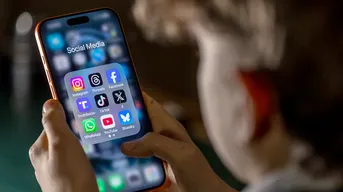
假设你最近刚从巴西度假回来。你发布了酒店的照片,还标记了几个去过的地方。诈骗者可以用人工智能分析这些帖子,生成一封看起来来自你入住酒店的邮件。邮件可能会感谢你的入住,并为你的下次到访提供折扣。一切似乎都与你实际的旅行对得上。然而,邮件中的链接可能指向一个旨在窃取你的密码或信用卡信息的假网站。
Let's say you recently returned from a vacation in Brazil. You posted photos of the hotel and tagged a few places you visited. A scammer could use AI to analyze those posts and generate an email that appears to come from your hotel. The message might thank you for staying and offer a discount on your next visit. Everything seems to line up with your actual trip. However, the link could lead to a fake website designed to steal your password or credit card information.
领导这项研究的希林·尼利扎德是得克萨斯大学阿灵顿分校计算机科学与工程系的副教授,她解释了这件事为何如此令人担忧。“任何人都可能成为攻击者,这让它更可怕,”尼利扎德说。她说得没错。使用这些工具的人可能对你几乎不需要什么个人了解。你的公开帖子就能提供制作一封可信邮件所需的大部分信息。
Shirin Nilizadeh, an associate professor in UTA's Department of Computer Science and Engineering who led the study, explained why this is so concerning. "Anyone can be the attacker, and that makes it scarier," Nilizadeh said. And she's right. Someone using these tools may need very little personal knowledge about you. Your public posts can provide much of the information needed to create a believable message.
研究团队包括研究生埃尔哈姆·普拉巴斯·瓦法和研究员萨亚克·萨哈·罗伊,他们考察了人工智能如何分析公开的社交媒体活动并生成个性化的钓鱼邮件。根据研究论文,团队研究了200个公开的Instagram账户。他们发现,一个人少至10条帖子就足以提供足够的信息,用来制作高度针对性的邮件。
The research team, which included graduate student Elham Pourabbas Vafa and researcher Sayak Saha Roy, examined how AI could analyze public social media activity and generate personalized phishing emails. According to the research paper, the team studied 200 public Instagram accounts. They found that as few as 10 posts from an individual could provide enough information to create highly targeted messages.
研究人员评估了超过1.8万封由人工智能生成的电子邮件,并将其与数千封现实世界中的网络钓鱼信息进行了比较。这些人工智能工具从旅行照片和关于即将举行活动的公开动态中提取信息。它们还研究了人们在网上分享的个人关切。在此基础上,该技术生成了一些看起来与每个人近期经历相关的电子邮件。研究人员甚至测试了人工智能如何定制邮件主题、发件人姓名和链接,使这些信息更加可信。
The researchers evaluated more than 18,000 AI-generated emails and compared them with thousands of real-world phishing messages. The AI tools pulled information from travel photos and public updates about upcoming events. They also examined personal concerns people had shared online. From there, the technology created emails that appeared relevant to each person's recent experiences. The researchers even tested how AI could customize subject lines, sender names and links to make the messages more believable.
想想一件简单的事,比如发帖说你很期待即将到来的演唱会。骗子可以利用这一信息发送假的门票确认邮件或升舱座位邀请。如果你最近抱怨过航班延误,一封提供赔偿的邮件可能恰好在你最需要的时候出现。这些例子表明,熟悉的细节是多么容易被用来对付某人。在一项用户研究中,参与者普遍认为,与用于对比的现实世界网络钓鱼案例相比,人工智能生成的电子邮件更有说服力,也更不容易引起怀疑。
Consider something as simple as posting that you're excited about an upcoming concert. A scammer could use that information to send a fake ticket confirmation or an offer for upgraded seats. If you had recently complained about a delayed flight, an email offering compensation might arrive at just the right moment. These examples show how easily familiar details could be turned against someone. In a user study, participants generally rated the AI-generated emails as more convincing and less suspicious than the real-world phishing examples used for comparison.
然而,研究人员是在受控环境中评估人们对这些信息的反应的。他们并未衡量在真实攻击中实际会有多少人点击恶意链接。即使存在这一局限,研究结果仍引发了严重担忧:个人信息竟如此容易被用来操纵他人的信任。
However, the researchers evaluated people's reactions to the messages in a controlled setting. They did not measure how many people would actually click the malicious links during a real attack. Even with that limitation, the results raise serious concerns about how easily personal information can be used to manipulate someone's trust.
这项研究最令人不安的部分之一是,骗子可能永远不需要黑入你的社交媒体账户。如果你的个人资料是公开的,他们就有可能收集你已经向全世界分享的细节。而这些细节可以让一封原本可疑的信息显得熟悉。
One of the most unsettling parts of this research is that scammers may never need to hack your social media account. If your profile is public, they can potentially collect details you've already shared with the world. And those details can make an otherwise suspicious message feel familiar.
提及你昨天去过的餐厅的邮件看似无害。提及你周末参加过的音乐会的信息也是如此。当时间和细节准确无误时,人们可能不太会质疑信息的来源。这就是骗子想要利用的优势。
An email mentioning a restaurant you visited yesterday might seem harmless. So could a message referencing a concert you attended over the weekend. When the timing and details are accurate, people may be less likely to question where the message came from. That's the advantage scammers are hoping to exploit.
这项研究引发了另一个担忧,因为 AI 可以自动完成创建个性化信息所涉及的大量工作。还有一个问题是这些邮件听起来可以有多么专业。我们习惯于寻找拼写错误和措辞生硬的地方。AI 可以生成听起来很专业的信息,因此这些传统的警示信号可能不复存在。你可能会收到一封看起来完全正常、提及你实际做过的事情,但却来自试图窃取你信息的人的邮件。
This research adds another concern because AI can automate much of the work involved in creating personalized messages. There's also the problem of how polished these emails can sound. We're used to looking for spelling mistakes and awkward wording. AI can produce professional-sounding messages, so those traditional warning signs may be missing. You could receive an email that looks perfectly normal, references something you actually did and still comes from someone trying to steal your information.
现在,你可能会认为 AI 公司已经设有防护措施,防止人们利用其工具制作网络钓鱼诈骗。确实如此。但研究人员发现,这些保护措施存在重大弱点。该团队测试了三种广泛使用的 AI 安全工具:Llama Guard、ShieldGemma 和 WildGuard。这些系统试图在 AI 模型响应之前识别有害请求。
Now, you might assume AI companies already have safeguards that prevent people from using their tools to create phishing scams. They do. But the researchers found that those protections had significant weaknesses. The team tested three widely used AI safety tools: Llama Guard, ShieldGemma and WildGuard. These systems attempt to recognize harmful requests before an AI model responds.
在默认设置下,这些工具仅检测出 0% 到 19% 的创建个性化网络钓鱼攻击的请求。考虑到 AI 生成这些信息的速度,这是一个相当令人担忧的结果。
With their default settings, the tools detected only 0% to 19% of the requests to create personalized phishing attacks. That's a pretty troubling result, especially considering how quickly AI can generate these messages.
研究人员随后探讨了更具体的指令是否能帮助安全系统识别这些攻击。改进效果显著。在研究人员调整防护措施以识别感知上下文的网络钓鱼尝试后,在测试中的检测率高达 99%。这令人鼓舞,因为它表明更强有力的防护措施是可能的。然而,这些结果来自研究环境。它们并不能保证在现实世界中每一个恶意请求都会被拦截。
The researchers then explored whether more specific instructions could help the safety systems recognize these attacks. The improvement was substantial. After researchers adjusted the safeguards to identify context-aware phishing attempts, detection rates reached as high as 99% in their tests. That's encouraging because it suggests stronger safeguards are possible. However, those results came from a research setting. They don't guarantee that every malicious request would be blocked in the real world.
研究人员还没有在公开论文中列出用于生成钓鱼邮件的具体指令。他们不想为犯罪分子提供现成指南。尼利扎德呼吁AI公司认真对待这些威胁,加强对定向社会工程攻击的防护。
The researchers also left the exact instructions used to generate their phishing emails out of the public paper. They wanted to avoid providing criminals with a ready-made guide. Nilizadeh is urging AI companies to take these threats seriously and improve their protections against targeted social engineering attacks.
这些发现表明,诈骗者可以多么轻易地把日常社交媒体帖子变成令人信服的电子邮件。你不需要停止在网上分享自己的生活,但值得更谨慎地考虑陌生人能看到什么。如果可疑信息进入你的收件箱,有几种实用的自我保护方法。
These findings show how easily scammers could turn everyday social media posts into convincing emails. You don't need to stop sharing your life online, but it's worth being more thoughtful about what strangers can see. And there are several practical ways to protect yourself if a suspicious message reaches your inbox.
首先检查谁能在Instagram、Facebook和其他社交媒体平台上看到你的帖子。如果你的账号是公开的,陌生人可能看到你的照片和个人动态。可以考虑把访问权限限制为已获批准的关注者,并检查那些透露了过多信息的旧帖子。你可以参考我们关于如何更改Instagram隐私设置的指南。请记住,人们仍然可以分享或截图私密账号的内容。
Start by checking who can see your posts on Instagram, Facebook and other social media platforms. If your accounts are public, strangers may be able to view your photos and personal updates. Consider limiting access to approved followers and reviewing older posts that reveal more than you'd like. You can follow our guide on how to change your Instagram privacy settings. Keep in mind that people can still share or screenshot content from private accounts.
在你还没结束旅行时就发布度假照片,可能暴露你所在的位置。公布即将到来的旅行计划,或在某个活动上给自己打标签,也是一样。可以考虑等到回家后再分享某些经历。此外,公开发布照片前,检查照片中的位置标签和其他细节。你不需要停止分享自己喜欢的事物,但稍微谨慎一点,就能让陌生人更难追踪你的活动。
Posting vacation photos while you're still away can reveal where you are. The same goes for announcing upcoming travel plans or tagging yourself at an event. Consider waiting until you're home to share certain experiences. Also, check location tags and other details in your photos before posting them publicly. You don't need to stop sharing the things you enjoy, but a little discretion can make it harder for strangers to follow your activities.
如果收到一封来自酒店或其他商家的电子邮件,提到你最近做过的事情,不要想当然地认为它是合法的。不要点击邮件中的链接,而是打开该公司的官方应用,或在浏览器中输入其网址。你也可以通过自己独立核实过的电话号码联系该商家。当信息要求你提供支付信息或紧急回复时,尤其要警惕。即使是看起来熟悉的发件人地址,也可能被伪造。如果你遭遇钓鱼攻击,强大的杀毒软件有助于保护你的设备。
If an email arrives from a hotel or another business referencing something you recently did, don't assume it's legitimate. Open the company's official app or type its website address into your browser instead of clicking the email link. You can also contact the business through a phone number you've independently verified. Be especially suspicious when a message asks you to, provide payment information or respond urgently. Even a familiar-looking sender address can be spoofed. Strong antivirus software can help protect your devices if you encounter a phishing attack.
一些安全工具可以就已知的危险网站向你发出警告,并检测可疑附件或下载内容中隐藏的恶意软件。如果你不小心点击了恶意内容,这种保护很有价值。然而,杀毒软件无法保证拦截每一个钓鱼网站,尤其是当你主动输入自己的信息时。请保持安全软件更新,并开启其可用的保护功能。
Some security tools can warn you about known dangerous websites and detect malware hidden in suspicious attachments or downloads. That's valuable protection if you accidentally click something malicious. However, antivirus software cannot guarantee that every phishing website will be blocked, especially if you voluntarily enter your information. Keep your security software updated and turn on its available protection features.
在CyberGuy.com上查看我为你的Windows、Mac、Android和iOS设备挑选的2026年最佳杀毒防护获奖产品。骗子对你的了解可能超出你的想象。
Get my picks for the best 2026 antivirus protection winners for your Windows, Mac, Android and iOS devices at CyberGuy.com. Scammers can learn more about you than you might realize.
数据经纪商和人肉搜索网站可能暴露你的家庭住址、电话号码和其他个人详细信息,犯罪分子可利用这些信息让钓鱼邮件更具说服力。个人数据清除服务可以帮助找到这些信息,并要求相关网站将其删除。虽然没有任何服务能抹去你在网上的一切,也无法删除你公开的社交媒体帖子,但它有助于减少骗子可获取的个人信息。你也可以自己免费申请删除,不过在多个网站上逐一操作可能很耗时。
Data brokers and people-search websites may expose your home address, phone number and other personal details that criminals could use to make phishing emails more convincing. A personal data removal service can help find that information and request its removal from covered websites. While no service can erase everything about you online or remove your public social media posts, it can help reduce the personal information available to scammers. You can also request removals yourself for free, although doing so across multiple websites can take time.
访问CyberGuy.com,查看我精选的数据清除服务,并获取免费扫描,了解你的个人信息是否已经泄露到网上。
Check out my top picks for data removal services and get a free scan to find out if your personal information is already out on the web by visiting CyberGuy.com.
窃取了一个密码的骗子可能会试图用它来访问其他账户。正因如此,每一个重要账户都应设置独一无二的强密码。可信的密码管理器能帮你创建并保存这些密码。尽可能开启多因素认证,最好使用身份验证器应用或安全密钥。在支持的服务上,通行密钥能提供更强的防钓鱼能力。另外,绝不要把验证码告诉突然联系你的人。
A scammer who steals one password may try using it to access other accounts. That's why every important account should have a unique, strong password. A trusted password manager can help you create and store them. Enable multifactor authentication wherever possible, preferably with an authenticator app or security key. Passkeys can offer even stronger phishing resistance on supported services. And never share a verification code with someone who contacts you unexpectedly.
安全更新有助于封堵犯罪分子可利用的漏洞。尽可能为手机、电脑和浏览器开启自动更新。也值得检查一下你的电子邮件服务商的垃圾邮件和钓鱼过滤器是否处于开启状态。Gmail、Outlook 等主要邮件服务已经拦截了许多可疑邮件,不过仍有一些攻击能够蒙混过关。如果你收到可疑邮件,请使用内置选项将其举报为钓鱼邮件。
Security updates help close vulnerabilities that criminals can exploit. Turn on automatic updates for your phone, computer and browser whenever possible. It's also worth checking that your email provider's spam and phishing filters are active. Gmail, Outlook and other major email services already block many suspicious messages, although some attacks can still get through. If you receive a suspicious email, use the built-in option to report it as phishing.
不小心点击了钓鱼链接,并不自动意味着你的设备已被入侵。不过,如果你认为自己遇到了诈骗,接下来可以这样做。
Accidentally clicking a phishing link doesn't automatically mean your device has been compromised. However, if you think you've encountered a scam, here's what to do next.
最后还有一条建议。当一封邮件来得格外凑巧,或者知道一些关于你的个人信息时,多留个心眼再看一遍。这一点点迟疑,或许就能避免一个代价高昂的错误。
One final suggestion. When an email seems unusually well-timed or knows something personal about you, give it a second look. That little bit of hesitation could prevent a very expensive mistake.
我想我们大多数人都明白,在网上分享个人信息伴随着一定风险。但这项研究将这种担忧推向了一个许多人可能未曾考虑的方向。你可能分享了一张晚餐或周末出游的无害照片,随后却收到一封似乎精准知晓你行踪的邮件。我能理解为何有人会信任这类信息,尤其是当它发送时机恰到好处、且看起来像来自熟悉的商家时。
I think most of us understand that sharing personal information online comes with some risk. But this research takes that concern in a direction many people probably haven't considered. You could share a perfectly innocent photo from dinner or a weekend getaway and later receive an email that seems to know exactly where you've been. I can see how someone might trust that message, especially if it arrives at the right time and looks like it came from a familiar business.
这正是令我担忧的地方。AI 正让犯罪分子更容易利用我们自身的经历来赢取信任。而且他们或许无需花费大量时间逐个调查我们。研究人员找到了改进 AI 安全过滤器的方法,这让我感到欣慰。我希望看到企业将这些发现付诸应用。在此期间,我认为我们都需要对公开发布的内容更加谨慎,对意外收到的邮件保持更高度的怀疑,即便其中的细节看起来完全吻合。
That's what worries me. AI is making it easier for criminals to use our own experiences to earn our trust. And they may be able to do it without spending much time researching us individually. I'm encouraged that the researchers found ways to improve AI safety filters. I'd like to see companies put those findings to work. In the meantime, I think we all need to be a little more careful about what we post publicly and a lot more skeptical of unexpected emails, even when the details seem right.
当 AI 技术助力犯罪分子制造逼真的诈骗时,AI 公司是否应承担责任?请写信至 我们,告诉我们您的看法。
Should AI companies be held responsible when their technology helps criminals create convincing scams? Let us know by writing to us at