新加坡:尽管美中紧张关系持续,但亚太经合组织秘书处执行主任表示,区域贸易合作的条件正在改善。
SINGAPORE: Conditions for regional trade cooperation are improving, even as tensions persist between the United States and China, according to the executive director of the Asia-Pacific Economic Cooperation Secretariat.
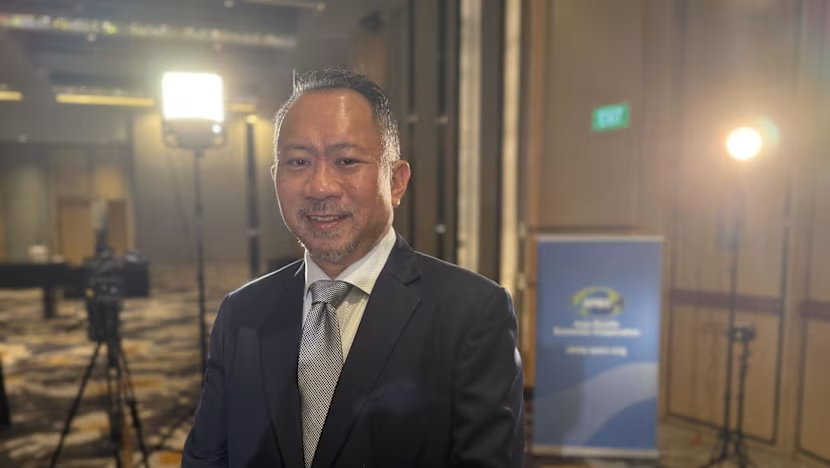
在周三(11月18日)于深圳举行的为期两天的第33届亚太经合组织领导人非正式会议召开前,执行主任佩德罗萨接受了CNA采访。他表示,亚太经合组织的21个成员经济体正继续在贸易问题上寻找共同点。
Speaking to CNA ahead of the two-day 33rd APEC Economic Leaders' Meeting in Shenzhen from Wednesday (Nov 18), Mr Eduardo Pedrosa said APEC's 21 member economies are continuing to find common ground on trade issues.
当被问及合作条件与一年前相比是否有所改善时,他对CNA表示:“我认为实际上正在变好。”
"I think it's actually getting better," he told CNA when asked whether conditions for cooperation had improved compared with a year ago.
他强调了亚太经合组织贸易部长在5月于苏州举行的会议上取得的进展,称他们已就进一步讨论的领域达成一致,包括贸易与环境、劳工以及国有企业。
He highlighted progress made by APEC trade ministers during a meeting in Suzhou in May, saying they had agreed on areas for further discussion, including trade and the environment, labour and state-owned enterprises.
虽然亚太经合组织包含世界上最大的两个经济体——美国和中国,但佩德罗萨表示,其另外19个成员经济体在推动区域贸易合作方面也发挥着重要作用。
While APEC includes the world's two biggest economies, the US and China, Mr Pedrosa said its 19 other member economies also play an important role in advancing regional trade cooperation.
他指出了东南亚国家联盟(东盟)的倡议——东盟11个成员中有7个也是亚太经合组织成员——以及《全面与进步跨太平洋伙伴关系协定》等贸易协定。佩德罗萨表示,这些倡议展示了经济体如何共同努力制定贸易规则和实践,而其他经济体(包括美国和中国)可能会发现这些规则和实践很有用。
He pointed to initiatives by the Association of Southeast Asian Nations (ASEAN) – seven of whose 11 members are also part of APEC – as well as trade agreements such as the Comprehensive and Progressive Agreement for Trans-Pacific Partnership Mr Pedrosa said such initiatives show how economies can work together to develop trade rules and practices that others, including the US and China, may find useful.
他说:“我们仍在通过这些协定共同前进。亚太经合组织也为这些讨论提供了一个平台。”
"We're still moving together through these agreements. APEC provides a platform for those discussions as well," he said.
聚焦供应链韧性 当被问及建立亚太自由贸易区(FTAAP)的长期目标时,佩德罗萨表示,在全球不确定性日益增加的背景下,亚太经合组织的当务之急是加强供应链韧性。
FOCUS ON SUPPLY CHAIN RESILIENCE Asked about the long-term goal to establish the Free Trade Area of the Asia-Pacific (FTAAP), Mr Pedrosa said APEC's immediate priority is to strengthen supply chain resilience amid growing global uncertainties.
他援引2019冠状病毒病疫情造成的中断,以及因对伊朗战争导致石油难以通过霍尔木兹海峡运输,作为区域供应链面临挑战的例子。“这是在减少碎片化、维持稳定(以及)消除摩擦,”他说。
He cited disruptions caused by the COVID-19 pandemic, as well as difficulties moving oil through the Strait of Hormuz due to the war on Iran, as examples of challenges facing regional supply chains. "It is minimising that fragmentation, maintaining stability (and) removing frictions," he said.
他补充道,提升“互操作性”,即不同系统和贸易安排协同运作的能力,是亚太经合组织的另一重点。
He added that improving "interoperability", or the ability of different systems and trade arrangements to work together, is another focus of APEC.
佩德罗萨还强调了减少影响企业和消费者壁垒的重要性,以及为政府和企业共同寻求解决方案创造机会。
Mr Pedrosa also stressed the importance of reducing barriers that affect businesses and consumers, and creating opportunities for governments and companies to work together on solutions.
应对全球经济失衡 亚太经合组织议程上的另一问题是全球经济失衡,财长们认定这对增长和稳定构成风险。
ADDRESSING GLOBAL ECONOMIC IMBALANCES Another issue on APEC's agenda is global economic imbalances, which finance ministers have identified as posing risks to growth and stability.
讨论是在对中国不断扩大的贸易顺差感到担忧的背景下进行的,预计该顺差将超过去年1.2万亿美元的纪录。
The discussions come amid concerns over China's widening trade surplus, which is expected to exceed last year's record of US$1.2 trillion.
这一数字引发了关于美国贸易限制措施是否失败的辩论,因为中国出口额依然创历史新高。但佩德罗萨表示,经济失衡是一个更广泛的全球性问题。
The figure has led to debate over whether US trade restrictions have failed, given that China is still exporting more than ever. But Mr Pedrosa said economic imbalances are a wider global issue.
他补充道:“这不是两个单个经济体之间的失衡问题。这些真正是包含各方的全球性失衡。”
"It's not about imbalances between two individual economies. These are really global imbalances that include everyone," he added.
他指出,一些经济体因社会安全网、养老金和医疗保健等因素储蓄更多,而另一些经济体则消费更多。他说,挑战在于找到一种能够支撑全球经济稳定的平衡。
He noted that some economies save more due to factors such as social safety nets, pensions and healthcare, while others consume more. The challenge, he said, is finding a balance that would support global economic stability.
佩德罗萨表示,亚太经合组织财长们呼吁在这一问题上加强透明度和合作,并指出这是该组织的一项重大进展。
Mr Pedrosa said that APEC finance ministers have called for greater transparency and cooperation on the issue, noting that it is a significant development for the grouping.
然而,佩德罗萨承认,在确定可能的行动领域之前,就什么构成全球经济失衡达成共同理解将是一个重要的第一步。
However, Mr Pedrosa acknowledged that reaching a common understanding of what constitutes global economic imbalances would be an important first step before identifying possible areas for action.
他说:“这正是亚太经合组织的魅力所在之一,致力于寻找这些词汇含义的共同理解。”他并补充道,讨论将在未来几年继续进行。
"That's part of the beauty of APEC, trying to find a common understanding of what these words mean," he said, adding that discussions would continue over the coming years.
AI合作 除贸易外,人工智能预计将在亚太经合组织(APEC)领导人于深圳举行的会议上占据显著位置,各经济体寻求利用该技术的益处,同时应对其带来的挑战。
AI COOPERATION Beyond trade, artificial intelligence is expected to feature prominently when APEC leaders gather in Shenzhen, as economies seek to harness the technology's benefits while addressing the challenges it poses.
“AI确实主导了我们的讨论,”佩德罗萨表示,并指出该技术已出现在涵盖贸易、中小企业、能源和劳动力发展等领域的部长级会议中。
"AI has really dominated our discussions " Mr Pedrosa said, noting that the technology had featured in ministerial meetings covering areas such as trade, small businesses, energy and workforce development.
他确定了三个合作领域:为数字发展提供融资以防止数字鸿沟扩大,确保充足的能源供应以支持AI应用,以及利用该技术提高粮食生产力和安全性。他说:“技术发展如此之快,每个人都必须能够跟上。”
He identified three areas of cooperation: financing digital development to prevent widening digital divides, ensuring sufficient energy supplies to support AI adoption, and using the technology to improve food productivity and security. "Technology is moving so quickly, everyone has to be able to catch up with that," he said.
虽然美国和中国在亚太经合组织经济体中拥有最活跃的AI发展领域,但佩德罗萨表示,其他经济体以及中小企业(SMEs)在AI的价值链和供应链中也发挥着作用。
While the US and China have the most active AI development sectors among APEC economies, Mr Pedrosa said other economies and small- and medium size enterprises (SMEs) also have a role to play in AI's value and supply chains.
他补充说,亚太经合组织的非约束性质为政府和企业提供了一个平台,以讨论AI监管和消费者保护等问题,即使各经济体对该技术采取不同的方法。“很大程度上关乎需要何种护栏来保护消费者,”他说。
He added that APEC's non-binding nature provides a platform for governments and businesses to discuss issues such as AI regulation and consumer protection, even as economies take different approaches to the technology. "A lot of it is about what kind of guardrails are needed to protect consumers," he said.
佩德罗萨强调,对话过程本身是亚太经合组织工作的重要组成部分,使各经济体能够更好地理解彼此的方法,并找到让各自系统协同运作的途径。
Mr Pedrosa stressed that the process of dialogue itself is an important part of APEC's work, allowing economies to better understand one another's approaches and find ways for their systems to work together.