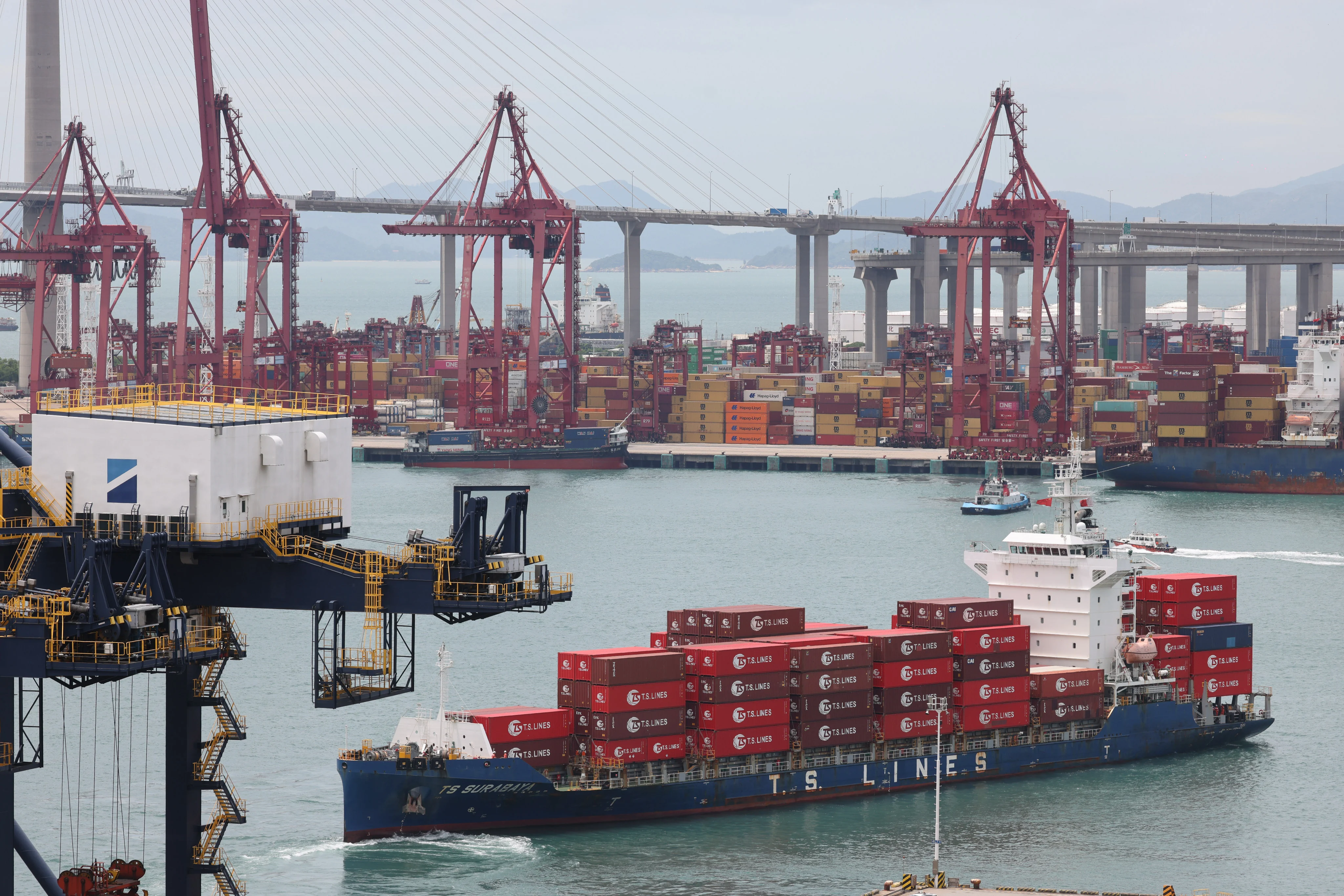
香港的成功建立在其与世界的联系之上。其作为亚洲主要海事和贸易中心之一的地位,反映了一个简单的原则:繁荣取决于货物流通、市场连接和跨境自由贸易。
Hong Kong’s success rests on its connection to the world. Its position as one of Asia’s great maritime and trading centres reflects a simple principle: prosperity depends on moving goods, connecting markets and trading freely across borders.
这一原则在第十届香港海事周期间依然重要,正如香港初建为主要国际港口时一样。在日益加剧的地缘政治紧张局势、既定贸易路线面临不确定性以及全球经济日益碎片化的当下,这一原则显得比以往任何时候都更为重要。
That principle is as important today, during the 10th Hong Kong Maritime Week, as it was when Hong Kong first established itself as a major international port. At a time of growing geopolitical tensions, uncertainty over established trade routes and increasing fragmentation of the global economy, it is more important than ever.
中国作为贸易大国的非凡发展帮助重塑了全球经济。这一成功得益于一个稳定的国际海事法律体系,该体系保障了航行自由。
China’s extraordinary development as a trading nation has helped reshape the global economy. This success has been aided by a stable international maritime legal system that protects freedom of navigation.
按体积计算,全球约90%的贸易由海运承担。往来于各港口之间的船只运送着现代经济赖以依存的能源、粮食、原材料和商品。它们能否安全航行,不仅关乎航运业,更是经济稳定的基本要求。
Around 90 per cent of global trade by volume is carried by sea. The ships moving between our ports transport the energy, food, raw materials and goods on which modern economies depend. Their ability to do so safely is not simply a shipping industry concern. It is a fundamental requirement of economic stability.
《联合国海洋法公约》提供了必要的法律框架。它确立了国家在海上的权利和责任,包括航行自由和通过国际海峡的过境通行权。这些既非个别国家授予的特权,也非可选择性适用的原则。它们构成了惠及所有贸易国家的国际框架的一部分。
The United Nations Convention on the Law of the Sea provides the essential legal framework. It establishes states’ rights and responsibilities at sea, including freedom of navigation and transit passage through international straits. These are neither privileges granted by individual countries nor principles to be applied selectively. They form part of an international framework benefiting all trading nations.
近期事件表明,当这一框架受到冲击时,利害关系有多大。新冠疫情暴露了全球供应链面对中断的脆弱性。乌克兰战争从根本上改变了既定的能源和大宗商品贸易模式,而红海商船遇袭事件迫使船只绕道非洲走更长的航线。
Recent events have demonstrated just how much is at stake when that framework comes under pressure. The Covid-19 pandemic exposed the vulnerability of global supply chains to disruption. The war in Ukraine fundamentally altered established energy and commodity trading patterns, while attacks on commercial shipping in the Red Sea forced vessels to take longer routes around Africa.
霍尔木兹海峡周边的危机提供了一个更为鲜明的例证。全球约五分之一的石油消费量经由此水道运输,该水道已成为商业航运面临严重威胁的焦点,并对能源市场、航运作业和海员安全产生了直接影响。
The crisis around the Strait of Hormuz has provided an even starker illustration. A waterway through which around a fifth of the world’s oil consumption passes has become the focus of serious threats to commercial shipping, with direct consequences for energy markets, shipping operations and the safety of seafarers.
这些中断造成的经济后果远远超出了直接相关地区。航程变长意味着燃料消耗增加、保险成本上升和交付延误。企业面临关键零部件到货时间的不确定性,而发展中经济体可能特别容易受到进口商品成本上涨的冲击。
The economic consequences of these disruptions extend far beyond the immediate regions concerned. Longer voyages mean higher fuel consumption, increased insurance costs and delayed deliveries. Businesses face uncertainty over the arrival of essential components, while developing economies can be particularly exposed to increases in the cost of imported goods.
一个海上咽喉要道的中断可能通过水路传导,对数千公里外的经济体产生影响。全球贸易这种相互关联的现实,正是航行自由必须被视为共同国际利益的原因所在。
Disruption at one maritime chokepoint can ripple through the water and have consequences for economies thousands of kilometres away. This interconnected reality of global trade is precisely why freedom of navigation must be treated as a shared international interest.
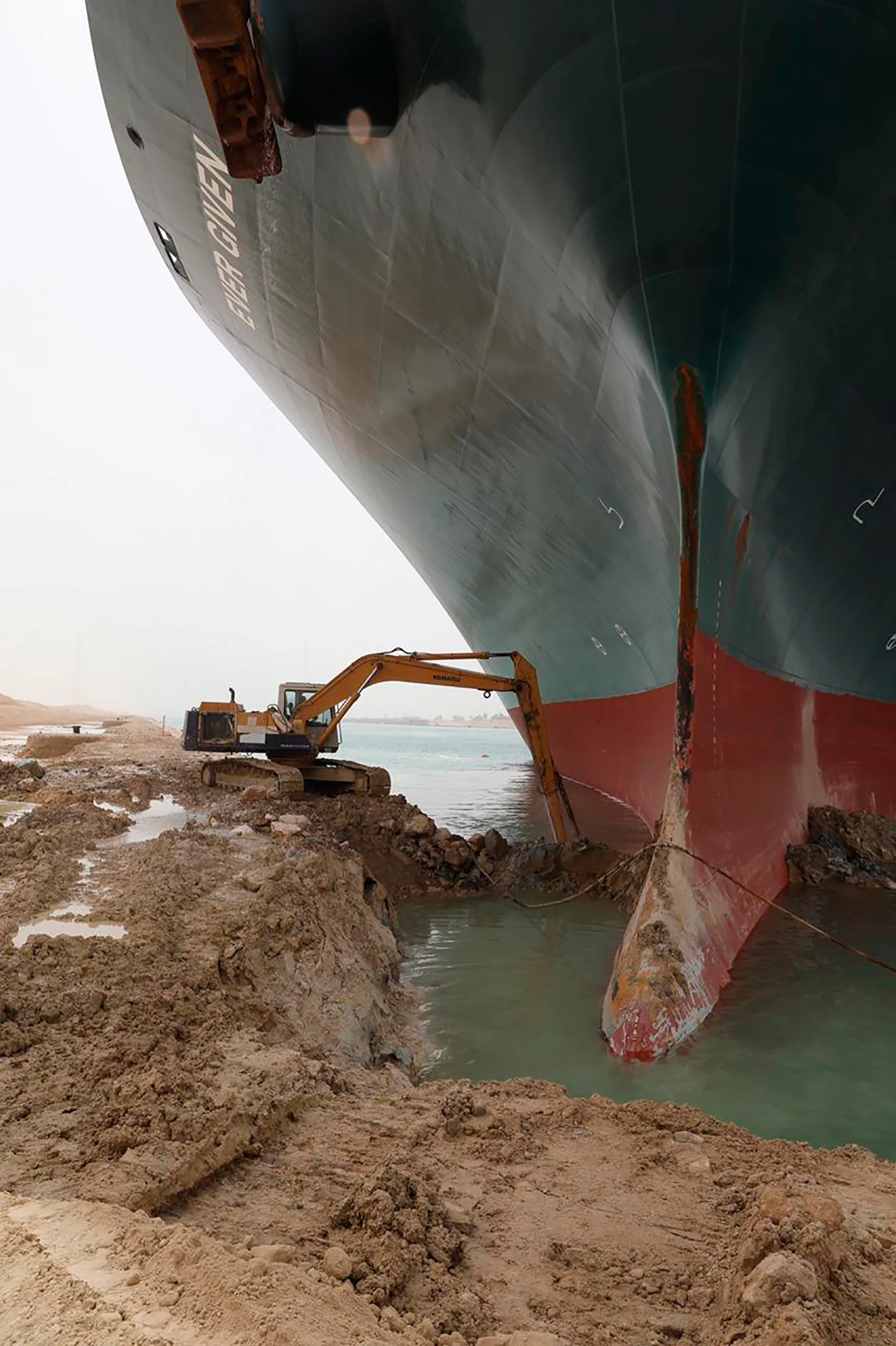
如果不同国家和地区开始对国际航运实施相互竞争的规则、实施单边限制或挑战既定的航行权利,结果将是更大的不确定性、更高的成本和更少的可靠供应链。各国政府在寻求更强国家韧性的过程中,可能会无意中导致相反的结果:一个更加碎片化的全球经济,使企业和普通民众处境更糟。
If different countries and regions begin to apply competing rules to international shipping, impose unilateral restrictions or challenge established navigational rights, the result will be greater uncertainty, higher costs and fewer reliable supply chains. In seeking greater national resilience, governments could inadvertently deliver the opposite: a more fragmented global economy that leaves businesses and ordinary people worse off.
作为世界主要贸易国之一,这对中国尤为重要。其经济发展和国际商业关系与可靠的海上航线紧密相连。香港亦是如此,其作为国际航运中心的角色取决于对船舶和货物在市场间流动的信心。整个亚洲地区,从主要制造业经济体到较小的岛屿和沿海国家,能够进入国际航运航道对于经济机遇至关重要。
As one of the world’s major trading nations, this is particularly significant for China. Its economic development and international commercial relationships are closely connected to reliable maritime routes. The same is true of Hong Kong, whose role as an international maritime centre depends on confidence in the movement of ships and cargoes between markets. Across Asia, from major manufacturing economies to smaller island and coastal states, the ability to access international shipping routes is essential to economic opportunity.
海事贸易面临的挑战不会消失。地缘政治紧张将持续存在,贸易格局将不断演变,新的风险也将出现。然而,我们不应让这些事态发展侵蚀那些使世界各大洋得以成为国际贸易通道的原则。
The challenges facing maritime commerce will not disappear. Geopolitical tensions will continue, trade patterns will evolve and new risks will emerge. However, we should not allow those developments to erode the principles that have enabled the world’s oceans to serve as highways for international trade.
航行自由不仅仅是一项海事原则。它是全球繁荣的基础,保护航行自由是每个贸易国家共同的责任。
Freedom of navigation is not simply a maritime principle. It is a foundation of global prosperity, and protecting it is a responsibility shared by every trading nation.