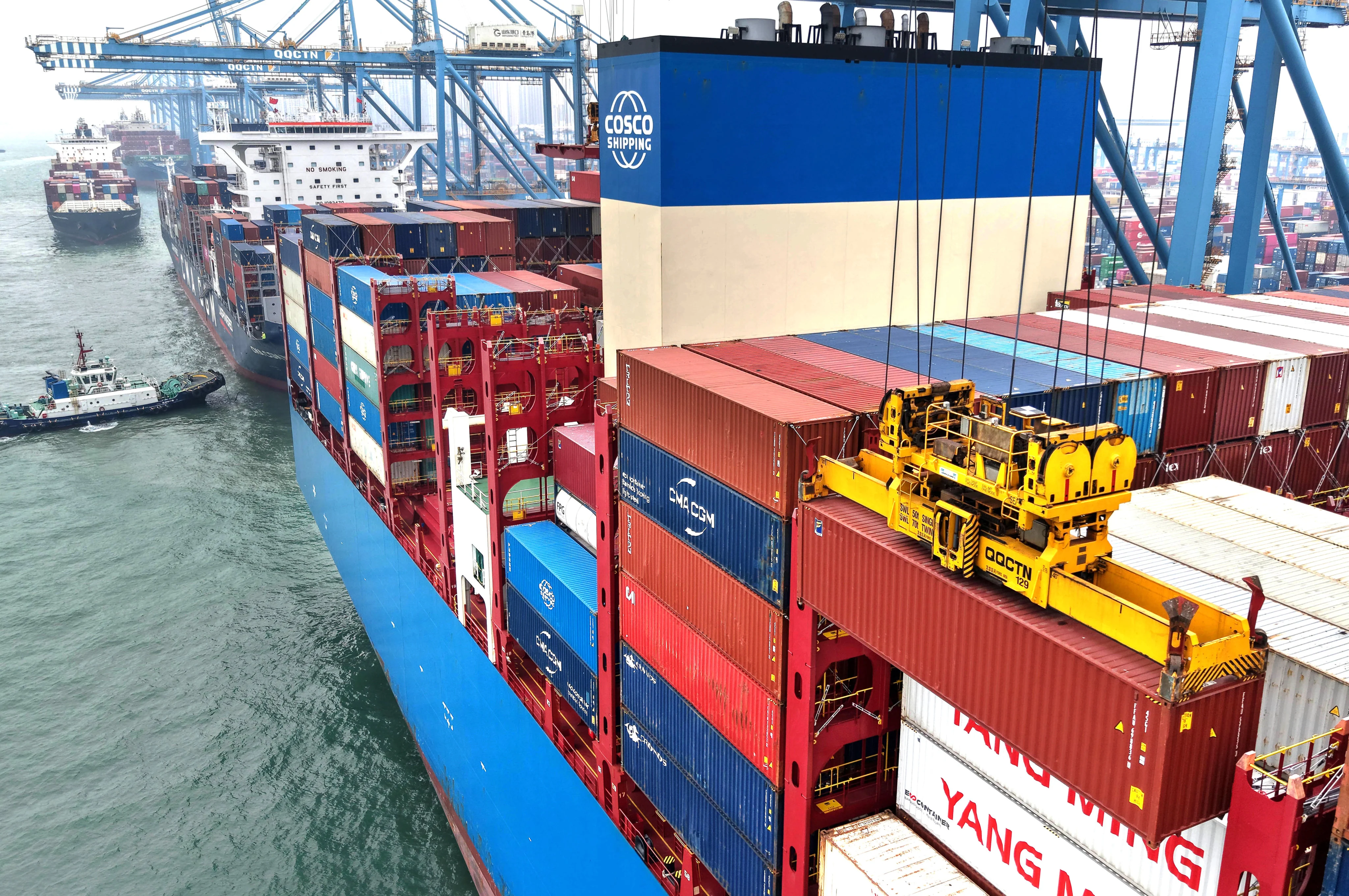
处理全球90%贸易的海运业,正面临至少自1980年代以来最具颠覆性的时期,全球商船船东协会主席约翰·登霍姆周二在香港表示,原因是持续的地缘政治动荡。
Marine shipping, which handles 90 per cent of world trade, faces its most disruptive time since at least the 1980s due to continuing geopolitical instability, the chairman of a global merchant shipowners’ association said in Hong Kong.
登霍姆说,海盗活动和新冠疫情管控措施,随后是一波进口关税和霍尔木兹海峡瓶颈,给全球船队带来了“几乎不间断的干扰”。他所领导的总部设在英国的国际航运会(ICS)的成员协会覆盖全球80%的商船船队。
Piracy and Covid-19 containment measures, followed by a wave of import tariffs and Strait of Hormuz bottlenecks, had fanned an “almost uninterrupted disruption” for the world’s fleet, said John Denholm, chairman of the British-based International Chamber of Shipping, whose member associations cover 80 per cent of the global merchant fleet.
“就地缘政治而言,这是我从事航运业以来见过的最动荡时期,”登霍姆在由香港海事及港口发展局合办的行业峰会间隙表示,该峰会主题为“资本遇见货物:为全球贸易未来融资”。
“It’s the most unstable time geopolitically I’ve seen since I started working in shipping,” Denholm said on Tuesday on the sidelines of an industry summit co-organised by the Hong Kong Maritime and Port Development Board, which had the theme “Capital meets cargo: financing the future of global trade”.
“海盗曾是大问题,我们刚勉强恢复,新冠疫情又来了,接着又出现地缘政治紧张局势,”他说。
“Piracy was the big issue, we barely recovered and then Covid hit, and then we had geopolitical tensions,” he said.
登霍姆表示,该协会2025-26年晴雨表——一项基于全球海事业领袖回复的调查——将政治不稳定确定为主要风险,同时也凸显了单边和区域性监管行动带来的风险。
The association’s 2025-26 barometer, a survey based on responses from maritime industry leaders around the world, identified political instability as the main risk, Denholm said, while adding that it also highlighted the risks from unilateral and regional regulatory action.
“或许最令人担忧的是,这些风险日益相互关联的程度。政治不稳定不再是单一的简单风险,”登霍姆在峰会上对约200名决策者、业界领袖、金融家和大宗商品行业高管表示。
Tariffs, sanctions and export controls are becoming more prominent features of international commerceJohn Denholm, International Chamber of Shipping“Perhaps most concerning is the extent to which these risks are increasingly interconnected. Political instability is no longer a simple risk on its own,” Denholm told about 200 policymakers, industry leaders, financiers and commodity sector executives at the summit.
他说,各国政府越来越多地通过国家安全、战略竞争和产业政策的视角来审视贸易。
He said governments were increasingly looking at trade through the lens of national security, strategic competition and industrial policy.
“关税、制裁和出口管制正成为国际贸易更显著的特征,”登霍姆说。
“Tariffs, sanctions and export controls are becoming more prominent features of international commerce,” Denholm said.
中国航运商因与伊朗是“朋友”而占据优势,他说。自美国和以色列二月对伊朗发动战争以来,伊朗实际上已封锁许多船只通过霍尔木兹海峡,拖慢了中东石油出口。
Chinese shippers had an advantage because they were “friends” with Iran, he said. Iran has effectively blocked many ships from using the Strait of Hormuz since the United States and Israel launched their war on the country in February, slowing exports of Middle Eastern oil.
香港运输及物流局局长陈美宝在峰会上表示,该市拥有充裕的放贷机构、保险公司和风险管理服务,为航运业提供支持。
Hong Kong’s secretary for transport and logistics, Mable Chan, told the summit the city was flush with lenders, insurers and risk management services for the shipping industry.
她说:“我们通过提供坚定不移的监管框架和建立战略性全球伙伴关系,正在为资本部署去风险化。”
“We are de-risking capital deployment by providing an unwavering regulatory framework and forging strategic global partnerships,” she said.
去年,随着部分业务转向中国内地港口和空运,香港的集装箱吞吐量下降至1299万标准箱。
Hong Kong’s container throughput fell to 12.99 million 20-foot equivalent units last year as some business switched to mainland Chinese ports and air freight.
在劳氏船级社“百大港口2026”调查中,该市排名第14位,落后于中国内地的六个同行。
The city ranked 14th on Lloyd’s List’s “One Hundred Ports 2026” survey, behind six peers in mainland China.
周二的峰会由《南华早报》联合主办,恰逢一年一度的亚洲物流、海事及航空会议在该市举行,预计将吸引来自40多个国家和地区的约2300名参会者。
Tuesday’s summit, co-organised by the South China Morning Post, coincided with the annual Asian Logistics, Maritime and Aviation Conference being held in the city, which is expected to attract about 2,300 participants from more than 40 countries and regions.