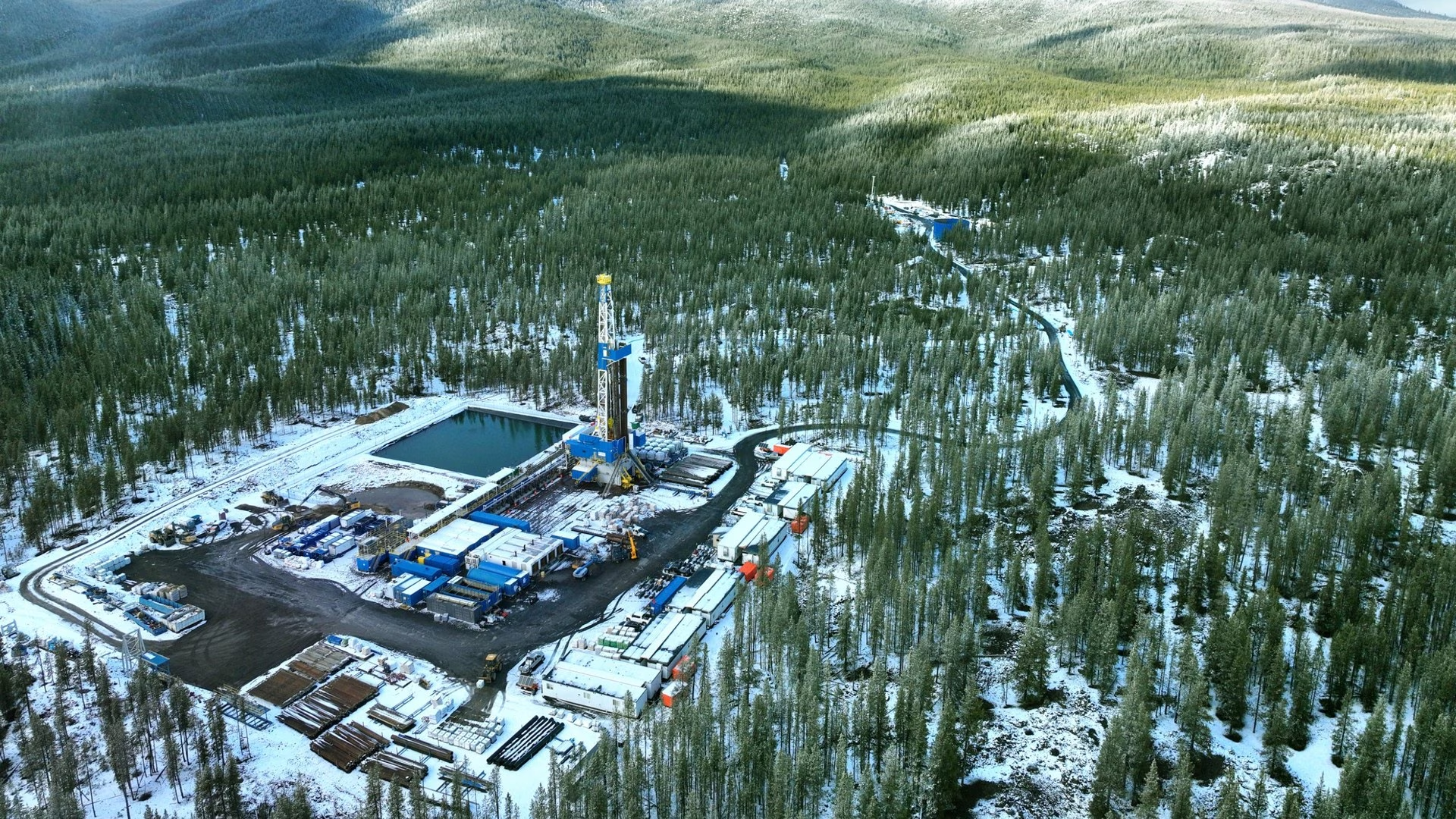
谷歌将从 Quaise Energy 在俄勒冈州中部的“黑曜石”项目购买 50 兆瓦“超热”地热电力。供电最早将于 2030 年开始。Quaise 周二宣布,这些电力将支持谷歌位于俄勒冈州达尔斯的现有数据中心。
Google will buy 50 megawatts of “superhot” geothermal power from Quaise Energy’s Project Obsidian in central Oregon. Deliveries start as early as 2030. The electricity will support Google’s existing data centres in The Dalles, Oregon, Quaise announced on Tuesday.
据《华尔街日报》的 Benoît Morenne 报道,这笔交易价值超过 5 亿美元。Quaise 告诉该报,该项目成本约为 3.5 亿美元。
The deal is worth more than $500m, Benoît Morenne reported for the Wall Street Journal. Quaise told the newspaper the project will cost about $350m.
Quaise 首席执行官 Carlos Araque 对《华尔街日报》表示:“这基本上是谷歌在天平上按下了砝码,表示‘好吧,我们看好这个。我们喜欢这个项目的样子’。”
“It is Google basically putting their thumb on the scale and saying, ‘Okay, we like this. We like what this looks like,’” Quaise CEO Carlos Araque told the WSJ.
微波钻探 Quaise 表示,传统地热电厂利用天然热水储层,温度很少超过 200 摄氏度(400 华氏度)。其电厂旨在开采温度高得多的岩石。该公司称,这种岩石每口井可产生高达 10 倍的电力。
Drilling with microwaves Conventional geothermal plants tap natural hot-water reservoirs that rarely pass 200°C (400°F), Quaise said. Its plant aims for far hotter rock. That rock can produce up to 10 times more power per well, the company says.
《华尔街日报》报道,Quaise 将首先用常规工具钻探至约 4 公里深度,随后改用回旋管,发射毫米波汽化岩石,将井深推进至约 4.8 公里。注入井中的水将被加热,产生的蒸汽将驱动涡轮机发电。
Quaise will first drill to about 4km with conventional tools, the WSJ reported. It will then switch to a gyrotron, which fires millimetre waves that vaporise rock. That takes the well to about 4.8km. Water pumped into the wells will heat up, and the steam will drive the turbines.
Quaise 称,“黑曜石”将成为首座利用 300 摄氏度以上岩石发电的电厂。《华尔街日报》指出,该技术尚未在商业规模上得到验证。
Quaise says Obsidian will be the first plant to make electricity from rock above 300°C. It has not yet proven the technology at commercial scale, the WSJ noted.
Quaise 预计项目将创造 200 至 400 个建设期岗位,以及现场 50 个以上长期岗位。据 Quaise 的新闻稿显示,该公司 7 月融资 1.34 亿美元,8 月完成 B 轮融资共 1.8 亿美元,其中包括 Nabors Industries 投资的 3500 万美元。9 月,美国能源部选中“黑曜石”项目,给予高达 2500 万美元的支持。
Quaise expects 200 to 400 construction jobs and more than 50 permanent ones at the site. It raised $134m in July and closed its Series B at $180m in August, including $35m from Nabors Industries. In September, the US Department of Energy picked Obsidian for up to $25m in support, Quaise’s press releases show.
谷歌的寻电之路 谷歌正在寻找电力以运行新数据中心和 AI 业务。据《华尔街日报》报道,9 月,谷歌与 Fervo Energy 签署了一份 396 兆瓦的地热电力协议,还与建设核电和长时储能的公司合作。
Google’s hunt for power Google is looking for electricity to run new data centres and AI. In September, it signed a 396MW geothermal deal with Fervo Energy. It also works with companies building nuclear power and long-duration storage, the WSJ reported.
负责谷歌先进能源工作的 Lucia Tian 告诉《华尔街日报》,谷歌所需的电力规模要求它“培育这一生态系统”。
Lucia Tian, who leads Google’s advanced energy work, told the WSJ that the scale of power Google needs requires it to “foster that ecosystem”.
谷歌表示,公司承担其数据中心所用电力的全部费用。它还承担其扩张所需的电网升级费用,其位于俄勒冈州的三个园区使用的能源中有 83% 为无碳能源。
Google says it pays for all the power its data centres use. It also covers the grid upgrades its growth requires, and its three Oregon campuses run on 83% carbon-free energy.
本月初,美国选民在 41 项地方公投中有 40 项否决了数据中心项目。谷歌本月初宣布的首个怀俄明州数据中心将使用配备碳捕获技术的天然气供电。
Earlier this month, US voters rejected data centres in 40 of 41 local ballot measures. Google’s first Wyoming data centre, announced earlier this month, will run on gas with carbon capture.