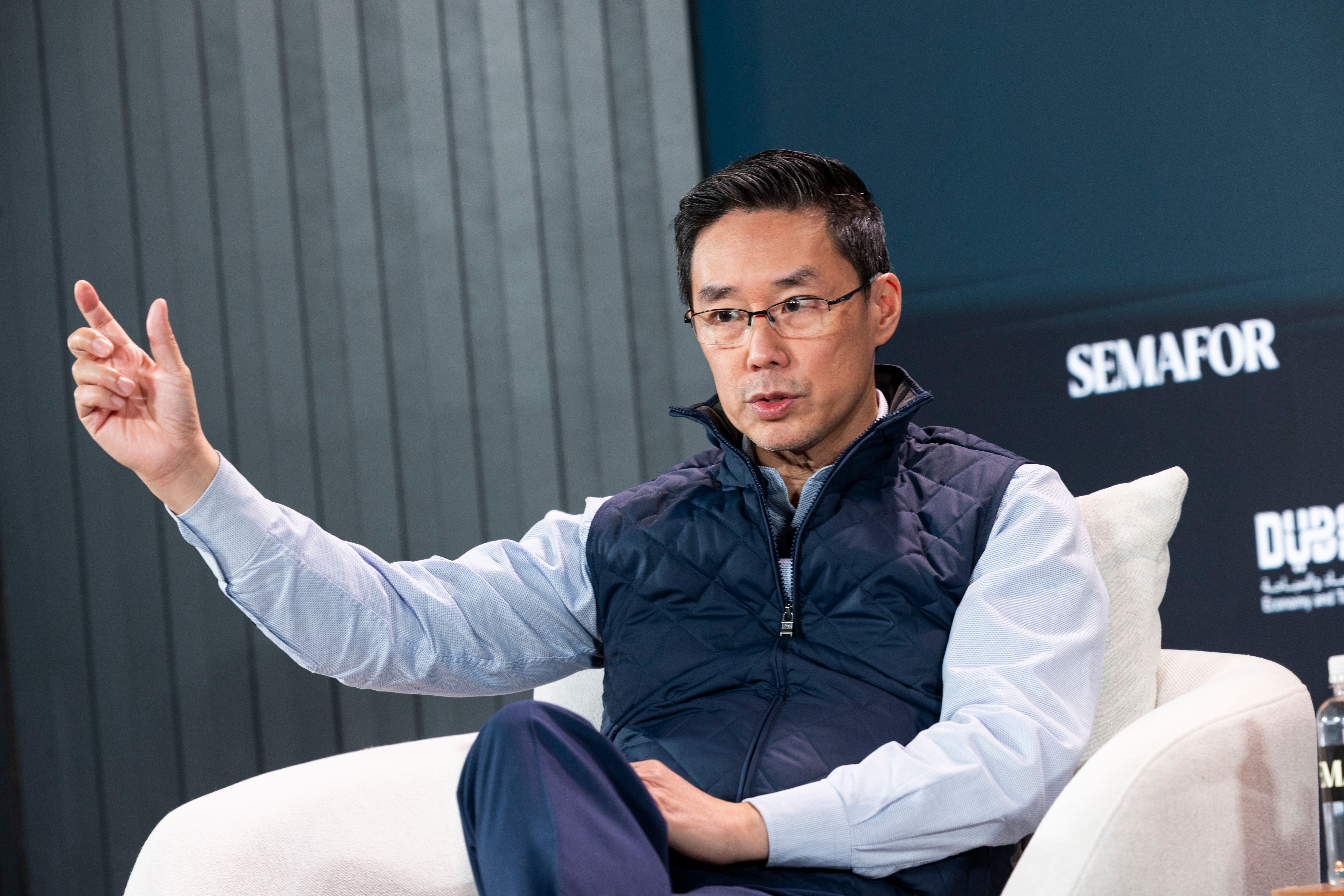
SambaNova首席执行官罗德里戈·梁周二在Semafor的“硅谷与世界”活动上表示,数据中心建设者必须适应人工智能反弹。
Data center builders must adapt to AI pushback, SambaNova CEO Rodrigo Liang said on Tuesday at Semafor’s Silicon Valley & The World.
梁表示,一种方法是重新利用现有数据中心。他告诉Semafor的莉兹·拉波特,这种做法“扰乱社区较少”。
One way to do that, Liang said, is to repurpose existing data centers. This approach “disrupts the communities less,” he told Semafor’s Liz Rappaport.
人工智能反弹已成为数据中心建设的一个强大障碍。选举日当天,美国41项数据中心发展相关投票议案中有40项被选民否决,一些新当选的民主党领导人已制定了通过数据中心暂停令的计划。
AI backlash has presented a formidable obstacle for the data center buildout. People voted to limit data center development in 40 out of 41 ballot measures across the US on Election Day, and some newly elected Democratic leaders have laid out plans to pass data-center moratoria.
现有数据中心通常比为人工智能建设的大型数据中心小得多,重新利用旧基础设施将要求行业在芯片上“更加节能”,梁表示。不过,他说,行业从现有资源中获得更多价值是件好事。
Existing data centers tend to be much smaller than the massive ones being built for AI, and repurposing old infrastructure will require the industry to be “much more energy efficient in the chips that we build,” Liang said. Still, he said it’s good for the industry to get more value out of what it has available now.
他说:“将数据中心分布到已有电力、已有基础设施、已有制冷并符合生态系统的现有环境中,这并不是一种坏的做法。”
“To distribute the data center into existing environments where power already exists, the infrastructure already exists, the cooling already exists and fits within the ecosystem — it’s not a bad way to do it,” he said.
计算资源对公司来说目前是一种宝贵资源。语音人工智能公司ElevenLabs首席执行官马蒂·斯塔尼谢夫斯基告诉拉波特,短期内出现“计算限制”是一种真实的可能性。
Compute is a precious resource for companies right now. Voice AI company ElevenLabs CEO Mati Staniszewski told Rappaport that “compute constraint” in the near term is a real possibility.