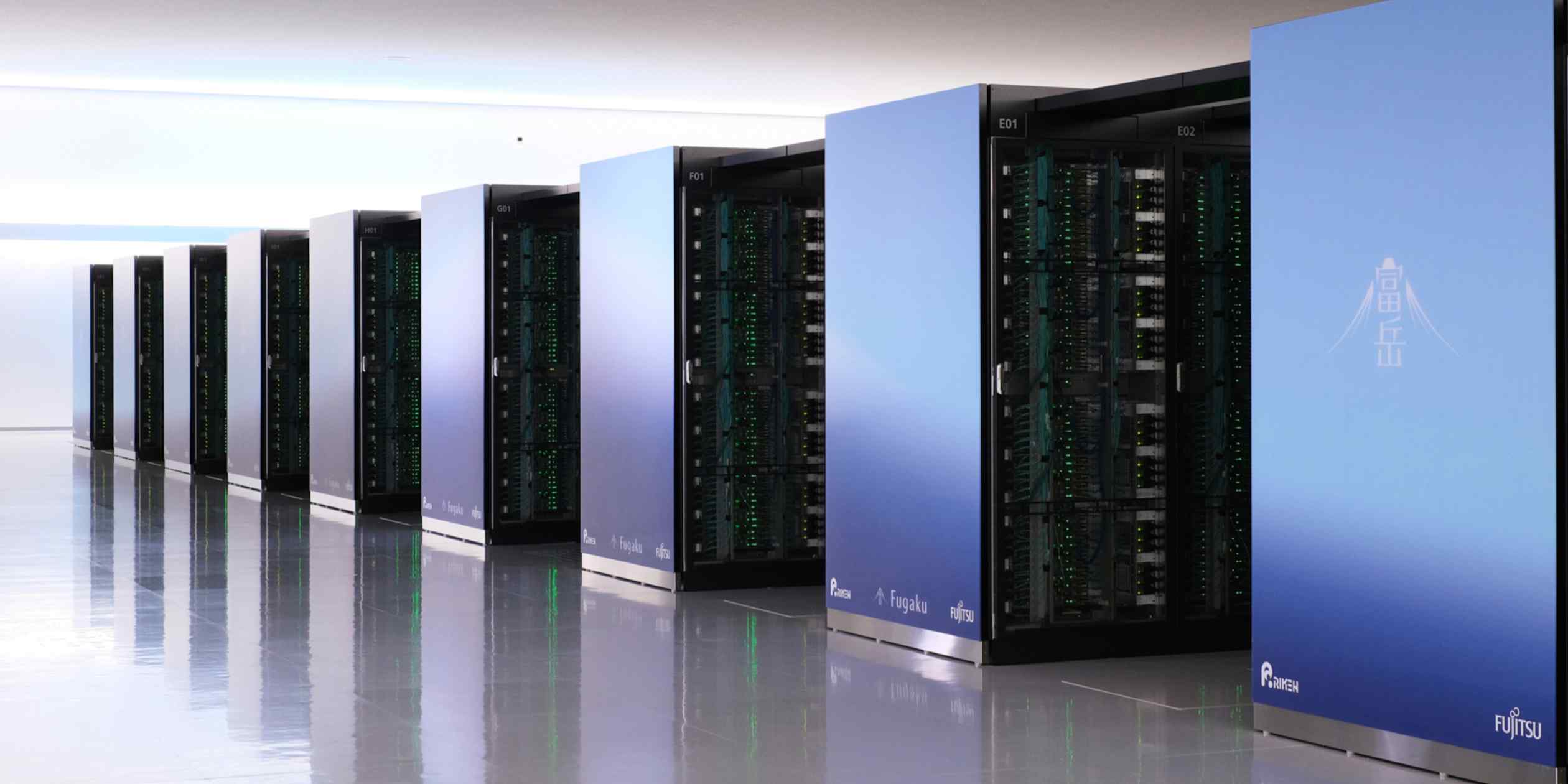
东京讯——日本超级计算机“富岳”发生的安全漏洞,暴露出那些可能因不太可能产生学术论文或专利而投入不足的防护措施中潜藏的被忽视的漏洞。
TOKYO -- A security breach of Japanese supercomputer Fugaku has exposed overlooked vulnerabilities lurking in places where protective measures may be underfunded, as they are unlikely to lead to academic papers or patents.
运营富岳的政府支持的研究机构理化研究所周一宣布,已检测到该计算机操作系统遭到未经授权的访问。理化研究所表示,多达4597人的个人信息,包括姓名、研究数据和系统访问的私钥,可能已被窃取。
Riken, the government-backed research institute that operates Fugaku, announced Monday that it had detected unauthorized access to the computer's operating system. Riken said personal information including names, research data and private keys for system access of up to 4,597 people may have been taken.
日本的科学技术预算有限。随着政府支持停滞不前,国立大学和理化研究所等机构一直在寻找通过与企业合作来争取外部资金的方法。
Japan has a limited budget for science and technology. As government support stagnates, national universities and institutions like Riken have been finding ways to secure external funding by collaborating with companies.
理化研究所一直致力于让外部研究人员更容易使用富岳,包括启用网络数据交换,但更高的可访问性也伴随着更高的网络攻击风险。
Riken has worked to make Fugaku easy for outside researchers to use, including enabling network data exchange, but greater accessibility comes with a higher risk of cyberattacks.
富岳2026财年的运营费用约为140亿日元(8780万美元)。其中约130亿日元用于水电费和其他运营成本。理化研究所表示,安全相关支出包含在运营成本中,但称安全支出规模“与水电费和其他费用相比较小”。“过去两三年来,我们一直在加强安全,包括改造信息系统,”日本文部科学省的一位高级官员表示。然而,该官员称,过去几个月来,网络威胁急剧升级,仅仅扩大现有措施已不再足够。该事件的影响正在扩散到其他研究机构。
Operating expenses for Fugaku in fiscal 2026 stand at roughly 14 billion yen ($87.8 million). Around 13 billion yen of that goes to utilities and other operating costs. Riken has said security-related expenditures are included in the operating costs, but called the scale of security spending "small in comparison to utilities and other expenses." "We have been bolstering security over the past two or three years, including revamping our information systems," said a senior official at Japan's Ministry of Education, Culture, Sports, Science and Technology. In the last few months, however, cyber threats have leveled up so dramatically that merely expanding on existing measures is no longer enough, according to the official. The impact of the incident is spreading to other research institutions.
“该领域的人们正在争相应对这一情况,”京都大学的一位发言人表示。
"People in the field are scrambling to respond to the situation," said a spokesperson for Kyoto University.
富岳泄露事件曝光的当天,该大学信息管理与通信研究所迅速决定实施多因素身份验证,以避免通过从富岳泄露的私钥,未经授权地访问该大学自身的超级计算机。
The same day the Fugaku breach came to light, the university's Institute for Information Management and Communication made a quick decision to implement multi-factor authentication to avoid potential unauthorized access to the university's own supercomputer through private keys leaked from Fugaku.
“关于在泄露发生后,旨在防止进一步损害的机制是否正常运作,我有所担忧,”横滨国立大学教授吉冈胜成表示,他指的是多台服务器被发现已遭入侵。“需要验证关键内部系统是否与面向互联网的系统分离,以及是否采取了适当的访问控制。”日本的科学能力和工业竞争力与大学、公共机构和企业的研究直接相关。像富岳这样的前沿研究运营涉及敏感的企业技术信息和未公开的研究成果。
"I have concerns about whether the mechanisms designed to prevent further damage after a breach happens were functioning properly," said Katsunari Yoshioka, professor at Yokohama National University, referring to the fact that multiple servers were found to have been compromised. "It needs to be verified that critical internal systems were separated from systems open to the internet, and that appropriate access controls were in place." Japan's scientific capabilities and industrial competitiveness are directly tied to research by universities, public institutions and companies. Cutting-edge research operations like Fugaku handle sensitive corporate technical information and unpublished research results.
近年来,与经济安全和竞争力相关的领域——如人工智能、量子技术和先进计算机芯片——的研究变得越来越重要。
Research in areas linked to economic security and competitiveness -- such as artificial intelligence, quantum technology and advanced computer chips -- has become increasingly important in recent years.
虽然未经授权的访问可能会扰乱研究,并带来可能损害竞争力的技术泄露风险,但对外部连接的过度限制又违背了共享设备的初衷。“在便利性与安全性之间找到平衡很重要,”吉冈说。
While unauthorized access could disrupt research and risks technology leaks that could hurt competitiveness, excessive restrictions on external connections defeat the purpose of sharing the equipment in the first place. "It's important to find a balance between convenience and security," Yoshioka said.