窃贼利用被盗身份非法申领学生经济援助。作者:Lucien Bruggeman、Mike Levine、Emily Gardner、Steve Osunsami 发布时间:2026-11-18T10:32:08Z联邦调查人员表示,他们正在扩大对所谓“幽灵学生”的广泛调查——这些数字窃贼窃取美国人的身份,并利用这些身份骗取政府的学生贷款和经济援助,让纳税人、身份盗窃受害者以及不知情的学校来承担后果。
Thieves are using stolen identities to illegally claim student financial aid. By Lucien Bruggeman, Mike Levine, Emily Gardner, Steve Osunsami Published: 2026-11-18T10:32:08Z Federal investigators say they are escalating their sprawling probe into so-called "ghost students" -- digital thieves who steal Americans' identities and use them to defraud the government out of student loans and financial aid, leaving taxpayers, the identity theft victims and unwitting schools to pick up the pieces.
司法部上个月宣布启动“捉鬼行动”,这是一项针对从学费援助项目中抽走数亿美元的犯罪团伙的全国性调查。但由联邦调查局(FBI)和美国教育部监察长办公室牵头的这项正在进行的调查的范围,现在正变得更加清晰。
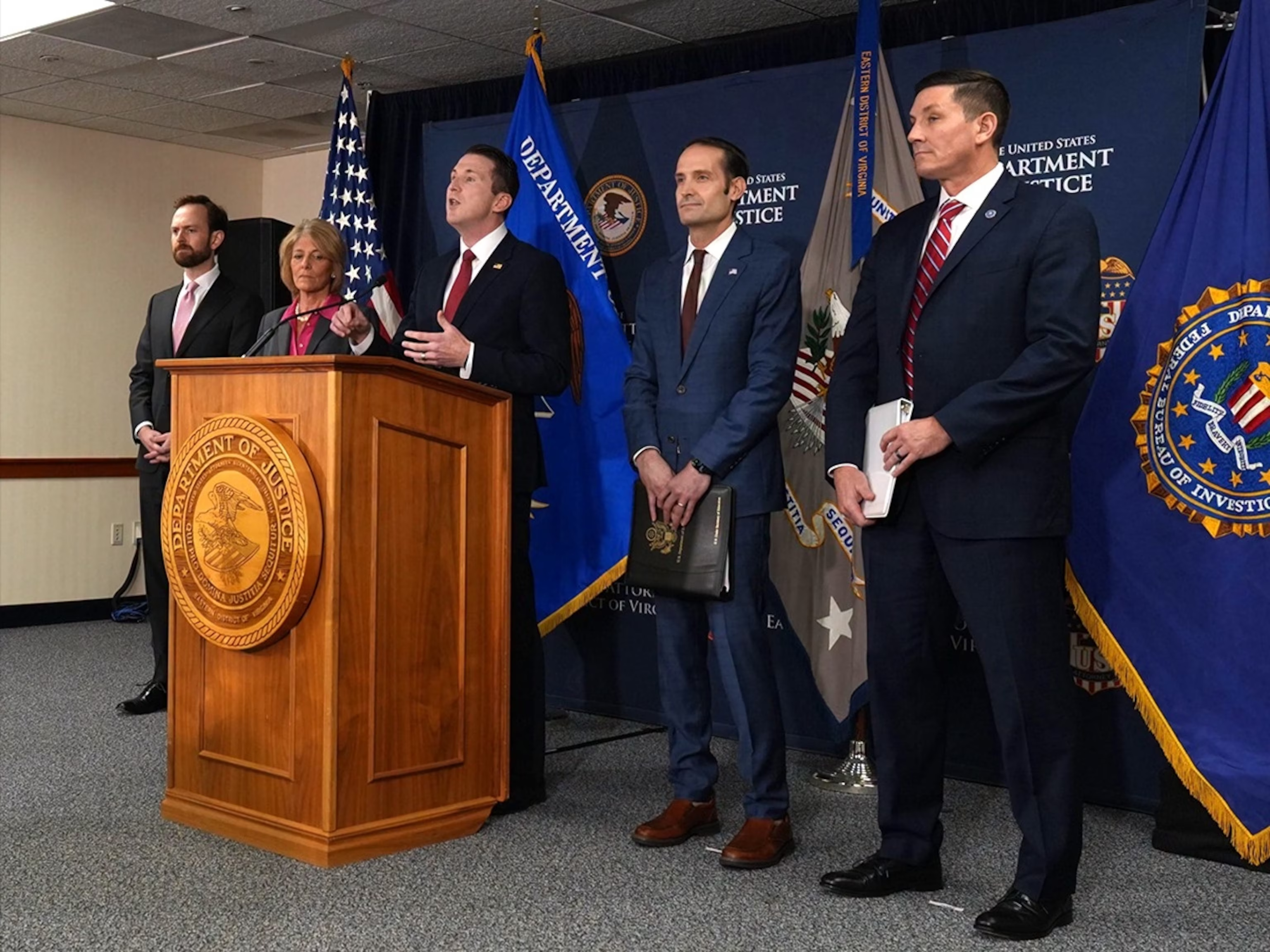
The Justice Department last month announced "Operation Ghostbusters," the nationwide probe into criminal rings siphoning hundreds of millions of dollars from tuition aid programs. But the scope of that ongoing investigation -- led by the FBI and U.S. Department of Education's inspector general -- is now coming into clearer focus.
FBI刑事调查部助理主任Heith Janke告诉ABC新闻,全美55个FBI地方分局中,近一半目前正在积极追查与“幽灵学生”相关的案件,FBI已掌握83万个欺诈性学生援助账户,涉及被盗金额超过1.3亿美元。
Heith Janke, the assistant director of the FBI's criminal division, told ABC News that almost half of the FBI's 55 field offices across the country are now actively pursuing cases associated with "ghost students," and the FBI is already aware of 830,000 fraudulent student aid accounts that have stolen more than $130 million.
Janke表示,FBI已针对该诈骗启动了47起独立调查,每起案件可能涉及多名嫌疑人。Janke承诺,这仅仅是开始。
The FBI has already launched 47 separate investigations tied to the scam, with each case potentially involving multiple suspects, Janke said. And, Janke pledged, it's just the beginning.
“在‘幽灵学生’问题上,我们才刚刚起步,”Janke说。“虽然我们在初期案件中取得了成功,但我们不会停手……我们将追踪资金流向,我们将找到它,并将追究他们的责任。”ABC新闻及ABC旗下电视台此前曾调查这一日益猖獗的诈骗,官员称其每年给联邦政府造成数亿美元损失,留下数量不详的受害者。
"We are just getting started when it comes to ghost students," Janke said. "While we've had the success in getting those initial cases, we are not stopping ... we will trace the money, we will find it, and we will seek accountability from them." ABC News and ABC-owned stations previously examined the growing scam, which officials say has cost the federal government hundreds of millions of dollars each year, leaving an untold number of victims in its wake.
上个月,司法部宣布了“幽灵行动”的首批指控,针对五名据称参与“幽灵学生”计划的个人。目前面临指控的其中一人是弗朗西斯·莫甘比,一名居住在内布拉斯加州林肯市的23岁肯尼亚公民,检方指控他协助窃取了威斯康星州、俄亥俄州、弗吉尼亚州和纽约州受害者的身份。
Last month, the Justice Department announced the first tranche of charges as part of "Operation Ghostbusters," targeting five individuals who allegedly participated in "ghost student" schemes. One of those now facing charges is Francis Mogambi, a 23-year-old Kenyan national living in Lincoln, Nebraska, who prosecutors allege helped steal the identities of victims in Wisconsin, Ohio, Virginia and New York.
莫甘比的指控受害者之一是托尼·赖斯,一名居住在威斯康星州贝洛伊特的33岁网络安全专业人士。
One of Mogambi's alleged victims was Tony Rice, a 33-year-old cybersecurity professional in Beloit, Wisconsin.
赖斯表示,他在2025年底首次意识到自己的身份被盗,当时内布拉斯加州的一名调查人员联系了他,带来了令人震惊的消息:国际罪犯窃取了他的身份并以他的名义注册入学。赖斯说,他后来得知,诈骗者以他的名义申请了约1万美元的学生贷款,导致赖斯面临偿还这笔钱或将贷款从其信用记录中移除的困境。
Rice said he first became aware that his identity had been stolen late in 2025, when an investigator in Nebraska contacted him with alarming news: International criminals had stolen his identity and enrolled him in college. Rice said he later learned that the fraudster had applied for about $10,000 in student loans, leaving Rice on the hook to either pay the money back or have the loans removed from his credit.

“我发现实际的学生贷款是……在12月开始的。我在1月才发现,”赖斯告诉美国广播公司新闻。“到了2月,贷款没人还,对吧?所以这会立即影响我的信用。”根据法庭记录,是莫甘比在林肯的室友在今年4月将他举报给当局,此前莫甘比据称试图招募室友加入“幽灵学生”计划。
"I found out that the actual student loan was started ... in December. I find out in January," Rice told ABC News. "Well, by February, it's not getting paid, right? So that's going to impact my credit immediately." According to court records, it was Mogambi's own roommate in Lincoln who turned him in to authorities this past April, after Mogambi allegedly tried to recruit him to join the "ghost student" scheme.
据称,莫甘比告诉室友,他正在与肯尼亚的两兄弟合作,在注册入学并从学校收到支票后,莫甘比将高达70%的非法所得汇回给那两兄弟。
Mogambi allegedly told the roommate that he was working with two brothers in Kenya, and that after enrolling in schools and receiving checks from those schools, Mogambi then sent as much as 70% of the illicit proceeds back to the brothers.
持多样性签证合法居留美国、并担任护理助理的莫甘比已提出无罪抗辩。代表他的律师未回复置评请求。
Mogambi, who was legally in the U.S. on a diversity visa and was working as a nursing assistant, has pleaded not guilty. An attorney representing him did not reply to a request for comment.
扬克认为,“幽灵学生”对美国纳税人来说是一大祸害。他表示,这些骗局尤其恶劣,因为它们主要利用的是旨在扩大高等教育入学机会的体系,包括社区学院的入学。
"Ghost Students" are a scourge on American taxpayers, according to Janke, who said the schemes are particularly depraved because they largely take advantage of systems meant to increase access to higher education, including enrollment at community colleges.
“我们国家的伟大之处在于人们能够接受高等教育,无论是大学还是社区学院,”扬克说,“而这些骗子正是利用这一点,把它当作从美国人身上骗取更多钱财的手段,这才令人震惊。”
"What is great about our country is the ability for people to get a secondary education, whether that is a university or a community college," Janke said. "And the fact that these fraudsters prey upon that and use that as a means to make additional fraudulent monies off Americans is when it's appalling."
美国各地的立法者也已开始采取措施,遏制这一日益猖獗的骗局。今年5月,明尼苏达州议会通过了一项高等教育拨款法案,该州称这项法案将“在2027财年向明尼苏达州立大学系统提供300万美元,用于购买软件,以发现和防止涉及所谓‘幽灵学生’的欺诈行为”。在华盛顿特区,《不给幽灵学生提供资助法案》于6月在众议院获得通过,但尚未在参议院通过。该法案将要求学校在发放学生资助之前实施严格的核实要求。
Lawmakers around the country have also started to take steps to mitigate this growing scheme. In May, the Minnesota legislature passed a higher education funding bill that it says would "provide $3 million in Fiscal Year 2027 to Minnesota State for software to detect and prevent fraud involving so-called 'ghost students.'" In Washington, D.C., the No Aid for Ghost Students bill passed the House of Representatives in June but has not yet passed the Senate. The law would require schools to implement strict verification requirements before student aid is disseminated.