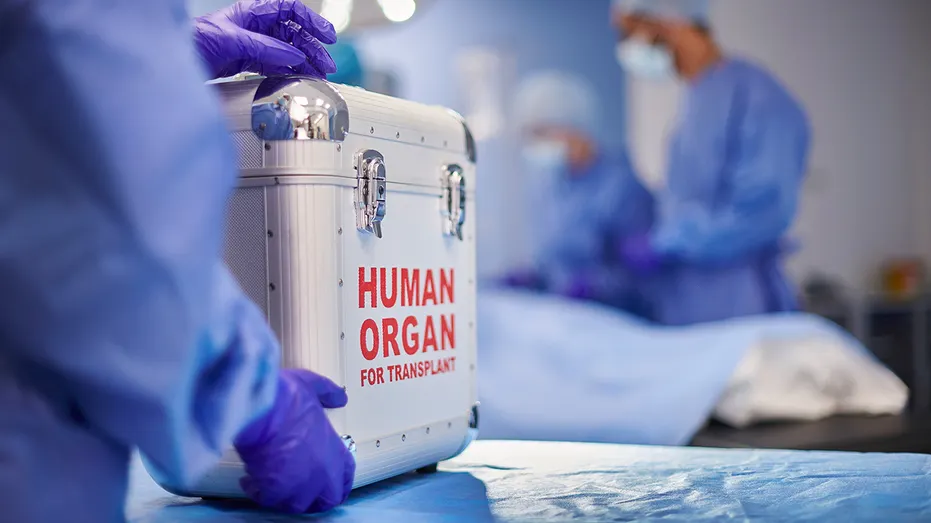
新的器官捐赠指南已于11月18日生效,更新了部分捐赠者的程序。
New organ donation guidelines have taken effect as of Nov. 18, updating procedures for some donors.
美国卫生与公众服务部(HHS)下属的卫生资源和服务管理局(HRSA)此前在一份新闻稿中宣布了该政策更新,此前器官获取和移植网络于8月批准了这些变更。
The Health Resources and Services Administration (HRSA), a branch of the the U.S. Department of Health and Human Services (HHS), previously announced the policy update in a press release after the changes were approved by the Organ Procurement and Transplantation Network in August.
新指南适用于循环死亡后捐赠(DCD),即在心脏和肺停止功能后获取器官。这不同于脑死亡后捐赠,后者是基于脑功能不可逆丧失而宣布捐赠者死亡。
The new guidelines apply to donation after circulatory death (DCD), in which organs are recovered after the heart and lungs stop functioning. This differs from donation after brain death, when the donor is declared dead based on the irreversible loss of brain function.
变更内容包括一项正式程序,允许在出现患者安全担忧时暂停捐赠。家属、医疗提供者以及参与该过程的其他人员必须被告知他们可以请求暂停,以及如何提出请求。
The changes include a formal process to pause donation if patient safety concerns arise. Families, medical providers and other people involved in the process must be told they can request a pause and how to do so.
还将增加处理和报告非计划性暂停的程序,以及更详细的神经学评估记录。
Procedures will also be added for handling and reporting unplanned pauses, along with more detailed records of neurological assessments.
此外,将设定最低五分钟的等待期,在循环停止后、器官获取开始前执行。
Additionally, a minimum five-minute waiting period will be put in place after circulation stops and before organ recovery begins.
虽然这些变更旨在加强患者保障措施并改善与家属的沟通,但罗切斯特大学生物伦理学家莱尼·罗斯博士对美国国家公共电台(NPR)表示,允许器官获取团队在家属决定是否撤除维持生命治疗之前接触他们,可能会让家属感到受到压力,或对医生的动机产生不信任。
While the changes are intended to strengthen patient safeguards and improve communication with families, University of Rochester bioethicist Dr. Lainie Ross told NPR that allowing organ procurement teams to approach families before they decide whether to withdraw life-sustaining care could leave them feeling pressured or distrustful of doctors’ motives.
在公开意见中,美国移植学会表示,支持在任何阶段尊重暂停捐赠过程的请求。
In public comments, the American Society of Transplantation said it supports honoring requests to pause the donation process at any point.
此前曾有报道称器官获取在确认死亡前就已开始,这引发了对捐赠过程保障措施的质疑。HRSA移植部主任雷蒙德·林奇博士对福克斯新闻数字版表示,在新指南管辖的流程下,这种情况“不会发生”。
Previous cases in which organ recovery was reportedly begun before confirmation of death have raised questions about safeguards in the donation process. HRSA Division of Transplantation Director Dr. Raymond Lynch told Fox News Digital that "does not happen" under the process governed by the new guidelines.
林奇对福克斯新闻数字频道表示:“这些政策出台的目的,是确保我们确实维护这一决定的庄严性,并确保手术的技术环节……不会给患者带来任何风险。”
"The point of these policies that were put into place is to make sure that we do preserve the sanctity of that decision and make sure that the technical parts of the operation ... pose no risk to the patient," Lynch told Fox News Digital.
这位HRSA主任表示,这些新指南提升了“美国各地已经提供的护理的安全性、质量和一致性”。据林奇介绍,器官捐献在过去十年间发生了变化。历史上,大多数捐献者被宣布为“脑死亡”,这意味着在做出决定时他们已经“在法律上死亡”。
The HRSA director said these new guidelines improve the "safety, quality and consistency of care that's already being delivered across the United States." Organ donation has changed just within the last decade, according to Lynch. Historically, most donors were declared as "brain dead," meaning they were "legally deceased" at the time the decision was made.
“现在,我们面对的是[循环死亡后捐献],这意味着这个人并非脑死亡,但伤势非常严重,”他说。“医疗团队和家属已经做出决定,要改变治疗目标,让这个人获得自然、有尊严的死亡。”“在这种情况下,他们去世后不久,器官就会通过外科手术被取出。”该指南并未改变患者医疗团队或器官获取组织(OPO)的角色。OPO是协调器官捐献与获取的机构。据林奇介绍,指南只是对何时进行与捐献相关的讨论和程序设定了更明确的预期。
"Now, we're dealing with [DCD], which means that it's an individual who's not brain-dead, but they're very severely injured," he said. "The medical team and the family have come to the decision that they're going to change the goals of care and let that person have a natural, compassionate death." "In that setting, shortly after they pass away, their organs are removed through a surgical procedure." The guidelines do not change the roles of the patient’s healthcare team or the organ procurement organization (OPO), the group that coordinates organ donation and recovery. Rather, they set clearer expectations for when donation-related discussions and procedures take place, according to Lynch. "Historically, it was very, very late in the patient's medical course before there could be a discussion of them being an organ donor," he said.
“从历史上看,关于患者成为器官捐献者的讨论,往往要到患者病程非常非常晚的阶段才能进行,”他说。“这实际上会造成两种伤害。”其中一个担忧是,家属可能在还没有足够时间做出知情选择之前,就感到“被催促或被施压”去决定是否授权器官捐献。
"And that really has two kinds of harm." One concern was that families may have felt "rushed or pressured" to decide whether to authorize organ donation before they had enough time to make an informed choice. He said delays could deny patients "the chance to give the gift" of organ donation, as they intended when they signed up to be donors.

他说,拖延可能使患者失去“送出这份礼物”的机会,也就是他们在登记成为捐献者时所希望实现的器官捐献。据林奇介绍,另一种风险是信息传达和决定记录“不充分”。
The other risk was an "insufficient delivery" of information and recording of decisions, according to Lynch. He said the new guidelines bring more thorough conversations and clearer records of what information was shared with families, and when.
他表示,新指南带来了更彻底的沟通,以及关于向家属共享了何种信息、何时共享的更清晰记录。
These conversations are "happening in truly tragic circumstances," Lynch noted, as families and loved ones are feeling fear and grief.
林奇指出,这些对话“发生在真正悲剧性的境况中”,因为家属和亲友正处于恐惧和悲痛之中。
The HRSA aims to ensure that the quality and quantity of communication and medical care is "very high."

卫生资源和服务管理局旨在确保沟通和医疗护理的质量与数量“非常高”。
"All of this is about elevating this to the level of a medical specialty," he said.
他说:“所有这些都是为了将其提升到医学专科的水平。我们通过这些法规确保有一定程度的专业性和一致性,并确保人们亲友将得到的护理是……充满同情心且尊重人的。”纽约市急诊医学医生、福克斯新闻医学撰稿人斯蒂芬妮·威德默博士表示,家属应知悉“现在有了更清晰的保障措施”,包括五分钟的等待期以及暂停流程的机会。
"We're making sure through these regulations that there is a level of professionalism and consistency, and that the care people's loved ones are going to get is ... compassionate and respectful." Dr. Stephanie Widmer, New York City emergency medicine physician and Fox News medical contributor, said families should know that "there are now clearer safeguards," including the five-minute wait and the chance to pause the process.
她补充说,虽然器官捐献能挽救生命,但对捐献者的保护“必须始终放在首位”。
She added that while organ donation saves lives, protection of the donor "must always come first."
威德默告诉福克斯新闻数字频道:“我认为这些变化是改善患者安全、透明度和公众信任的积极一步。”她并未参与指南更新。“我担心的是,这些保障措施能否在各医院和器官获取组织中得到一致执行。”
"I think these changes are a positive step toward improving patient safety, transparency and public trust," Widmer, who was not involved in the guideline updates, told Fox News Digital. "My concern is whether these safeguards will be consistently enforced across hospitals and organ procurement organizations."
这位医生补充说,政策“只有在执行层面才有效”,额外的程序性要求不会“不必要地干涉患者的捐献意愿”。威德默表示,她希望看到针对独立神经学评估的更强国家标准,以及对器官获取实践的“更强有力监管”。
The doctor added that a policy is "only as effective as its implementation," and that additional procedural requirements don’t "unnecessarily interfere with a patient’s wishes to donate." Widmer said she'd like to see stronger national standards for independent neurological assessments and "greater oversight" of organ procurement practices.

“照顾患者的医疗团队应与器官获取过程保持完全独立,”她强调说。“家属也应得到清晰的解释,确切了解将会发生什么,包括用于保存器官的任何专门程序。”
CLICK HERE TO "The medical team caring for the patient should remain completely independent of the organ recovery process," she emphasized. "Families also deserve clear explanations of exactly what will happen, including any specialized procedures used to preserve organs."
“目标应始终是通过捐献挽救生命,而绝不以损害捐献者的护理、尊严或安全为代价。”
"The goal should always be to save lives through donation without ever compromising the care, dignity or safety of the donor."