谷歌正试图证明,人工智能不会取代艺术家。这家科技巨头在过去一年里推出了一套生成式 AI 音乐功能,其中包括 Flow Music —— 该工具是谷歌在 2 月收购初创公司 ProducerAI 时一并获得的 —— 它允许用户仅凭一条提示词创作歌曲,风格与 Suno 和 Udio 等 AI 音乐巨头相似。但谷歌向艺术家们的推介是:其技术也能像工具一样融入他们的创作流程,这与 Auto-Tune(自动调音)或 MIDI(乐器数字接口)并无二致。
Google is trying to prove that AI won’t replace artists. The tech giant has rolled out a suite of generative AI music features over the past year, including Flow Music — a tool it acquired in February when it bought the startup ProducerAI — which allows users to create songs from a single prompt, in the same style as AI music giants like Suno and Udio. But the company’s pitch to artists is that its technology can also act like a tool in their creative process, not unlike Auto-Tune or MIDI.
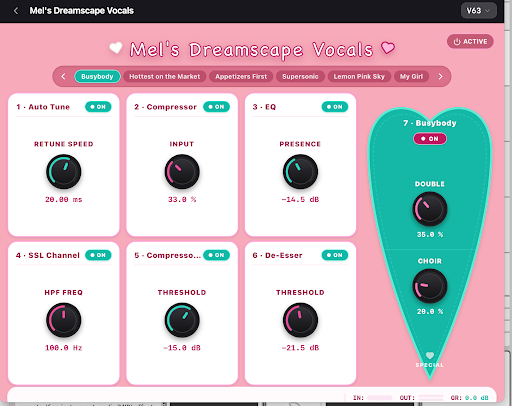
为了证明这一点,谷歌今年早些时候推出了 Flow Music Sessions,这是一个面向有意将该技术融入创作流程的艺术家的驻留计划。驻留艺术家在 Spaces 中工作,这是一个从 ProducerAI 继承而来的 Flow Music 功能,允许艺术家通过“氛围编程”构建自己的工具和插件。
To prove it, Google launched Flow Music Sessions earlier this year, an artist residency program for those curious about integrating the technology into their creative processes. Residents work in Spaces, a Flow Music feature carried over from ProducerAI that allows artists to vibe code their own tools and plugins.
艺术与人工智能的融合让一些艺术家感到不安,自 2022 年 ChatGPT 推出以来便是如此。但谷歌长期以来一直从不同角度切入创作者经济。它主要通过为独立创作者提供平台,将 YouTube 打造成如今与有线电视抗衡的视频分享巨头。现在,它押注能用同样的方式赢得对 AI 持怀疑态度的艺术家:按他们的自己的条件。
The fusion of art with artificial intelligence makes some artists queasy, and it has since ChatGPT launched in 2022. But, Google has long found ways into the creator economy from different angles. It grew YouTube, today a juggernaut video-sharing site rivaling cable, largely by giving platforms to independent creators. Now, it’s betting that artists wary of AI can be won over in the same way: on their own terms.
对谷歌 Flow Music 驻留计划中的艺术家来说,这种区别很重要。“我从亲手创作事物中汲取创作灵感、能量和快乐,”声音设计师、Flow Music 驻留艺术家 Avanti Singh 告诉 Semafor。“我对仅靠提示词生成一整首歌不太感兴趣,因为对我来说最有趣的部分是写词、演唱和合作。”相反,计划中的艺术家通过“氛围编程”来强化创作流程,减少最繁琐的制作环节。
For artists in Google’s Flow Music residency, that distinction is important. “I draw creative fuel and energy and joy from making things myself,” Avanti Singh, a sound designer and resident at Flow Music, told Semafor. “I’m not particularly interested in prompting an entire song to be created because the most fun part for me is writing lyrics and singing and collaborating.”Instead, artists in the program vibe code to bolster the creative process, cutting down on the most tedious production steps.
驻留制作人 Mike Costanzo 在 Spaces 中构建了一个“完美底鼓”插件,他说这缩短了为歌曲寻找合适底鼓所需的时间。他选择流派,点击一个调性来调音,插件会完成其余工作。
Mike Costanzo, a producer in the residency, built a “perfect kick” plugin in Spaces that he says cuts down the time it takes to find an apt kick drum for a song. He picks a genre, taps a musical key to tune the drum, and the plugin handles the rest.
谷歌因其 AI 音乐生成技术而遭到抨击。一群独立音乐人和词曲作者于 3 月向法院起诉谷歌,指控这家科技巨头未经许可且未给予补偿,便利用 YouTube 上的受版权保护录音训练其音乐模型 Lyria 3。Google Flow 现运行在该模型的更新版本上。谷歌已提出驳回诉讼的动辩,辩称上传至 YouTube 的音乐在接受平台服务条款时,已被广泛授权用于 AI 训练。
Google has come under fire for its AI music generation. A group of independent musicians and songwriters filed a lawsuit against Google in March, alleging the tech giant trained its music model Lyria 3 on copyrighted recordings from YouTube without permission or compensation. Google Flow now runs on newer versions of that model. Google has moved to dismiss the lawsuit, arguing that music uploaded to YouTube is already broadly licensed for AI training in accepting the platform’s terms of service.