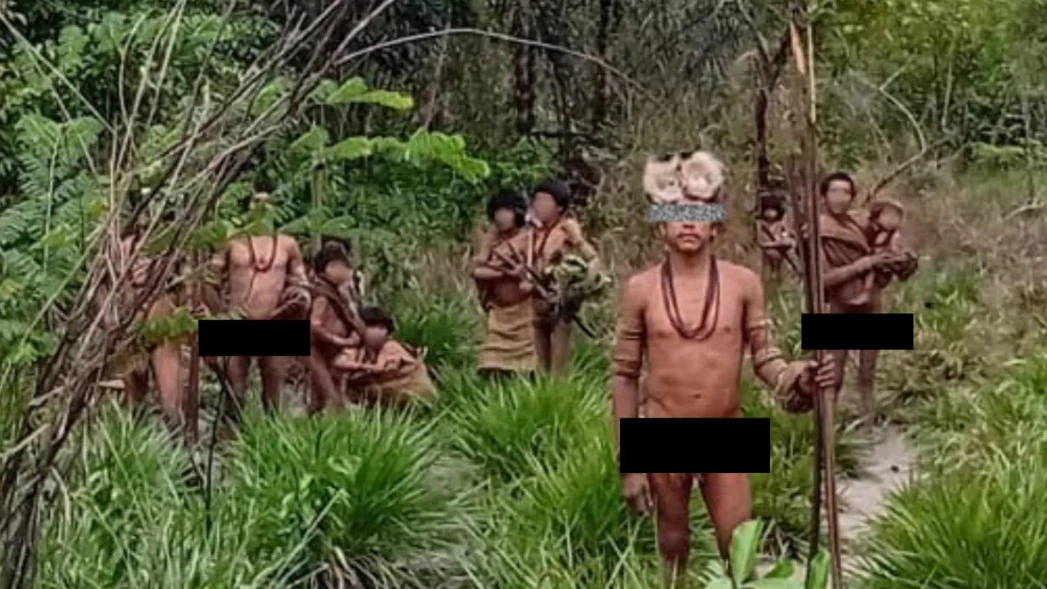
巴西亚马逊雨林发生一次不同寻常的遭遇,引发外界对处于隔离状态的阿瓦(Awa)原住民处境的担忧。这个部落数十年来一直避免与外界接触,周一约有20名成员走近一个政府工作小组,请求食物——倡导者表示,这种互动可能反映出他们森林家园面临的压力日益加大。阿瓦人属于图皮-瓜拉尼(Tupi-Guarani)语系,生活在马拉尼昂州西北部,其中部分人继续保持自愿隔离的生活方式。
An unusual encounter in Brazil's Amazon rainforest has raised alarm over the plight of the isolated Awa Indigenous people. Around 20 members of the tribe, which has avoided contact with outsiders for decades, approached a government team and asked for food – an interaction that advocates say may reflect the growing pressure on their forest home. The Awa are a Tupi-Guarani people in northwestern Maranhao, some of whom continue to live in voluntary isolation.
总部位于英国的原住民权利组织“国际生存”(Survival International)周二分享了周一在巴西东北部马拉尼昂州发生的这次遭遇的珍贵影像。该组织将其描述为“历史性遭遇”,并表示阿瓦人寻求食物可能是因为外来者进入了他们的领地。路透社引述该组织的话说,非法伐木者、猎人、矿工和牧场主越来越多地侵入该社区的土地,导致他们拥有的雨林面积不断缩小。据当地原住民领袖称,邻近的瓜贾贾拉(Guajajara)社区成员给了阿瓦人食物,据报是山药,阿瓦人将食物带回了森林。
Rare footage of the Monday encounter in the northeastern Brazilian state of Maranhao was shared on Tuesday by Survival International, a UK-based Indigenous rights organisation. Describing it as a "historic encounter", the group said the Awa may have sought food because outsiders have been entering their territory. Illegal loggers, hunters, miners and ranchers have increasingly encroached on the community's land, leaving it with an ever-smaller patch of rainforest, Reuters cited the organisation as saying. Members of the neighbouring Guajajara community gave the Awa food, reportedly yams, which they carried back into the forest, according to local Indigenous leaders.
巴西原住民事务局(Funai)表示,正在审查社交媒体上流传的显示隔离状态的阿瓦人在阿拉里博亚(Arariboia)原住民领地与一个村庄互动的视频和描述。该机构已启动应急预案,以尽量降低接触带来的健康风险。Funai 强调,政府并不寻求与该社区接触,其政策依然坚持不接触原则。
Brazil's Indigenous affairs agency Funai said it was reviewing videos and accounts circulating on social media that showed isolated Awa people interacting with a village in the Arariboia Indigenous Land. It has activated a contingency plan to minimise health risks in the event of contact. Funai stressed that the government was not seeking contact with the community and that its policy remained one of non-contact.
国际生存组织表示,应“亚马逊守护者”(Guardians of the Amazon)的要求发布了这段影像,“亚马逊守护者”是一个反对非法伐木和养牛业的原住民组织。
Survival International said it released the footage at the request of the Guardians of the Amazon, an Indigenous group campaigning against illegal logging and cattle ranching.
路透社无法独立核实这段视频的拍摄地点或日期,也未发现周二之前网上出现过更早的版本。国际生存组织负责人卡罗琳·皮尔斯说:“与世隔绝的阿瓦人正承受着极大压力,入侵者从他们领地的四面八方逼近,把他们逼进亚马逊雨林中一块越来越小的孤岛,四周尽是破坏。”该组织已在南美洲、亚洲和太平洋地区的10个国家识别出196个与世隔绝的原住民群体。
Reuters could not independently verify the location or date of the footage and found no older versions posted online before Tuesday." The uncontacted Awa are under extreme pressure as intruders encroach from all sides of their territory, driving them into an ever-smaller island of the Amazon rainforest, surrounded by destruction," Survival International director Caroline Pearce said. The organisation has identified 196 uncontacted Indigenous groups across 10 countries in South America, Asia and the Pacific.
该组织称,其中近95%生活在亚马逊地区,包括巴西的124个。原住民组织COAPIMA呼吁谨慎处理这次接触,警告称未经计划的接触可能使孤立社区面临疾病和其他威胁。阿瓦部落的意义阿瓦人是巴西最后的狩猎采集社群之一,传统上依靠森林,通过狩猎和采集获取食物。一些群体过着游牧生活,以小型家庭群体为单位在雨林中迁徙。
Almost 95 per cent are in the Amazon, including 124 in Brazil, it said. Indigenous organisation COAPIMA called for careful handling of the encounter, warning that unplanned contact could expose isolated communities to diseases and other threats.SIGNIFICANCE OF AWA TRIBEThe Awa is among the last hunter-gatherer communities in the country, traditionally relying on the forest for food through hunting and gathering. Some groups lead a nomadic life, moving through the rainforest in small family groups.
生活在与世隔绝状态中的阿瓦人确切人口不得而知。巴西“巴西原住民”数据库2020年记录到马拉尼昂州约有520名阿瓦人,但这一数字包括已与外界建立接触的人。仍有数量不明的人继续生活在自愿隔离之中。这个社群与世隔绝的历史与其生存斗争密切相关。从19世纪起,殖民扩张、暴力以及森林土地的丧失迫使许多阿瓦人放弃定居点,转而过上游牧生活。
The exact population of the Awa living in isolation is not known. Brazil's Indigenous Peoples in Brazil database recorded around 520 Awa in Maranhao in 2020, but this figure includes those who have established contact with the outside world. An unknown number continues to live in voluntary isolation. The community's history of isolation is closely linked to its struggle for survival. From the 19th century onwards, colonial expansion, violence and the loss of forest land forced many Aw to abandon settlements and adopt a nomadic lifestyle.
在随后的几十年里,伐木、采矿、牧场经营和森林砍伐进一步威胁他们的传统领地。对阿瓦人来说,索要食物让人们难得一窥这个社群所面临的压力——他们的森林避难所正日益受到威胁。- 完
In the decades that followed, logging, mining, ranching and deforestation further threatened their traditional territory. For the Awa, the request for food has offered a rare glimpse of the pressures facing a community whose forest refuge is increasingly under threat.- Ends