美国脑机接口公司Science Corporation周二在博客文章中表示,已在D轮融资中筹集4亿美元。自2021年成立以来,该公司累计融资已超过9亿美元。
Science Corporation, a US brain-computer interface company, has raised $400m in a Series D round, it said in a blog post on Tuesday. The company has now raised more than $900m since it was founded in 2021.
投资方包括Khosla Ventures、Tenet Healthcare、Y Combinator、885 Capital、PLC Neurotech和Ackman Oxman Institute等。Science未公布领投方,也未披露估值。
Investors include Khosla Ventures, Tenet Healthcare, Y Combinator, 885 Capital, PLC Neurotech and the Ackman Oxman Institute, among others. Science did not name a lead investor or disclose its valuation.
此轮融资距离Science完成2.3亿美元C轮融资过去八个月。TechCrunch当时报道称,该轮融资对公司的估值为15亿美元。
The round comes eight months after Science raised a $230m Series C, which TechCrunch reportedvalued the company at $1.5bn.
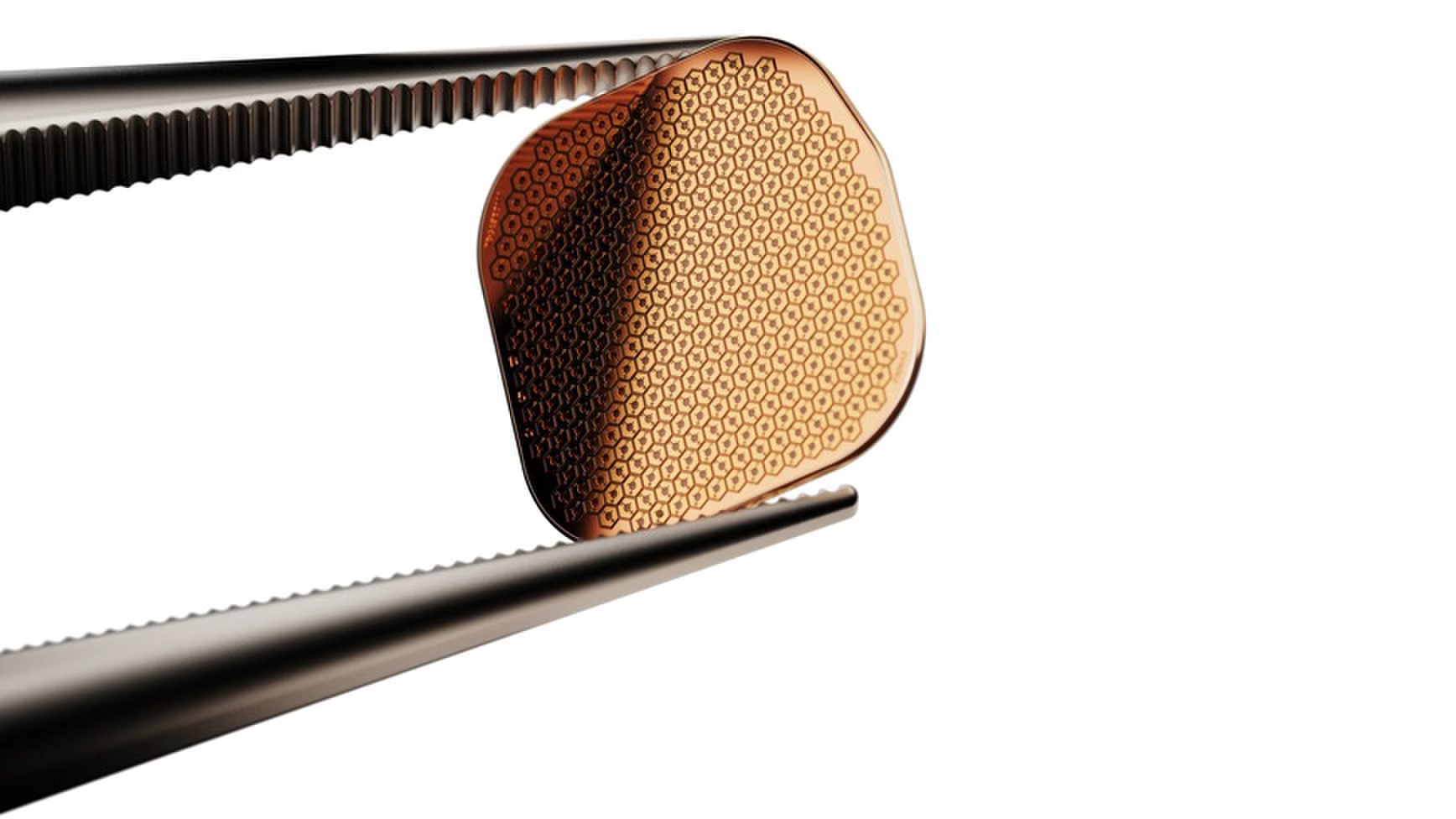
Science由Neuralink联合创始人、前总裁马克斯·霍达克领导。公司的主要产品是PRIMA,这是一枚植入视网膜下方的微型芯片,与一副带摄像头的眼镜配合使用。该产品面向因地图样萎缩而丧失中心视力的人群。地图样萎缩是干性年龄相关性黄斑变性的晚期阶段。
Science is led by Max Hodak, a co-founder and former president of Neuralink. Its main product is PRIMA, a tiny chip implanted under the retina that works with a pair of camera glasses. It is designed for people who have lost central vision to geographic atrophy, a late stage of dry age-related macular degeneration.
PRIMA于7月获得CE认证,可在30个欧洲国家销售。公司称,这是首个获得CE认证、能够恢复形状视觉的脑机接口。形状视觉指辨认字母、数字和单词的能力。
PRIMA won a CE mark in July, allowing sales in 30 European countries. The company says it is the first brain-computer interface with a CE mark to restore form vision, meaning the ability to read letters, numbers and words.
Science表示,将用新资金在更多欧洲地区推广PRIMA,同时为在美国上市做准备,计划通过人道主义器械豁免途径寻求FDA批准。该途径适用于治疗小规模患者群体的器械。
Science said it will use the new money to make PRIMA available across more of Europe. It will also prepare for a US launch, seeking FDA approval through the Humanitarian Device Exemption route, a pathway for devices that treat small patient groups.
此外,这笔资金还将用于研究、制造以及公司的生物混合脑接口项目。该项目利用实验室培养的神经元将电子设备与大脑连接起来。
In addition, the funds will go towards research, manufacturing and the company’s biohybrid brain interface. That project uses lab-grown neurons to link electronics with the brain.