
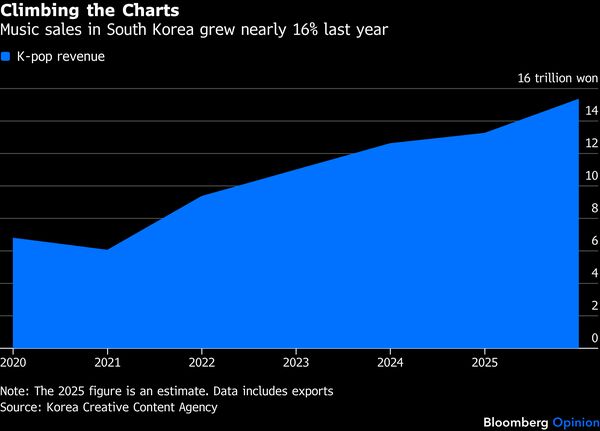
发布时间:2026-11-19T03:01:28+08:00 韩国在过去三十年里将其音乐产业打造成为一个价值115亿美元的全球现象。如今,政府必须采取行动,确保支撑K-pop成功的年轻明星受到可强制执行的法律保护,而不仅仅是自愿性的行业准则。
Published: 2026-11-19T03:01:28+08:00 South Korea has spent the past three decades turning its music industry into a $11.5 billion global phenomenon. Now the government must take action to ensure that the young stars who underpin the success of K-pop are protected by enforceable laws — not just voluntary industry guidelines.
韩国广播公司SBS周日报道,文化体育观光部计划明年首次对未成年表演者的福利状况进行全面调查。这是一项迟来的举措,旨在审视现有的儿童保护法规是否充分。此次宣布源于《纽约时报》本月发表的一篇报道,指控当红女子组合NewJeans的五名成员在未成年时签署的“异常严苛”合同,未能保障她们充足的睡眠时间和上学权利等基本权利。
Korean broadcaster SBS reported on Sunday that the Ministry of Culture, Sports and Tourism plans to conduct its first full survey into the welfare of underage performers next year. It’s a long-overdue step toward examining whether existing child-protection regulations are adequate. The announcement was sparked by a New York Times report published this month, alleging that “unusually restrictive” contracts signed by the five members of chart-topping girl group NewJeans when they were minors failed to safeguard their basic rights, including sufficient time to sleep and attend school.
娱乐公司Hybe株式会社——开发NewJeans的唱片公司Ador的母公司——在一封电子邮件中表示,成员们的权利通过《纽约时报》报道未提及的补充协议得到了保障。情况或许如此,但监管机构不应将这些指控视为孤立事件,而必须审视整个行业的工作条件。前练习生早就对成为K-pop偶像的艰辛历程发声。9月的一个议会论坛凸显了关于不安全的合租住房和极端节食的投诉。政府的目标应是确保年仅12岁的儿童——其中大多数永远无法成名——在追梦过程中不受虐待。
Entertainment group Hybe Co. — the parent of Ador, the record label that developed NewJeans — said in an email that band members’ rights were guaranteed through supplementary agreements not cited in the Times story. That may be the case, but rather than treating the allegations as an isolated incident, regulators must examine working conditions across the entire industry. Former trainees have long spoken out about the grueling journey to becoming K-pop idols. A parliamentary forum in September highlighted complaints about unsafe shared housing and extreme dieting. The goal for the government should be to ensure that children as young as 12, most of whom will never taste stardom, aren’t mistreated as they pursue their dreams.
这种审查已有先例。2009年,在29岁女演员张紫妍自杀引发公愤后,韩国反垄断监管机构为演艺人员推出了标准合同。她留下一封信,声称自己曾被经纪公司胁迫陪酒并与数十名男子发生性关系。两名与她经纪公司有关联的男子因相关轻微罪行被定罪,但未获刑。这份合同模板后来针对媒体行业的不同角色进行了调整,甚至包括职业电子游戏玩家,并试图遏制过度漫长的合约期限等剥削性做法。这些合同随后经过多次修订,以加强对未成年人的保护。
There is precedent for such scrutiny. The country’s antitrust watchdog introduced a standard contract for entertainers in 2009 following an outcry over the suicide of actress Jang Ja-yeon, 29. She left a letter claiming that she had been coerced by her management to serve drinks and sleep with dozens of men. Two men linked to her agency were convicted of related minor offenses but got no jail time. The contract template was later adapted for different roles in the media industry, even professional video-game players, and sought to curb exploitative practices such as excessively long commitments. The contracts were subsequently amended several times to bolster protections for minors.
但标准合同仍然是自愿性的,这可能把与经纪公司谈判的责任推给年轻表演者及其家庭。政府不应等到调查结束才把这些示范合同变成具有法律约束力、并对违规行为设有处罚的义务。韩国已有法律限制年轻表演者的工作时间,并保障他们受教育权和休息权,但问题往往在于执法不力。挑战在于确保这些保护措施真正有牙齿。
But the standard agreements remain voluntary, potentially putting the onus on young performers and their families to negotiate with management companies. The government shouldn't wait for its investigation to conclude before turning these model contracts into legally binding obligations backed by penalties for violations. South Korea already has laws limiting young performers' working hours and guaranteeing their right to education and rest, but the problem is often weak enforcement. The challenge is to ensure that these protections have real teeth.
这种监管在一个行业尤为重要,因为该行业的成功依赖于密集的训练计划,而训练通常在表演者正式出道之前很久就已开始。Hybe帮助防弹少年团成为世界上最著名的K-pop组合,该组合为2013年出道准备了多年,部分成员在十几岁早期就进入了练习生体系。Katseye是由Hybe与环球音乐集团旗下的Interscope Geffen A&M Records共同组建的全球女团,在两年前出道前曾在洛杉矶接受过较短的训练。
Such oversight is especially important in a genre whose success rests on an intensive training program that usually begins well before performers officially start their careers. BTS, which Hybe helped turn into the world's most famous K-pop group, spent years preparing for its 2013 launch, with some members entering the trainee system in their early teens. Katseye, a global girl group formed by Hybe and Interscope Geffen A&M Records, a division of Universal Music Group NV, underwent a shorter training program in Los Angeles before making its debut two years ago.
毫无疑问,登上排行榜需要有抱负的表演者投入巨大的时间和精力——以及培训机构提供的资金支持。双方都没有回报的保证。但对行业对年轻艺人待遇的审视不应被误认为是对整个体系的攻击。
There is no question that topping the charts requires an enormous investment of time and effort from aspiring performers — plus financial backing from the agencies training them. Neither side is guaranteed a return. But scrutiny of the industry’s treatment of young entertainers shouldn’t be mistaken for an attack on the system itself.
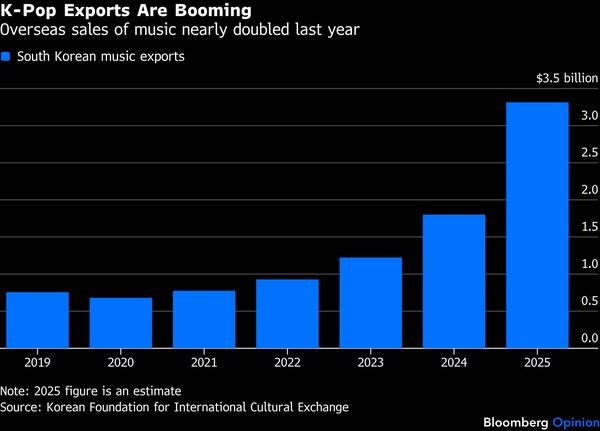
K‑pop在国际上的日益流行意味着唱片公司应当承担更大的问责。保护儿童权利并不是在向亚洲的训练方式或工作伦理强加西方价值观,而是要维护无论明星生活或工作在何处都应适用的标准。
K-pop’s growing popularity internationally means record labels should expect greater accountability. Protecting children's rights isn't a matter of imposing Western values on Asian training methods or work ethic, it's about upholding standards that should apply regardless of where rising stars live or work.
首尔可以借鉴好莱坞的做法。加州针对未成年表演者的法律限制工作时长、要求接受教育,并将其收入的一部分存入受保护的账户。该州持续更新这些保障措施,并在去年将金融保护扩展至年轻的社交媒体影响者。规则并非万无一失,但已帮助提升未成年艺人的法律保护。
Seoul could take a leaf from Hollywood. In California, laws applying to child performers limit working hours, require schooling and set aside part of their earnings in protected accounts. The state has continued updating these safeguards and extended financial protections to young social-media influencers last year. The rules aren’t foolproof, but they have helped improve legal protections for underage entertainers.
更强的防护措施对商业也有利。一个依赖招募和培养新兴人才的行业应当拥有充分的动机来保护这些人才。目标不是拆除造就K‑pop成为全球强大力量的体系,而是确保它公平对待使该流派全球野心得以实现的新一代。
Stronger guardrails are also good for business. An industry that depends on recruiting and developing emerging talent should have every incentive to protect them. The goal isn’t to dismantle the system that made K-pop such a massive worldwide force, but to ensure it treats fairly the new generation that makes it possible for the genre's global ambitions to succeed.