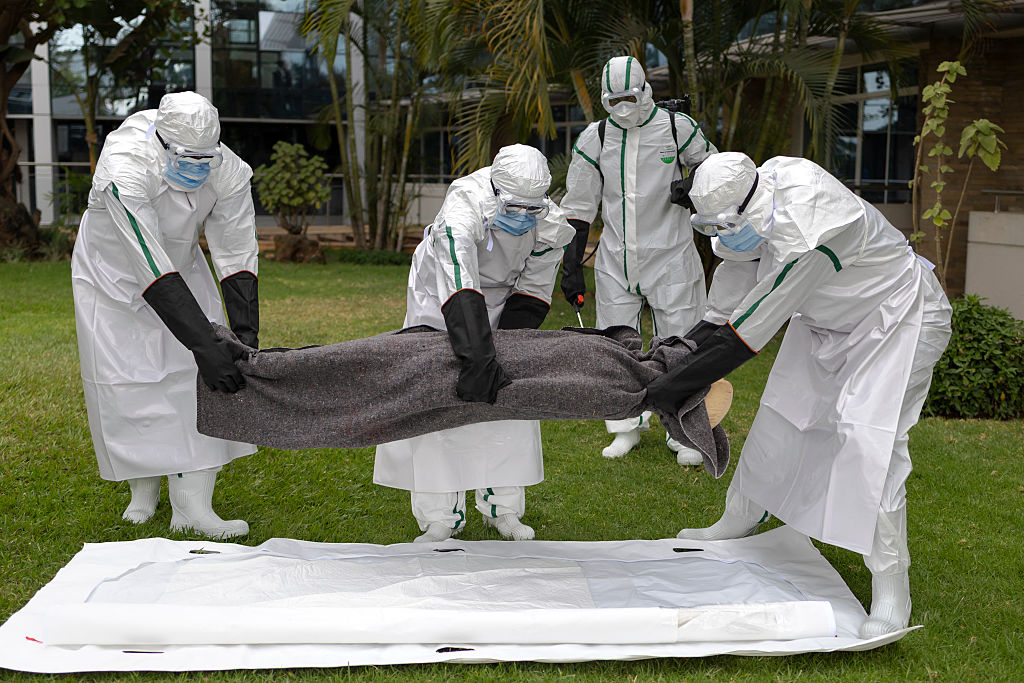
截至11月19日,源自刚果民主共和国(DRC)的埃博拉疫情已造成确诊病例超过11,700例、死亡超过5,700例,成为该国历史上规模最大、致死人数最多的埃博拉疫情,也是全球第二致命的埃博拉疫情。
The Ebola outbreak that originated in the Democratic Republic of Congo (DRC) has surpassed 11,700 confirmed cases and 5,700 deaths as of Nov. 19, making it the largest and deadliest Ebola outbreak in the country’s history and the second-deadliest worldwide.
常驻刚果布尼亚的国际救援委员会埃博拉应对主任凯蒂·托马斯-坎菲尔德告诉《时代周刊》,这场疫情的致命传播速度是由多个汇聚因素共同决定的。
Katie Thomas-Canfield, who is based in Bunia, Congo, and serves as the Ebola response director for the International Rescue Committee, tells TIME that this outbreak’s deadly pace is informed by numerous converging factors.
“其中既有‘完美风暴’般的因素,也有当下这一特定时刻的一些非常具体的因素,共同导致了疫情的快速演变,”托马斯-坎菲尔德说。
“There's some element of it that is a perfect storm, and there's some very specific elements of this moment in time that have contributed to the fast evolution,” Thomas-Canfield says.
最新一轮疫情仅用163天就突破了10,000例大关——比2014-2016年西非疫情(全球最致命的埃博拉疫情)早了51天。随着病例蔓延至刚果境外,疫情丝毫没有放缓迹象。刚果境外,乌干达报告20例确诊病例和2例死亡,肯尼亚报告9例确诊病例和2例死亡,尼日利亚报告1例确诊病例。法国于6月确诊1例,患者为一名从刚果执行人道主义援助任务返国的医生。11月,一名在刚果检测呈阳性的英国医生被送往伦敦治疗,现已康复。
The latest outbreak crossed the 10,000-case mark in just 163 days—51 days sooner than the West Africa epidemic in 2014-2016, which was the world’s deadliest Ebola outbreak. It shows no signs of slowing as cases spread beyond Congo. Beyond Congo, Uganda has reported 20 confirmed cases and two deaths, Kenya nine cases and two deaths, and Nigeria one case. France confirmed a case in June in a doctor returning from a humanitarian aid mission in Congo. In November, a British doctor who tested positive in Congo was flown to London for treatment and has since recovered.
托马斯-坎菲尔德和其他专家认为,检测滞后、正在传播的特定病毒株,以及受影响社区对医疗服务提供者的不信任,都在阻碍应对工作——并指出接下来需要采取什么行动。
Thomas-Canfield and other experts argue that delayed detection, the specific strain of the virus being spread, and mistrust within the affected communities toward health care providers are all hampering the response—and suggest what needs to happen next.
检测滞后 专家告诉《时代周刊》,这场疫情传播如此之快、如此难以遏制,有几个原因。
Delayed detection Experts tell TIME that there are several reasons why this outbreak has spread so quickly and resisted containment.
据国际医疗队(International Medical Corps)高级健康顾问阿卜杜·塞布希谢(Abdou Sebushishe)医生称,主要原因之一是发现较晚。他说,疫情爆发与被发现之间存在巨大的时间差。根据美国疾病控制与预防中心(CDC)的估计,疫情始于2月中旬至下旬,比世界卫生组织(WHO)在5月中旬发现并宣布进入紧急状态早了两到三个月。
A main contributor was late detection, according to Dr. Abdou Sebushishe, a senior health adviser with the nonprofit International Medical Corps. There was a large gap between when the outbreak started and when it was discovered, he says. According to the U.S. Centers for Disease Control and Prevention (CDC), it’s estimated that the outbreak began in mid- to late-February, two to three months before the outbreak was detected and declared an emergency by the World Health Organization (WHO) in mid-May.
塞布希谢说:“情况相当严重,因为我们现在无法接触到首例病例的所有[密切接触者]。所有这些人都在不同地点大量流动,且由于接触受限,并非所有[密切接触者]都能被找到,这也是导致本次疫情规模扩大的因素之一。”专家将这一监测缺口与2025年全球各国削减人道主义援助联系在一起。
“It’s quite serious because we now don't have access to all the [contacts] of the first case,” Sebushishe says. “All those people have moved a lot in different locations, and with limited access, not all the [contacts] can be reached, and that is one of the factors, as well, that has contributed to this outbreak to be bigger.”Experts have linked this gap in surveillance to humanitarian cuts from countries around the globe in 2025.
例如,特朗普政府于2025年拆除了美国国际开发署(USAID),导致对外人道主义和发展工作产生连锁影响。在2014年西非埃博拉疫情期间,美国国际开发署是协调美国政府国际应对行动的牵头联邦机构。
For example, the Trump Administration dismantled the U.S. Agency for International Development (USAID) in 2025, which led to cascading impacts on humanitarian and development efforts abroad. During the 2014 West Africa epidemic, USAID was the lead federal agency coordinating the international U.S. government response.
但托马斯-坎菲尔德(Thomas-Canfield)表示,人道主义援助的削减并未止步于美国国际开发署。
But Thomas-Canfield says that the stripping of humanitarian aid has not stopped with USAID cuts.
她说:“英国削减了援助,德国削减了援助,其他地方也削减了援助,这共同削弱了我们全球监测和识别潜在新生物医学危害的能力——以及足够早地做出反应,从而真正防止其大规模蔓延。”
“There were the cuts in the U.K., the cuts in Germany, the cuts elsewhere, and that has collectively undermined our global capacity to both surveil [and] identify potential new biomedical hazards that are emerging—and to respond early enough to be able to actually prevent their scale,” she says.
面对当前疫情的严重性,许多国家已增加资金投入以应对危机——托马斯-坎菲尔德表示这有帮助,但无法改变这样一个事实:在疫情增长的最初几个月里,医护人员不足,无法阻止大流行的发生。
Many countries, in the face of the current outbreak’s severity, have increased their funding to combat the crisis—something Thomas-Canfield says is helpful, but does not change the fact that there were not enough health care workers to stop the pandemic before it grew in those initial months.
“我们看到,合作伙伴在当地的存在程度不如以往,许多必要的风险教育社区关系未能建立,且社区中缺乏长期的存在感和可见度,”她说。“同样,你也会看到社区监测工作的削弱,而这项工作在历史上对于早早及时发出警报至关重要。” 一种棘手的病毒株和频繁的人口流动 遏制疫情蔓延面临特殊挑战,因为此次疫情由埃博拉邦迪布焦株驱动,这是一种罕见变体,目前尚无获批疫苗或针对性抗病毒治疗手段——尽管疫苗试验正在开发中。
“We saw that partners were not present to the same extent that they used to be present in these areas, and a lot of the risk-education community relationships that are required did not happen, and there was no long-term presence and visibility in communities,” she says. “Equally, you also saw an erosion of the community surveillance work that historically has been really important in raising alarms early and promptly.”A difficult strain of the virus and frequent population movement Containing the spread has been especially challenging because the outbreak is driven by the Bundibugyo strain of Ebola, a rare variant for which no approved vaccines or targeted antiviral treatments exist—though vaccine trials are currently being developed.
邦迪布焦株引起的症状各异,并不总能被立即识别为埃博拉。它不像更常见的扎伊尔株那样,倾向于引起人们联想到的“湿性”症状——包括孔道出血、呕吐和腹泻。这意味着在感染最早期,邦迪布焦株经常与其他常见热带疾病——如疟疾——混淆。
The Bundibugyo strain causes different symptoms that aren’t always immediately recognized as Ebola. It doesn’t tend to cause the “wet” symptoms that people associate with past outbreaks of the more common Zaire strain—including bleeding from orifices, vomiting, and diarrhea. This means that Bundibugyo is frequently confused with other common tropical illnesses—such as malaria—in the earliest stages of infection.
托马斯-坎菲尔德说:“我们看到的是,这些非常轻微、与该地区最流行的某些疾病极其相似的干性症状持续时间更长,直致死亡。因此,许多能让患者及时前往诊所接受治疗的明显迹象,并没有以同样的病例数量出现,这助长了错误信息。” 随着全国范围内人口高度流动——因地区冲突和城市化——且缺乏足够的监测机制来快速捕捉这些症状,医护人员正在全国范围内追踪不断移动的疫情热点。
“What we're seeing is a longer period of these dry symptoms that are very innocuous that do resemble very closely some of the diseases that are most endemic to this area, straight to mortality,” Thomas-Canfield says. “So a lot of the telltale signs that bring people to clinics in time to be able to receive treatment aren't there in quite the same case numbers, fueling misinformation.”With high population movement across the country—due to regional conflict and urbanization—and without adequate surveillance in place to catch these symptoms quickly, health care workers are chasing a moving target of hotspots across the country.
Thomas‑Canfield 表示,她的团队看到受影响的卫生区数量自 9 月 1 日以来从 60 增至至少 68。她在 11 月初接受《TIME》采访时透露,她刚刚听到关于新卫生区出现病例的传闻。
Thomas-Canfield says that her team has seen the number of health zones that were impacted jump from 60 to at least 68 since Sept. 1. When she spoke to TIME in early November, she shared that she had just heard a rumor about a case in a new health zone.
“我们一旦在某个地区控制住局面,就会出现新的地区,”她说,“而由于我们建立社区信任关系需要很长时间,这意味着我们的响应已经落后。”在建立信任方面的困难对医护人员的不信任是遏制疫情的长期问题。夏季,这种不信任导致针对医务人员的暴力事件,报告称暴徒攻击埋葬工作者和应急团队。
“As soon as we're getting it under control in one area, there are new areas that are cropping up,” she says, “and because of how long it takes us to establish the relationships for communities to trust us, that means we're already behind in the response.”Struggles in building trust Distrust of health care workers is a persistent issue in containing the outbreak. In the summer, that distrust fueled violence against medical workers, with reports of violent mobs attacking burial workers and response teams.
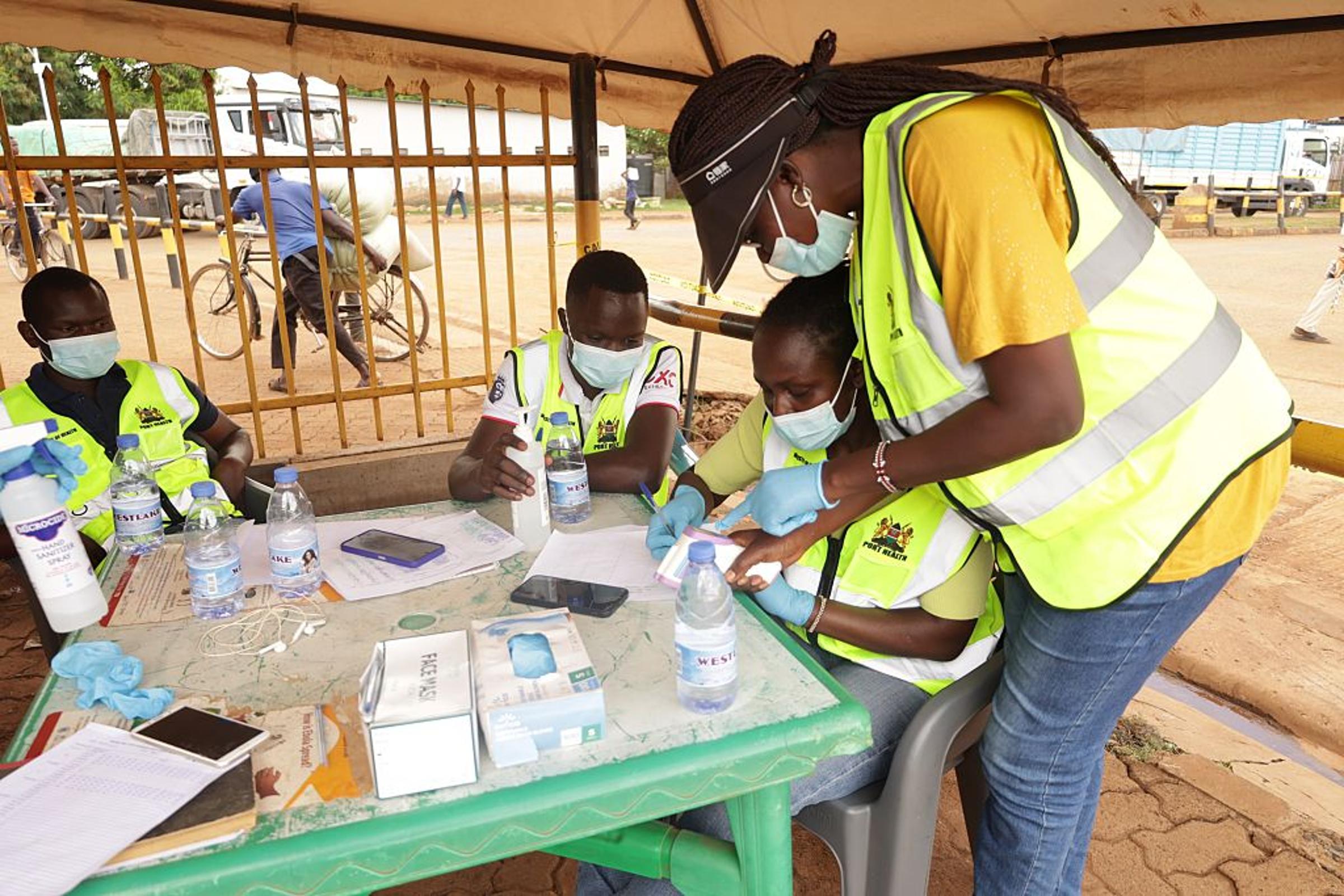
联合国数据显示,疫情爆发的前六个月内,医护人员遭受了 260 起攻击。这些攻击在秋季仍在继续。
Within the first six months of the outbreak, there were a reported 260 attacks on health workers, according to the U.N. Those attacks have continued into the fall.
“社区抵抗并不新鲜,”塞布希谢说。当信息难以及时传播,而疾病扩散迅速时,他说,“会产生大量关于隔离和应对本身的谣言。”正如《TIME》此前报道的,隔离病房的护理信息沟通不畅,使一些家庭认为亲人被不必要地分离。当安全埋葬规范与哀悼传统(如为亲人洗身、整理遗体)冲突时,也会出现抵抗。
“Community resistance is not new,” says Sebushishe. When information is hard to share as fast as the disease spreads, he says, “it creates a lot of rumors around the isolation, around the response itself.”As TIME previously reported, poor communication about care in isolation units left some families believing their loved ones were being separated unnecessarily. Resistance also arose when safe burial protocols conflicted with mourning traditions, such as washing and preparing the bodies of loved ones.
塞布希谢补充说,社区在看到埃博拉人道救援与日常医疗援助之间的差距时,往往会产生不信任。
Sebushishe adds that communities also are often distrustful when they see disparities in the humanitarian response to Ebola compared to their everyday medical aid.
“人们会说:‘我们长期与疟疾作斗争,却没有得到任何支持,’”他说。这种对医疗的抵触可能对医护人员构成危险,并助长疫情的蔓延。
“People say: ‘We have been dying with malaria for so long, and there is no support that we've received,’” he says. This pushback to healthcare can be dangerous for workers and contribute to escalating spread.
塞布希谢说:“社区的抵制导致更多人在家中、私人医疗机构或非正规护理中死亡,而由于没有足够的防控措施,这些地方又助长了疾病的传播。”
“Resistence of community causes more people to die at home or in private health facilities or informal care, and there they contribute the spread of the disease because there are no enough containment measures in place,” Sebushishe says.
袭击本身也可能助长疾病传播,因为目睹袭击的患者可能在仍有传染性时逃回自己的社区。
The attacks themselves can also contribute to the spread of disease, as patients who witness the attacks may flee back to their communities while they are still contagious.
需要改变什么。专家告诉《时代》周刊,各国可以采取一些行动来使疫情得到控制。其中之一是确保诊所拥有应对局部病例所需的设备和培训。
What needs to change Experts tell TIME that there are actions countries can take to get the outbreak under control. One is to ensure clinics have the equipment and training necessary to combat localized cases.
塞布希谢说,由于患者可能不会立即怀疑自己感染了埃博拉,绝大多数患者首先由初级和二级卫生保健诊所接诊。这些诊所应对疫情的能力非常有限。他说,加强这些一线诊所、强化其监测能力,并使其能够获得个人防护装备和其他预防措施,将有助于降低传播率。
Because patients may not immediately suspect that they have Ebola, the vast majority are first seen by primary and secondary health care clinics, Sebushishe says. These clinics have very limited capacity to address the outbreak. Reinforcing these front-line clinics, strengthening their surveillance capacity, and enabling access to personal protective equipment and other preventative measures will help to lower transmission rates, he says.
塞布希谢解释说:“这样就能在初级卫生保健层面发现大量病例,并及时转诊或隔离——这将阻止传播进一步扩大。”
“Then a lot of cases can be picked from primary health care level and be referred or isolated on time—that will cut the transmission from going further,” Sebushishe explains.
他还说,在伊图里实施过的那类社区参与措施需要在全刚果推广。疫情正是在伊图里开始暴发的,绝大多数累计确诊病例仍集中在那里。
He adds that the kinds of community-engagement measures that were implemented in Ituri—where the outbreak began in Congo and where the vast majority of cumulative confirmed cases remain—need to be implemented across the country.
他说:“需要开展基于社区的监测,并挨家挨户向社区提供大量信息——不仅要在伊图里、不仅要在北基伍,还要在人口在高风险疫区与非疫区之间频繁流动的地方开展。”
“Community-based surveillance and a lot of information to be provided door by door to the community needs to happen—not only in Ituri, not only in North Kivu, but in high-risk locations where population movement is frequent between those affected areas and the non-affected areas,” he says.
托马斯-坎菲尔德表示,这种社区参与至关重要,目的是确保医护人员获得民众的“认同与支持”,并确保应对团队能够消除社区的恐惧,开展有实效的互动。
This community engagement is essential, according to Thomas-Canfield, to ensure that health care workers get “buy in” from citizens, and make sure response teams are able to assuage fears from the community and have meaningful engagement.
托马斯-坎菲尔德补充说,要实现疫情遏制,另一个必须改变的因素是全球边境应对措施。
Thomas-Canfield adds that another factor must change in order for containment to occur: global border response.
她回忆道:“2014年,我们看到,总体而言,边境对美国保持开放,对欧洲也保持开放,这再次便利了首批响应人员和技术专家——特别是疾控中心的专家——前往西非。”她表示,鉴于这种病毒的“新颖性”,精通其遏制工作的专家寥寥无几,因此,让掌握相关知识的人员能够进入疫区、与当地专家合作至关重要。
“In 2014, we saw that, broadly, borders remained open with the U.S. They remained open with Europe, and that again facilitated first responders and technical expertise from the CDC, in particular, traveling to West Africa,” she recalls. Given how “novel” the virus is, she says there are not many experts in its containment, and the ability for those with the knowledge to access and work with local experts is paramount.
她指出,2026年,北美各国以及其他少数国家的边境已关闭。例如,来自美国的人道主义和援助工作者获准前往刚果,但返回却更为复杂。潜在入境者必须证明他们已离开刚果至少21天,才获准进入美国。
She notes that borders have shuttered across North America and in a handful of other nations in 2026. Humanitarian and aid workers from the United States, for example, are permitted to travel to Congo, but returning is more complicated. Potential travelers must show that they have been out of Congo for at least 21 days before they are permitted to enter the United States.
她指出,这是“巨大的劣势”,并援引世卫组织在埃博拉疫情期间反对关闭边境的建议。根据世卫组织的说法,边境关闭非但不能阻止人员流动,反而会将人员流动引向没有健康筛查的非正规路线,使得卫生官员追踪疫情变得更加困难。
“It's a massive disadvantage,” she says, pointing to the WHO’s advice against border closures during Ebola outbreaks. Rather than stop movement, border closings redirect movement into informal routes with no health screenings, making it even harder for health care officials to trace outbreaks, according to the WHO.
托马斯-坎菲尔德说:“关闭边境不是防止埃博拉传播的有效机制。这不符合科学依据。”
“Closure of borders is not an effective mechanism to prevent the spread of Ebola. That is not science-based,” Thomas-Canfield says.
虽然开放边境有助于疾病管理,但最迫切的需求是研发并推广一种对邦迪布焦毒株埃博拉病毒有效的疫苗。
While opening borders could help with disease management, what’s needed most is the development and dissemination of a vaccine that works against the Bundibugyo strain of Ebola.
牛津大学正在研发一种疫苗,目前正处于临床试验阶段。早期结果令人鼓舞,但它能否预防疾病——以及何时能广泛供应——仍不确定。
The University of Oxford is developing one, and it is currently undergoing clinical testing. Early results have been encouraging, but whether it can prevent disease—and when it could become widely available—remains uncertain.
与此同时,正在进行一项试验,以了解已获批用于扎伊尔株的 Ervebo 疫苓是否对邦迪布焦株有任何作用。
At the same time, there is a trial underway to learn if the Ervebo vaccine, which was approved for the Zaire strain, would have any impact on Bundibugyo.
托马斯-坎菲尔德表示:“疫苗是应对工作中巨大的希望所在”,同时也承认“试验完成、证据收集和疗效确认仍需一段时间”。即使疫苗问世,卫生工作者仍需争取社区支持,以确保人们愿意接种。托马斯-坎菲尔德说,布尼亚已经出现关于疫苗的谣言和错误信息。
“Vaccines are a huge draw for hope in the response,” Thomas-Canfield says, while acknowledging that “trial finalization, evidence, and confirmation of efficacy are still some time out.”Even when a vaccine becomes available, health workers will need to engender community support in order to ensure people will accept them. Thomas-Canfield says that there are already rumors circulating in Bunia with vaccine misinformation.
她说,和所有其他公共卫生措施一样,疫苗“只能像我们的社区关系和信任那样有效”。
Like all other public health measures, she says vaccines can “only be as effective as the strength of our community relationships and trust.”