本文最初发表于《耶鲁环境360》(Yale E360),是“气候桌面”(Climate Desk)合作项目的一部分。
This story originally appeared on Yale E360 and is part of the Climate Desk collaboration.
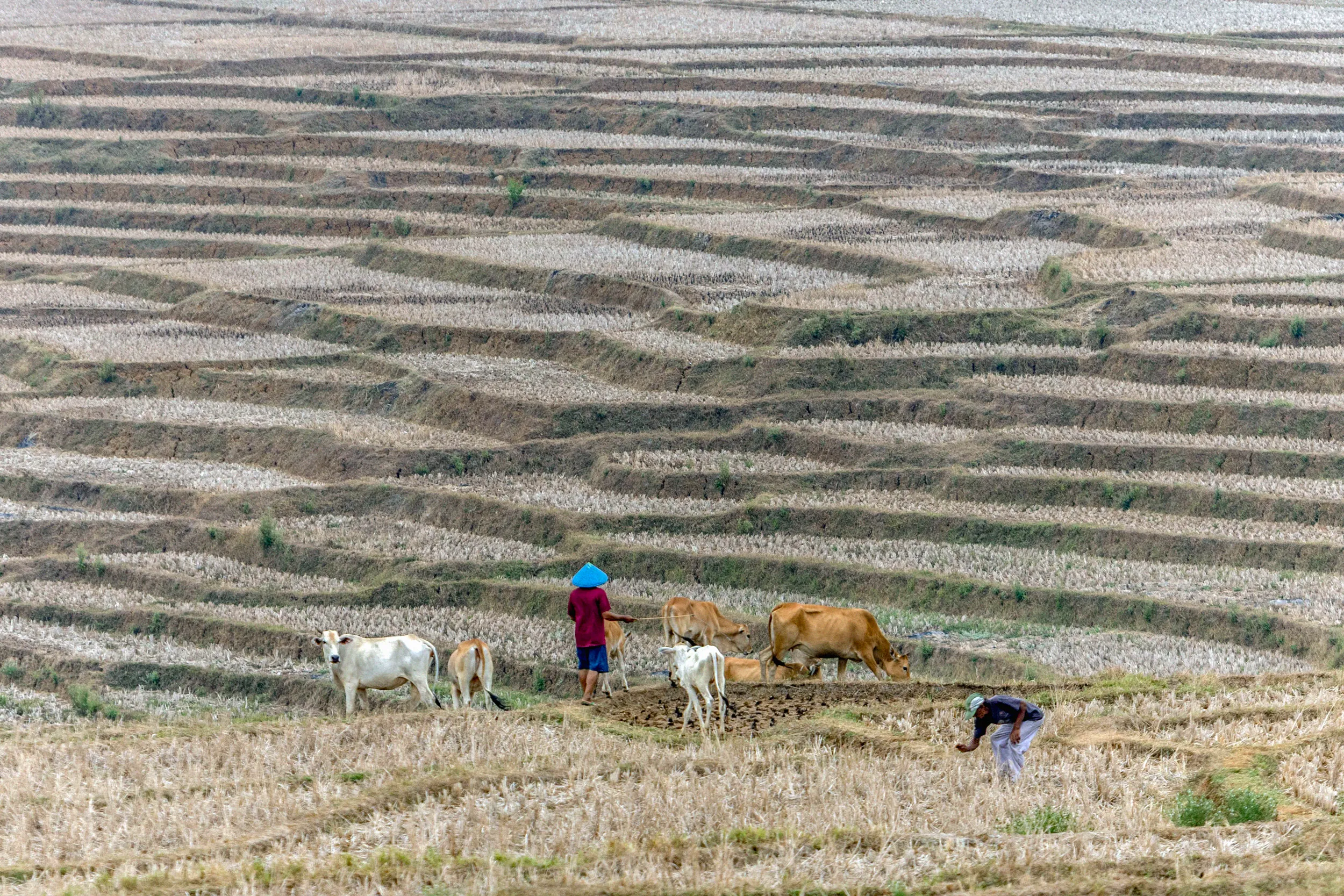
世界目前正处于一个超级厄尔尼诺现象的控制之下:这是这一自然气候现象的一个“哥斯拉级”版本,它已经使河流枯竭,扰乱了水产养殖,并用干旱压垮了庄稼。但关注粮食安全的全球组织警告称,更艰难的时期还在后头。
The world is now in the grip of a super El Niño: a Godzilla-sized version of a natural climate phenomenon that has already shriveled rivers, upended aquaculture, and flattened crops with drought. But the global organizations that keep an eye on food security are warning of even tougher times ahead.
厄尔尼诺现象的影响可能是深远且灾难性的。19世纪末,有记录以来最强的厄尔尼诺现象之一助长了亚洲、巴西和非洲的多年干旱,引发了全球性饥荒:约5000万人死亡,占当时全球人口的3%。值得庆幸的是,自那时以来,我们规划应对恶劣天气和在全球调运粮食的方式已大幅改善,各组织正努力在需要的地方提供救援。但恶劣天气对农作物的影响仍难以完全避免。2015年一次强厄尔尼诺现象来袭后,南部非洲的谷物产量比正常水平低20%;埃塞俄比亚部分地区的作物产量下降了90%。
The impacts of an El Niño can be far-reaching and catastrophic. In the late 19th century, one of the strongest El Niños on record helped to fuel multiyear droughts across Asia, Brazil, and Africa that spurred a global famine: Some 50 million people, or 3 percent of the global population, died. Thankfully, the ways we plan for bad weather and move food around the planet have improved massively since then, with organizations working hard to provide relief where it’s needed. But the impacts of bad weather on crops are still hard to avoid. After a strong El Niño hit in 2015, cereal yields across Southern Africa were 20 percent below normal; crop yields in parts of Ethiopia dropped by 90 percent.
按一种衡量标准,今年的厄尔尼诺现象强度已超过以往的记录保持者。而且它仍在增强。到该现象在初冬达到顶峰时,热带太平洋的海面变暖程度可能高于千年来的任何时候。8月,世界粮食计划署警告称,这次厄尔尼诺现象到2027年底可能会额外推动4900万人陷入急性粮食不安全状态,使总人数达到2.74亿。令人担忧的是,今年的这一事件发生之际,全球援助资金紧张,战争使得填补全球粮食体系的漏洞变得困难。
This year’s El Niño has already, by one measure, topped those previous record holders in strength. And it’s still growing. By the time the phenomenon peaks in early winter, sea-surface warming in the tropical Pacific could be higher than anything seen in a millennium. In August, the World Food Programme warned that this El Niño might push an additional 49 million people into acute food insecurity by the end of 2027, taking the total number to 274 million. Worryingly, this year’s event comes as global aid dollars are pinched and wars are making it hard to plug holes in global food systems.
伯克利地球气候学家齐克·豪斯法瑟(Zeke Hausfather)在密切关注这一局势的发展,他表示:“这是高昂的化肥成本、高昂的能源成本,再加上如今热带地区的大规模干旱,这三重打击交织在一起。这不是一个好消息。”厄尔尼诺现象是被称为厄尔尼诺-南方涛动这一自然气候循环的一个阶段,该循环对全球降雨模式有着巨大的影响。
“It’s a triple whammy of high fertilizer costs, high energy costs, and now massive droughts across the tropics,” says Berkeley Earth climatologist Zeke Hausfather, who is watching the situation unfold. “It’s not a great story.”El Niño is one phase of a natural climate pattern called the El Niño–Southern Oscillation, which has a dramatic impact on global rainfall patterns.
厄尔尼诺年份的特点是热带太平洋海水异常变暖,这会削弱该海域的风力,并改变全球气压升降的模式。其结果复杂多变,但往往会给包括亚马逊地区以及澳大利亚和非洲部分地区在内的部分热带地区带来干燥条件,并给佛罗里达州等其他地方带来降雨。这一涛动的另一面是拉尼娜现象,其特点是海洋温度较低以及不同的干湿模式。地球在这两种状态之间以数年为不规则的间隔进行摆动,有时其间会出现中性期。
El Niño years are marked by unusually warm waters in the tropical Pacific, which weaken winds across that patch and alter global patterns of rising and falling air pressure. The results are complicated and variable, but they tend to bring dry conditions to some tropical areas—including the Amazon and parts of Australia and Africa—and rain to other places, including Florida. The other side of the oscillation, La Niña, is marked by cooler ocean temperatures and a different pattern of wet and dry. The planet swings between the two in irregular intervals of years, sometimes with neutral periods in between.
该周期的两个阶段都会对农作物造成损害,不过一项备受瞩目的2014年研究发现,厄尔尼诺影响了全球更广泛的收获土地。虽然有些地方获得了更多水分,一些农作物长势良好,但在许多地方,干旱令产量枯萎。同一项研究发现,厄尔尼诺往往会使全球大豆产量提升最多5%,但会将玉米、水稻和小麦的产量压低最多4%。任何一个国家的数字都可能比这剧烈得多:例如,自1980年以来,在厄尔尼诺年份,南非的玉米产量平均比正常水平低约28%。
Both sides of this cycle can harm crops, though one prominent 2014 study found that El Niño affects a larger swath of the globe’s harvested land. While some places get more water, and some crops thrive, in many spots drought withers production. That same study found that an El Niño tends to improve global soybean production by up to 5 percent but suppresses maize, rice, and wheat by up to 4 percent. The numbers in any one country can be much more dramatic than that: Since 1980, South Africa’s maize output, for example, has averaged about 28 percent below normal during El Niño years.
斯坦福大学农业经济学家大卫·洛贝尔表示,谷物供应哪怕受到微小的中断,如果再加上其他经济压力,也会带来沉重打击。“当市场供应紧张时,如果某地发生干旱,那就会成为一个大得多问题。”洛贝尔说,而且市场确实很紧张。由于气候冲击不断叠加,大约20年来,全球平均食品价格一直呈上升趋势。今年又带来了额外的压力。
Cereal disruptions, even if small, can hit hard if they come on top of other economic strains, says Stanford agricultural economist David Lobell. “When markets are tight, then if there’s a drought somewhere, that’s a much bigger deal.”And the markets are, indeed, tight. Global average food prices have been trending upwards for about 20 years, says Lobell, thanks to climate blows stacking on top of each other. And this year has brought additional strains.
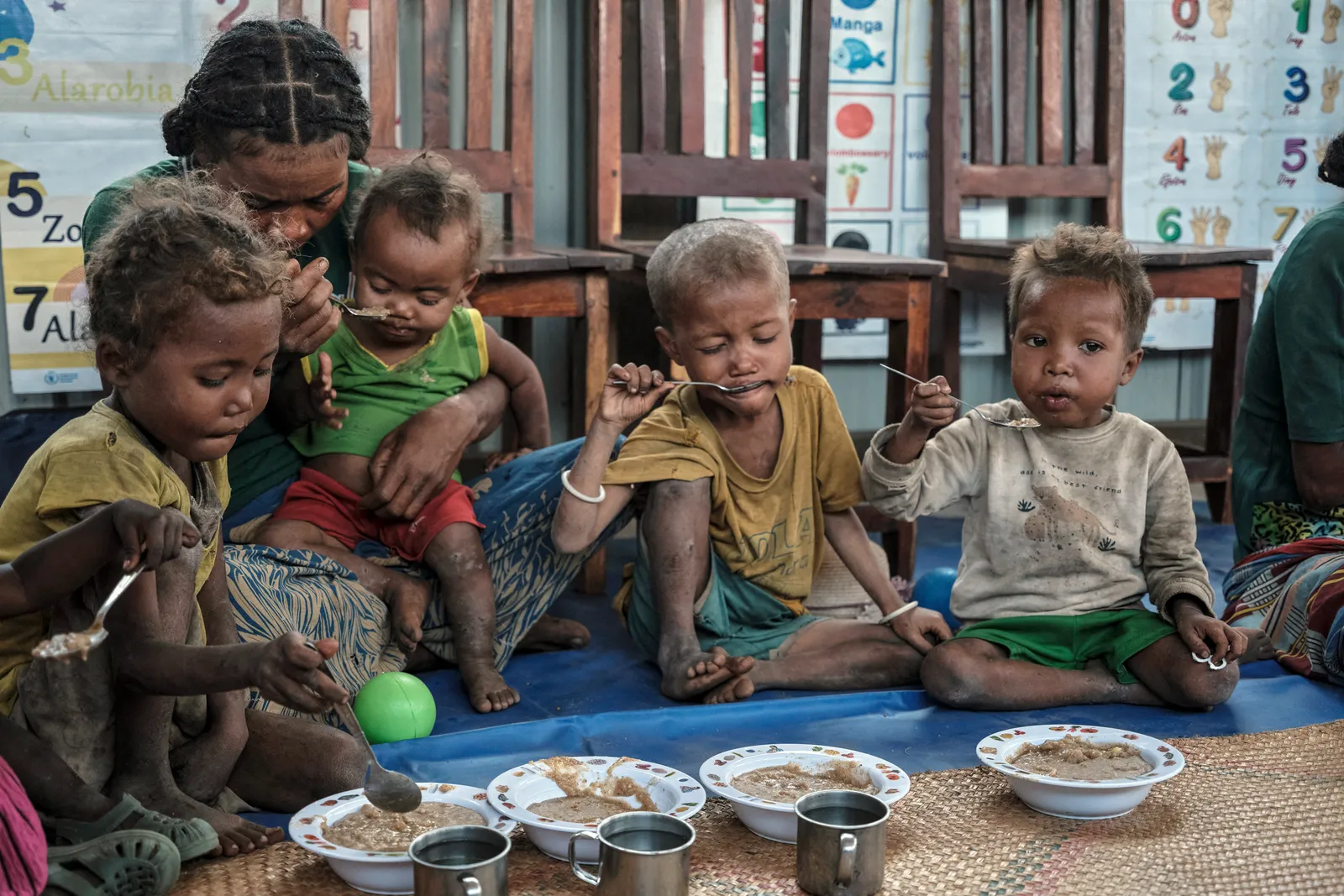
2月下旬美国和以色列对伊朗发动袭击后,通过霍尔木兹海峡的海运交通几个月来几乎陷入停顿。石油运输受阻,能源价格飙升,化肥供应受到严重挤压——化肥通常是用廉价天然气提取的氢气制造的。中东地区通常生产全球四分之一的化肥。与此同时,乌克兰持续的战争继续严重干扰燃料成本,并限制了黑海主要枢纽的小麦运输。
When the U.S. and Israel launched an attack on Iran at the end of February, marine traffic through the Strait of Hormuz ground to a near halt for months. The transport of oil was choked, energy prices spiked, and the supply of fertilizer, which is most often made with hydrogen sourced from cheap natural gas, was severely pinched. The Middle East usually produces a quarter of the world’s fertilizer. Meanwhile, the ongoing war in Ukraine continues to play havoc with the cost of fuel and restrict the transport of wheat from a major hub on the Black Sea.
豪斯法瑟表示,截至10月,用于衡量厄尔尼诺现象强度的中热带太平洋变暖幅度达到3.5摄氏度,打破了此前约2.75摄氏度的纪录,并正朝着约4摄氏度的空前峰值发展。“这很可怕,”他说。他说,总的来说,厄尔尼诺现象越强,其对包括干旱在内的天气事件的影响就越大。
As of October, the warming in the mid-tropical Pacific that’s used to measure the strength of an El Niño hit 3.5 degrees Celsius—breaking the previous record of about 2.75 degrees Celsius—and is on its way to an unprecedented peak of around 4 degrees, according to Hausfather. “That’s scary,” he says. Broadly speaking, he says, the more powerful the El Niño, the more powerful its effects on weather events, including droughts.
不同寻常的是,今年的厄尔尼诺现象是短短11年内发生的第三次“强”厄尔尼诺事件,这意味着一些地区屡屡遭受干旱打击。一些研究人员提出,厄尔尼诺现象的发生频率高于往常,本身可能就是由气候变化引起的——不过豪斯法瑟表示,这仍然是一个激烈争论的领域。
Unusually, this year’s El Niño is the third “strong” El Niño event to hit within a relatively short span of 11 years, which means some areas have been hit repeatedly with drought. The higher-than-usual frequency of El Niños may itself be caused by climate change, some researchers have suggested—though this is still an area of hot debate, Hausfather says.
所有这些因素共同发挥作用,产生层层影响,这些影响可能需要数月时间显现,并持续数年之久。“干旱与冲突的交汇导致了我们所见的最糟糕的结果,”世界粮食计划署驻罗马气候与韧性主任理查德·舒拉顿(Richard Choularton)表示。农民买不起化肥;接着他的田地遭遇干旱。由于预料到会有不好的一年,他减少了种植面积并减少了雇工。
All these factors act together, with cascading impacts that can take months to develop and last for years. “The confluence of drought and conflict drives some of the worst outcomes we see,” says Richard Choularton, director of climate and resilience for the World Food Programme in Rome. A farmer can’t afford fertilizer; then his fields face drought. In anticipation of a bad year, he plants less and hires fewer people.
用于运输他作物的河流干涸了,而负责将其运往海外的港口也在轰炸中瘫痪。他的奶牛几乎没有东西吃。一年后,他买不起杂货,也无力为农具提供燃料。降雨的匮乏导致海水渗入含水层,因此淡水开始被配给供应。水力发电厂运转艰难。事情就这样持续下去。
The river used to transport his crop dries up, and the port that takes it overseas has been bombed out of commission. His cows have little to eat. A year later, he can’t afford to buy groceries or fuel his farming equipment. The lack of rain allows seawater to seep into aquifers, so fresh water gets rationed. Hydropower plants sputter. And on it goes.
尽管任何一年都会带来自己的恶劣天气——其中一些是偶然发生的,另一些则是气候变化带来的压力使其更有可能发生——但今年的许多事件都被归咎于厄尔尼诺现象。首当其冲受打击的是秘鲁的鳀鱼渔业,该渔业今年史无前例地提前关闭,以让鳀鱼在温暖海水和主要食物来源之一的浮游生物减少的情况下有一线生机。这个价值通常在20亿至30亿美元之间的行业,是全球牲畜和水产养殖饲料的重要供应源。
While any year brings its own spates of bad weather—some of it random, and some made more likely by the pressures of climate change—plenty of events this year have been attributed to El Niño. Among the first to be hit was the Peruvian anchovy fishery, which was closed dramatically early this year to give anchovies a fighting chance in the face of warm waters and less plankton, one of their main food sources. This industry, typically worth between $2 billion and $3 billion, is a huge contributor to global feed for livestock and aquaculture.
截至9月,全球鱼粉产量大约只有前一年的一半;鱼粉价格飙升,一些欧洲三门鱼养殖户开始转向较便宜的鸡肉副产品。
As of September, global fishmeal output was about half what it was the year before; fishmeal prices have spiked, with some European salmon farmers turning to cheaper chicken byproducts.
在印度尼西亚,由于持续的干旱使当地的主要运输动脉卡普阿斯河水位枯竭,棕榈油厂已停止向农民收购果实。在柬埔寨,迟到的雨季正在使稻田干涸。巴拿马已宣布进入国家紧急状态(如同在2013年和2015年厄尔尼诺现象期间所做的那样),面对降雨量的减少,巴拿马运河的船舶通行量以及运输的粮食均有所减少。
donesia, palm oil mills stopped buying fruit from farmers because an ongoing drought shriveled the area’s main transportation artery, the Kapuas River. In Cambodia, a delayed rainy season is drying out rice fields. Panama has declared a national state of emergency (as it did for the 2023 and 2015 El Niños), and the Panama Canal is carrying less ship traffic and transporting less food in the face of dwindling rainfall.
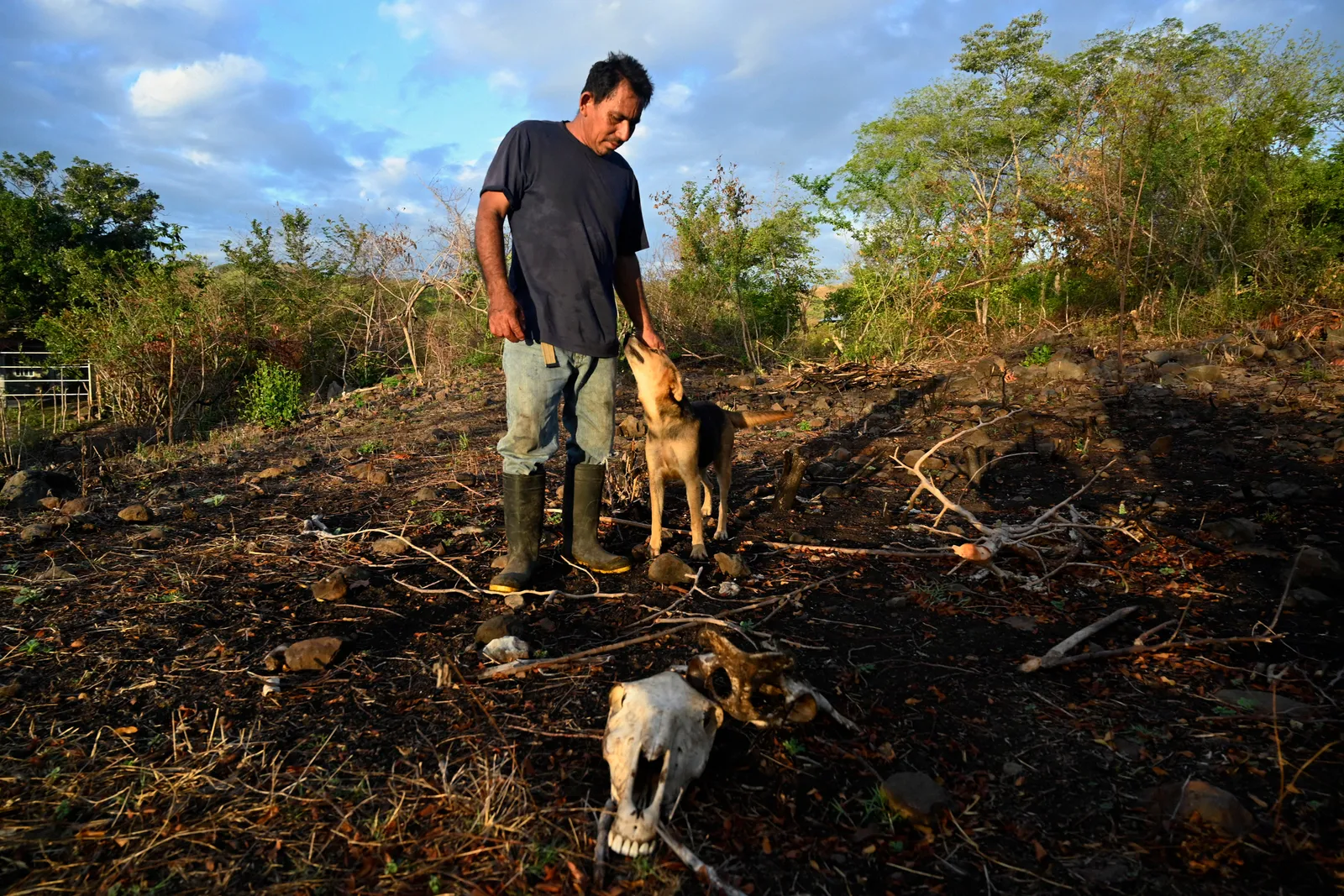
在苏丹北部,降雨总量不到正常水平的一半,预计这将对明年3月至8月的农作物和牲畜造成影响。中美洲由厄尔尼诺引发的干旱以及创纪录的夏季高温侵蚀了农作物产量,并对该地区的第二季种植构成了威胁:欧盟联合研究中心预计,该地区遭受急性粮食不安全困扰的人数将激增83%。
In northern Sudan, rainfall totals have been less than half of normal, which is expected to take a toll on both crops and livestock from March to August next year. El Niño-induced drought alongside record summer temperatures in Central America has eaten away at crop yields and threatens that region’s second planting cycle: The E.U.’s Joint Research Centre projects an 83 percent spike in people suffering from acute food insecurity in that area.
也许令人意外的是,本生长季的全球粮食生产前景并不像人们想象的那样糟糕:饥荒早期预警系统网络指出,美国农业部预计2026至2027年度全球玉米、小麦和大米产量仅比前一年下降2.7%,这仍将使其成为有记录以来第二大的年度农作物产量。
Perhaps surprisingly, the global food production outlook for this growing season isn’t as bad as one might think: The Famine Early Warning Systems Network (FEWS NET) notes that the USDA projects worldwide production of maize, wheat, and rice for 2026-2027 to be just 2.7 percent below the previous year’s production, which will still make it the second-largest annual crop on record.
饥荒早期预警系统网络顾问艾米·奥斯特兰德表示:“在全球范围内,粮食供应并不是一个令人高度担忧的问题。令人担忧的是某些特定区域的产量变化,例如南部非洲,以及粮食获取问题。”换句话说,即使这些地区收成了充足的农作物,部分粮食也无法运至市场,且有些人将无力承担其价格。
“Globally, food supply is not of high concern,” says FEWS NET advisor Amy Ostrander. “The concerns are production changes in some specific regions, such as Southern Africa, and food access.”Even if sufficient crops are harvested in those regions, in other words, some food won’t make it to market, and some people won’t be able to afford it.
联合国粮食及农业组织的分析得出结论,厄尔尼诺引发的干旱带来的最高风险将出现在萨赫勒地区、南部非洲、南亚和东南亚,以及中美洲干旱走廊和加勒比地区。
alysis by the United Nations Food and Agriculture Organization concludes that the highest risks from El Niño–prompted droughts will be in the Sahel, Southern Africa, South and Southeast Asia, and in Central America’s Dry Corridor and the Caribbean.
厄尔尼诺现象的一个好处是,气象学家几乎可以提前一年预见到它的到来,这与更难预测的突发极端天气不同。这为相关机构提供了奋力一搏的机会,例如通过分发抗旱种子、敲定未来紧急粮食供应和运输的协议,或者为挣扎中的农民设立收入援助来保护民众。
One good thing about an El Niño is that meteorologists can see it coming almost a year in advance, unlike freak weather events, which are harder to forecast. This gives agencies a fighting chance to protect people by distributing drought-resistant seeds, for example, securing deals for future emergency food supplies and transport, or setting up income assistance for struggling farmers.
世界粮食计划署于2015年厄尔尼诺现象期间在津巴布韦首次测试了其基于预测的融资计划:向一个面临干旱的地区的家庭发放现金,帮助他们维持了食物的数量和质量,而没有获得现金援助的邻近地区的食物则出现了大幅下降。今年,世界粮食计划署一直在发放现金和其他援助,例如为危地马拉的农民提供3000多个气密粮仓,帮助他们安全储存粮食。截至10月,该计划表示已通过早期预警信息和援助惠及15个国家的2800万人口。
The World Food Programme first tested its forecast-based financing program in Zimbabwe during the 2015 El Niño: Delivering cash to families in one district facing drought helped them to sustain their quantity and quality of food, while a neighboring district that didn’t receive cash aid saw a massive drop. This year, the WFP has been delivering cash and other assistance, including, for example, more than 3,000 airtight silos for farmers in Guatemala to help them safely store grain. As of October, the program says it has reached 28 million people across 15 countries with early warning information and assistance.
然而,此类计划的资金十分紧缺。2025年全球援助资金较2022年的峰值下降了30%,并且仍在继续减少,这使得世界粮食计划署和其他机构难以开展工作。在索马里,世界粮食计划署在2022年的干旱期间帮助了1000万人;肖拉顿表示,如今在面对类似情况时,他们只能负担得起不到100万人的援助。
Cash is strapped for such programs, though. Funds for global aid were down 30 percent in 2025 from their 2022 peak and are still falling, making it hard for the WFP and others to do their work. In Somalia, the WFP helped 10 million people during a drought in 2022; today, in the face of similar conditions, says Choularton, they can afford to reach fewer than a million.
洛贝尔表示,提前预警虽然很好,但挑战依然会很多,随着厄尔尼诺现象与气候变化叠加,更艰难的时期可能还在后头。强厄尔尼诺现象的峰值几乎总是伴随着全球平均气温创纪录的年份。1998年、2016年和2024年(目前的纪录保持者)这几个异常炎热的年份,都紧随前一年的厄尔尼诺峰值之后。豪斯法瑟表示,虽然2026年很温暖,“但2027年将是打破纪录的一年”。
Advanced warning is good, says Lobell, but challenges will still abound, and even harder times may lie ahead as El Niños pile on top of climate change. The peaks of strong El Niños are almost always followed by record-breaking years for the global average temperature. The anomalously hot years of 1998, 2016, and 2024 (the current record holder) all followed hot on the heels of El Niño peaks the year before. While 2026 is warm, “2027 is going to be the record-shattering year,” says Hausfather.
全球变暖当然也会对食品供应产生影响。去年,洛贝尔发表了一篇论文,显示目前小麦、大麦、玉米、水稻和大豆的总产量总体上比没有气候变化的世界低了约百分之五。“对许多人来说,这听起来是个小数字。但我们所讨论的那类冲击可以远小于这个数字,”他说。“供应量只需发生很小的变化,就会对人们的生活产生重大影响。”
Global warming, of course, also has impacts on food supply. Last year, Lobell published a paper showing that total wheat, barley, maize, rice, and soybean yields are now altogether about 5 percent lower overall than they would have been in a world without climate change. “To a lot of people, that sounds like a small number. But the kind of shocks that we talk about can be far smaller than that,” he says. “It doesn’t take much of a supply shift to have an important effect on people’s lives.”
由于在厄尔尼诺现象期间变得更暖、更干燥的具体地点,与气候变化导致变暖和变干的具体地点不同,研究人员警告称,我们在二〇二六年所看到的将不会是未来事态的精确先兆。但洛贝尔表示,我们如何应对这一暂时的挑战,确实说明了我们食品系统的韧性,并且它将揭示我们在未来可能如何应对气候对农作物的其他破坏。“这是重大问题之一,”他说。“当条件恶劣时,你能适应到什么程度?”
Because the specific places that get warmer and drier during El Niños are different from the specific places that get warmer and drier from climate change, researchers caution that what we see in 2026 won’t be a precise forerunner of things to come. But how we deal with this temporary challenge does say something about the resilience of our food systems, says Lobell, and it will reveal how we might cope in the future with other climate disruptions to crops. “That’s one of the big questions,” he says. “How much can you adapt when the conditions are bad?”