AI 正在改变网络安全的经济模型,但其后果可能不仅限于攻击速度加快或漏洞发现更加复杂。随着企业竞相保护日益复杂的软件环境,快速修补漏洞的压力正在制造另一种风险:破坏企业赖以运营的系统。
AI is changing the economics of cybersecurity, but the consequences may not be limited to faster attacks or more sophisticated vulnerability discovery. As enterprises race to secure increasingly complex software environments, the pressure to patch vulnerabilities quickly is creating another risk: breaking the systems companies depend on to operate.
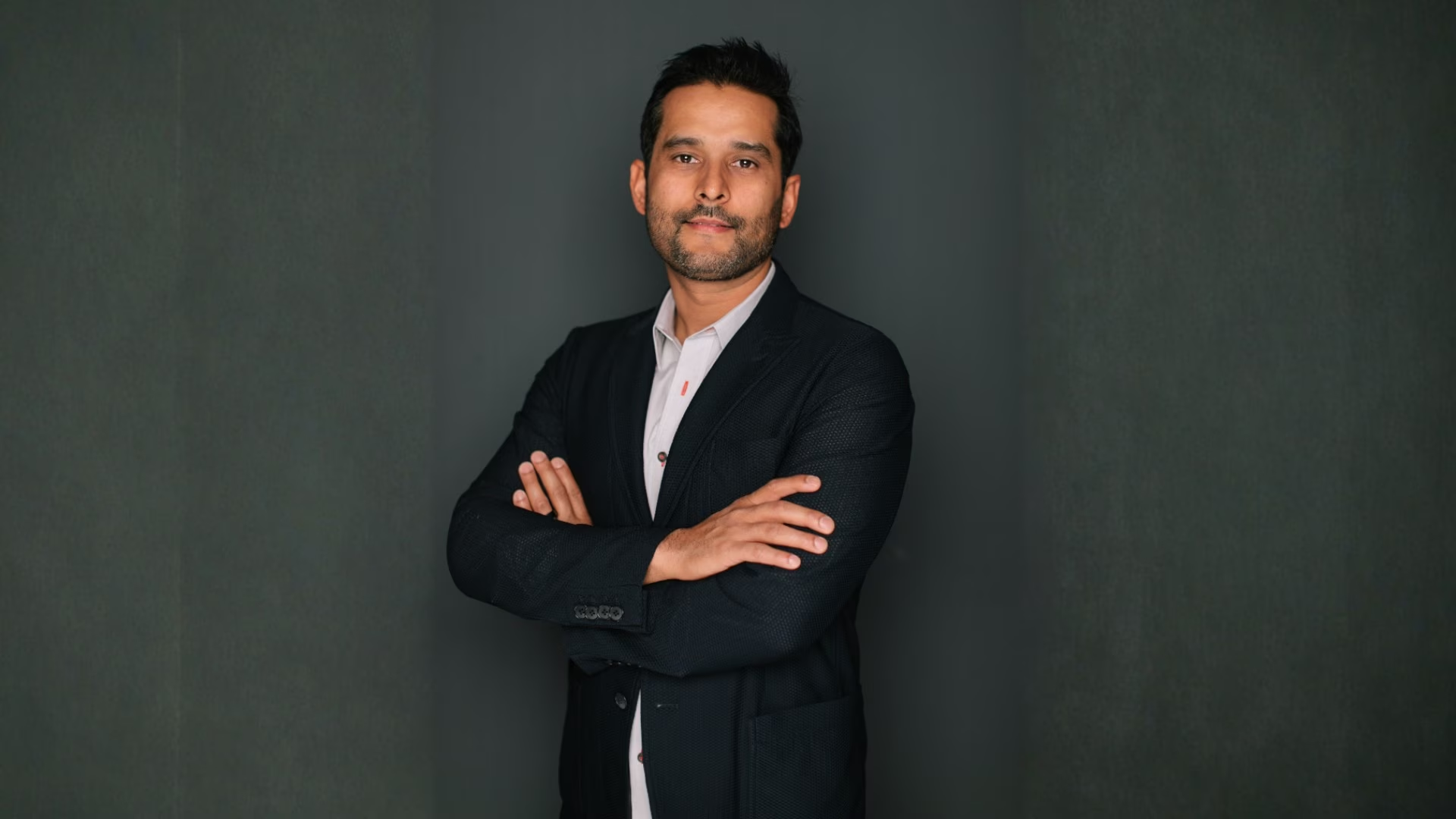
Endor Labs 首席执行官兼联合创始人 Varun Badhwar 在其近期的 LinkedIn 帖子中警告称,99% 的技术领先型企业将在未来 12 个月内遭遇入侵,同时他对仓促推出的安全更新可能自行引发运营中断表示担忧。这一预测反映出攻击者利用漏洞的能力与企业安全应对漏洞的能力之间日益加剧的失衡。
Endor Labs CEO and co-founder Varun Badhwar warned in his recent LinkedIn post that 99% of technology-forward enterprises will experience a breach in the next 12 months, while raising concerns that rushed security updates could trigger operational disruptions of their own. The prediction reflects a growing imbalance between attackers’ ability to exploit vulnerabilities and enterprises’ ability to safely address them.
Badhwar 的担忧不仅在于安全团队落后于形势,更在于修复软件漏洞变得越来越难以在不引入新问题的情况下完成。
Badhwar’s concern is not simply that security teams are falling behind. It is that fixing software vulnerabilities has become increasingly difficult to do without introducing new problems.
AI 正在加速漏洞周期漏洞发现的规模正在发生剧烈变化。Badhwar 指出,前 10 万个通用漏洞披露(CVE)的发布耗时约 18 年半,从 CVE 列表于 1999 年 9 月启动直到 2018 年 4 月。而在 2026 年,又有 10 万个 CVE 在短短 322 天内发布,于 11 月 18 日跨越这一门槛,距离年底仍有数周时间。
AI Is Accelerating the Vulnerability Cycle The scale of vulnerability discovery is changing dramatically. Badhwar points to the fact that the first 100,000 Common Vulnerabilities and Exposures (CVEs) took approximately 18 and a half years to publish, from the CVE List’s launch in September 1999 until April 2018. In 2026, another 100,000 CVEs were published in just 322 days, crossing that threshold on November 18 with weeks remaining in the year.
对于已经在管理数十万个漏洞的企业而言,这种增长构成了严峻挑战。攻击者只需一个成功的切入点,而防御者必须顾及整个环境中的所有漏洞。
For enterprises already managing hundreds of thousands of vulnerabilities, the increase creates a daunting challenge. Attackers only need one successful entry point, while defenders must account for vulnerabilities across an entire environment.
利用时间线的缩短加剧了这种失衡。据 Badhwar 称,Google Mandiant 报告称,平均利用时间已达到负 7 天,这表明攻击者越来越多地在公开披露前,通过逆向工程补丁来利用漏洞。
The imbalance is compounded by shrinking exploitation timelines. According to Badhwar, Google Mandiant reported that the mean time to exploit had reached negative seven days, suggesting attackers were increasingly exploiting vulnerabilities before public disclosure by reverse-engineering patches.
与此同时,安全团队正在应对长得多的修复时间线。巴德瓦尔援引了威瑞森2026年数据泄露调查报告,该报告发现修复时间从先前的32天增加到了43天,而只有26%的漏洞得到了彻底修复。
Meanwhile, security teams are dealing with remediation timelines that stretch far longer. Badhwar cites Verizon’s 2026 Data Breach Investigations Report, which found remediation times rising to 43 days from 32 days previously, while only 26% of vulnerabilities were fully remediated.
其结果是一个不断扩大的时间窗口,攻击者可以在企业完成响应之前采取行动。
The result is a widening window in which attackers can act before enterprises have completed their response.
过快修复软件的风险:修补的紧迫性是可以理解的,但软件更新本身也可能带来运营风险。企业通常维护着建立在多年累积依赖项之上的应用程序。一个安全修复可能需要升级组件,从而在应用程序的其他地方引入破坏性更改。
The Risk of Fixing Software Too Quickly The urgency to patch is understandable, but software updates can carry their own operational risks. Enterprises often maintain applications built on years of accumulated dependencies. A security fix may require upgrading components that introduce breaking changes elsewhere in the application.
巴德瓦尔表示,恩多实验室研究了在客户环境(包括金融服务和科技组织)的开源依赖项中发现的超过25万个公开漏洞。该研究检查了团队是否能够在不对应用程序进行额外更改的情况下转向修复后的版本。
Badhwar says Endor Labs studied more than 250,000 open vulnerabilities found in open-source dependencies across customer environments, including financial services and technology organizations. The research examined whether teams could move to fixed versions without making additional changes to their applications.
研究结果是,只有10%的升级或补丁可以在不需要额外工作来解决破坏性更改的情况下应用。修复方案可能存在。但要安全地实施它,可能需要开发人员修改代码、测试集成并验证互联系统的功能。
The finding was that only 10% of upgrades or patches could be applied without additional work to address breaking changes. A fix may be available. But implementing it safely can require developers to modify code, test integrations and validate functionality across interconnected systems.
正如巴德瓦尔所解释的那样,“当团队匆忙行事时,最容易跳过的事情之一就是测试。这些都是复杂的系统,因此即使是微小的更改也可能导致连锁问题。”这给安全负责人带来了一个艰难的权衡。行动太慢会让漏洞暴露在外,而行动太快则可能破坏生产环境的稳定性、中断面向客户的服务或引入更多的弱点。
As Badhwar explained, “When teams are rushing one of the easiest things to bypass is testing. These are complex systems, so even minor changes can result in cascading problems.”That creates a difficult trade-off for security leaders. Moving too slowly leaves vulnerabilities exposed, while moving too quickly can destabilize production environments, disrupt customer-facing services or introduce additional weaknesses.
为什么人工智能修复需要应用程序上下文:巴德瓦尔认为人工智能可以帮助打破这一循环,前提是它被用于理解软件,而不仅仅是生成补丁。
Why AI Remediation Needs Application Context Badhwar believes AI could help break this cycle, provided it is used to understand software rather than simply generate patches.
AI 编码代理生成可运行代码的能力日益增强,但功能性并不一定意味着安全修复。在采访中,Badhwar 引用了一项基准测试,其中 Fable 5.1 的功能性代码表现达到 87%,但安全代码表现仅为 37%。
AI coding agents are increasingly capable of producing functional code, but functionality does not necessarily translate into secure remediation. In his interview, Badhwar referenced a benchmark in which Fable 5.1 achieved 87% functional code performance but only 37% secure code performance.
他认为,让 AI 代理获取应用程序上下文(包括展示代码如何与开源组件交互的调用图),能够提升其识别和解决漏洞的能力,同时避免不必要地更改更广泛的应用程序。
He argues that giving AI agents access to application context, including call graphs that show how code interacts with open-source components, can improve their ability to identify and address vulnerabilities without unnecessarily changing the wider application.
Endor Labs 通过 AURI Fix 采取的方法旨在评估漏洞可被触达和利用的路径,随后判断最安全的修复方式是升级依赖、修改应用程序代码、应用已修补的库,还是替换组件。
Endor Labs’ approach through AURI Fix is designed to evaluate the paths through which vulnerabilities can be reached and exploited, then determine whether the safest remediation involves upgrading a dependency, modifying application code, applying a patched library or replacing a component.
该系统不会自动推送大规模软件升级,而是可对开发人员自己的代码进行针对性更改(有时涉及不足 10 行代码),以切断可被利用的路径,同时团队致力于更广泛的修复。
Rather than automatically pushing an extensive software upgrade, the system can make targeted changes to developers’ own code, sometimes involving fewer than 10 lines, to break an exploitable pathway while teams work on a broader fix.
衡量补丁完成之外的韧性 对企业领导者而言,其影响不仅限于漏洞数量或关闭的工单数量。Badhwar 认为,组织需要衡量自身是否真正在降低风险敞口,而非牺牲服务可用性。
Measuring Resilience Beyond Patch Completion For enterprise leaders, the implications extend beyond vulnerability counts or the number of tickets closed. Badhwar argues that organizations need to measure whether they are actually reducing exposure without sacrificing service availability.
他建议跟踪三项指标:面向互联网的系统暴露于已知被利用漏洞的时长、紧急修复导致中断或需要回滚的频率,以及在恢复演练中关键服务能多快恢复。
He recommends tracking three indicators: how long internet-facing systems remain exposed to known exploited vulnerabilities, how often emergency fixes cause outages or require rollback, and how quickly critical services can be restored during recovery exercises.
归根结底,网络安全负责人所面临的挑战不再仅仅是部署修复的速度有多快,而是如何在不产生新的运营风险的情况下进行安全改进。随着人工智能加速漏洞的发现和修复,企业优先排序、验证并安全实施变更的能力,可能变得与响应速度同等重要。
Ultimately, the challenge facing cybersecurity leaders is no longer simply how quickly they can deploy a fix. It is how to make security improvements without creating new operational risks. As AI accelerates both vulnerability discovery and remediation, the ability to prioritize, validate and safely implement changes may become just as important as the speed at which enterprises respond.
对巴德瓦尔(Badhwar)而言,网络安全领域人工智能的下一个前沿不是生成更多漏洞,也不是单纯地更快产出补丁,而是帮助企业在不危及试图保护的系统的前提下弥补安全漏洞。
For Badhwar, the next frontier of AI in cybersecurity is not generating more vulnerabilities or simply producing patches faster. It is helping enterprises close security gaps without compromising the systems they are trying to protect.