2024年10月1日,在德国埃宁根举行的欧洲首个IBM量子数据中心揭幕仪式上,展出了一款IBM量子计算机模型。 | Thomas Niedermueller/Getty Images 布鲁塞尔 —— 随着世界寻求应对由AI驱动的网络攻击和失控智能体浪潮的出路,下一个安全威胁已然逼近:量子技术。
A model of IBM Quantum is seen during the inauguration of Europe's first IBM Quantum Data Center in Ehningen, Germany on Oct. 1, 2024. | Thomas Niedermueller/Getty Images BRUSSELS — As the world seeks a way through a wave of AI-powered cyberattacks and rogue agents, the next security threat already looms: quantum technology.
随着量子计算机有望在未来几年内攻破长期确立的数字信息和通信安全协议(涵盖从即时通讯到银行服务的各个领域),其部署将引发一场新的安全竞赛。
With quantum computers set to break long-established protocols for securing digital information and communications in everything from messaging to banking services, their deployment in the next few years will spark a new security scramble.
根据《政治新闻网》(POLITICO)获得的一份草案,欧盟希望通过周三推出的《量子法案》抢占先机,以保障该集团的数字基础设施安全。
The EU is hoping to get ahead of the risks with a Quantum Act rolling out Wednesday, which aims to secure the bloc’s digital infrastructure, according to a draft obtained by POLITICO.
尽管在过去一个月里,AI已帮助攻击者破坏了从超市冰箱到欧盟委员会自有平台等各类服务,但计算机科学家认为,网络安全面临另一个潜在风险更大的时刻正在逼近:“Q日”(量子破解日)。
Even as AI has helped to disrupt services from supermarket fridges to the European Commission’s own platforms over the past month, computer scientists contend that another, potentially more perilous moment for cybersecurity is on the horizon: Q-Day.
人们担心,量子计算机能够处理超越当今机器所用经典0和1的信息,将通过攻破用于加密锁定信息的标准加密方法,使当前的安全漏洞相形见绌 —— 导致从政府安全系统到医院在内的一切在数字层面变得毫无防备。
The fear is that quantum computers, which can process more than the classic 0s and 1s used by today’s machines, will eclipse current security vulnerabilities by breaking the standard methods of encryption that scramble information in order to lock it down — rendering everything from secure government systems to hospitals digitally defenseless.
草案称,布鲁塞尔的新法律应“进一步加强……准备工作,以便及时、协调地过渡”到量子技术超越当前加密方法的世界。
Brussels’ new law should “further strengthen the preparedness ... for the timely and coordinated transition” to a world where quantum technology has outpaced current encryption methods, the draft says.
欧洲应对这代计算机的计划,与其应对AI驱动的网络攻击的计划并无太大不同。其主张是,该技术需要更快、更好地服务于防御者,而非想要利用它的攻击者。
Europe’s plan to deal with this next generation of computers is not so different from the one it has to deal with AI-powered cyberattacks. It contends that the technology needs to more quickly and better serve defenders rather than attackers who want to exploit it.
“在量子领域,我们知道它伴随着风险而来……因为它能够打破我们目前数据中采用的安全措施,”欧盟技术主权执行副主席亨娜·维尔库宁上周在科技会议 Slush 上表示。“但与此同时,量子技术也提供了良好的机遇……能够实现更安全的量子通信。”这项新法的另一个目标是,通过在公共服务中优先考虑欧洲企业,来支持欧洲初露头角的量子技术产业——部分原因在于量子计算被视为过于关键,不能依赖非欧洲供应商。
“With quantum, we know it’s coming with risks … because it’s able to break the current safety measures we have in our data,” Henna Virkkunen, the EU’s executive vice president for tech sovereignty said at tech conference Slush last week. “But at the same time, quantum is also giving good opportunities … to have safer quantum communication.”The other objective of the new law is to support Europe’s nascent quantum technology industry by favoring European companies in public services — in part because quantum computing is seen as too critical to rely on non-European suppliers.
欧盟成员国、欧盟委员会和欧洲航天局已经启动了一项建设安全量子通信基础设施的工作,称为“欧洲量子通信基础设施”(EuroQCI),根据这项新法,该项目将获得“战略量子基础设施”的地位。“每一项基础设施”然而,一些行业高管呼吁欧盟集团加快为后量子时代做准备。像 IBM 这样的工业巨头计划在 2029 年前推出其首台大规模量子计算机。
EU countries, the European Commission and the European Space Agency have already embarked on an effort to build a secure quantum communication infrastructure, called EuroQCI, and that project is set to gain the status of “strategic quantum infrastructure” under the new law. ‘Every single infrastructure’Yet, some industry executives have called on the bloc to accelerate its preparation for a post-quantum world. An industrial heavyweight like IBM aims to have its first large-scale quantum computer ready by 2029.
专家表示,不久之后,具有打破加密潜力的量子模型将问世。法国量子公司 Alice and Bob 的首席执行官泰奥·佩罗宁认为,2032 年就是那一天的到来。“所以我们绝对处于一种有时间、但需要快速反应的境地,”他说。
Soon after, experts say, quantum models will arrive with the potential to break encryption. Théau Peronnin, CEO of the French quantum company Alice and Bob, believes 2032 is when that day arrives. “So we are absolutely in the situation where there is time, but we need to react fast,” he said.
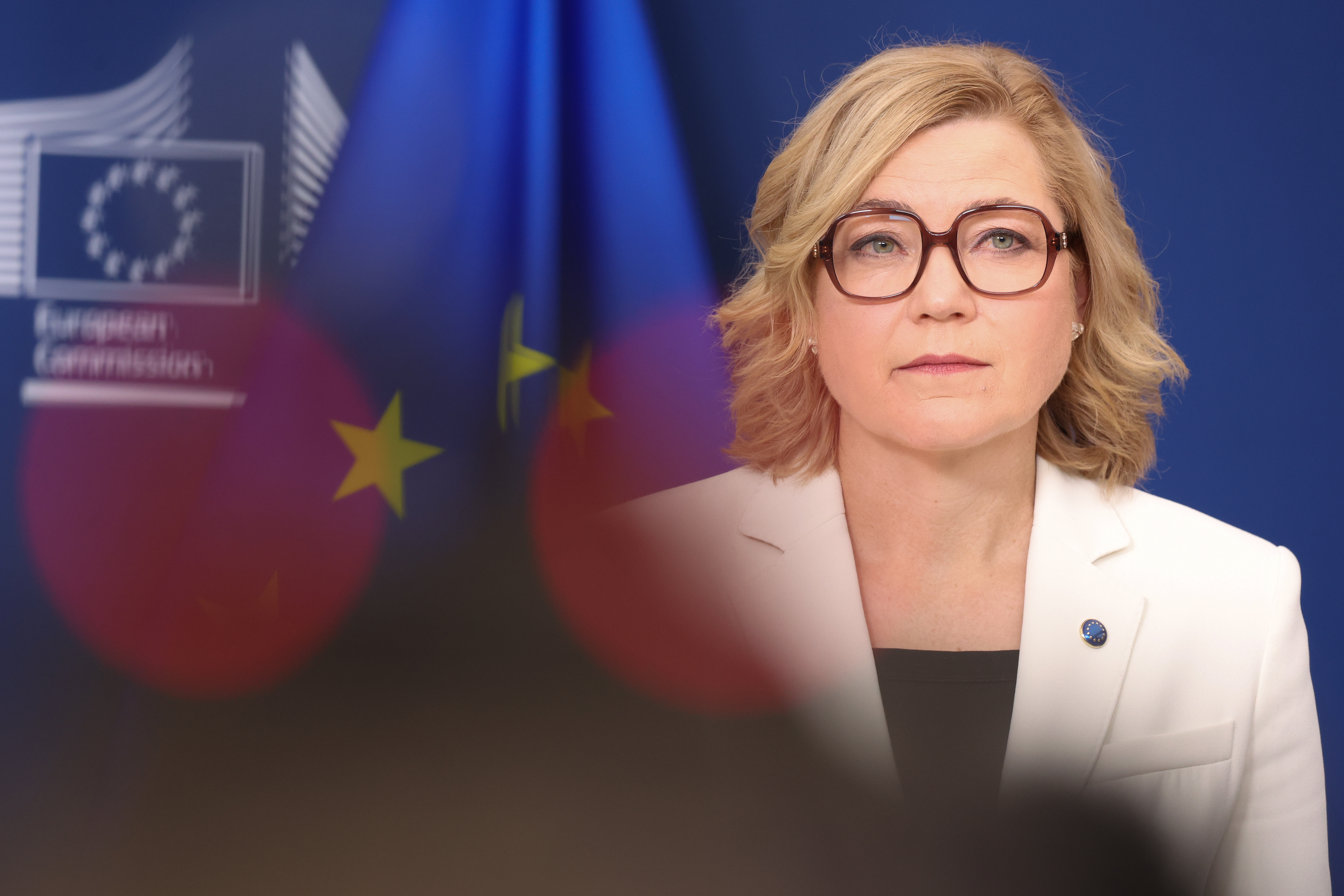
2026 年 2 月 10 日,亨娜·维尔库宁在法国斯特拉斯堡的欧洲议会举行新闻发布会。| Magali Cohen/Hans Lucas/AFP via Getty Images 这一代计算的一个关键术语是“量子比特”。与只能用二进制代码(0 或 1)编写的传统计算机比特不同,量子比特在被测量之前可以同时处于两种状态的叠加态。就在上个月,Alice and Bob 证明了打破当前互联网加密标准所需的量子比特数量远低于预期。
Henna Virkkunen holds a press conference at the European Parliament in Strasbourg, France on Feb. 10, 2026. | Magali Cohen/Hans Lucas/AFP via Getty Images A key term for this next generation of computing is “qubits.”Unlike traditional computer bits that can only be written in binary code (0 or 1), qubits can be a blend of both until they are measured. And just last month, Alice and Bob proved that far fewer qubits are needed than expected to break the current internet encryption standard.
“我们需要把每一项基础设施都迁移到后量子(加密)。”佩罗南说。他提到美国,特朗普政府今年夏天发布了几项行政命令,为向后量子密码学过渡做准备。
“We need to migrate every single infrastructure to post-quantum,” Peronnin said. He pointed to the U.S., where the Trump administration issued several executive orders this summer to prepare for the transition to post-quantum cryptography.
“欧洲也这样做很重要。”去年,欧盟委员会发布了一项计划,要在2030年底前用后量子网络安全保护关键基础设施。
“It’s important that Europe does so as well.”Last year, the European Commission released a plan to protect critical infrastructure with post-quantum cybersecurity by the end of 2030.
其他人则表示,欧洲利用其在量子计算领域相对较强的地位,尤其是在研究方面,来增强其安全和防务应用,这一点至关重要。
Others say it’s key for Europe to use its relatively strong position in quantum computing, especially in research, to boost its security and defense applications.
芬兰量子领域领军企业IQM首席执行官扬·格茨说,欧洲不应回避利用这一地位,在正在进行的全球安全谈判中争取一席之地。
Europe shouldn't shy away from using that position to get a seat at the table in the ongoing global security talks, said Jan Goetz, CEO of Finnish quantum leader IQM.
“在我们所处的当前地缘政治时代,说我们领先掌握某些技术,却不用它来保护自己,那将是天真的。”他补充说。
“In the current geopolitical times that we live in, it would be naive to say we are leading with certain technologies, but we are not using it to protect ourselves,” he added.