美国以新德里的旗舰制造计划——“印度制造”、自力更生印度和生产挂钩激励(PLI)计划——为主要依据,构建了对印度商品加征新关税的理由。美国贸易代表办公室(USTR)周三发布的一份189页报告将这些计划描述为旨在将产能扩大至市场所能承受水平之外的规划。
The US has built its case for new tariffs on Indian goods largely on New Delhi’s flagship manufacturing programmes, Make in India, Atmanirbhar Bharat and the Production Linked Incentive (PLI) scheme. A 189-page report released by the office of the US Trade Representative (USTR) on Wednesday describes them as plans to expand production beyond what markets would support.
报告认定,印度在制造产能方面的“作为、政策和做法”属于“不合理”,并给美国商业造成负担。这是拟对印度商品加征最高25%关税、若印度签署贸易协定则为17%的法律依据。
The report finds India’s “acts, policies, and practices” on manufacturing capacity “unreasonable” and a burden on US commerce. That is the legal basis for the proposed tariff of up to 25% on Indian goods, or 17% if India signs a trade deal.
在长达八个月的调查期间,印度始终否认该指控。根据USTR通知中摘录的意见,印度政府辩称,作为一个发展中国家,印度正在建设产能以满足国内需求,产量随订单和市场条件起伏,而非由国家指令决定。政府表示,“印度制造”和PLI旨在实现自力更生,并减少对部分国家投入品的关键依赖,“不应通过制造脱离需求的产能这一视角来看待”。
India has rejected the charge throughout the eight-month investigation. In comments summarised in the USTR’s notice, the government argued that, as a developing country, India is building capacity to meet domestic demand, and that output rises and falls with orders and market conditions, not state direction. It said Make in India and PLI aim at self-reliance and at reducing critical dependence on some countries for inputs, and “should not be viewed through the lens of creating manufacturing capacity untethered from demand”.India also took part in confidential consultations with the USTR, which China and Bangladesh declined.
印度还参与了与USTR的保密磋商,而中国和孟加拉国拒绝参与。10月,在威斯康星州密尔沃基举行的G20贸易部长会议上,商务与工业部长皮尤什·戈亚尔表示,印度在被点名的行业“不存在结构性产能过剩”。
In October, at the G20 Trade Ministers’ Meeting in Milwaukee, commerce and industry minister Piyush Goyal said India “does not have structural excess capacity” in the sectors identified.
除了上述产业计划,USTR还指责印度的劳工法、通过定向银行贷款实施的“金融压制”、市场准入壁垒,以及从中国进口投入品不断增加。
Beyond the industrial schemes, the USTR faulted India’s labour laws, its “financial repression” through directed bank lending, its market access barriers and its rising imports of inputs from China.
报告聚焦四大领域:钢铁、太阳能、医疗健康以及信息通信技术(ICT)。
报告称:“具体而言,印度的法案、政策和做法之所以不合理,是因为它们:(1)以出口和出口导向型增长为目标;(2)扭曲公平、市场导向的竞争;(3)未能相应地促进国内需求和消费;(4)损害其工人和公众的福利,从而对美国工人产生负面影响。”
It focused on four sectors: steel, solar, health and information and communications technology (ICT).“Specifically, India’s acts, policies, and practices are unreasonable because they: (1) target exports and export-led growth; (2) distort fair, market-oriented competition; (3) fail to commensurately promote domestic demand and consumption; and (4) undermine the welfare of its workers and the public, thereby negatively impacting U.S. workers,” the report says.
美国贸易代表办公室(USTR)的核心指控是,印度计划将制造业占国内生产总值(GDP)的比重大幅提高,大致翻一番。“印度制造”计划旨在将制造业占比提升至25%,报告估计,按2025年水平计算,这意味着将新增约5000亿美元的产出。2020年启动、现已覆盖14个行业的生产挂钩激励计划(PLI scheme),根据增量销售额发放激励。
The USTR’s central charge is that India plans to roughly double its manufacturing sector as a share of the GDP. Make in India aims to raise manufacturing to 25% of GDP, which the report estimates means about $500 billion of additional output at 2025 levels. The PLI scheme, launched in 2020 and now covering 14 sectors, pays incentives tied to incremental sales.
报告以行业数据为支撑。印度的太阳能组件产能“自2020年以来大幅跃升至154吉瓦(GW),几乎是53吉瓦国内需求的三倍”,年投资额从2018年的8400万美元增至2025年的100亿美元。印度钢铁行业产能有望在2030年达到3亿吨,几乎是美国的三倍,尽管产能利用率已降至80%以下。2025年,美国从印度进口的电信商品价值近250亿美元,约占此类美国进口总额的16%。
The report backs this with sector data. India’s solar module capacity has “jumped dramatically since 2020 to 154 gigawatts (GW), nearly triple the domestic demand of 53 GW”, with annual investment rising from $84 million in 2018 to $10 billion in 2025. India’s steel industry is heading for 300 million tonnes of capacity by 2030, almost triple that of the US, even as capacity utilisation has fallen below 80%. US imports of Indian telecommunications goods were worth almost $25 billion in 2025, about 16% of all such US imports.
制药业是印度对美最知名的出口行业,也受到审视。报告援引行业估算称,印度药品占美国仿制药处方量的高达47%,占仿制固体口服制剂剂量的61%,但仍“严重依赖”中国供应原料药。美国贸易代表办公室将这种美国依赖性视为经济安全风险。即便如此,拟议的关税仍豁免了该行业。
Pharmaceuticals, India’s best-known export to the US, also come under scrutiny. Citing industry estimates, the report says drugs from India account for up to 47% of generic prescriptions in the US and 61% of generic solid oral drug doses, while remaining “heavily dependent” on China for active pharmaceutical ingredients. The USTR presents that US reliance as an economic security risk. Even so, the proposed tariff spares the sector.
剂型仿制药、用于制药的数百种药物成分以及专利药均列入随该提案发布的豁免商品清单。
Generic medicines in dosage form, hundreds of drug ingredients when used in pharmaceuticals, and patented drugs are all on the list of exempt goods published with the proposal.
报告还针对印度与中国的贸易。2017年至2025年间,印度从中国进口的中间品增加了440亿美元,增幅达97%。报告指出,印度于2026年3月10日放宽了对中国投资的规则。
The report also takes aim at India’s trade with China. India’s imports of intermediate goods from China rose by $44 billion, or 97%, between 2017 and 2025. It notes that India eased its rules on investment from China on March 10, 2026.
俄罗斯石油也在报告中被提及。报告称:“虽然印度在美国政府压力下正积极减少采购俄罗斯石油,但获得这种投入品在近年来增强了印度出口的竞争力。”
Russian oil features too. “While India is actively reducing its purchases of Russian oil in response to U.S. government pressure, access to this input has increased the competitiveness of India’s exports in recent years,” the report says.
在劳工问题上,美国贸易代表办公室表示,薄弱的集体谈判权保护和松懈的执法压低了印度工资。2022年,劳动报酬在印度制造业产出中的占比为28.6%,比美国低19个百分点。作为金融压制的证据,报告援引了印度储备银行要求银行将净信贷的40%贷给优先部门的规定。
On labour, the USTR says weak protection of collective bargaining rights and lax enforcement hold down Indian wages. Labour’s share of manufacturing output in India was 28.6% in 2022, 19 percentage points below the US. As evidence of financial repression, it cites the Reserve Bank of India’s requirement that banks lend 40% of net credit to priority sectors.
报告指出印度对美贸易顺差不断扩大:2023年为425亿美元,2024年为452亿美元,2025年为573亿美元。报告也承认,印度2025年总体贸易逆差约为3090亿美元。
The report points to India’s growing trade surplus with the US: $42.5 billion in 2023, $45.2 billion in 2024 and $57.3 billion in 2025. It also acknowledges that India ran an overall trade deficit of about $309 billion in 2025.
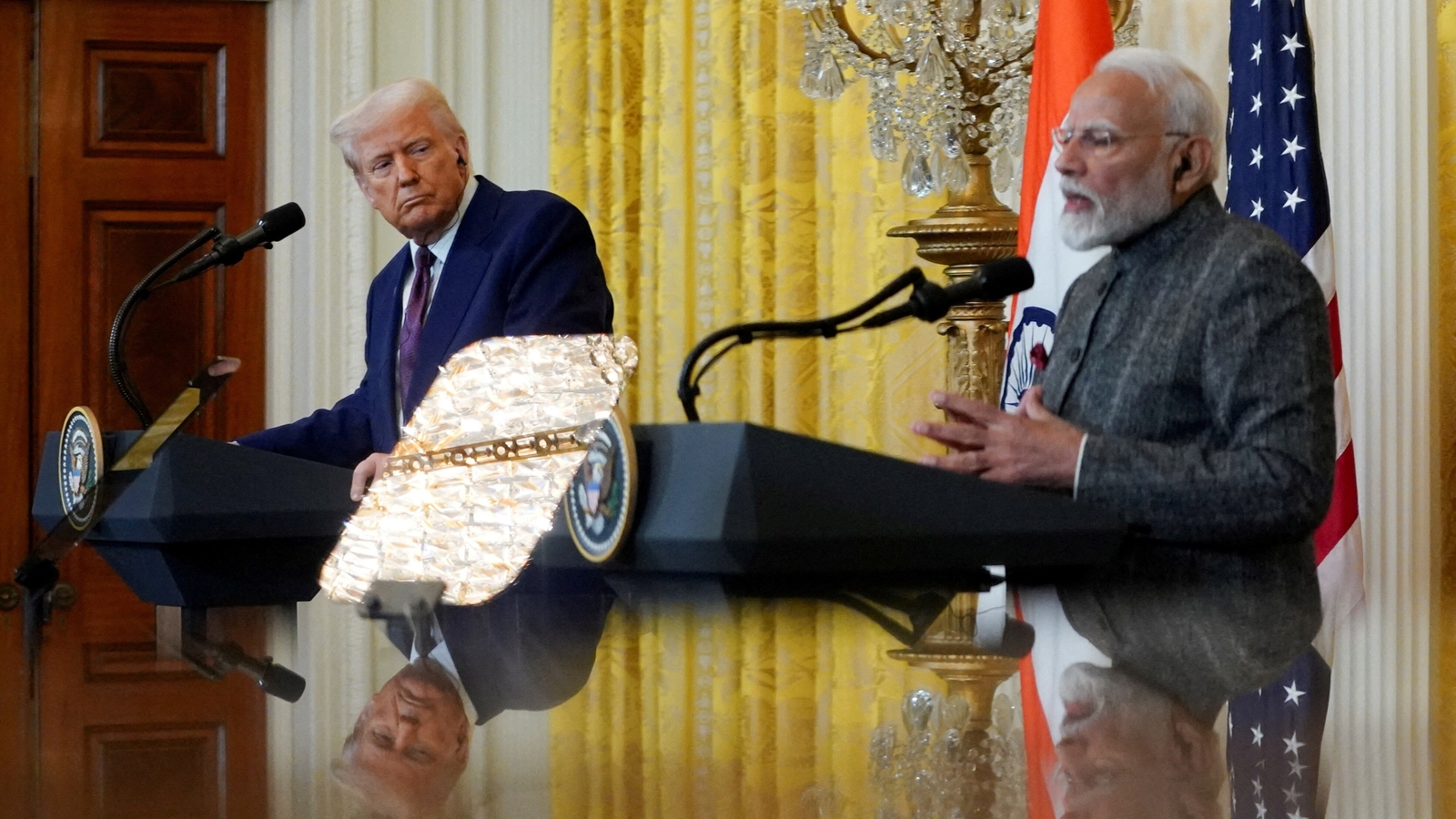
关于拟议关税的书面意见须于2027年1月5日前提交,听证会将于1月25日开始。印度总理纳伦德拉·莫迪预计将于下个月在佛罗里达举行的二十国集团领导人峰会上会见美国总统唐纳德·特朗普,双方届时可能推动达成协议,以确保印度获得较低税率。
Written comments on the proposed tariffs are due by January 5, 2027, and hearings begin on January 25. Prime Minister Narendra Modi is expected to meet President Donald Trump at next month’s G20 leaders’ summit in Florida, where the two sides could move to close the deal that would secure India’s lower rate.