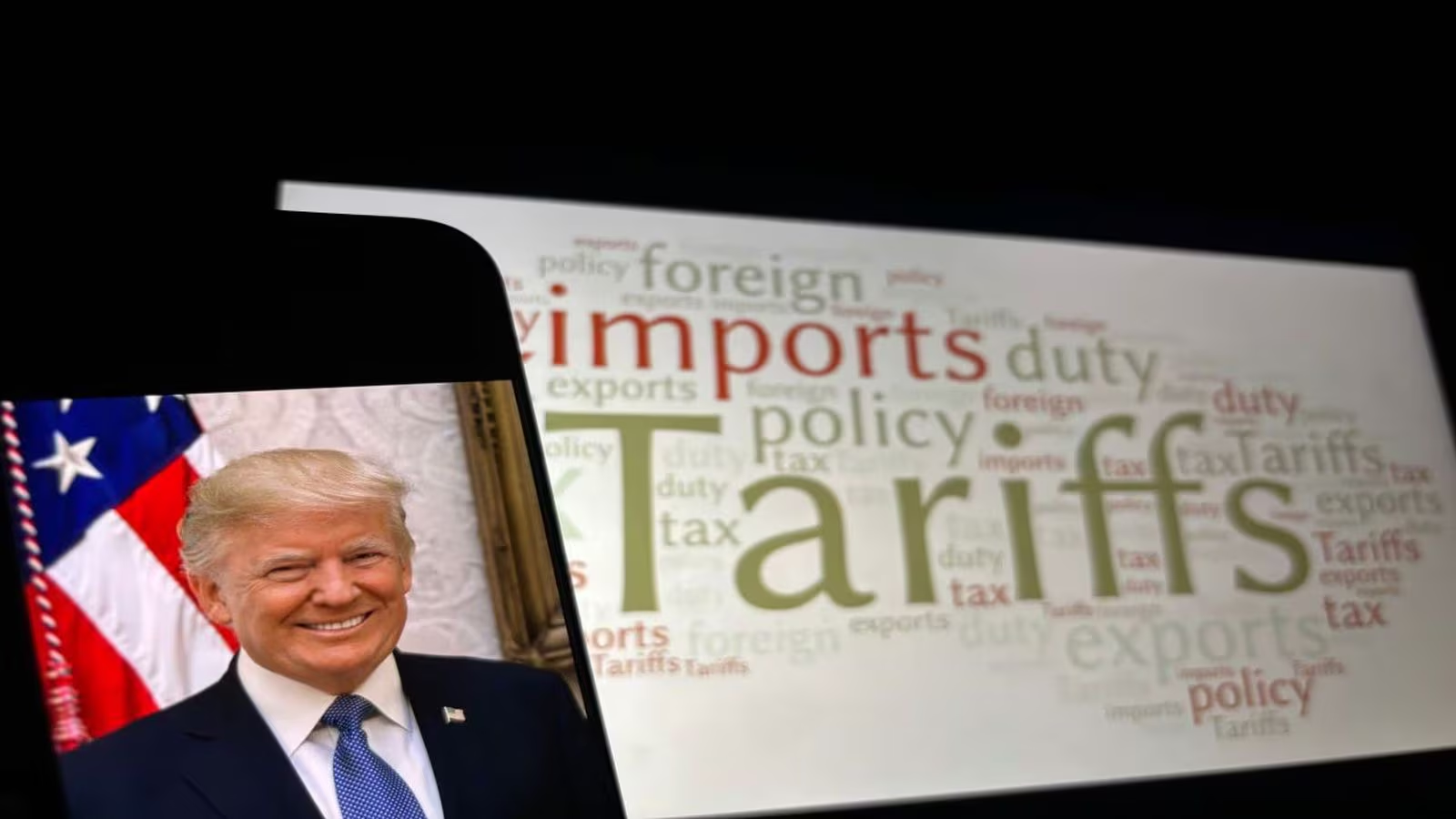
新加坡国立大学南亚研究所高级研究员阿米滕杜·帕利特表示,印度不应仅为了争取美国将关税从25%降至17%的可能性,就在敏感领域做出让步。“我真的看不出,如果8%的关税削减必须用印度认为特别敏感的领域的让步来补偿,那其中有什么巨大好处。我完全看不出其中的经济逻辑,”帕利特在接受CNBC-TV18采访时表示。
India should not make concessions in sensitive sectors just to secure a possible reduction in US tariffs from 25% to 17%, said Amitendu Palit, Senior Research Fellow at the National University of Singapore's Institute of South Asian Studies .“I really don't see what is the great benefit involved if a 8% reduction in tariffs has to be compensated by concessions in areas which India considers specifically sensitive. I don't get the economic logic behind that at all,” Palit said in an interview with CNBC-TV18.
印度与美国的贸易谈判面临新的不确定性,华盛顿提议在没有双边贸易协议的情况下征收25%的关税。如果印度签署协议并解决美国政府提出的五个问题,税率可能降至17%。
India is facing renewed uncertainty over its trade negotiations with the United States, with Washington proposing a 25% tariff in the absence of a bilateral trade agreement. The rate could come down to 17% if India signs a deal and addresses five issues raised by the US administration.
帕利特表示,“从这个意义上说,这是虚伪的,我真的认为印度非常重要,应该指出这一点。而且正如我提到的,我们已经两年没有协议了。我真的看不出,这在未来两年会带来什么巨大的、重大的变化。”
Palit said, “This is hypocritical in that sense, and I really think it's very important for India to call this out. And as I mentioned, we have lived for two years without a deal. I don't really see what is the huge, big difference this is going to make in the coming two years.”
他还指出,印度与欧盟和加拿大拟议的自由贸易协定所带来的其他市场机遇,可能有助于出口商多元化市场。
He also pointed to opportunities in other markets through India's proposed free trade agreements with the European Union and Canada, which could help exporters diversify their markets.
他质疑,为了相对有限的关税削减而接受可能损害印度核心利益的要求,其经济合理性何在。
He questioned the economic rationale of accepting demands that could compromise India's key interests for a relatively limited reduction in tariffs.
帕利特还警告称,同意当前的要求可能无法结束来自华盛顿的压力。
Palit also cautioned that agreeing to the current demands may not end the pressure from Washington.
鉴于美国政府在贸易谈判中的做法,他认为即使达成协议后,也可能出现额外的条件和要求。点击阅读 | 特朗普关税威胁不太可能动摇市场;AI股票估值令人担忧:理查德·哈里斯 印度面临开放敏感领域的压力前印度驻世界贸易组织大使贾扬特·达斯古普塔表示,美国正利用关税推动印度和其他主要经济体给予美国企业更大的市场准入。
Given the US administration's approach to trade negotiations, he believes additional conditions and demands could emerge even after an agreement is reached. Read Here | Trump tariff threat unlikely to shake markets; AI stock valuations a concern: Richard Harris India faces pressure to open sensitive sectorsJayant Dasgupta, former Indian Ambassador to the World Trade Organisation , said the US is using tariffs to push India and other major economies to provide greater market access to American businesses.
他说,最新举措是在美方根据其贸易法第301条发起的两项调查之后采取的——一项涉及强迫劳动,另一项涉及过剩结构性产能。第一项调查涵盖60个国家,导致征收10%-12%的关税,而最新行动聚焦于结构性产能过剩,旨在争取进一步的贸易让步。
He said the latest move follows two investigations launched by the US under Section 301 of its trade law — one related to forced labour and the other concerning excess structural capacity. While the first investigation covered 60 countries and resulted in tariffs of 10-12%, the latest action focuses on structural overcapacity and seeks to secure further trade concessions.
根据拟议安排,印度可能面临25%的关税,如果签署双边贸易协定并满足华盛顿设定的五个条件,关税可能降至17%。
Under the proposed arrangement, India could face a 25% tariff, which may come down to 17% if it signs a bilateral trade agreement and addresses five conditions set by Washington.
达斯古普塔说,更广泛的目标是让印度向美国企业开放市场,并签署具有约束力的贸易协定。
Dasgupta said the broader objective is to get India to open up its market to US businesses and enter into a binding trade agreement.
他补充说,中国可能面临高达45%的关税,华盛顿还寻求中国增加购买美国农产品,并解决稀土磁铁和关键矿产相关问题。
He added that China could face tariffs of up to 45%, with Washington also seeking greater purchases of American agricultural products and addressing issues related to rare earth magnets and critical minerals.
达斯古普塔指出,中国在特朗普第一任期内曾承诺购买约2000亿美元的美国商品,但未履行这些承诺。为什么印度可能难以做出让步帕利特表示,重启谈判可能要求印度重新考虑其已认定为红线的立场。
Dasgupta pointed out that China had earlier committed to buying around $200 billion worth of US goods during Trump's first term but did not fulfil those commitments. Why India may find it difficult to make concessionsPalit said reopening negotiations could require India to reconsider positions it had already identified as red lines.
鉴于政府一直试图通过国内制造和创造就业来加强的部门涉及政治敏感性,这可能会带来特别的挑战。他还将美国涉俄制裁立法标记为印度的另一项担忧。即使贸易谈判取得进展,进一步制裁的可能性也可能使关系复杂化。
This could be particularly challenging given the political sensitivity around sectors that the government has been trying to strengthen through domestic manufacturing and job creation. He also flagged the US legislation on Russia-related sanctions as another concern for India.
帕利特说:“印度将不得不始终面对这样一个事实,即无论它在贸易方面构想什么或不构想什么,都可能需要附带这样一个警示:看在俄罗斯的条件下,我们非常有准备对你们实施进一步制裁。所以这是双重打击。我不确定印度将如何应对这一点。”制造雄心增加印度的担忧帕利特还对美国针对结构性产能过剩的做法对印度制造雄心的影响提出了担忧。
Even if trade negotiations make progress, the possibility of further sanctions could complicate the relationship.“India will always have to contend with the fact that whatever it conceives or doesn't on the trade side might need to come with the caveat that look under the Russia conditions, we are very well prepared to slap further sanctions on you. So that's a double whammy. I am not sure how this will be handled by India,” Palit said.
他指出了生产挂钩激励计划和“自力更生印度”倡议等举措,这些举措有助于鼓励国内制造、投资和创造就业。他认为,在美方自身与其科技公司密切合作的同时,质疑印度等国对制造业的政府支持,引发了对华盛顿立场一致性的质疑。印度可寻求美国市场之外的出路鉴于多个国家面临来自华盛顿的类似压力,帕利特建议印度与其他受影响经济体探索协调一致的应对。
Manufacturing ambitions add to India's concernsPalit also raised concerns about the implications of the US approach towards structural overcapacity for India's manufacturing ambitions. He pointed to initiatives such as the Production Linked Incentive schemes and Atmanirbhar Bharat, which have helped encourage domestic manufacturing, investment and job creation. He argued that questioning government support for manufacturing in countries such as India, while the US itself works closely with its technology companies, raises questions about the consistency of Washington's position.
帕利特说:“我们一直在谈论‘中国加一’战略,但鉴于美国市场准入正因‘经济胁迫’而附加条件,或许也到了认真考虑‘美国加一’战略的时候了。”
India could look beyond the US marketWith several countries facing similar pressure from Washington, Palit suggested that India explore a coordinated response with other affected economies.
对印度而言,更广泛的挑战在于平衡出口机遇与保护敏感部门和国内制造优先事项的需要。
帕利特认为,拟议的降低8个百分点的关税,应根据为达成该协议所需作出的让步来进行评估。有关完整讨论,请观看随附视频。
Palit said, “We have been talking about a China Plus One strategy for long, but perhaps the time has also come to seriously think about a US Plus One strategy, given the way the US market access is getting conditioned by ‘economic coercion’.For India, the broader challenge is to balance export opportunities with the need to protect sensitive sectors and domestic manufacturing priorities. The proposed 8 percentage point tariff reduction, Palit argued, should be assessed against the concessions required to secure it.For the entire discussion, watch the accompanying video