东京 —— 一个包含前驻美大使在内的咨询小组在修订日本三份关键安全文件的起草建议中写道,日本公众可能不得不承担更重的防务建设财政负担。起草建议强调与经济基础相平衡的“综合”实力。
TOKYO -- Japan's public will likely have to assume a heavier financial burden of a defense buildup, an advisory panel that includes a former ambassador to the U.S. wrote in draft recommendations for revising the country's three key security documents. The draft stresses "comprehensive" strength balanced with an economic foundation.
起草建议称,日本应“以紧迫感,在装备和体制两方面,在五年内积累转变和强化防卫力所需的经费”。该起草建议于周三发布。
Japan should "accumulate the expenditures needed for transforming and strengthening its defense capabilities in terms of both equipment and systems within five years, with a sense of urgency," the draft, which was released Wednesday, states.
关于资金来源的措辞将继续调整。在10月的一次会议上,一些小组成员表示,不应排除增税的可能性。
The wording on funding will continue to be adjusted. In an October meeting, some panel members expressed that tax increases should not be ruled out.
起草建议称,日本公众“可能被要求承担更大的负担”,包括资金方面。它强调维持国际市场对日本的信心至关重要,日本的债务与国内生产总值之比已经很高。
The draft states that the Japanese public "may be asked to bear a greater burden," including funding. It stresses the importance of maintaining international market confidence in Japan, which already has a high ratio of debt to gross domestic product.
小组认为,这种信心的削弱可能会拖累日元,推高债券收益率和通胀,损害经济,并阻碍日本实施安全政策,呼吁在强化防卫与财政可持续性之间取得平衡。
A weakening of this confidence may drag down the yen and drive up bond yields and inflation, hurting the economy and hindering Japan's ability to implement security policies, the panel argues, calling for a balance between stronger defense and fiscal sustainability.
为配合防务建设,该提案建议“政府全力推进增强综合威慑力和应对能力的举措”,并要求各机关“统一”协作。它主张利用多种手段充分发挥有限资源的效用,包括动用一般预算以外的资金。
To complement the defense buildup, the proposal recommends "government-wide initiatives to enhance comprehensive deterrence and response capabilities" with "unified" cooperation among agencies. It calls for using diverse methods to get the most out of limited resources, including tapping funding outside of the general budget.
这些建议旨在创造“防卫与经济的良性循环”,即防卫投资带来新技术、尖端产品和产业,从而强化整体经济。它们强调具备在紧急情况下增产战略资源的能力。
The recommendations aim to create a "virtuous cycle between defense and the economy," in which investment in defense leads to new technologies and cutting-edge products and industries, strengthening the broader economy. They emphasize having the capacity to ramp up production of strategic resources in an emergency.
政府正在讨论未来五年防卫费总额在50万亿日元至60万亿日元(约合3140亿美元至3770亿美元)的区间。防卫省最初主张需要70万亿日元至80万亿日元的支出,但因财源限制难以实现。
The government is discussing total defense spending in the 50 trillion yen to 60 trillion yen ($314 billion to $377 billion) range over the next five years. The Defense Ministry initially asserted that 70 trillion yen to 80 trillion yen in spending would be needed, but funding constraints have made this difficult.
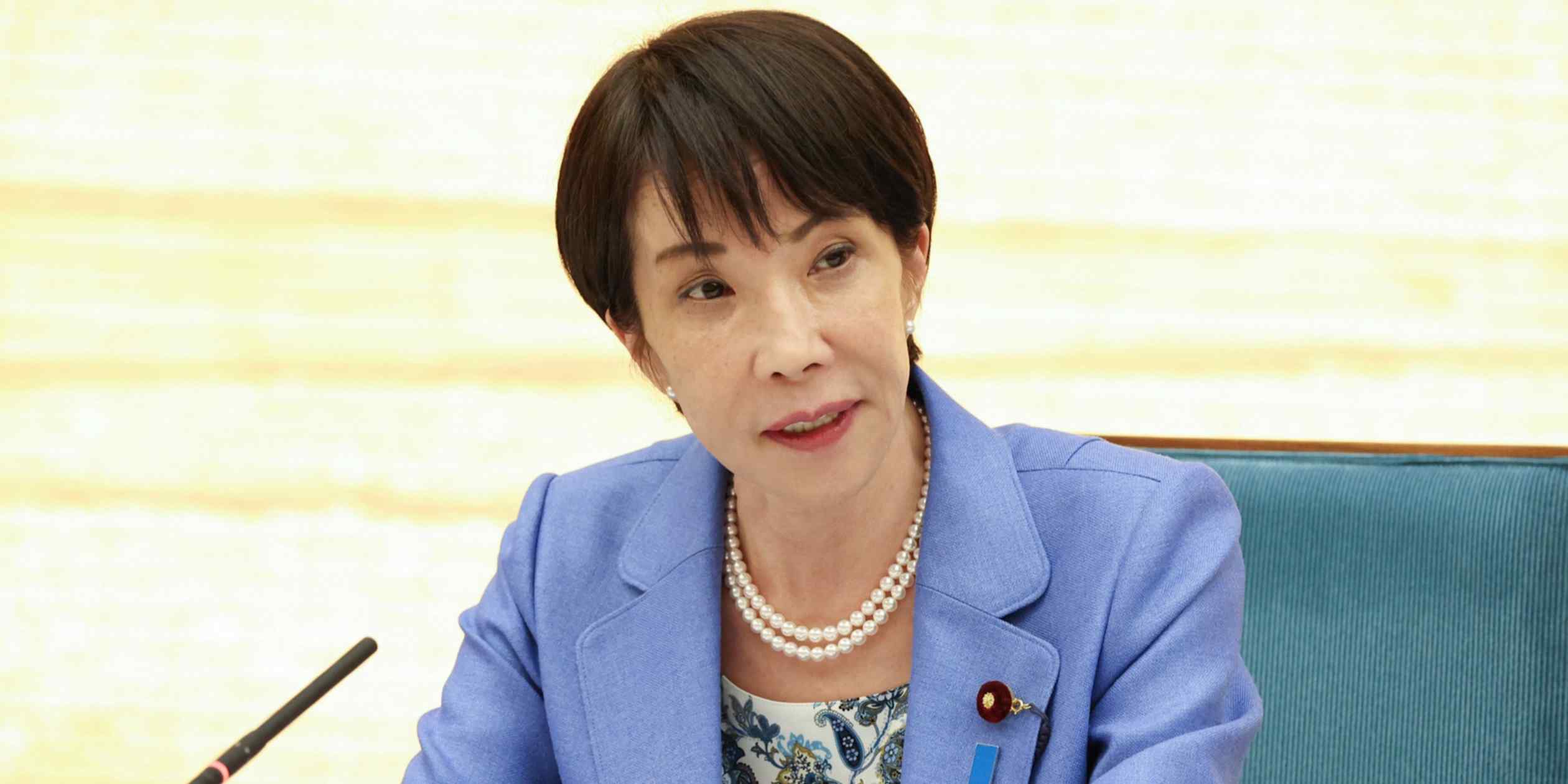
该提案由一组在外交、防卫、科学技术等领域有经验的15人组成的小组起草,自4月以来经过讨论形成。小组主席、前驻美大使佐佐江贤一郎最快将于12月中旬向首相高市早苗提交建议,以便在年底前完成修订。
The proposal was drafted by a panel of 15 people with experience in fields including foreign policy, defense, and science and technology, following discussions since April. Chair Kenichiro Sasae, a former ambassador to the U.S., will present the recommendations to Prime Minister Sanae Takaichi as early as mid-December, ahead of revisions to be completed by year-end.
草案建议涉及日本“不拥有、不制造、不引进”核武器的“三非核原则”。
The draft recommendations touch on Japan's three "non-nuclear principles" of not possessing, producing or allowing the introduction of nuclear weapons.
草案指出,作为“和平国家”,日本一直坚持专守防卫的理念,这一基本原则将予以维持。
They state that as a "peaceful nation," Japan has adhered to the idea of a purely defense-oriented policy, and that this basic principle will be maintained.
附带的说明部分记述了小组就该问题的讨论情况,指出有成员主张政府应重新考虑“不引进核武器”这一想法,以确保核威慑的有效性。草案建议还主张政府应考虑开发和引进核潜艇的优缺点。
The explanatory remarks go into the panel's discussions on the issue, noting that some members expressed the view that the government should reconsider the idea of not letting nuclear weapons into the country to ensure the effectiveness of nuclear deterrence. The draft recommendations also argue the government should consider the merits and drawbacks of developing and introducing nuclear submarines.
文件论及人工智能和网络战,主张日本需要将其在网络空间的机能提升至与美国、欧洲等主要参与者同等水平。文件还强调空中、水下、水面和地面无人机的重要性,以及在国内生产这些无人机。
The document discusses AI and cyber warfare, arguing that Japan needs to bring its ability to function in cyberspace to the same level as major players such as the U.S. and Europe. It also emphasizes the importance of aerial, underwater, surface and ground drones, and of producing them domestically.