分析人士警告,首尔商定的 15% 关税税率可能因芯片产能过剩指控及 3500 亿美元投资承诺而升至 25%,韩方正在反驳。
Analysts warn Seoul’s 15 per cent tariff rate could hit 25 per cent over chip glut claims and a US$350 billion pledge as Seoul pushes back.
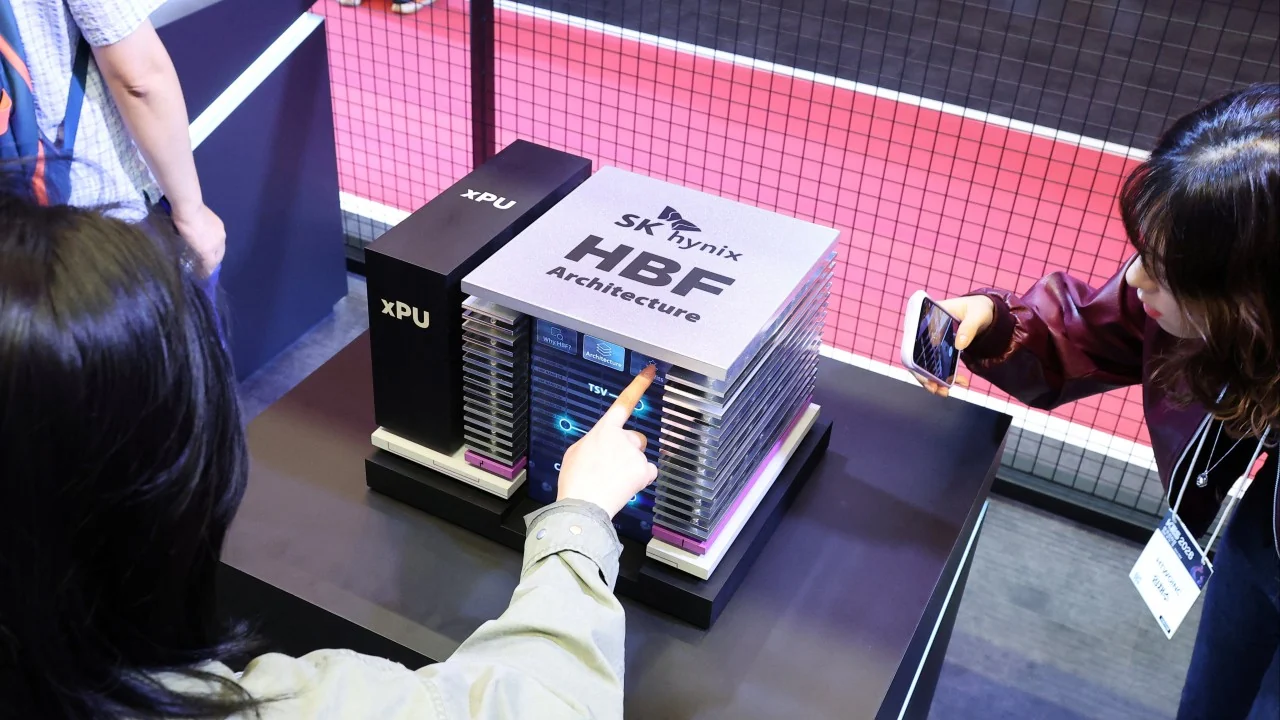
游客在韩国首尔举行的第 28 届半导体展览会上参观 SK 海力士展台。图:路透社分析人士表示,美国最新的贸易调查给韩国制造了两难局面:既要捍卫帮助其成为半导体强国的国家支持型产业战略,又面临重新施压,要求将更多产能转移至美国以兑现投资承诺。
Visitors view an SK Hynix display at the 28th Semiconductor Exhibition in Seoul, South Korea in October. Photo: Reuters Washington’s latest trade investigation has created a dilemma for South Korea , forcing it to defend the state-backed industrial strategy that helped make it a semiconductor powerhouse while facing renewed pressure to shift more manufacturing capacity to the United States to deliver on investment commitments, analysts said.
他们警告,此举可能让华盛顿获得筹码,重新审视关税条款、强制执行现有投资承诺,并迫使首尔承诺向美国投入更多资金。
They warned the move could give Washington leverage to revisit tariff terms, enforce existing investment pledges and press Seoul to commit more capital to the US.
美国贸易代表办公室(USTR)周三提议对 14 个主要贸易伙伴——包括韩国、中国、日本和欧盟——加征新关税,理由是存在产能过剩,此前 3 月启动的针对 16 个经济体的调查,对墨西哥和挪威的裁定尚待作出。
The Office of the US Trade Representative (USTR) on Wednesday proposed new tariffs targeting 14 major trading partners – including South Korea, China, Japan and the European Union – over what it described as excess industrial capacity, following an investigation launched in March across 16 economies that left determinations on Mexico and Norway pending.
尽管首尔坚持去年与华盛顿达成的贸易协定中商定的 15% 关税税率将维持不变,但分析人士警告,若韩国未能履行协议中包含的 3500 亿美元投资承诺,税率可能升至 25%。
While Seoul insists the 15 per cent tariff rate agreed under its trade deal struck with Washington last year will remain in place, analysts warned it could rise to 25 per cent if South Korea failed to honour the US$350 billion investment pledge included in the agreement.
“USTR 的 301 调查报告实际上使 15% 关税税率成为有条件的,若不满足特定条件,税率有可能升至 25%,”西江大学经济学教授许正(音)表示。
“The USTR’s Section 301 investigation report has effectively made the 15 per cent tariff rate conditional, with the possibility of an increase to 25 per cent if certain conditions are not met,” said Hur Jung, an economics professor at Sogang University.
“半导体产能过剩的指控以及美国3500亿美元投资计划实施的延迟,已成为主要风险因素,”他说。
“Allegations of semiconductor overcapacity and delays in implementing the US $350 billion investment package have emerged as major risk factors,” he said.
他补充称,除中国等非市场经济体外,韩国需要继续说服华盛顿,其产业战略旨在供应链合作,而非市场经济体之间的竞争。
South Korea needed to continue convincing Washington that its industrial strategy was aimed at supply-chain cooperation rather than competition among market economies, aside from non-market economies such as China, he added.
美国贸易代表办公室指责韩国通过政府主导的产业政策、优惠融资和激进的出口促进,导致全球产业产能过剩,认为这些做法扭曲市场竞争并削弱美国制造业。
The USTR accused South Korea of contributing to global industrial overcapacity through government-led industrial policies, preferential financing and aggressive export promotion, arguing that these practices distort market competition and undermine American manufacturing.
其长达194页的报告依据1974年美国贸易法第301条编制而成,将汽车、半导体和石化行业认定为问题尤为突出的领域。报告称,数十年的产业规划导致首尔采取日益激进的政策以扩大制造业产能,却未能充分监管外国直接投资,也未能应对来自非市场经济体(特别是中国)不断增长的进口。许某表示,该调查给贸易关系带来了新的摩擦点。
Its 194-page report, compiled under Section 301 of the US Trade Act of 1974, identified the automotive, semiconductor and petrochemical industries as particularly problematic. It argued that decades of industrial planning had led Seoul to pursue increasingly aggressive policies to expand manufacturing capacity while failing to adequately regulate foreign direct investment and address growing imports from non-market economies, particularly China. Hur said the investigation had introduced a new friction point into the trade relationship.
“产能过剩问题是原协议中未包含的新争议点,”他说。韩国釜山新港的集装箱和起重机,摄于8月。图:法新社韩国国际贸易协会贸易政策与战略部部长赵成大表示,该报告似乎主要意在施压首尔落实去年概况说明书中列出的双边贸易和投资承诺。
“The issue of overcapacity is a new point of contention that was not included in the original agreement,” he said. Shipping containers and cranes sit at Busan New Port in South Korea in August. Photo: AFP Cho Seong-dae, director of trade policy and strategy at the Korea International Trade Association, said the report appeared primarily intended to pressure Seoul into implementing the bilateral trade and investment commitments outlined in last year’s fact sheet.
“华盛顿似乎是在寻找维持现有关税水平的理由,而非明确威胁将关税提高至25%,”赵成大说。
“Washington appears to be seeking justification for maintaining the existing tariff levels, rather than explicitly threatening to raise tariffs to 25 per cent,” Cho said.
他补充说,这份报告还应结合美国最高法院2月份的裁决来理解,该裁决认定美国总统唐纳德·特朗普单方面实施的关税措施违法。这项调查并非直接威胁加征更高关税,而是可能为华盛顿提供另一种法律和制度依据,以维持现有关税,同时施压首尔履行去年11月达成的贸易协定下的承诺。
He added that the report should also be understood in the context of the US Supreme Court’s February ruling that unilateral tariff measures imposed by US President Donald Trump were unlawful. Rather than directly threatening higher tariffs, the investigation could give Washington an alternative legal and institutional basis for keeping existing tariffs in place while pressing Seoul to honour its commitments under the trade agreement reached last November.
韩国经济产业研究院经济研究部部长金光锡表示,华盛顿似乎正利用过度生产的指控来维持高关税,并向主要贸易伙伴施压,迫使其兑现现有投资承诺并在美国追加投资。
Kim Kwang-suk, head of the economic research department at the Korea Economic and Industrial Research Institute, said Washington appeared to be using allegations of overproduction to maintain high tariffs and pressure major trading partners into fulfilling existing investment pledges and making additional investments in the US.
金光锡说:“特朗普政府似乎通过援引对过剩产能的担忧,为其强势关税政策找到了新的理由,这可能提供额外筹码,要求贸易伙伴兑现现有投资承诺——并承诺比已承诺的更多。”
“The Trump administration appears to have found a new rationale for its high-handed tariff policy by invoking concerns over excess production, potentially providing additional leverage to demand that trading partners deliver on existing investment promises – and commit to more than they have already pledged,” Kim said.
美国贸易代表办公室辩称,韩国以制造业为导向的经济模式过度依赖扩大产能和出口,而非刺激国内消费。该办公室引用数据称,以2021年至2025年平均值计算,韩国货物出口占其国内生产总值的35.9%,而美国这一比例为7.1%。
The USTR argued that South Korea’s manufacturing-oriented economic model relied excessively on expanding production capacity and exports rather than stimulating domestic consumption. It cited goods exports equivalent to 35.9 per cent of South Korea’s gross domestic product, compared with 7.1 per cent in the US, based on 2021–25 averages.
审查的重点指向首尔2021年推出的“K-半导体带”战略,该战略旨在到2030年建立全球最大的半导体供应链。
Particular scrutiny was directed at Seoul’s K-Semiconductor Belt strategy, introduced in 2021 with the aim of establishing the world’s largest semiconductor supply chain by 2030.
报告指出,韩国计划在未来二十年投入约5300亿美元用于半导体投资,为研发提供高达50%的税收优惠,为设施投资提供20%的税收优惠,同时政府还在电力、供水及其他基础设施方面提供支持,并为芯片制造商提供优惠融资。
The report pointed to around US$530 billion in planned semiconductor investment over two decades, tax incentives of up to 50 per cent for research and development and 20 per cent for facility investment, as well as government support for electricity, water supplies and other infrastructure, alongside preferential financing for chipmakers.
报告还强调了光州和全罗地区拟建的半导体集群,该集群获得企业约800万亿韩元(约合5180亿美元)的投资承诺,以及韩国在全球存储芯片市场的主导地位。
It also highlighted the proposed semiconductor cluster in the Gwangju and Jeolla regions, backed by corporate investment commitments of around 800 trillion won (US$518 billion), and South Korea’s dominant position in the global memory chip market.
根据报告,三星电子和SK海力士合计占全球动态随机存取存储器(DRAM)产量的70%以上,以及NAND闪存产量的51%。
Samsung Electronics and SK Hynix together accounted for more than 70 per cent of global dynamic random-access memory (DRAM) production and 51 per cent of NAND flash production, according to the report.
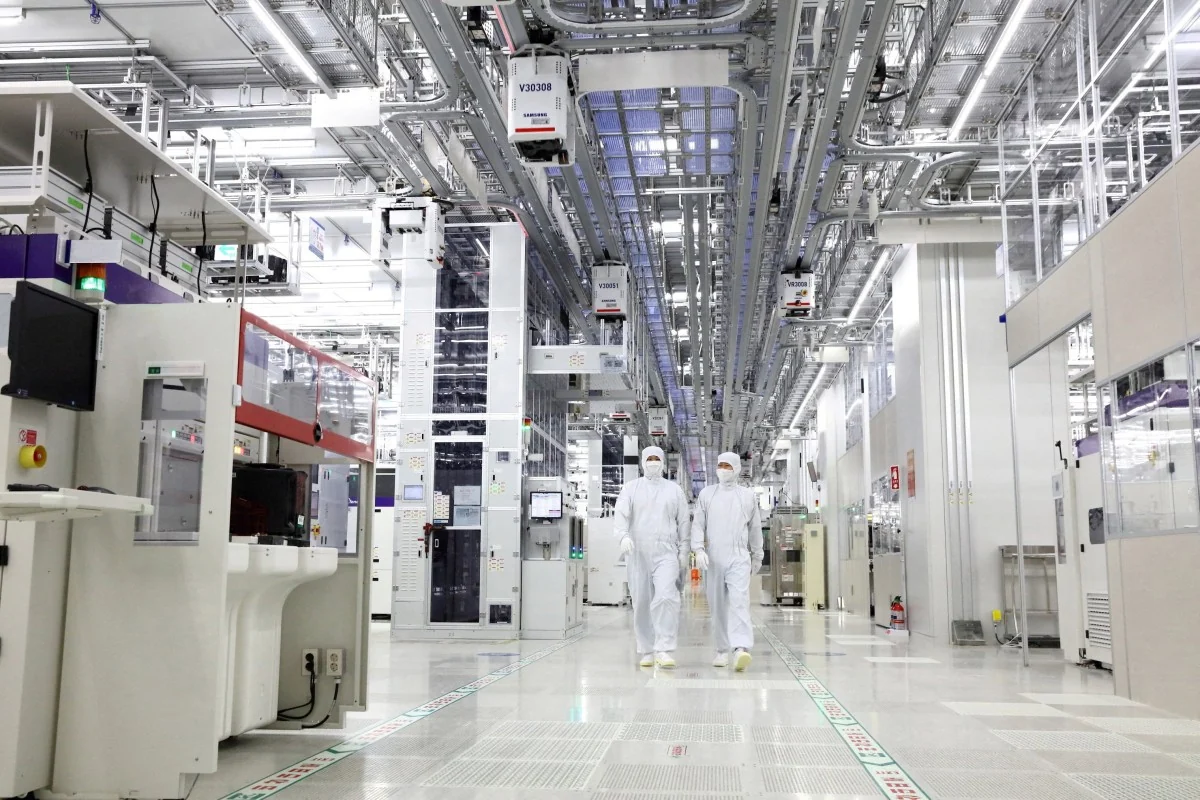
尽管半导体产品在调查项下拟加征的关税中被豁免,但该行业的国内生产和投资政策仍然是华盛顿指控的核心焦点。首尔高丽大学一名半导体工程专业研究生,摄于6月。图:路透社韩方驳回了将其产业政策描述为导致结构性过剩生产的说法,辩称其支持措施旨在强化企业创新、提供工业发展所需基础设施,而非不顾市场需求鼓励国家主导的扩张。
Although semiconductor products were exempt from the proposed additional duties under the investigation, the sector’s domestic production and investment policies remained a central focus of Washington’s allegations. A graduate student in semiconductor engineering at Korea University in Seoul in June. Photo: Reuters South Korea rejected the characterisation of its industrial policies as contributing to structural overproduction, arguing that its support measures were designed to strengthen corporate innovation and provide infrastructure needed for industrial development rather than encourage state-led expansion regardless of market demand.
“我们的产业政策依据市场原则,为企业创新和基础设施提供间接支持。它们并非旨在鼓励国家主导的过剩生产,”产业部一名官员表示。
“Our industrial policies provide indirect support for corporate innovation and infrastructure in accordance with market principles. They are not designed to encourage state-led overproduction,” an industry ministry official said.
首尔还获得华盛顿保证,最终关税税率将与去年达成的双边贸易协定保持一致。
Seoul also received assurances from Washington that the final tariff rate would remain consistent with the bilateral trade agreement reached last year.
一位官员周三在背景吹风会上对记者表示:“在宣布前的磋商中,美方确认最终适用的关税将遵守两国达成的协议。”
“During consultations ahead of the announcement, the US side confirmed that the final applicable tariff would honour the deal reached between the two countries,” the official told reporters in a background briefing on Wednesday.
该官员称,这一保证已通过多个渠道重申,包括在高层层面,并表示首尔将在后续磋商和听证会上继续争取约定的关税税率。
The official said the assurance had been repeated through multiple channels, including at senior levels, and that Seoul would continue to press for the agreed tariff rate during subsequent consultations and hearings.
但分析人士驳回了华盛顿关于半导体产能过剩的指责,认为该行业难以跟上全球需求快速增长的步伐。
But analysts dismissed Washington’s allegations of semiconductor overcapacity, arguing that the industry was struggling to keep pace with rapidly growing global demand.
许某表示,首尔需要更有力地论证半导体行业面临供应短缺,而非产出超过了市场所能吸收的程度。
Hur said Seoul needed to make a stronger case that the semiconductor industry faced supply constraints rather than producing more than the market could absorb.
他说:“美国似乎希望韩国减少国内半导体生产,并将更多制造产能转移至美国。”他指出,特朗普曾在1月威胁因韩国建设半导体工厂而征收25%关税,类似论调如今在最新调查中再次浮现。
“The US appears to want South Korea to reduce semiconductor production at home and shift more manufacturing capacity to the United States,” he said, noting that Trump had threatened in January to impose 25 per cent tariffs over the construction of semiconductor plants in South Korea, and that similar arguments had now resurfaced in the latest investigation.
金某表示,需求近期已超过供应,尤其是在存储芯片领域,随着制造商难以生产足够芯片以满足不断增长的需求,DRAM价格飙升数倍。
Kim said demand had recently outpaced supply, particularly in the memory chip sector, with DRAM prices surging severalfold as manufacturers struggled to produce enough chips to meet growing requirements.
他说,对韩国而言,当务之急是说服华盛顿,其半导体行业面临的是全球产能短缺,而非产生过剩供应。
For South Korea, the immediate priority should be to convince Washington that its semiconductor industry faced a global shortage of production capacity rather than generating excess supply, he said.
他补充道:“如果进一步的投资承诺成为必要,首尔应确保其结构服务于韩国更广泛的经济利益,而非仅仅回应美国的施压。”
“If further investment commitments become necessary, Seoul should ensure that they are structured in ways that serve South Korea’s broader economic interests, rather than simply responding to American pressure,” he added.
栏目:本周亚洲 / 政治 / 新闻 / 亚洲 / 东亚 / 世界 / 美国与加拿大 | 专题:韩国、美国、首尔、西江大学、三星电子、美国贸易代表、韩国国家战略研究院短链接: 阅读 SCMP 原文
Sections: This Week in Asia / Politics / News / Asia / East Asia / World / United States & Canada | Topics: South Korea, United States, Seoul, Sogang University, Samsung Electronics, US Trade Representative, Korea Research Institute for National Strategy Short link: https://sc.mp/krh4y Read the original article on SCMP