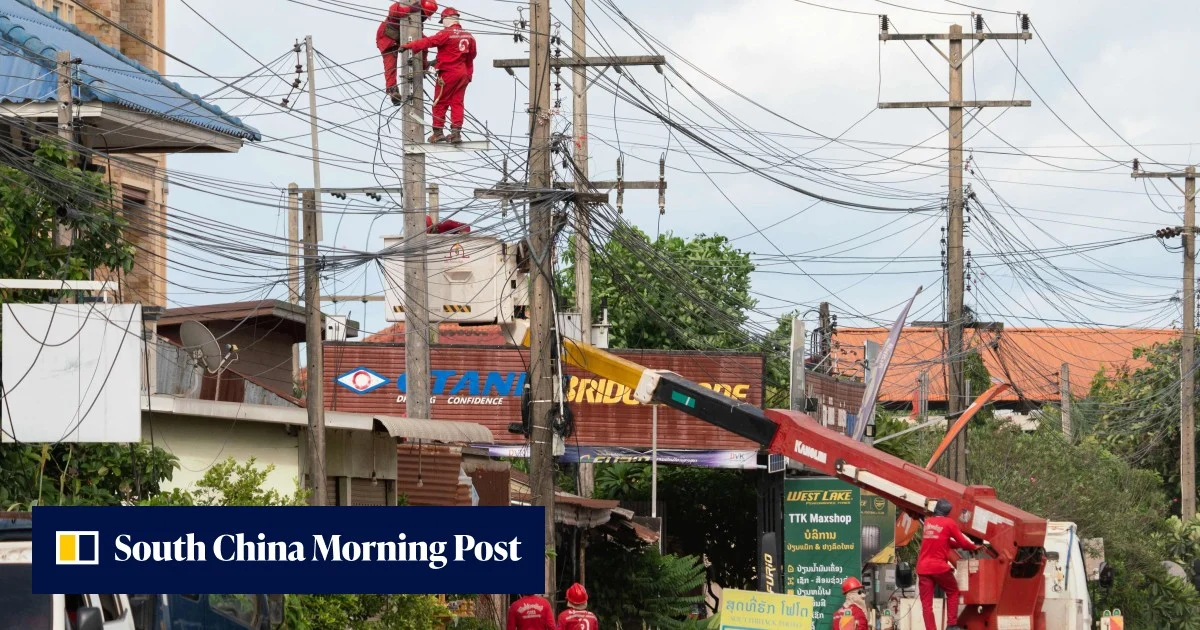
根据国际能源署周二发布的报告,东南亚地区的能源供应风险正迅速增加,而各国应对电力需求激增的解决方案却迟迟未能跟上。
Risks to Southeast Asia’s energy supplies are multiplying faster than nations are coming up with solutions to meet rapidly rising demand for electricity, according to an International Energy Agency report released on Tuesday.
东南亚地区对能源的需求似乎永无止境。然而如今,受伊朗战争等因素影响,能源价格持续上涨,该地区正面临能源供应紧张的局面。与此同时,经济快速发展的东南亚各国还需大量电力来为数据中心供电,并满足居民与企业的制冷需求。
Southeast Asia has a seemingly insatiable appetite for energy, but the region is now in a pinch as energy costs rise, partly due to the Iran war. Fast-growing Southeast Asian economies also need more electricity to power data centres and keep homes and businesses cool.
为提升区域能源安全水平,报告指出东南亚各国应实现电力互通共享,并努力实现能源来源多元化。不过分析人士指出,各国还面临诸多阻碍:邻国间的领土争端、各国能源市场体制的差异等。他们警告称,这些障碍可能使该地区始终易受能源危机的冲击。
To boost regional energy security, the report says Southeast Asian nations should share electricity among each other and diversify where they get their power. But countries face multiple hurdles, from territorial conflicts between neighbours to differing types of national energy markets, according to analysts, who warn these barriers may keep the region vulnerable to energy shocks.
国际能源署执行主任法提赫·比罗尔在声明中表示:“东南亚是全球最具活力的地区之一,但在全球能源形势日益不确定的背景下,该地区经济增长所需的能源供给却面临重重挑战。”
“Southeast Asia is one of the world’s most dynamic regions, but its rising needs for energy to power its economic growth face challenges in an increasingly uncertain global energy landscape,” Fatih Birol, the IEA executive director, said in a statement.
伊朗战争目前已持续七个月,国际能源署警告称,随着东南亚各国的电力需求增速超过发电能力增长速度,东盟各成员国的能源安全问题将愈发严峻。
With the Iran war now bleeding into its seventh month, the IEA warns energy security issues among the Association of Southeast Asian Nations will intensify as the region’s electricity demands outpace growth in power generation.
快速的工业化、城市化进程以及生活水平的提高持续推动着东南亚地区的能源需求。过去十年间,该地区人均能源需求量增长了近30%。国际能源署预测,受制冷、数据中心建设及工业发展需求驱动,从现在至2030年,该地区能源需求年均增速将达5.4%。
Rapid industrialisation, urbanisation and rising living standards are driving Southeast Asia’s energy demand, which has risen almost 30 per cent per person over the last 10 years. From now until 2030, the IEA forecasts demand will expand at an average annual rate of 5.4 per cent because of demand for cooling, data centres and industry.
霍尔木兹海峡通航受阻引发的能源危机给东南亚敲响了警钟,该地区如今正饱受燃料短缺与成本飙升之苦。
The energy crisis stemming from the closure of the Strait of Hormuz has been a wake-up call for Southeast Asia, which has suffered fuel shortages and soaring costs.
与经济更为发达的东亚邻国日本和韩国不同,东南亚各国的能源储备有限,应对能源危机的资源也相对匮乏。
Unlike their wealthier East Asian neighbours Japan and South Korea, countries in Southeast Asia have limited energy reserves and fewer resources for dealing with the crisis.
为求生存,这些国家纷纷采取能源配给措施以节约用电,同时增加煤炭消耗量并大量采购俄罗斯原油。但随着冲突持续,该地区也由此催生了一系列清洁能源政策——从核能合作协议,到太阳能补贴,再到鼓励民众购买电动汽车的激励措施。
To survive, countries went into a state of energy triage to conserve power, while also burning more coal and buying Russian crude oil. But as the conflict lengthened, it also led to new policies for cleaner power – from nuclear energy agreements, to solar power subsidies and incentives for buying electric vehicles.
零碳分析机构的艾米·孔指出,这些举措有助于实现该地区能源结构的多元化。“伊朗冲突让各国政府清醒地认识到了现实情况,”她说道。
That can help diversify the region’s energy sector, according to Amy Kong, with Zero Carbon Analytics. “The Iran war has given governments a bit of a reality check,” she said.
国际能源署认为,若想提升能源安全水平,东南亚各国必须继续拓宽能源供应渠道与来源,充分利用本土能源资源,同时加快电气化进程并提升能源利用效率。
If Southeast Asia wants to improve its energy security, nations need to continue diversifying energy supply sources and routes, make greater use of domestically available energy resources and accelerate electrification alongside efficiency improvements, according to the IEA.
总部位于雅加达的能源转型研究所的普特拉·阿迪古纳表示,各国必须迅速采取行动。“东南亚正处于十字路口,”他说道,“该地区在推进能源转型、实现传统能源来源多元化方面亟需实施更为彻底的变革。”本文由美联社提供
Countries needed to act, and move faster, said Putra Adhiguna, with the Jakarta-based Energy Shift Institute. “Southeast Asia is at a crossroads,” he said. “There needs to be much more drastic change in how the region adopts the energy transition and diversifies its traditional energy sources.”By Associated Press