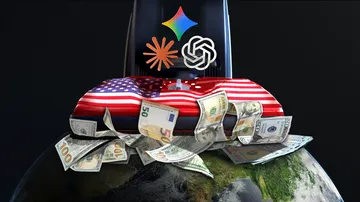
作者:大卫·罗维拉(David Rovella) 全球流动的资金比以往任何时候都要多,其中很大一部分正流向同一个地方:人工智能。这可能会成为美国政府、发展中国家和全球经济的一个难题。
By David Rovella There’s more money flying around the world than ever, and a lot of it is headed to one place: artificial intelligence. That could become a problem for the US government, developing nations and the global economy.
在本周的纪录片中,我们剖析了人工智能热潮如何迅速将财富集中在华尔街称之为“七巨头”的公司身上,以及那些从该技术大规模建设中获利的厂商和国家。问题之一是什么?原本用于购买主权债务、投资发展中国家和传统行业的资金,现在却被注入了一场风险更高、且回报无法保证的赌注中。与此同时,资本的大规模转移正将全球贸易失衡推向自2008年以来未见的高度。我们都知道当时发生了什么。
In this weekly documentary by , we unpack how the AI boom has quickly concentrated wealth not only in those seven companies Wall Street calls magnificent, but the firms and nations profiting from the technology’s massive buildout. One problem? Money that would otherwise be buying sovereign debt or investing in developing nations and traditional industries is instead being funneled into a riskier bet with no guarantee of return. Meanwhile, the massive shift in capital is pushing global trade imbalances to levels unseen since 2008. And we all know what happened then.
韩国、日本和台湾地区的公司是美国各地涌现的数据中心所需的关键半导体的核心制造商。这导致了巨额现金的积累(拜购买这些芯片的美国科技巨头所赐),并引发了对高回报的追逐。在某些情况下,这些现金又直接流回到了由这些美国人工智能公司发行的股票和债券中。
Companies in South Korea, Japan and Taiwan are the main producers of semiconductors critical to the data centers sprouting up all over the US. That’s led to vast amounts of cash piling up — courtesy of the US tech giants buying those chips — and a search for good return. In some cases, that cash is heading right back into stocks and bonds issued by those same American AI companies.
历史分析表明,这些经济体的资金越充足,在投资这些现金时所能承受的风险就越高。这种现实正在当下上演,越来越多的资金涌入股票和公司债券,而不是美国国债等低风险投资。目睹美国政府及其他国家债务收益率的上升,你就会开始明白人工智能革命正在产生多么巨大的影响——以及如果它未能达到预期所带来的严重后果。
Historical analyses show that the more flush those economies become, the greater the risk tolerance when it comes to where all that cash is invested. And that reality is playing out right now, as more money pours into equities and corporate bonds rather than lower-risk investments like US Treasuries. Witness the rising yields of US government debt, as well as that of other nations, and you begin to see just how big an impact the AI revolution is having — and the grave consequences if it falls short.