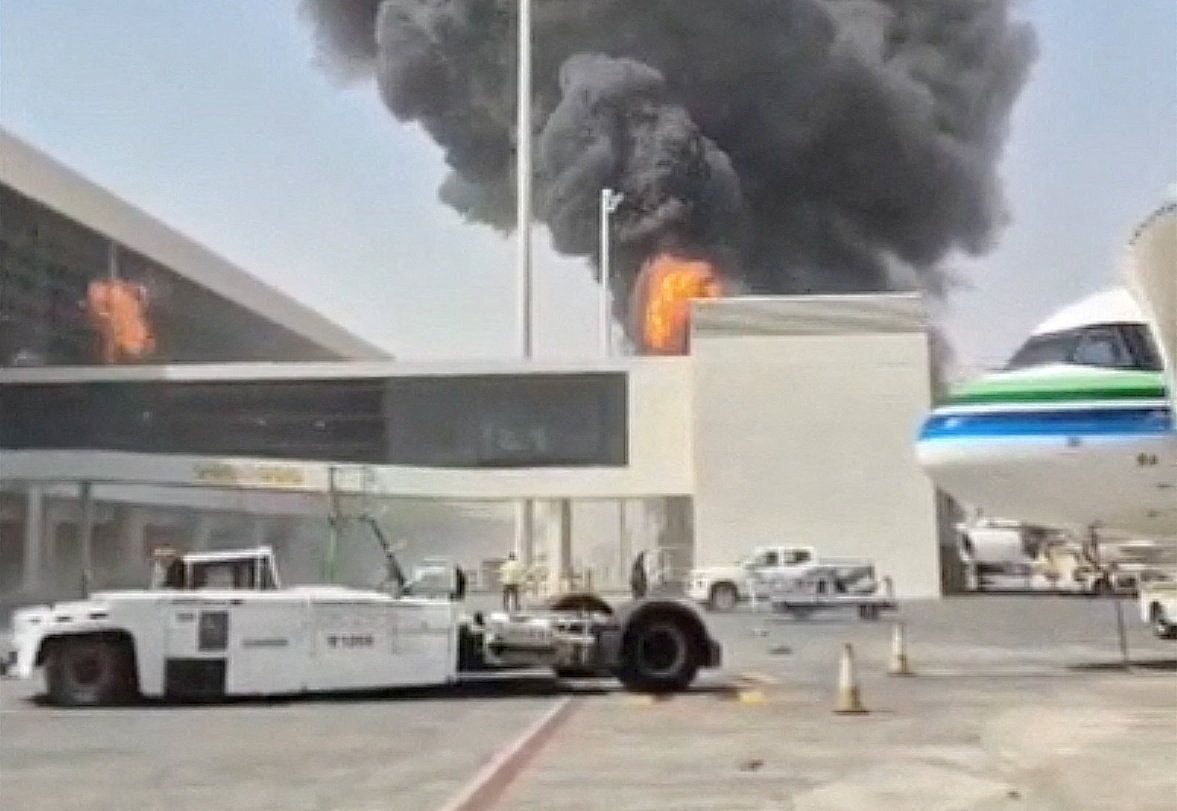
周二油价小幅下跌,因为沙特石油高管们在首都机场遭遇重大袭击后试图安抚市场。胡塞武装袭击事件发生后,国际能源巨头们大多缺席了本周在利雅得首次举办的世界石油理事会能源大会。英国石油公司、壳牌和道达尔能源的首席执行官,以及包括美国能源部长克里斯·赖特在内的一众国际部长因袭击事件退出。
Oil prices ticked down on Tuesday as Saudi oil executives sought to reassure the market following a major attack on the capital’s airport. International energy bosses were largely absent from this week’s World Petroleum Council Energy Congress, held in Riyadh for the first time, after the Houthi attack. The CEOs of BP, Shell, and TotalEnergies, along with a host of international ministers, including US Energy Secretary Chris Wright, dropped out due to the strikes.
这导致参会人数比预期更少,与会者主要是当地高管,他们听取了沙特寻求更深层次国际合作以保障能源供应和贸易路线的呼声。沙特阿拉伯可以建设更多管道并提升储存能力,但“即使是像我们这样有能力且充满信心的国家,也无法独自保障它们,”沙特阿美首席执行官阿明·纳赛尔表示。
That left a thinner-than-expected crowd, mostly made up of local executives, to hear the kingdom seek deeper international cooperation to secure energy supplies and trade routes. Saudi Arabia can build more pipelines and boost storage capacity, but “no one nation, even one as capable and confident as ours, can safeguard them alone,” Aramco chief executive Amin Nasser said.
他的言论反映出外国投资者在该地区能源行业中的作用日益增长,这种趋势早在伊朗战争之前就已经开始扩大。长期以来被边缘化的海湾能源公司如今越来越将国际能源企业和全球投资视为其锁定碳氢化合物出口客户、投资基础设施以及将其他国家纳入其安全体系计划中不可或缺的一部分——而过去那种以石油换取安全的安排方式已无法保证这一点。
His comments reflect the growing role of foreign investors in the region’s energy industry, already expanding even before the Iran war. Long relegated to minor roles, the Gulf energy companies increasingly see international energy firms and global investors as an integral part of their plans to lock in customers for their hydrocarbon exports, invest in their infrastructure, and bind other states into their security in a way that the old expectations of oil for security arrangements have failed to guarantee.