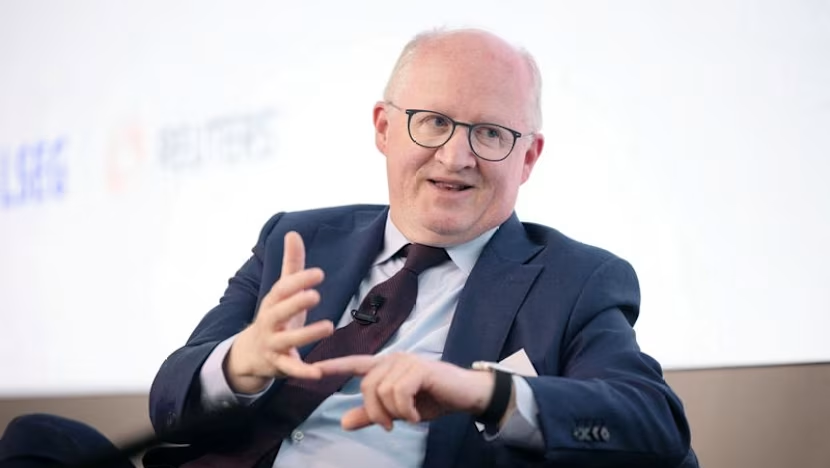
法兰克福,10月13日:欧洲央行首席经济学家菲利普·莱恩周二表示,欧元区企业对人工智能的使用增加可能会削弱工人要求更高工资的能力,而对新技术的大规模投资可能会显著收紧融资条件。
FRANKFURT, Oct 13 : The increased use of AI by euro zone companies could curb workers' ability to demand higher wages while heavy investment into the new technology may be materially tightening financing conditions, ECB chief economist Philip Lane said on Tuesday.
尽管通胀目前因能源价格高企而接近欧洲央行2%目标的两倍,政策制定者正在寻找第二轮价格效应的迹象,但迄今为止尚未发现此类影响,尤其是在工资增长方面。
With inflation now running at nearly twice the ECB's 2 per cent target on expensive energy, policymakers are searching for signs of second-round price effects, but have so far concluded there are none, especially in wage growth.
莱恩表示,虽然人工智能尚未改变就业趋势,但招聘计划趋于谨慎,这限制了工人要求补偿高通胀的能力,这可能解释了为何工资增长在高通胀背景下仍在放缓。
While AI has not changed employment trends, hiring plans are muted and this limits workers' ability to demand compensation for high inflation, Lane said, offering a potential explanation for why wage growth is slowing, despite high inflation.
“人工智能替代某些类型工人的潜力也可能削弱工人的议价能力,从而抑制工资增长并降低劳动收入在总收入中的份额,”莱恩在都柏林的一次演讲中表示。
"The potential for AI to replace some types of workers may also weaken the bargaining power of workers, moderating wage growth and reducing the labour share in total income," Lane said in a speech in Dublin.
虽然莱恩未直接讨论当前货币政策,但他指出,全球企业为融资人工智能项目而大举借贷,这正在推高所有人的借贷成本,并以目前与欧洲央行政策相关的幅度收紧融资条件。
While Lane did not directly discuss current monetary policy, he said that companies around the globe are borrowing so heavily to fund AI that this is pushing up borrowing costs for everyone and tightening financing conditions by a rate that is now relevant for ECB policy.
“这种溢价效应传导至欧元区债券市场意味着长期利率的上升构成了对欧元区金融状况的显著收紧,”莱恩表示。“这是欧洲央行在确定适当货币政策立场时需要考虑的相关因素。”他的言论具有重要意义,因为欧洲央行一直在加息以防止通胀根深蒂固,而总体融资条件的收紧可能意味着欧洲央行在抑制价格增长方面可能需要采取较少的行动,一些经济学家如此表示。
"The spillover to the euro area bond market means that the increase in long-term interest rates constitutes a material tightening of financial conditions for the euro area," Lane said. "This is a relevant factor for the ECB in determining the appropriate monetary policy stance." The comments are significant since the ECB has been raising interest rates to prevent inflation from getting embedded and tighter overall financing conditions could mean the ECB may need to do less to tame price growth, some economists say.
莱恩还表示,人工智能在长期内也可能对经济产生相关影响,通过提升潜在产出和趋势增长,从而提高经济的潜在“速度上限”。
AI could also have a relevant impact for the economy over the longer term, raising potential output and trend growth, which would increase the economy's potential 'speed limit,' Lane said.
“对于欧洲而言,人工智能抵消预测的劳动年龄人口趋势性下降所带来的经济影响的潜力尤为宝贵,”他说。
"For Europe, the potential for AI to offset the economic impact of the projected trend decline in the working-age population is especially valuable," he said.