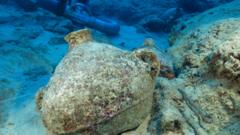
考古学家表示,这艘沉船的年代可追溯至4700年前,属于青铜时代早期。
Archaeologists say the wreck is up to 4,700 years old, dating to the Early Bronze Age.
据艾莉森·弗朗西斯(Alison Francis)、丽贝卡·莫雷尔(Rebecca Morelle)和凯文·丘奇(Kevin Church)报道,这艘世界上最古老的沉船是在土耳其海岸附近被发现的。考古学家通过碳14测年法确定其年龄在4400至4700年之间,正好对应青铜时代早期,大约也是大金字塔建造的时期。
By Alison Francis, Rebecca Morelle and Kevin Church The world's oldest shipwreck has been discovered off the coast of Turkey, archaeologists say. They have dated it to between 4,400 and 4,700 years old, which is the Early Bronze Age, and is around the same time that the Great Pyramid was being built. The ship's wooden structure has not survived, but the ceramic storage pots it was carrying were lying on the sea floor and, remarkably, some still contain traces of what they held inside.
虽然这艘船的木质结构已经腐朽殆尽,但它所携带的陶瓷储藏罐仍沉躺在海底,令人惊讶的是,其中一些罐子中仍保留着内部物品的痕迹。
The archaeologists who found the ship say it was about 10m in length and was a trade vessel carrying cargo across the Mediterranean Sea.
领导此次考古任务的土耳其阿克德尼兹大学(Akdeniz University)的哈坎·奥尼兹(Hakan Öniz)教授称:“这艘沉船就像是沉在海底的‘时间胶囊’,保存了那个时代的许多信息。”
"The shipwreck is a time capsule at the bottom of the sea," said Prof Hakan Öniz, from Akdeniz University in Turkey, who led the Mediterranean Archaeology Association expedition. The wreck is close to the shore of Kekova Island in Antalya, Turkey.
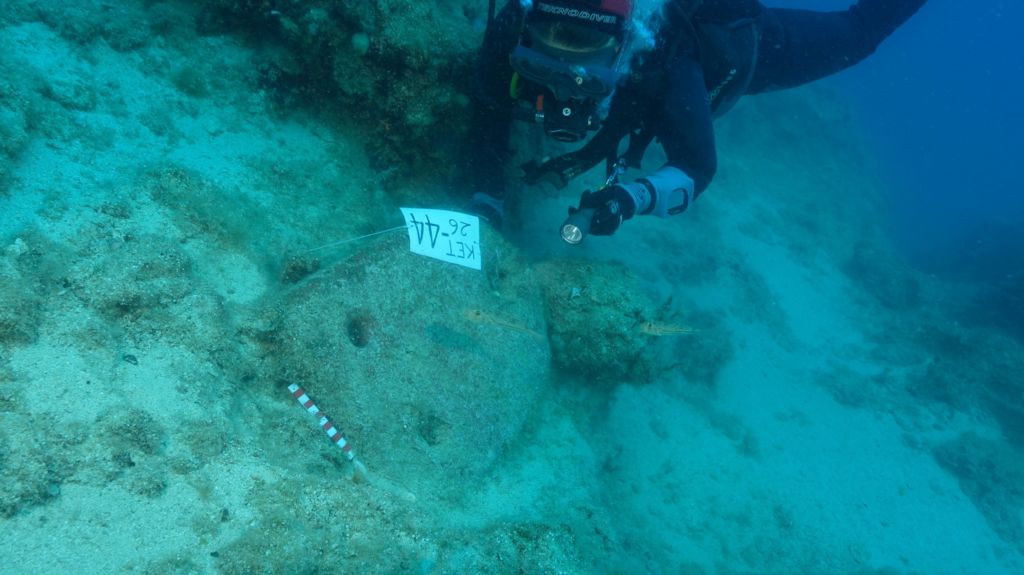
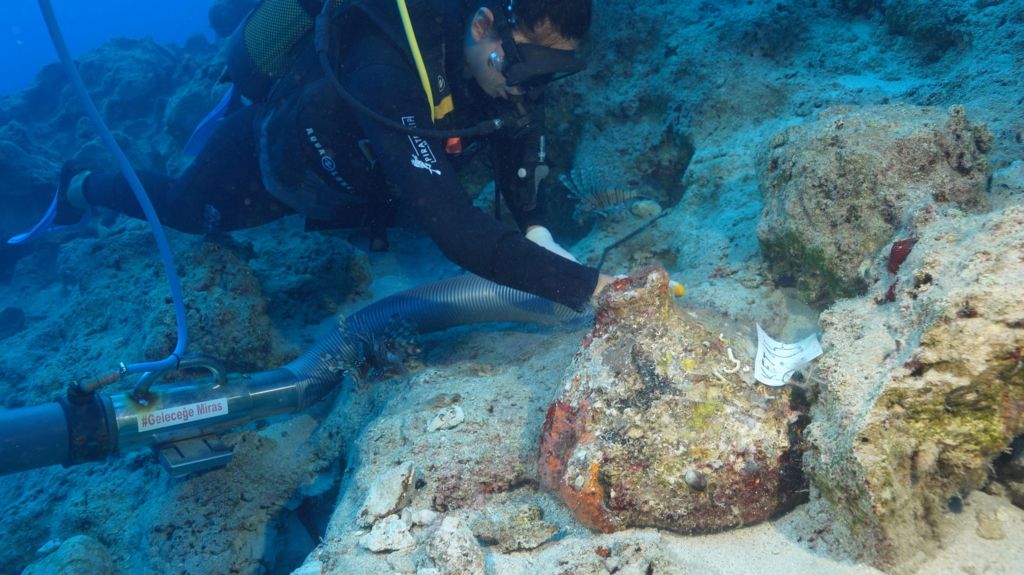
该沉船位于土耳其安塔利亚(Antalya)的凯科瓦岛(Kekova Island)附近,文物散布在海底的斜坡上,距离水面仅30米深。考古学家发现了三枚大型石锚以及30多个陶瓷储藏罐(这些罐子被称为“双耳瓶”)。由于船体木材已经完全腐烂,因此无法使用放射性碳测年法来确定其确切年代。
The artefacts lie scattered across an underwater slope, just 30m beneath the waves. Three large stone anchors were found, as well as more than 30 ceramic storage pots, called amphorae. The fact that none of the ship's wood remained meant techniques like radiocarbon dating - which measures a form of carbon in organic materials - could not be used to determine its age. Instead, archaeologists analysed the shape of the amphorae.
考古学家通过分析这些双耳瓶的形状来判断其年代:由于陶器风格会随时间发生变化,不同的风格通常与特定的历史时期相对应。凯科瓦岛出土的双耳瓶具有独特的造型——带有两个把手、中间的凸起部分以及平坦的底部。奥尼兹指出,这种设计与在埃及和中东发现的其他、年代为4400至4700年的双耳瓶非常相似。
Because pottery styles have changed over time, differerent styles are linked to particular periods. The Kekova ceramics are distinctive, with two handles, a ridge in the middle and a flat base. Öniz said this design matched other amphorae unearthed in Egypt and the Middle East that were known to be 4,400-4,700 years old. "Comparing the decoration techniques… we can definitely say our wreck is Early Bronze Age. This is 100%."
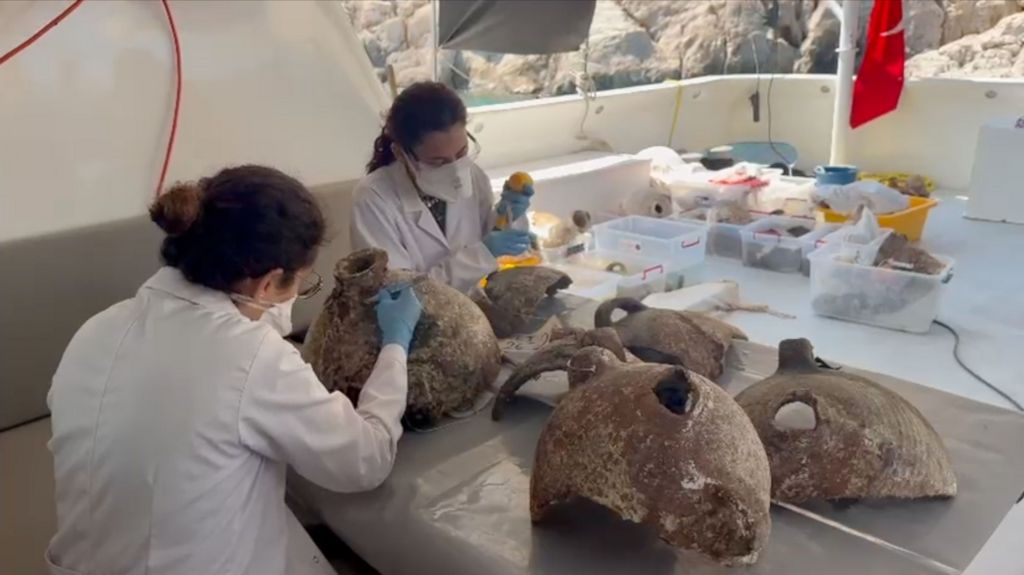
“通过对比这些陶器的装饰风格,我们可以确定这艘沉船确实属于青铜时代早期,这一点毫无疑问。”参与此次考古任务的潜水员将这些陶罐打捞上来,目前它们正在接受妥善的文物保护处理。
Divers from the expedition brought the pots up to the surface, where they are now being carefully conserved after so many thousands of years underwater. Dr Karin Sowada, an archaeologist from Macquarie University, Australia, examined the amphorae after they were recovered.
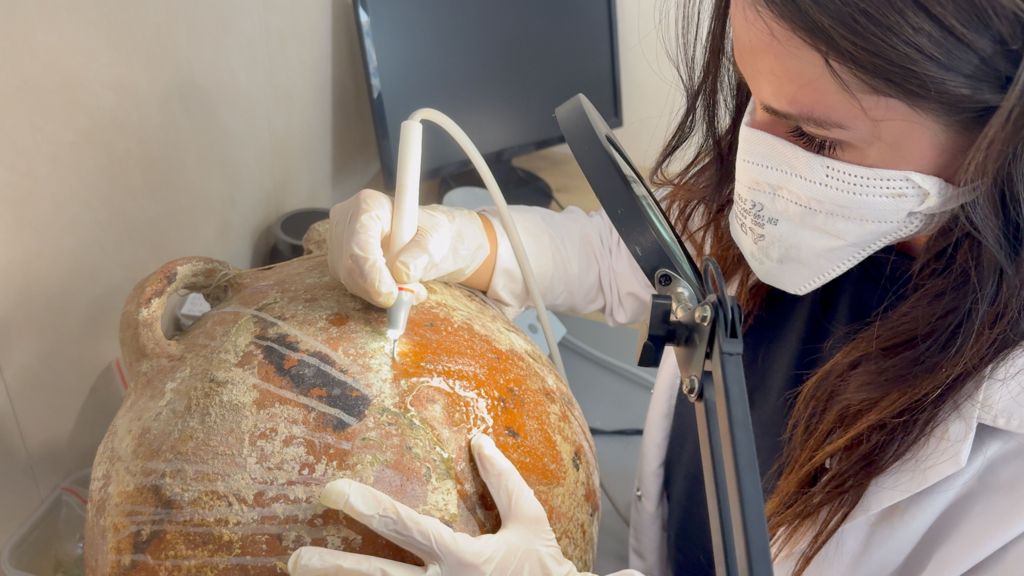
澳大利亚麦考瑞大学考古学家卡琳·索瓦达博士在打捞出这些陶罐后对其进行了检查。其中一些陶罐保存完好,她惊讶地发现它们内部仍残留着一种粘稠、有光泽的物质。
Some were intact and she was surprised to see they still contained a viscous, glossy residue. "I looked inside and nearly fainted. I could not believe how much [residue] was visible.
“我往里一看,几乎晕了过去。我简直不敢相信竟然能看到这么多[残留物]。这可不是仅仅几个斑点……这种物质实际上还有大量残留,”她说。该团队目前正致力于弄清这些陶罐中到底装载了什么。“可能是橄榄油,也可能是葡萄酒,也可能是树脂,”索瓦达说。
It wasn't just like spots…. a lot of this material was still remaining," she said. The team is now working to find out exactly what was being carried in the amphorae. "It could be olive oil, it could be wine, it could be tree resins," Sowada said. "It's possible that [the residue] could actually be the result of reuse of the jars.
“[残留物]实际上可能是这些陶罐被重复使用的结果。我的意思是,这些陶罐非常大——它们不是那种运走后就再也见不到的东西。人们在到达后可能会把陶罐倒空,然后继续使用很多很多年。”沉船及其货物也正在揭示古代世界的贸易情况。考古学家表示,这艘船起航于地中海东部海岸的某个地点。
I mean, these jars are huge - they're not things that you just ship away and then never see again. People would have emptied these jars on arrival and potentially used them for many, many, many years." The wreck and its cargo are also shedding light on trade in the ancient world. The archaeologists say the ship started its voyage from somewhere along the eastern coast of the Mediterranean.
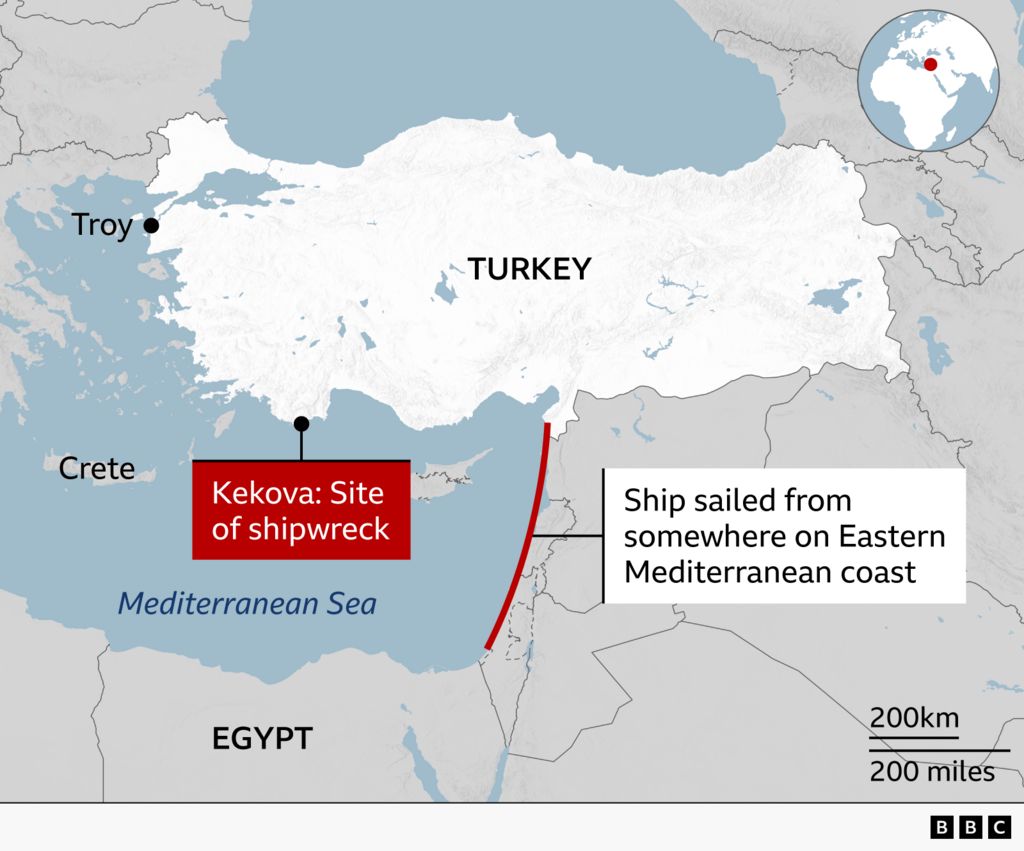
他们认为,船只当时可能正将货物运往如今土耳其西北部的古城特洛伊,或者运往克里特岛的米诺斯人那里。
They believe is it was taking goods to either the ancient city of Troy, in what is now north-western Turkey, or to the Minoan people in Crete.
海上航行充满危险,尤其是在 Kekova 岛周边,那里的强流和狂风已经导致无数船只沉没。
Travelling by sea was fraught with danger, particularly around Kekova Island, where the strong currents and winds have claimed many ships.
该地区有数百艘沉船,而地中海考古协会专门从事这些沉船的发现与研究。
There are hundreds of wrecks in the area, and the Mediterranean Archaelogy Association specialises in finding and studying them.
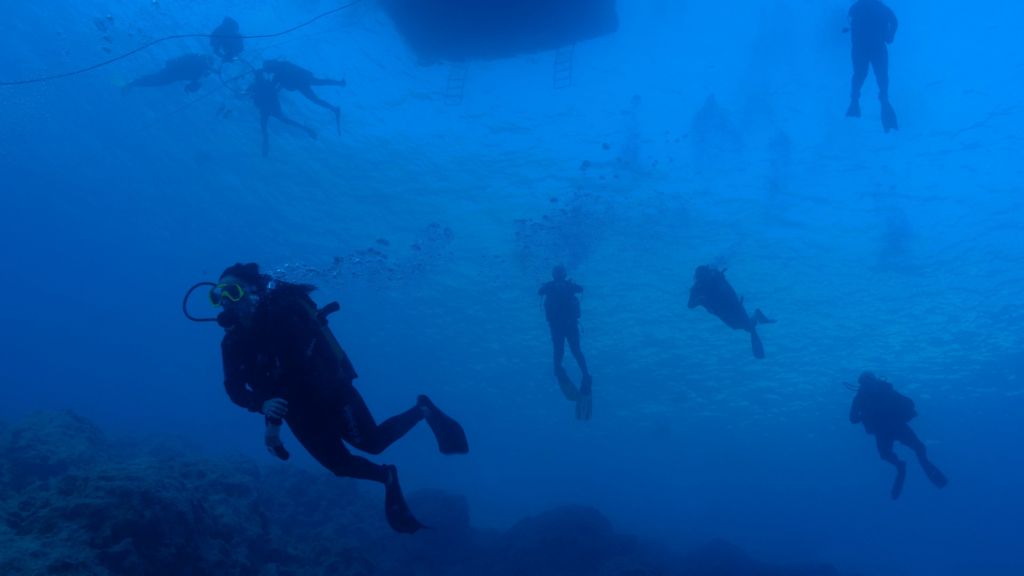
Ö尼兹表示,当他在这艘沉船附近潜水时,首先想到的是与这艘船有关联的人们的生活。“我们是5000年来第一批触碰这些物品的人类。
Öniz says that when he is diving on the wreck his first thoughts are about the lives of the people who were connected to this vessel. "We are the first humans who [have] touched these objects after 5,000 years.
“我们一直在想那些水手……生产陶罐的人、把陶罐扛在肩上送上船的人,以及等待丈夫归来的妇女们,而她们不幸的是再也没能等到丈夫回来。” Kekova 的这一发现如今位列世界最古老沉船之首。
"We are always thinking of the sailors... the producers of the amphora and the person who carried the amphora on their shoulders to the ship, and the women who were waiting for their husbands, and they unfortunately couldn't go back." The Kekova discovery now tops the list of the world's oldest shipwrecks.
此前,纪录保持者是希腊南部岛屿多科斯海岸的一艘沉船,可追溯至大约4200年前。
Previously, the record holder was a wreck off the coast of Dokos, an island in southern Greece, which dates to about 4,200 years ago.
已知最古老的部分木材仍被保存的沉船是在保加利亚黑海海岸发现的,可追溯至大约2400年前。
The oldest known shipwreck where some of the wood is still preserved was found in the Black Sea off the coast of Bulgaria. It dates to about 2,400 years ago.