我们现在已经度过了2026年中期选举结束的高峰,进入了下坡路。我说“结束”是因为提前投票已经在六个州开始,到下周末,这个数字将达到19个,并且还在继续。这些温和的支流正在形成一条巨大的选票河流,最终总数超过1亿张。大约一半的演员将在11月3日最后一场洪水到来之前完成。这一切都很好--民主的盛会和所有爵士乐--但人们真正想知道的是哪些选票。
We’re now over the hump and into the downhill slide to the end of the 2026 midterm elections. I say “end” because early voting has already begun in six states, and by the end of next week, the number will be up to 19 and counting. A mighty river of ballots, eventually more than 100 million in all, is forming from these modest tributaries. About half will have been cast before Nov. 3, when the final deluge comes in. That’s all well and good — the pageant of democracy and all that jazz — but what people really want to know is which ballots.
中期选举主要是减法的问题。2024年总统选举共有155,552,842张有效选票,约占符合投票资格人口的64%。在近代历史上,中期投票率往往比总统周期低约三分之一,这将使今年的投票率有望达到1.03亿左右。但不一定……2020年总统选举的高投票率--超过三分之二的合格选民,是现代后投票权法案时代的最高投票率--在很大程度上可以归因于这一流行病。
Midterms are mostly a matter of subtraction. There were 155,552,842 valid ballots cast in the 2024 presidential election — about 64 percent of the voting-eligible population. In recent history, midterm turnout has tended to be about a third less than in presidential cycles, which would put this year on track for a respectable 103 million or so. But not necessarily … The massively high turnout of the 2020 presidential election — at more than two-thirds of eligible voters, it was the highest in the modern, post-Voting Rights Act era — can be in large part attributed to the pandemic.
临时邮寄和提前投票规则不仅让人们更容易投票,而且美国人在2020年秋天感到非常不安,而且当形势不好时,投票率很好。此外,人们还有很多空闲时间。但我们不能将2020年的疫情激增全部归咎于COVID-19和那丑陋一年的社会动荡。这是因为大流行前的2018年中期选举绝对是投票率的热门人选。大约一半的合格选民参加了特朗普第一届中期选举,与20世纪80年代末和90年代某些总统选举年份的比例相当高。
Not only did temporary mail-in and early voting rules make it easier for people to cast ballots, Americans were very upset in the fall of 2020, and when times are bad, turnout is good. Plus, people had a lot of free time on their hands. But we can’t chalk all of the 2020 surge up to COVID-19 and the social unrest of that ugly year. That’s because the prepandemic 2018 midterm elections were an absolute barn-burner for turnout. Something like half of eligible voters participated in the Trump I midterms, about as high of a percentage that showed up in some presidential election years in the palmy days of the late 1980s and the 1990s.
好时光会导致投票率不高。与2018年相比,2022年中期选举的投票率有所下降,降至45%左右,但仍远高于2014年34.4%的可笑低分。
Good times make for bad turnout. Turnout dropped in the 2022 midterms compared to 2018, ticking down to about 45 percent — but still well ahead of the laughably low 34.4 percent in 2014.
基本上,2022年美国选民的中期投票率恢复到正常水平,通常在40多岁左右反弹。事实上,2010年代的故事是一个非常典型的中期繁荣与萧条周期。时任总统奥巴马在2008年大获全胜,横扫了许多红州民主党人。奥巴马联盟中的许多人,包括一大部分新选民,没有参加2010年中期选举,共和党人收回了他们失去的一切,然后又收回了一些。
Basically, 2022 showed the American electorate getting back to its normal midterm turnout, which has typically bounced around in the low 40s. Indeed, the story of the 2010s is a very typical midterm boom-and-bust cycle. Then-President Obama won big in 2008, sweeping many red-state Democrats along with him. Many in the Obama coalition, including a big chunk of new voters, sat out the 2010 midterms and Republicans took back all they had lost and then some.
奥巴马在2012年连任中取得了稳固但不那么全面的胜利。这仍然足以帮助削弱共和党的一些中期成果。然后在2014年,民主党的支持率跌至谷底。尽管2010年因茶党浪潮和共和党在众议院的巨大胜利而闻名--这是二战以来所有政党中最多的一年--但实际上共和党达到了最高峰的是2014年。共和党众议院30个席位的多数席位和令人瞠目结舌的9个参议院席位翻转--这是自1946年以来最多的一次--是多种因素造成的,但最重要的是如此之多的民主党人和倾向民主党的独立人士留在家里。
Obama had a solid, but less sweeping win in his 2012 reelection. It was still enough to help pare back some of the GOP’s midterm gains. Then in 2014, the bottom dropped out for Democrats. Though 2010 is remembered for the tea party wave and the massive House gains for Republicans — the most for any party since World War II — it was actually 2014 when Republicans hit their highest heights. The 30-seat GOP House majority and a jaw-dropping nine Senate seat flips — the most since 1946 — were the result of many factors, but none so much as the fact that so many Democrats and Democratic-leaning independents stayed home.
2014年投票率最低的数字是奥巴马联盟的一个巨大的耸耸肩表情符号。这为2016年总统选举埋下了伏笔,当时投票率落后,共和党人在总统政治中取得了至少自当时的杜鲁门总统1948年复出以来最令人震惊的挫败。民主党人,无论是对八年的执政感到幻灭,还是对自己的提名人不满,还是因为共和党提名了一位满嘴脏话的真人秀主持人而自满,都失败了。
That rock-bottom 2014 turnout number was a great big shrug emoji from the Obama coalition. It was a foreshadowing of the 2016 presidential election in which turnout lagged and a Republican pulled off the most astonishing upset in presidential politics since at least then-President Truman’s 1948 comeback. Democrats, whether they were disillusioned by eight years in power, dissatisfied with their own nominee or complacent because the Republicans had nominated a foul-mouthed reality show host, dropped the ball.
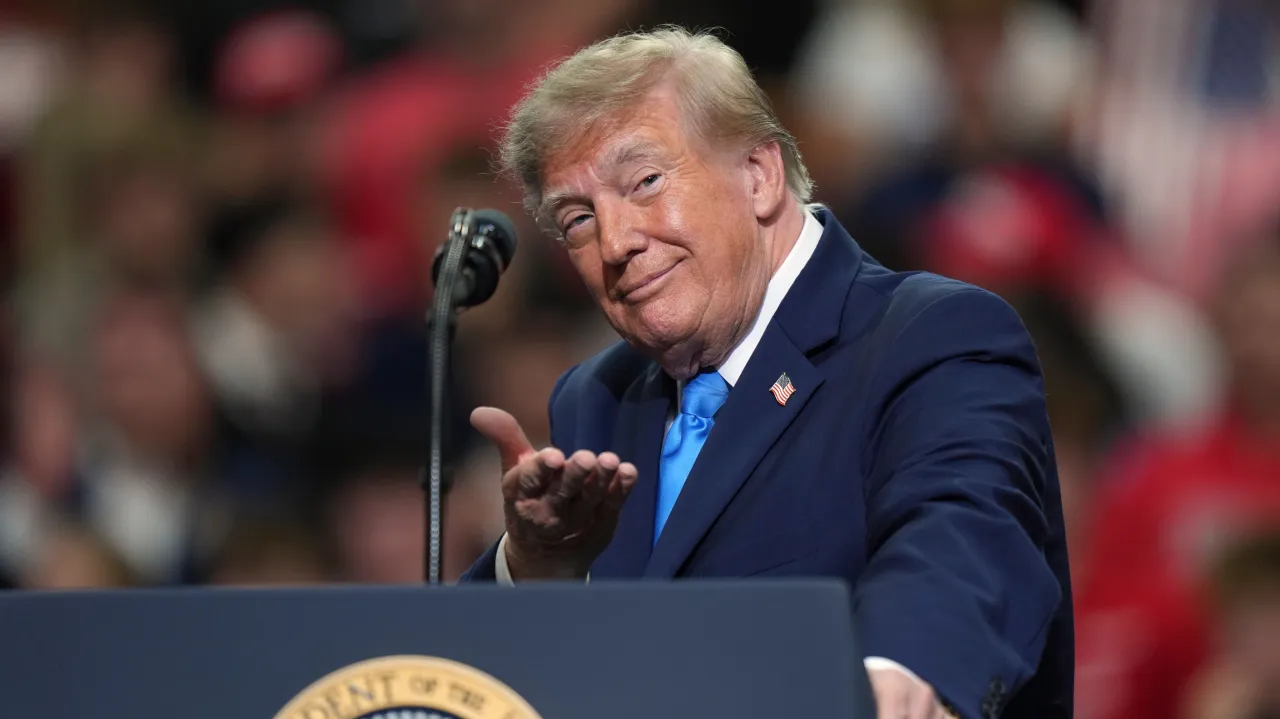
但一个新时代已经开始。第一次当选后,特朗普总统一直是我们一生中动员选民的最佳工具。如果不是因为一旦特朗普掌权,特朗普和特朗普主义就深刻地影响了选民的热情,那么第一次胜利本来就是侥幸。不幸的是,对于共和党人来说,这适用于两党。
But a new era had begun. After his first election, President Trump has been the greatest vehicle for voter mobilization in our lifetimes. That first win would have been a fluke, if not for the fact that once he had power, Trump and Trumpism profoundly affected voter intensity. Unfortunately for Republicans, that applies to both parties.
理解2018年以来投票率激增的最简单方法是,特朗普让选民走出了困境:倾向较低、主要是爱这个人的白人工人阶级选民,以及受过大学教育、高倾向的郊区居民,他们恨他就像上帝恨罪一样。那么,在特朗普时代的第六次也是最后一次选举中,这将如何运作呢?共和党人知道,如果出现典型的选票下滑--比如比两年前减少4200万张选票--缺席的选民将不成比例地是该党成员和同情心的独立人士。
The simplest way to understand the turnout surge since 2018 is that Trump brings voters out of the woodwork: lower-propensity, mostly white working-class voters who love the guy and the college-educated, high-propensity suburbanites who hate him like God hates sin. So how will that work in the sixth and final election of the Trump era? Republicans know that if there’s a typical dropoff — say 42 million fewer votes than two years ago — the absent voters will disproportionately be members of their party and sympathetic independents.
这就是为什么总统突袭联邦财政部为自己投放竞选广告,向选民发送支票,并承诺如果共和党继续掌权,将支付更大的支出。他正在红色州进行巡回演讲,并且正如承诺的那样,像他自己在选票上一样参选。共和党人最担心的情况是,特朗普的联盟在中期选举中出现第二次失败,就像奥巴马和前总统乔治·W·W·布什那样。
This is why the president is raiding the federal treasury to run campaign ads for himself, sending checks to voters and promising much bigger payouts if Republicans stay in power. He’s barnstorming red states and, as promised, running like he’s on the ballot himself. The scenario Republicans most fear is one in which there’s a second-midterm dropoff for Trump’s coalition like the ones that afflicted Obama and former President George W. Bush before him.
布什在他之前。布什2006年的灾难现在困扰着共和党中许多人:高油价、不受欢迎的战争以及华盛顿的混乱感。但现在不同的是,民主党的动员方式超过了当年甚至2018年的蓝色浪潮。在21世纪,初选投票率可能是大选中党派投票率趋势最可靠的预测因素--不是针对每个单独的竞选,而是作为一个整体来看。2018年,民主党初选投票率比共和党高出8个百分点。
Bush’s 2006 catastrophe is the one that’s haunting many in the GOP right now: high gas prices, an unpopular war and a sense of disorder in Washington. But what’s different now is that Democrats are mobilized in a way that exceeds that year or even the blue wave of 2018. In the 21st century, primary election turnout has been probably the most reliable predictor of partisan turnout trends in general elections — not for each individual race but taken as a whole. In 2018, Democratic primary turnout was 8 points higher than it was for Republicans.
今年,差距扩大到11个百分点。我们确信民主党的投票率将非常高。我们的每一次测量都表明蓝色波已经形成。我们不知道的是它会撞到什么。这就是为什么共和党人将在接下来的四个星期里哄骗、哄骗,甚至直接付钱给失踪的选民,让他们再次为特朗普加油。
This year, the margin swelled to 11 points. We know for certain that Democrats are going to vote at very high rates. Every measurement we have suggests that the blue wave has already formed. What we don’t know is what it’s going to be crashing into. That’s why Republicans are going to spend the next four weeks wheedling, cajoling and even outright paying their missing voters to crank it up one more time for Trump.